Think about your living room. What's often the central hub, the gathering point for conversations, coffee cups, and maybe even a few stray remotes? It's the cocktail table, right. But what if that humble surface could be so much more? What if it could tell a story, reflect your personality, and be a genuine work of art in itself? That’s where the magic of a well-curated cocktail table comes in, and few understand this art form quite like Belen Kox. Her approach isn't just about placing objects; it's about orchestrating an experience, a visual symphony that delights and intrigues.
You know those homes you walk into, and you just feel… right? There’s a certain je ne sais quoi, a vibe that’s both welcoming and undeniably chic. Often, a significant part of that feeling emanates from the thoughtfully arranged cocktail table. It’s a small space, sure, but oh, the impact it can have. Belen Kox has a knack for transforming these central pieces from mere furniture into focal points of design and conversation. Her methods go beyond trends; they tap into something deeper, something that speaks to intention and a keen eye for balance. Let's explore what makes her signature approach so special and how you can bring a touch of that magic into your own space.
The Foundation: Understanding Your Canvas
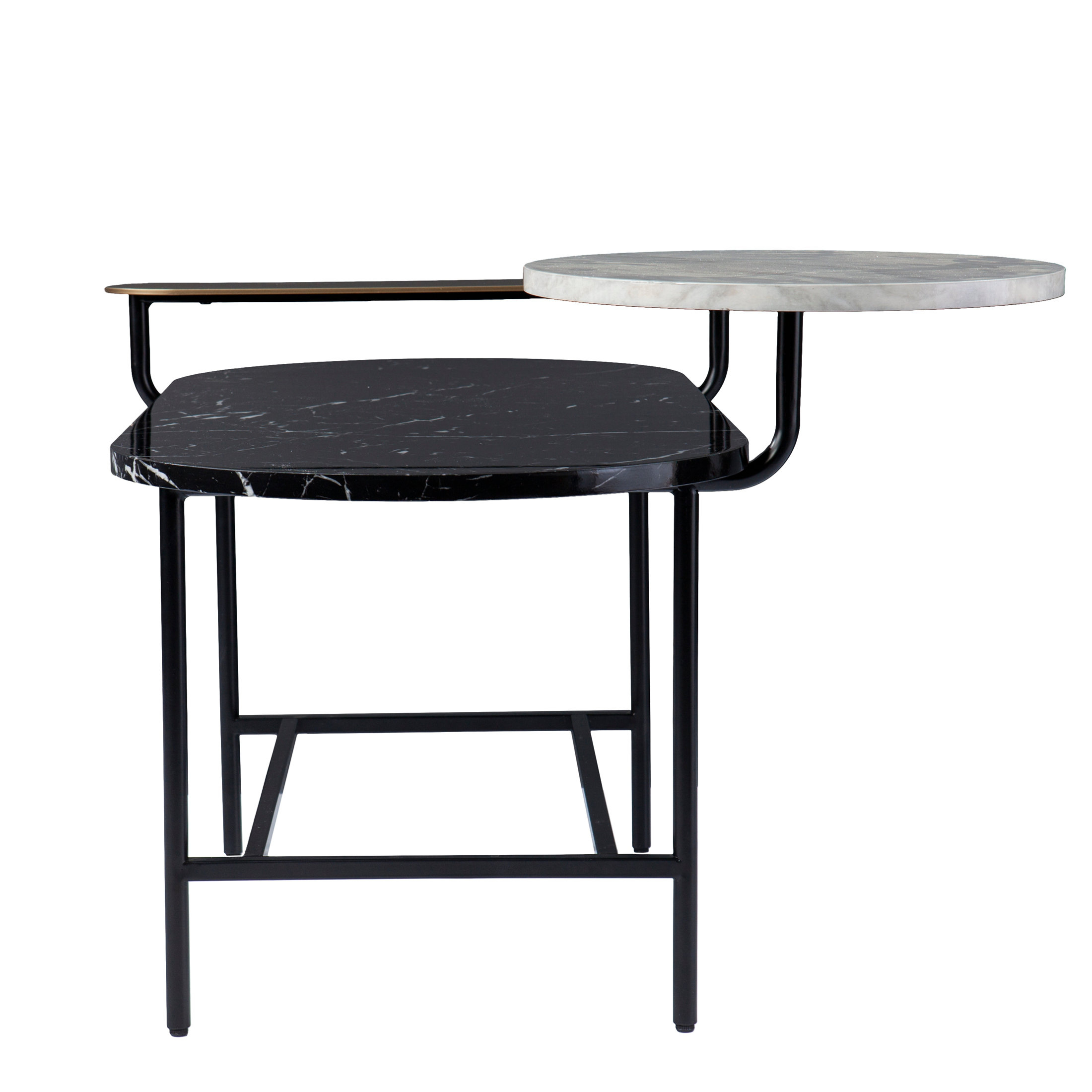
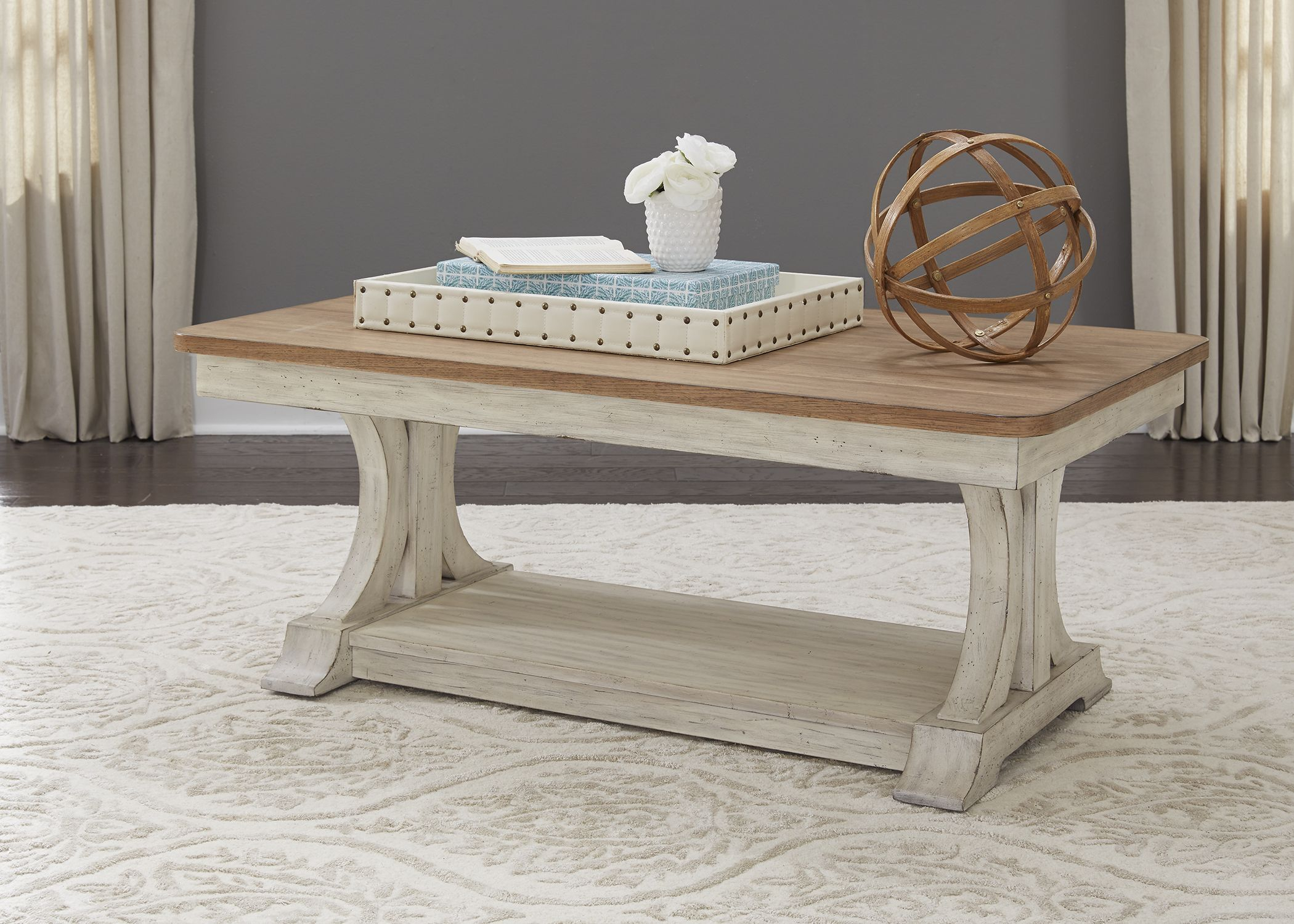
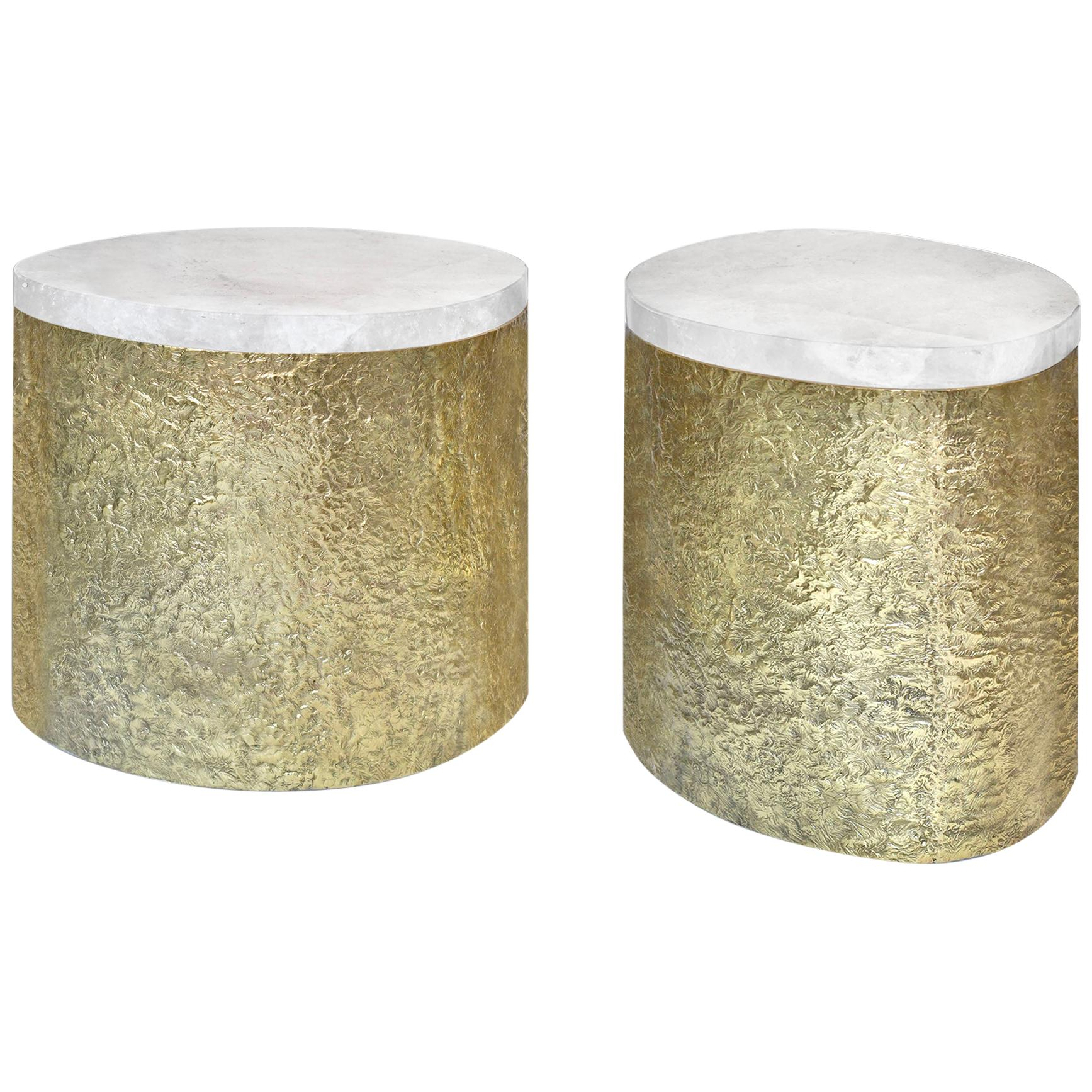
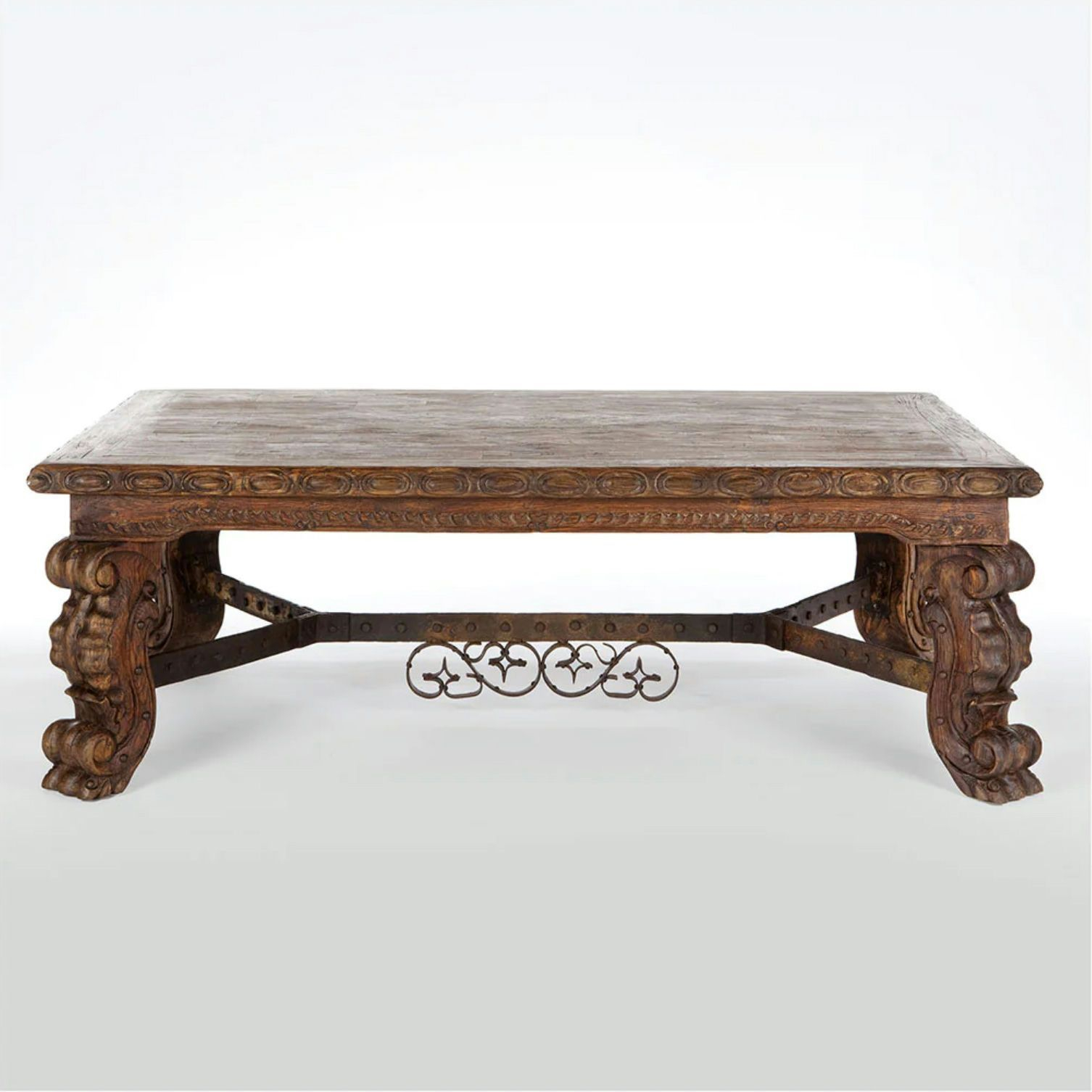
Before a single item graces the surface, Belen emphasizes understanding the cocktail table itself. What’s its shape? Its material? Its scale relative to the seating around it? Is it a sleek glass-top modern piece, a rustic wood slab, or something more ornate. Each table has its own personality, and your styling should honor that. Think of it like choosing a frame for a painting; the frame enhances the art without overpowering it. A heavy, ornate table might call for lighter, more delicate objects, while a minimalist table can handle bolder statements. It’s all about creating a harmonious dialogue between the table and what you place upon it.
The Rule of Three (and Beyond): Grouping for Impact
Belen often employs the principle of grouping items, typically in threes or odd numbers. Why odd numbers? They’re naturally more visually interesting and dynamic than even numbers. A single object can feel lonely, while a pair can sometimes feel too symmetrical and static. A trio, however, offers a pleasing asymmetry and allows for variation in height, texture, and form. Consider a stack of beautiful books as one element, a sculptural decorative object as another, and perhaps a small tray with a candle or a delicate plant as the third. This creates layers and visual depth, inviting the eye to linger and explore.
Height, Texture, and Form: A Sensory Symphony
This is where the real artistry comes in. Belen is a master at playing with different heights, textures, and forms. Imagine a tall, slender vase next to a low, round bowl, and then a cluster of books with varying spine textures. This contrast is key. Rough textures against smooth surfaces, organic shapes alongside geometric ones, and a deliberate variation in height all contribute to a dynamic and engaging composition. It’s not just about what looks good, but what feels good too. Think about how you might arrange a beautiful piece of driftwood, a smooth ceramic dish, and a stack of linen-bound books. That tactile and visual variety is what makes a cocktail table truly come alive.
The Art of the Tray: Containing and Elevating
Trays are an indispensable tool in Belen's arsenal. They act as mini-stages, defining a specific area on the larger table and containing a curated collection of smaller items. A beautiful metallic tray can add a touch of glamour, while a woven tray brings warmth and texture. She often uses trays to group essentials like remotes, coasters, or a small decorative accent, keeping the rest of the table clutter-free. It’s a simple yet incredibly effective way to create a sense of order and sophistication. Think of a polished brass tray holding a few art books, a crystal decanter, and a small silver dish with a couple of elegant matches. It’s contained, it’s purposeful, and it looks fantastic.
Adding Personality: The Personal Touch
What truly sets a Belen Kox-styled cocktail table apart is the infusion of personality. It’s not just about following rules; it’s about reflecting the lives and tastes of the people who live there. This means incorporating items that hold meaning – a cherished photograph in a stylish frame, a unique souvenir from a trip, a favorite piece of art. These personal touches transform the table from a mere decorative display into a genuine extension of the home’s inhabitants. It’s these elements that spark conversations and make the space feel truly lived-in and loved.
The Finishing Touches: Light and Greenery
No cocktail table curation is complete without considering the subtle yet impactful additions of light and greenery. A beautifully scented candle, a small table lamp placed nearby, or even the natural light reflecting off a metallic object can add warmth and ambiance. Similarly, a touch of green, whether it’s a small potted plant, a delicate floral arrangement, or a sprig of eucalyptus, brings life and freshness to the composition. These elements are the final brushstrokes, completing the picture and adding that vital spark of vitality that makes the space feel truly inviting and alive. For instance, a simple glass vase with a few fresh blooms can instantly elevate the entire look.
So, there you have it. Belen Kox's approach to the cocktail table is a beautiful blend of thoughtful design principles and personal expression. It’s about creating a harmonious, layered, and inviting surface that not only enhances your living space but also tells a story. Remember to start with your table’s foundation, embrace the power of grouping, play with textures and heights, utilize trays effectively, and most importantly, infuse your own personality into the mix. And never underestimate the power of a little light and a touch of green to bring it all together. Go ahead, give your cocktail table a little love – you might be surprised at the difference it makes. It’s more than just a table; it’s an opportunity for art and connection.