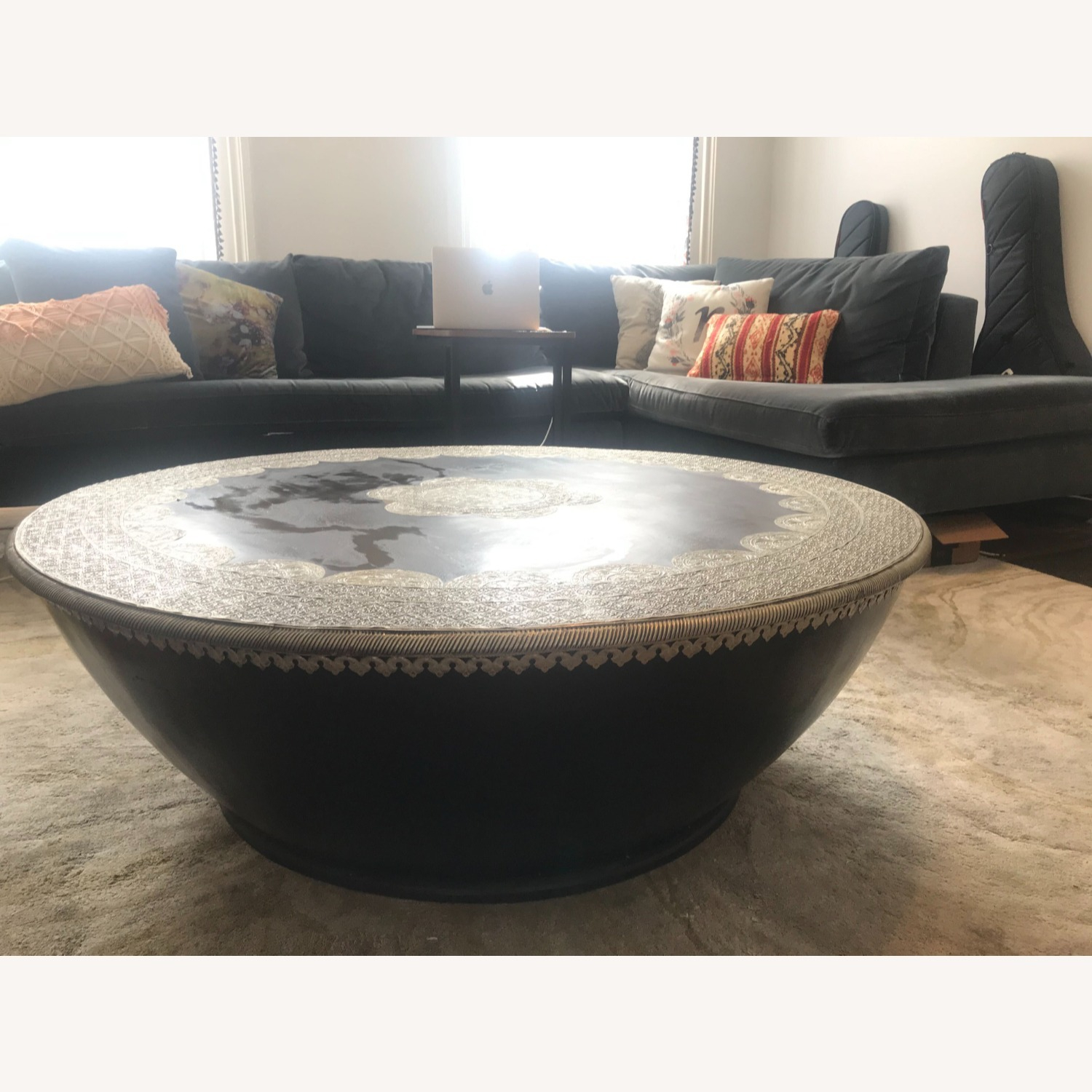
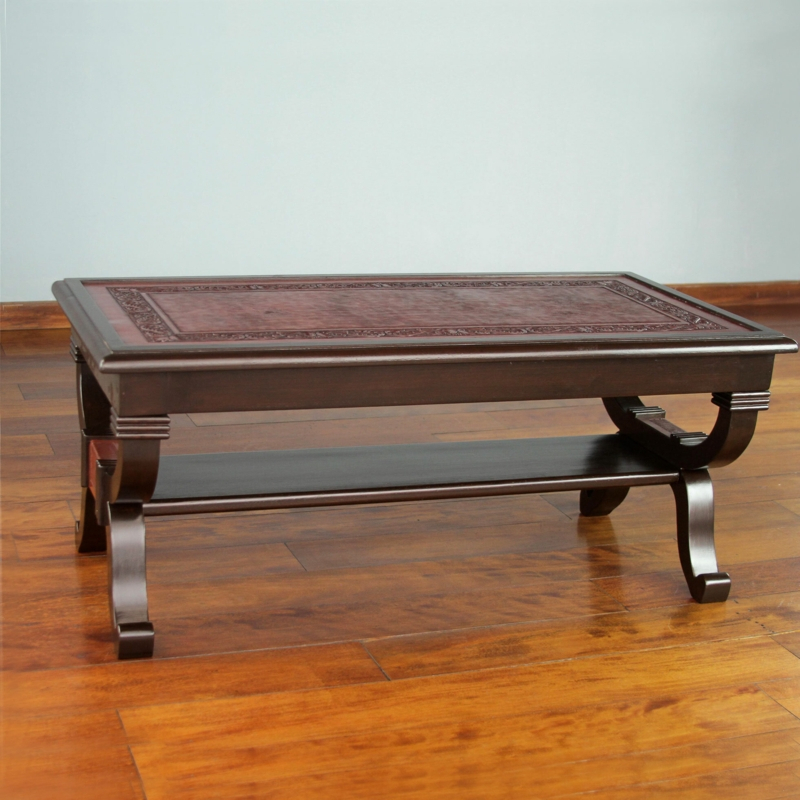
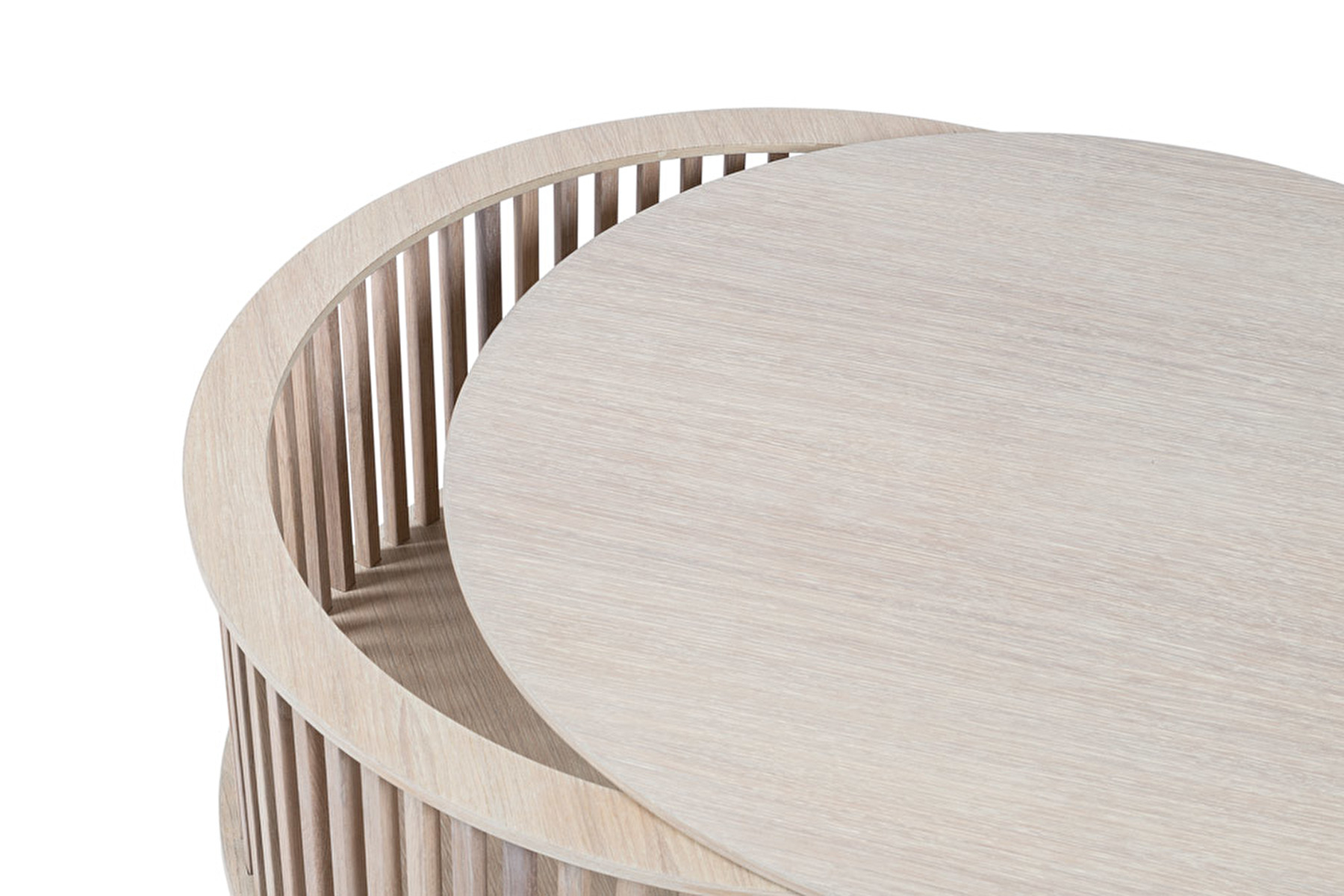
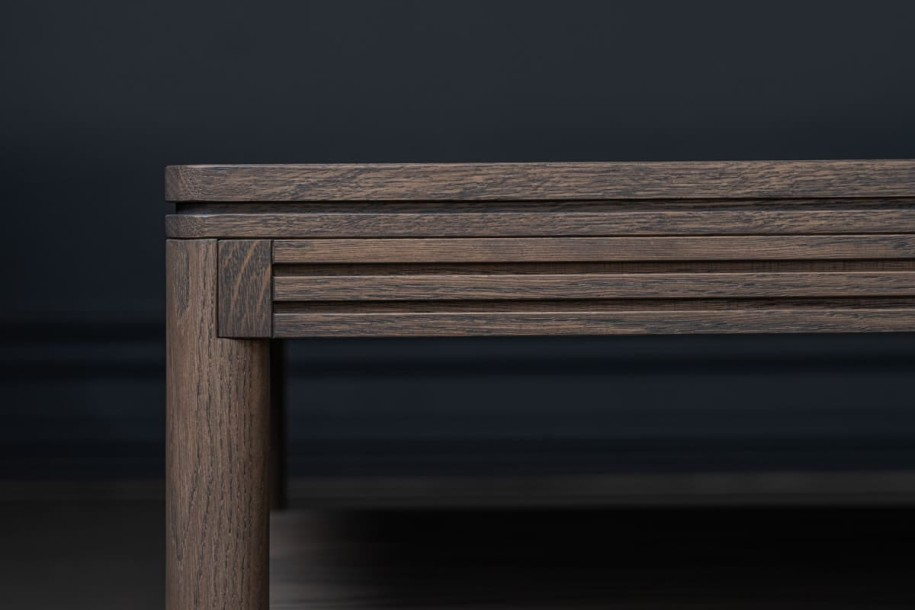
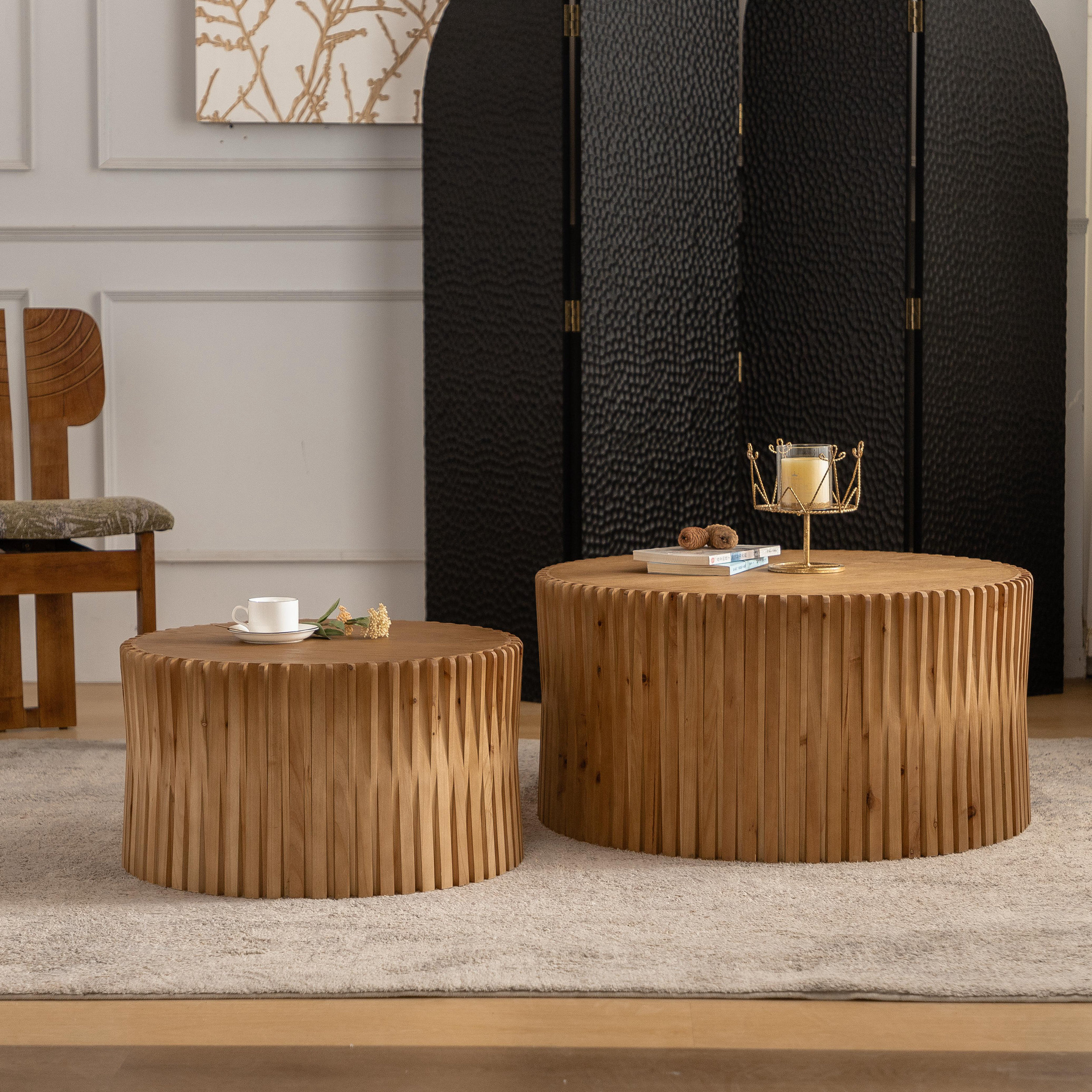
Coffee tables are more than just surfaces to rest your mug or stack your magazines. They're often the centerpiece of a living room, a silent statement of style and personality. Among the many designs gracing our homes, embossed line coffee tables possess a unique charm. Their subtle yet striking patterns add a layer of sophistication and texture, transforming a simple piece of furniture into a work of art. But have you ever stopped to wonder how these beautiful pieces are actually brought to life? It’s a fascinating journey, blending traditional craftsmanship with modern innovation. Let's pull back the curtain and explore the intricate world of crafting these elegant tables.
Walk into any well-appointed living space, and you're bound to spot them – coffee tables with patterns that seem to ripple and flow across their surfaces. These aren't just surface-level decorations; they're the result of deliberate design and skilled execution. Embossed line coffee tables, with their raised or indented patterns, offer a tactile and visual richness that’s hard to ignore. They speak of quality, attention to detail, and a certain understated luxury. But what exactly goes into making one? It’s a process that involves a deep understanding of materials, a keen eye for design, and a mastery of specialized techniques. Ready to dive in?
From Concept to Sketch: The Genesis of the Design
Every great piece of furniture begins with an idea. For embossed line coffee tables, this initial spark often comes from inspiration found in nature – the gentle curve of a wave, the intricate veins of a leaf, or the geometric precision of a honeycomb. Designers might also draw from architectural elements or abstract art. The process involves translating these inspirations into tangible drawings, either by hand or using sophisticated computer-aided design (CAD) software. These initial sketches aren't just about the overall shape of the table, but crucially, they detail the specific pattern of the embossed lines. Consideration is given to the scale, depth, and repetition of these lines to ensure they are visually appealing and don't compromise the table's structural integrity. It's a delicate balance between aesthetics and function, ensuring the design is as practical as it is pretty.
Material Selection: The Foundation of Quality
The choice of material is paramount. Solid hardwoods like oak, walnut, or maple are popular for their durability and the beautiful grain they offer, which can enhance the embossed patterns. Sometimes, engineered wood products like MDF (medium-density fiberboard) are used, especially when a very smooth surface is desired for intricate embossing. The wood needs to be properly seasoned and dried to prevent warping or cracking later on. For tables with a metallic finish or a more modern aesthetic, high-quality metals or even composites might be selected. The surface finish also plays a role; a smooth, dense material will hold finer details in the embossing compared to a more porous wood. Think of it like a sculptor choosing their marble – the material itself dictates a lot about the final outcome.
The Art of Embossing: Techniques and Technologies
This is where the magic truly happens. There are several methods for creating embossed lines:
- CNC Machining: Computer Numerical Control (CNC) routers are incredibly precise tools. A digital design file is fed into the machine, and a spinning cutting bit carves out the pattern with remarkable accuracy. This method allows for complex and repeatable designs with consistent depth and sharpness. It’s a blend of digital precision and physical creation.
- Hand Carving: For a truly artisanal touch, skilled craftspeople can hand-carve the patterns using chisels and gouges. This method imbues each piece with a unique character, as no two hand-carved patterns are ever exactly alike. It requires immense skill, patience, and a deep understanding of the wood's grain.
- Molding and Casting: In some cases, especially with materials like resin or certain metals, the embossed pattern might be created within a mold before the material is cast. This is common for mass-produced items where consistency is key.
- Pressing or Stamping: For softer materials or veneers, a heated die or a powerful press can be used to impress the pattern into the surface. This technique is often used for more subtle, less deeply incised lines.
Each technique has its own strengths and is chosen based on the desired aesthetic, the material being used, and the production scale.
Assembly and Structure: Building for Longevity
Once the tabletop surface with its embossed design is ready, it needs to be integrated into the table's overall structure. This involves attaching the tabletop to the legs or base. The method of attachment needs to be robust, ensuring the table is stable and can withstand regular use. Joinery techniques like mortise and tenon, dowels, or specialized metal brackets are employed. If the table has drawers or shelves, these are also assembled and fitted at this stage. The goal is a seamless integration where the table's form and function are in perfect harmony, and the embossed design remains the star without being overshadowed by clunky construction.
Finishing Touches: Protection and Polish
The final stage is crucial for both protecting the wood and enhancing the visual appeal of the embossed lines. A series of sanding steps are performed to ensure the surface is perfectly smooth, paying special attention to the edges of the embossed channels to remove any roughness. Then comes the application of the finish. This could be a clear lacquer or varnish to showcase the natural wood grain and the embossed texture, a stain to deepen the color, or even paint for a bolder look. Often, a two-tone finishing technique is used where a darker stain or glaze is applied and then wiped off, leaving the color in the recessed lines and highlighting the raised areas. This contrast dramatically accentuates the embossed pattern. Multiple coats are applied and sanded between each layer for a durable and lustrous finish. It’s this attention to detail in finishing that truly elevates the table.
Caring for Your Embossed Masterpiece
Owning an embossed line coffee table means appreciating its artistry and taking steps to preserve it. Regular dusting is essential, and for cleaning, a soft, damp cloth is usually best. Avoid harsh chemicals or abrasive cleaners, as these can damage the finish and the embossed details. For spills, wipe them up immediately. Prolonged exposure to direct sunlight can also cause fading or damage, so consider using curtains or blinds. Periodically, you might want to apply a good quality furniture polish to maintain the sheen and protect the surface. Treat it gently, and your embossed coffee table will remain a beautiful and functional part of your home for years to come.
So, there you have it – a glimpse into the meticulous process behind creating an embossed line coffee table. From the initial design concept and careful material selection to the precision of CNC machining or the artistry of hand carving, and finally, the protective and enhancing finishes, each step contributes to the creation of a piece that’s both functional and a feast for the eyes and fingers. These tables offer a unique blend of visual artistry and tactile experience, adding a depth and character to our living spaces that flat surfaces simply can't match. They remind us that furniture can be more than just utilitarian; it can be a form of expression, a testament to craftsmanship, and a source of daily pleasure. The next time you admire one, you'll know just how much skill and dedication went into bringing that beautiful pattern to life.