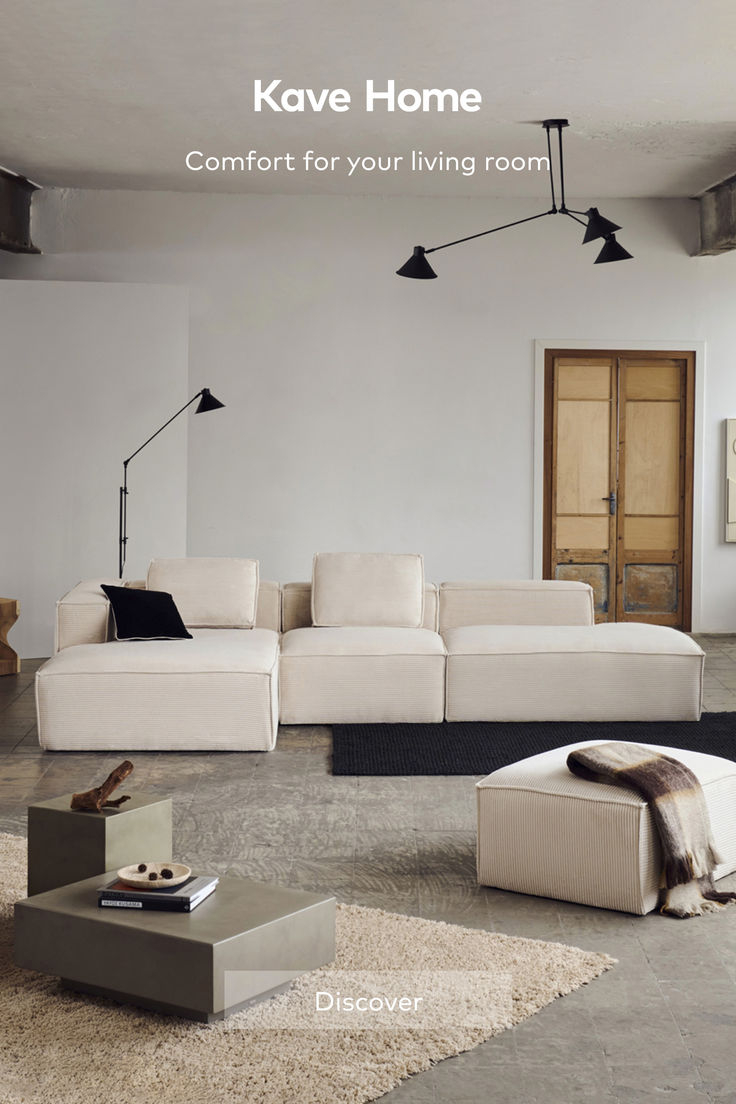
Ever walk into a place and just instantly feel… right? Like the air itself is exhaling a sigh of relief? That's the magic of curated comfort, the secret sauce to a home that doesn't just look good, but feels good. It's not about expensive stuff or following fleeting trends, no sir. It's about crafting an environment that resonates with you, that understands your daily rhythms and whispers sweet nothings of relaxation when you need it most. Think of it as painting a self-portrait, but with furniture and textiles instead of brushes and oils. It's deeply personal, and frankly, a bit of an adventure.
We've all seen those stunning magazine spreads, right? Perfect pillows, immaculate surfaces, not a single dog hair in sight. And while those are lovely to look at, they often miss the point of a lived-in home. Because a truly comfortable space isn't just for show. It's about the soft throw you instinctively reach for on a chilly evening, the worn armchair that perfectly cradles you, the scent of your favorite candle filling the air. It's about designing for your senses, your habits, and your deepest desires for peace and joy within your own four walls. It’s an art, really, and it's one we can all master, no matter our budget or design 'skill' level. Let's dive into how we can make our homes less of a display and more of a feeling.
Understanding Your Comfort Blueprint
Before you even think about paint swatches or sofa styles, pause. Take a moment to truly consider what 'comfort' means to you. Is it quiet solitude and soft lighting? Or is it a vibrant hub for friends and family, full of laughter and lively conversation? Do you crave order and minimalism, or a cozy, maximalist haven filled with treasures? Your comfort blueprint is unique, like a fingerprint.
Start by observing your current habits. Where do you naturally gravitate in your home? What frustrates you? What makes you smile? Maybe you love to read, so a dedicated, comfy reading nook is a must. Perhaps you work from home and need a clear, inspiring workspace that can be easily tucked away at day's end. Jot these things down. Don't censor yourself; no idea is too silly or too small. This honest self-reflection is the very first, and arguably most important, step.
The Power of Tactile Textures and Warmth
Think about how a space feels when you touch it. That's the magic of texture. It's not just about what something looks like, but its physical sensation. Imagine the difference between a rough, scratchy blanket and a plush, velvety one. Which one makes you want to snuggle in? Exactly.
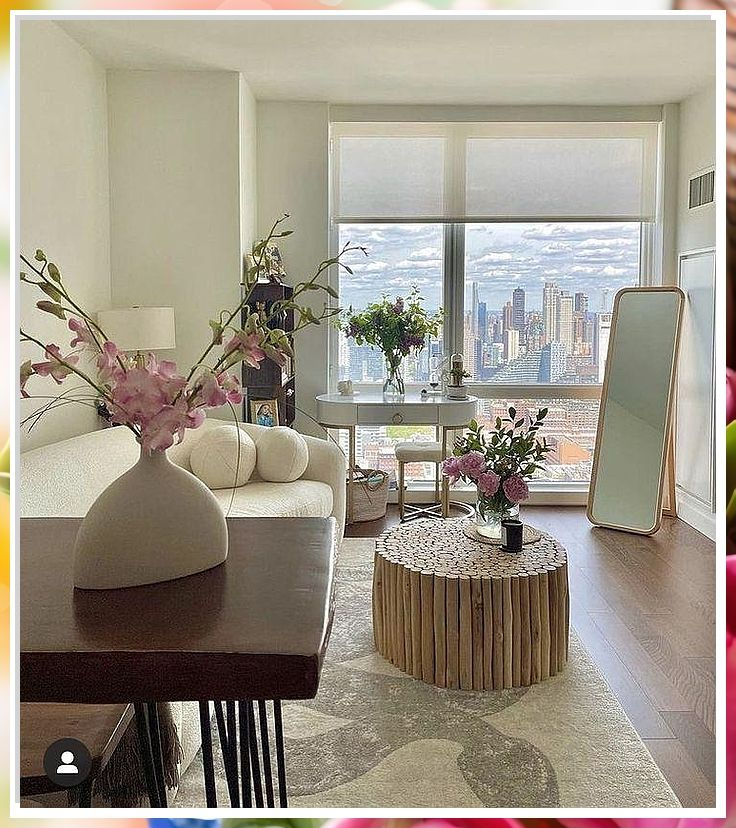
Layering different textures instantly adds depth and warmth. Think chunky knit throws draped over smooth linen sofas, soft sheepskin rugs underfoot, or woven baskets holding an assortment of fluffy pillows. Don't be afraid to mix and match. A little bit of controlled chaos here can actually make things feel more inviting. And don't forget the power of natural materials: wood's inherent warmth, the coolness of stone, the softness of cotton or wool. These elements ground a space and connect us to the natural world, which is inherently comforting, wouldn't you say?
Lighting: Sculpting Mood and Atmosphere
Lighting isn't just about seeing; it's about feeling. Harsh, overhead lights can make a space feel cold and unwelcoming, like a doctor's office. But strategic lighting can transform a room, creating pockets of warmth and intimacy.
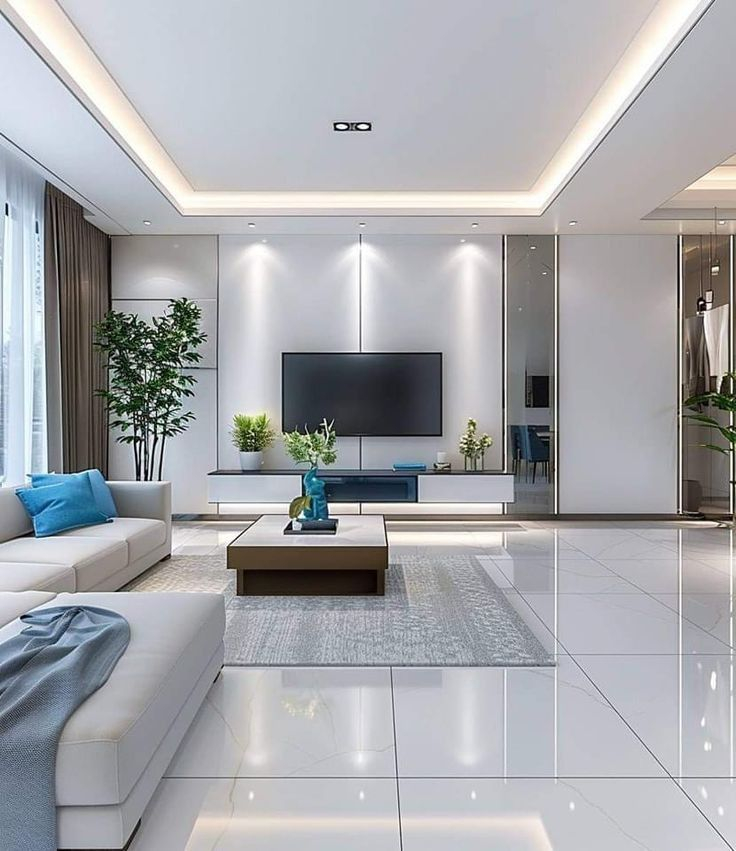
Think in layers. You need ambient lighting (general illumination), task lighting (for specific activities like reading or cooking), and accent lighting (to highlight art or architectural features). But the real trick is using dimmers on almost everything. This allows you to adjust the mood throughout the day. Warm, diffused light from lamps placed at different heights, perhaps a glowing sconce or two, and even candles can work wonders. Embrace the golden hour indoors, letting soft light spill into your rooms. It’s a game-changer, truly.
Color's Emotional Language
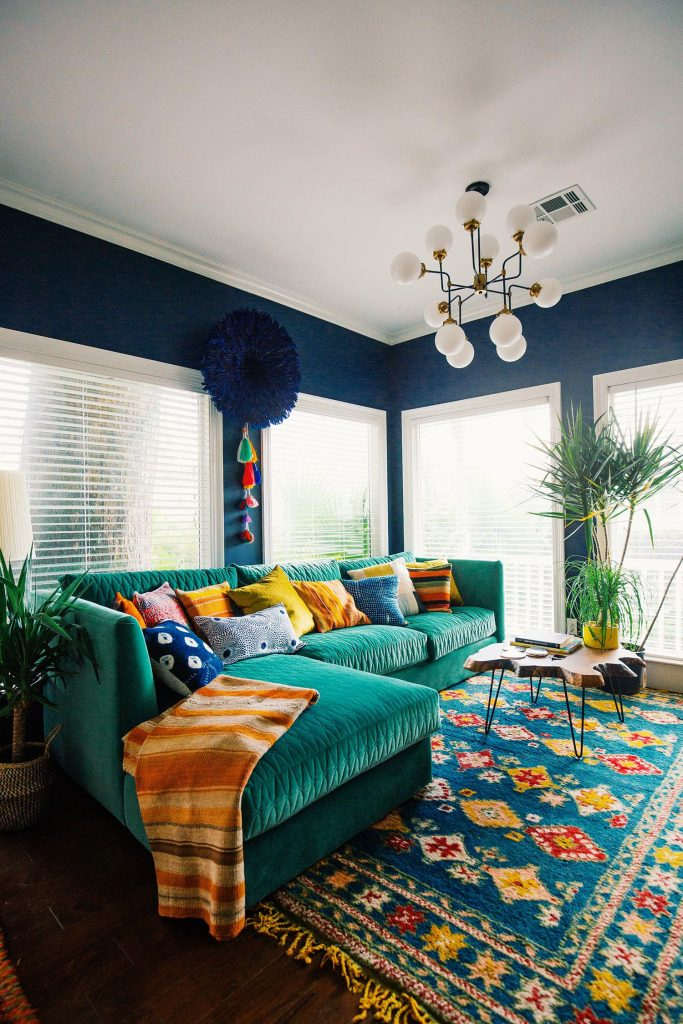
Colors speak to us, don't they? They can invigorate, calm, or even agitate. When designing for comfort, consider the emotional impact of your chosen palette. Warm colors like soft yellows, earthy browns, and muted oranges can create a cozy, embracing atmosphere. Cooler tones like blues and greens often evoke a sense of calm and tranquility.
But here's a secret: you don't have to paint every wall a new color. You can introduce color through textiles, art, or even a statement piece of furniture. And remember, neutrals are your friends. They provide a calm backdrop that allows your personal touches and pops of color to really shine. Don't be afraid to experiment, and don't feel pressured to follow trends. Choose colors that genuinely make you feel good, colors that make your heart sing a little song.
Personal Touches: The Soul of Your Space
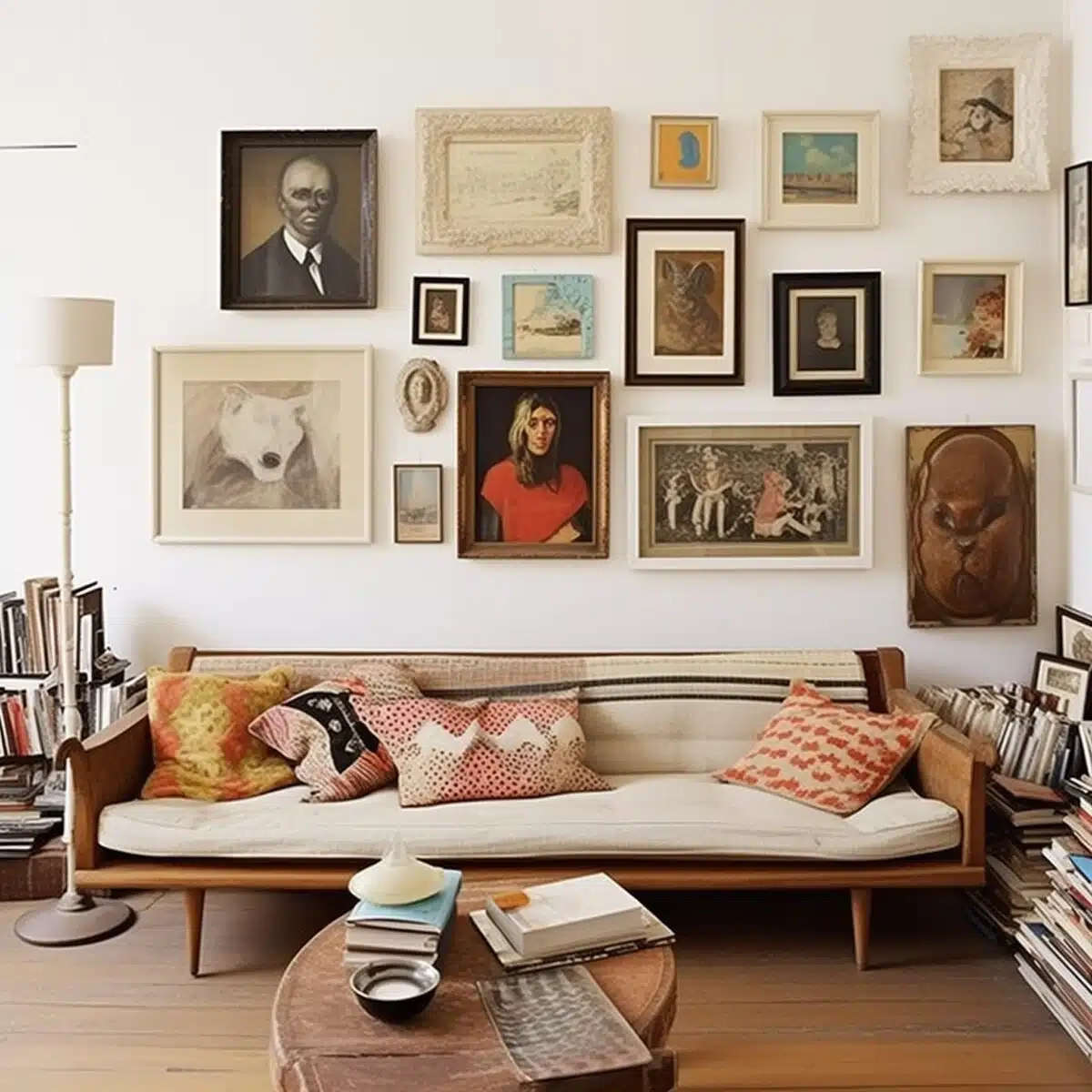
This is where your home truly becomes yours. Comfort isn't just about soft things; it's about familiarity and connection. Display items that hold meaning for you – a collection of vintage books, photos of loved ones, souvenirs from memorable trips, or maybe a piece of art that speaks to your soul. These aren't just decorations; they're storytellers, woven into the fabric of your everyday life.
Don't worry about perfection. A slightly mismatched pillow, a well-loved blanket, a stack of books with dog-eared pages – these are the signs of a home that is lived in and loved. They add character and warmth in a way that perfectly staged, impersonal spaces simply cannot. It's about surrounding yourself with things that bring you joy and comfort, things that remind you of who you are and what you cherish. That's the ultimate curated comfort, isn't it.
Embracing the Imperfect and the Evolving Home
Here's the honest truth: your home will never be 'finished.' And that's okay! In fact, it's more than okay; it's part of the beauty of it all. Comfort evolves as you evolve. Your needs change, your tastes shift, and your life takes new turns. Your home should be a reflection of that ongoing journey.
Don't strive for a static, picture-perfect ideal. Instead, embrace the idea of a living, breathing space that adapts with you. Maybe you'll add a new plant here, swap out some artwork there. Perhaps you'll rearrange the furniture for a fresh perspective. The truly comfortable home is one that feels organic, a place that allows for growth and change, a place that welcomes you, quirks and all. It’s not about getting it 'right' the first time, but about continually nurturing a space that supports your well-being.
Designing for curated comfort isn't just about aesthetics; it's about well-being. It's about creating a personal sanctuary where you can truly relax, recharge, and be yourself. It’s a process of self-discovery and thoughtful curation, not a race to replicate a Pinterest board. So, take a deep breath. Look around your space with fresh eyes. What small change could you make today to infuse a little more comfort, a little more you, into your home? Remember, the goal isn't perfection, it's connection. And when your home connects with your soul, that's when you know you've truly arrived.