For years, I've walked through literal forests and metaphorical ones, all in pursuit of one thing: truly sustainable wood. It's a journey filled with complexities, but also immense satisfaction. When you choose wood for your home, you're not just picking a material; you're making a statement about your values and your connection to the planet. This guide is about empowering you to make those choices with confidence, understanding, and a clear conscience.
Think about it. The warmth of a wooden floor, the solid feel of a timber beam, the beauty of a handcrafted piece of furniture – wood brings a unique life and natural elegance to our homes. But beneath that beauty lies a critical question: where did it come from. And how was it harvested. The 'sustainable' label gets thrown around a lot, and frankly, it can be confusing. My aim here, as someone who has spent decades immersed in this world, is to untangle that complexity for you. We're not just talking about saving trees; we're talking about safeguarding entire ecosystems, supporting local communities, and ensuring that these vital resources exist for generations to come. It's about making a difference, one board at a time.
Decoding the Lingo: Understanding 'Sustainable' Wood
So, what does 'sustainable wood' even mean. In its simplest form, it means wood that comes from forests managed in an environmentally responsible, socially beneficial, and economically viable manner. This isn't just about replanting trees, though that's part of it. It's about protecting biodiversity, respecting indigenous peoples' rights, ensuring fair wages for workers, and avoiding illegal logging. It's a holistic approach. I've seen firsthand the devastating effects of unsustainable practices – vast swathes of clear-cut land, eroded soil, and displaced wildlife. Conversely, I've witnessed the thriving vitality of a well-managed forest, a testament to what's possible when we prioritize long-term health over short-term gain. It's a big picture thing, really.
The Alphabet Soup of Certifications: Your Trusty Guides
Alright, let's talk about the big players, the certifications that act as your trustworthy guides in this sometimes bewildering forest. The two main ones you'll encounter are the Forest Stewardship Council (FSC) and the Programme for the Endorsement of Forest Certification (PEFC).
- FSC (Forest Stewardship Council): This is often considered the gold standard. FSC-certified wood means it comes from forests that have been audited to meet stringent environmental and social standards. They have a chain-of-custody system, meaning every step from forest to your home is tracked, ensuring no mixing with uncertified wood. When I see that little tree logo, I know a lot of thought and effort went into getting that wood to market responsibly. It's a rigorous process, and that's why it's so respected.
- PEFC (Programme for the Endorsement of Forest Certification): PEFC is the world's largest forest certification system. It works by endorsing national forest certification schemes that meet its international benchmarks. While sometimes seen as less strict than FSC by some, it still promotes sustainable forest management across a vast global area. It's a good option, especially in regions where national schemes are strong and align with PEFC's principles.
My advice. always look for these labels. They're not perfect, no system is, but they are the best tools we have to verify the origins of our wood and ensure it meets a certain standard of sustainability. Without them, it's a bit of a guessing game, and that's a risk I'm not comfortable taking when it comes to our planet's health.
Beyond the Labels: Other Considerations for Sustainable Wood
While certifications are crucial, they're not the only piece of the puzzle. There are other valuable considerations that can further boost your sustainable wood credentials.
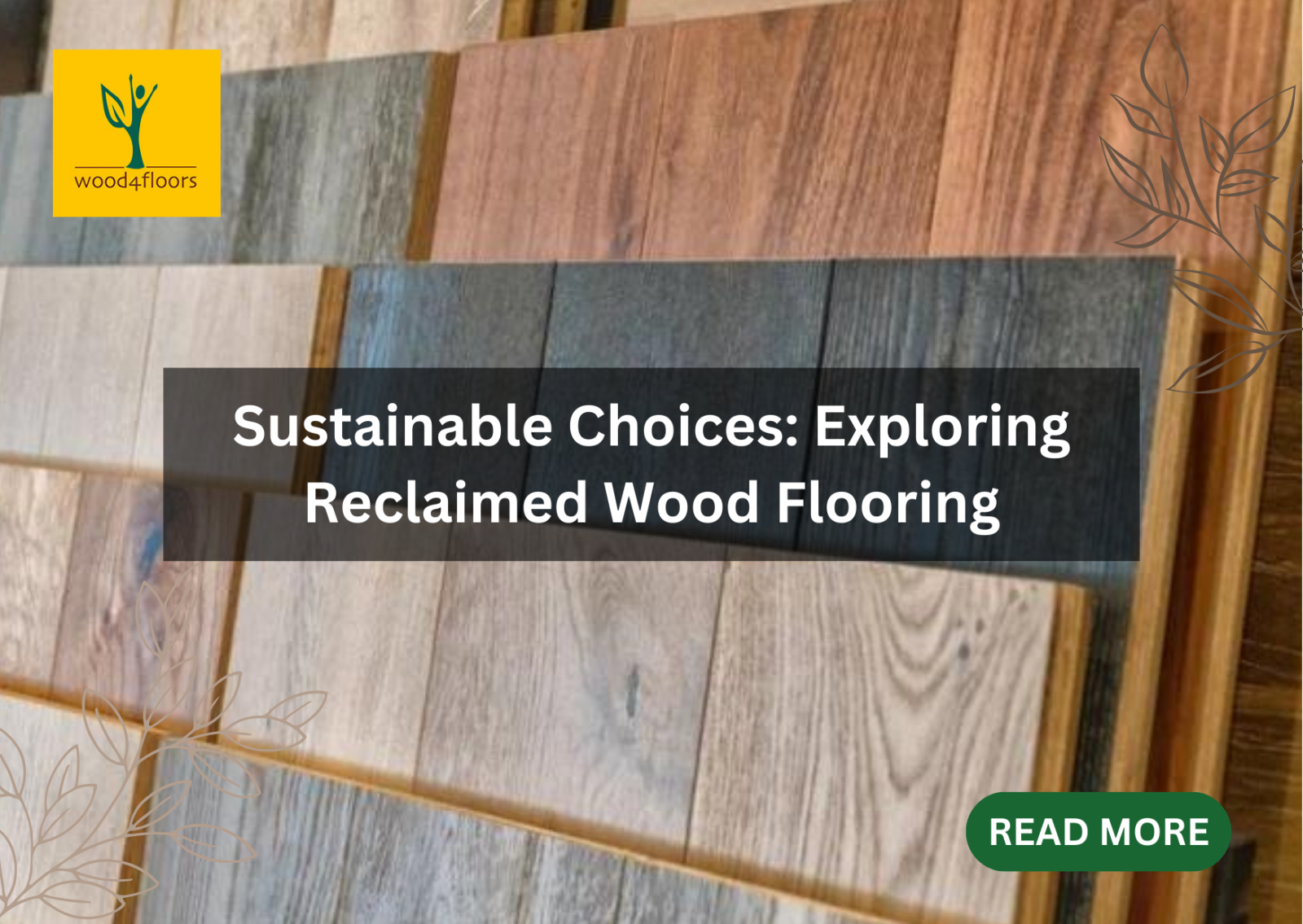
- Reclaimed and Recycled Wood: This is, in my opinion, one of the most sustainable options available. Think about it – wood salvaged from old barns, factories, or even sunken logs. It's giving new life to existing material, reducing demand for newly harvested timber, and often comes with incredible character and a story. The patina of age, the nail holes, the unique grain – it's just beautiful. Plus, it saves trees, which is a big win.
- Locally Sourced Timber: Reducing transportation is a huge part of being sustainable. If you can find wood from a forest or mill close to your home, you're cutting down on the carbon footprint associated with shipping. This often means working with smaller, independent mills, who are frequently deeply invested in sustainable practices within their own communities. It's worth asking around, engaging with local arborists, or looking for regional wood co-ops.
- Fast-Growing Species: Some wood species naturally grow faster than others, making them more quickly renewable. Think bamboo, cork, or even certain types of pine. While not always suitable for every application, they can be excellent choices for specific projects where a durable, slow-growing hardwood isn't strictly necessary. Bamboo, for instance, isn't technically wood, but its rapid growth and versatility make it a fantastic alternative for flooring and panels.
Practical Steps: Incorporating Sustainable Wood into Your Home
Alright, so you're ready to make the switch. How do you actually do it. It's simpler than you might think, but requires a bit of diligence.
- Educate Your Contractor/Builder: This is key. Don't assume they'll automatically use sustainable wood. Have the conversation early and clearly state your preferences. Ask them to source FSC or PEFC certified materials. Provide them with resources if needed. You're the client; your choices matter.
- Ask for Proof: Don't just take their word for it. Request documentation, like chain-of-custody numbers, to verify the certification. A reputable supplier will be happy to provide this. If they hem and haw, that's a red flag.
- Explore Alternatives: For some applications, you might find that highly sustainable alternatives like reclaimed wood or even innovative engineered wood products (made from recycled content) are better choices than new timber. Be open to these possibilities.
- Prioritize Durability and Longevity: A truly sustainable product is one that lasts. Invest in high-quality, durable wood that will stand the test of time, reducing the need for replacement and extending its lifespan in your home. This is often overlooked, but it's fundamentally important.
The Challenges and the Rewards of the Green Path
Let's be honest, choosing sustainable wood isn't always the easiest path. Sometimes, it might mean a slightly higher upfront cost, or a bit more effort in sourcing. Not every lumberyard carries a full range of certified products, and you might need to do a little digging. I've certainly had my share of challenges trying to find the perfect sustainable timber for a project in a remote area. But the rewards, my friends, far outweigh these minor hurdles.
Knowing that the beautiful floor you walk on, the sturdy table you gather around, or the inviting deck where you relax, came from a forest that was nurtured and respected – that's a feeling of profound satisfaction. It's a tangible connection to the natural world, a quiet act of stewardship. It's about building a home that's not just beautiful on the outside, but also holds a deep, green heart within.
Maintenance and End-of-Life: Extending Your Wood's Sustainable Journey
The sustainability story of your wood doesn't end when it's installed. How you care for it, and what happens to it at the end of its life, are equally important parts of its journey.
- Proper Maintenance: Keeping your wood in good condition extends its life, reducing the need for replacement. This means using appropriate cleaners, protecting it from excessive moisture or dryness, and addressing any issues promptly. A well-maintained wooden floor can last for decades, even centuries.
- Non-Toxic Finishes: When choosing finishes, stains, or sealants, opt for low-VOC (volatile organic compound) or natural options. These are better for your indoor air quality and less harmful to the environment when the wood eventually needs to be disposed of or recycled.
- Recycle or Repurpose: At the very, very end of its life in your home, consider how the wood can be recycled or repurposed. Can old flooring be used as wall cladding in another project. Can a discarded beam become a garden bench. The goal is to keep it out of landfills and continue its cycle of usefulness. I've seen some truly ingenious transformations of old wood; it's a testament to its inherent value and resilience.
Navigating the forest of sustainable wood for your home can seem like a daunting task at first, but with the right knowledge and a little determination, it becomes a clear and rewarding path. My hope is that this guide has demystified some of the complexities and empowered you to make choices that align with your values. Remember, every decision you make, from the smallest piece of trim to the largest structural beam, contributes to a larger story. It's a story of respect for our planet, for the communities that depend on these forests, and for the generations who will inherit them. Let's build homes that are not only beautiful and functional, but also deeply, authentically green. The forest is waiting, and so is a more sustainable future for us all.