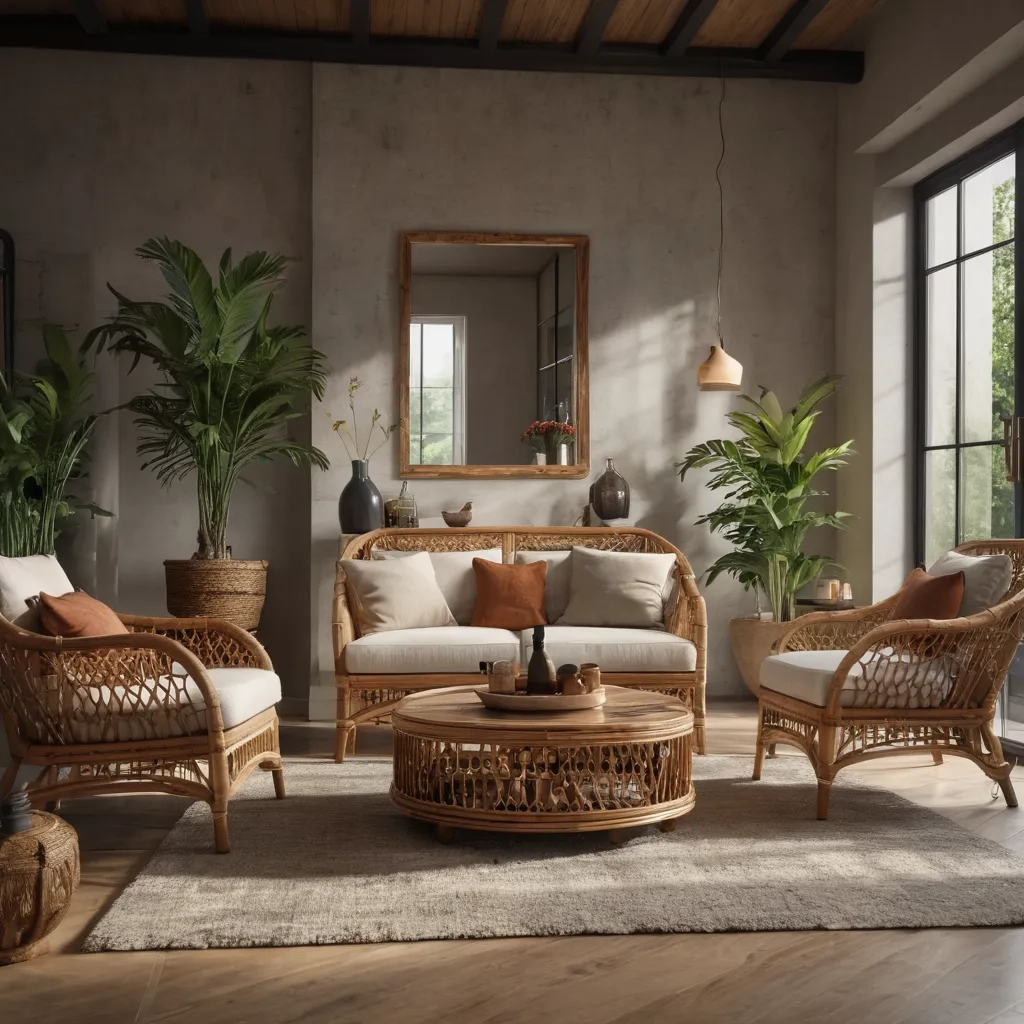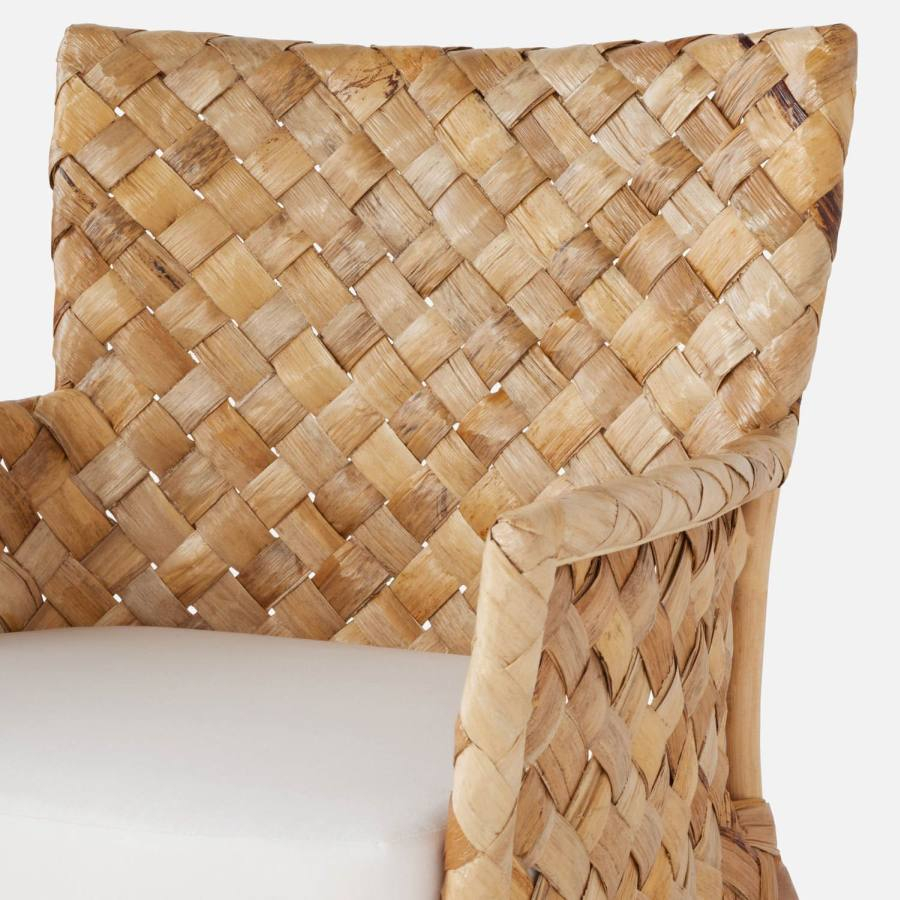
For years, we've seen rattan and banana leaf furniture gracing our homes, patios, and even high-end resorts. They bring a certain warmth, a touch of the natural world indoors. But beyond their aesthetic appeal, how 'green' are these pieces, truly? As someone who has spent decades digging into the nitty-gritty of sustainable materials and their supply chains, I can tell you, it's a fascinating, complex picture. It's not just about one thing, oh no, it's about a whole lot of things working together... or sometimes, not working so well.
The allure of rattan and banana leaf furniture is undeniable – their organic textures and artisanal craftsmanship resonate with a growing desire for natural, authentic home furnishings. Many of us instinctively assume these materials are inherently eco-friendly, a 'given' in the world of green living. And in many ways, they are. They come from plants, after all! But to truly understand their environmental footprint, we need to peel back the layers. We need to look at the entire lifecycle, from how they're grown and harvested, to how they're processed, shipped, and eventually, what happens when they're no longer needed. It's a journey, and every step leaves a mark, some visible, some hidden.
Rattan: The Forest's Gift and Its Delicate Balance
Rattan is a remarkable material, a climbing palm that thrives in tropical forests, primarily in Southeast Asia. Unlike timber trees, rattan grows incredibly fast and can be harvested without felling the entire plant, making it a highly renewable resource. This is a huge plus, right? It helps preserve the forest canopy and supports biodiversity. However, the story isn't quite so simple. The vast majority of rattan is wild-harvested, and while traditional methods are sustainable, increasing demand has led to over-harvesting in some regions. This pressure can degrade forest ecosystems, even leading to illegal logging when harvesters venture into protected areas. We also need to consider the processing. Raw rattan needs to be boiled, smoked, and dried – processes that can be energy-intensive and, if not managed properly, can generate air pollution or wastewater. Then there's the finishing: lacquers and varnishes, which might contain volatile organic compounds (VOCs), adding another layer to the environmental puzzle. The key here, and what I've seen in the field, is that responsible sourcing and processing are absolutely vital for rattan to maintain its 'green' credentials. Without that, even a renewable resource can become a burden.
Banana Leaf: A Byproduct with Big Potential and Unique Challenges
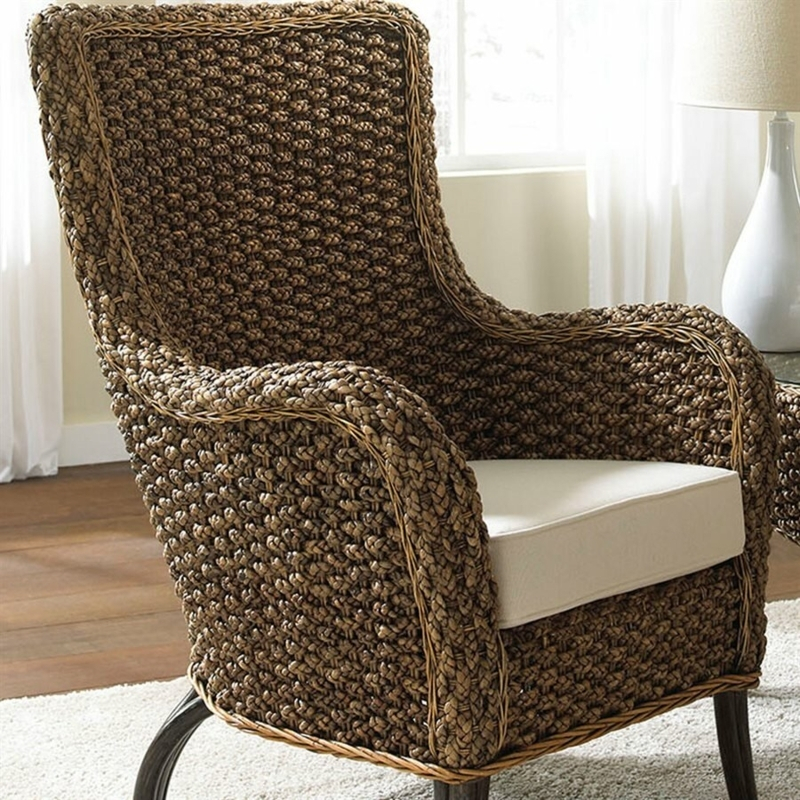
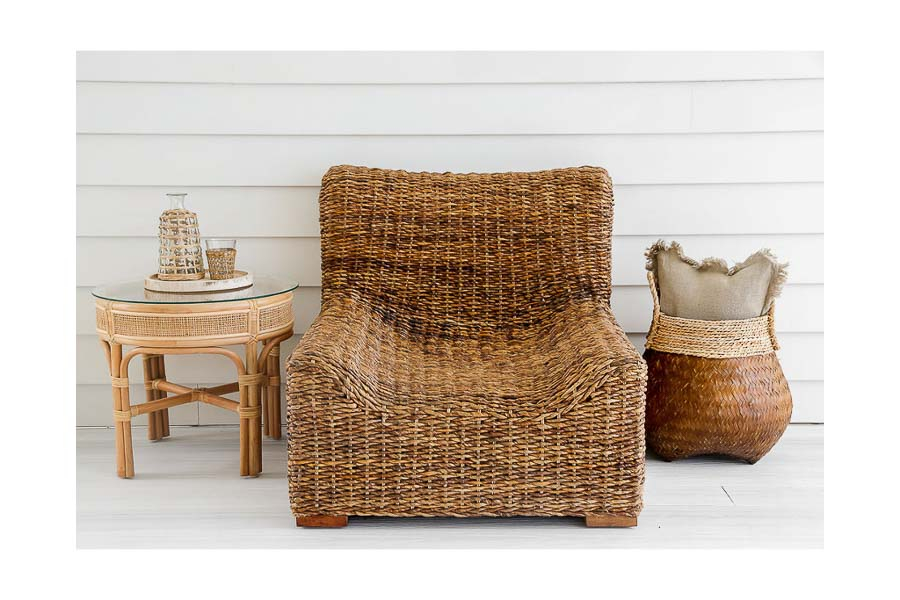
Banana leaves, on the other hand, offer a different kind of sustainability story. They are a byproduct of banana fruit cultivation, an agricultural waste product that would otherwise be discarded. This is a brilliant concept, turning what would be trash into treasure! Using banana leaves for furniture reduces waste and adds economic value to existing agricultural practices, which is fantastic for local communities. The leaves are typically sun-dried and then twisted or braided into ropes before being woven. This process is generally low-impact, requiring minimal energy and no harsh chemicals. However, there are still considerations. The large-scale cultivation of bananas often involves intensive farming practices, including the use of pesticides and fertilizers, which can impact soil and water quality. While the leaves themselves are a byproduct, the environmental footprint of banana farming needs to be acknowledged. Also, transporting bulky banana leaves, even dried ones, can contribute to carbon emissions, especially if they're shipped long distances. The real beauty of banana leaf furniture lies in its circularity – taking something that would be wasted and giving it a new, beautiful life. It's about maximizing resources, and that's a powerful idea. But, like with anything, it's not without its nuances.
The Supply Chain: Where the Rubber Meets the Road (or the Rattan Meets the Road)
One of the most significant, and often overlooked, aspects of the environmental footprint is the supply chain. Think about it: materials are harvested, processed, sometimes partially manufactured, then shipped, often across oceans, to workshops or factories, and then finally to retailers and your home. Each step involves transportation, packaging, and labor. The carbon emissions from shipping are substantial, particularly for bulky furniture. Packaging, too, can be a major source of waste. Are manufacturers using recycled content? Are they minimizing unnecessary plastic? These are the questions we, as experts, constantly ask. I've personally seen companies make incredible strides in optimizing their logistics and reducing packaging waste, but it's an ongoing challenge. Transparency in the supply chain is also crucial. Knowing where the materials come from, how they're handled, and the conditions under which people work, is essential for truly ethical and sustainable production. A 'green' product isn't just about the raw material, it's about the entire journey it takes to get to you.
Finishing Touches and End-of-Life: The Often-Forgotten Chapters
Once the furniture is woven, it often undergoes finishing treatments. As mentioned, for rattan, this can involve lacquers, paints, or stains. For banana leaf, it's usually more natural, but sometimes sealants are applied. The choice of these finishing materials can significantly impact the environmental footprint. Are they water-based and low-VOC, or are they petroleum-based and harmful? This is a critical point that many consumers don't even consider. Then, what happens at the end of the furniture's life? Can it be repaired? Reupholstered? Recycled? Or does it end up in a landfill? The beauty of natural materials like rattan and banana leaf is their biodegradability. If left untreated or treated with natural finishes, they can decompose back into the earth, completing a natural cycle. However, if they're loaded with synthetic glues, plastics, or harsh chemicals, their ability to biodegrade is severely compromised. Designing for longevity and encouraging repair and reuse are vital components of true sustainability in this industry. It's about creating a circular economy, not a linear one where things are just 'used and tossed'.
Innovations and the Path Forward: Brighter Horizons
The good news is that the industry isn't standing still. There's a growing awareness and a push for more sustainable practices. I've seen some incredible innovations. For rattan, this includes efforts to establish more managed plantations, which would take pressure off wild forests and ensure a consistent, sustainable supply. There's also research into more eco-friendly processing methods and natural, non-toxic finishes. For banana leaf, the focus is on expanding its use, perhaps even exploring different banana varieties for fiber quality, and ensuring that the agricultural practices supporting the banana industry become more sustainable overall. Companies are also investing in better supply chain management, using renewable energy in their factories, and designing furniture that can be easily disassembled for repair or recycling. Certification schemes are emerging, helping consumers identify products that meet specific sustainability criteria. It’s an exciting time, with a lot of dedicated people working to make these beautiful, natural materials even better for our planet. We're not perfect yet, but we're moving in the right direction, and that's something to be optimistic about.
So, what's the verdict on the environmental footprint of rattan and banana leaf furniture? They are, without a doubt, far more sustainable than many synthetic or heavily processed materials. Their natural origins, renewability, and potential for biodegradability give them a significant advantage. However, like any product, their true environmental impact depends on a multitude of factors: responsible sourcing, ethical manufacturing, efficient transportation, and thoughtful end-of-life management. As consumers, our choices matter. By asking questions, seeking out certified products, and supporting brands committed to transparency and genuine sustainability, we can help drive positive change. The story of rattan and banana leaf furniture is a compelling one, a testament to nature's bounty and human ingenuity. By understanding its ecological nuances, we can ensure that these beautiful, natural pieces continue to adorn our homes for generations, leaving a lighter, more harmonious footprint on our planet.