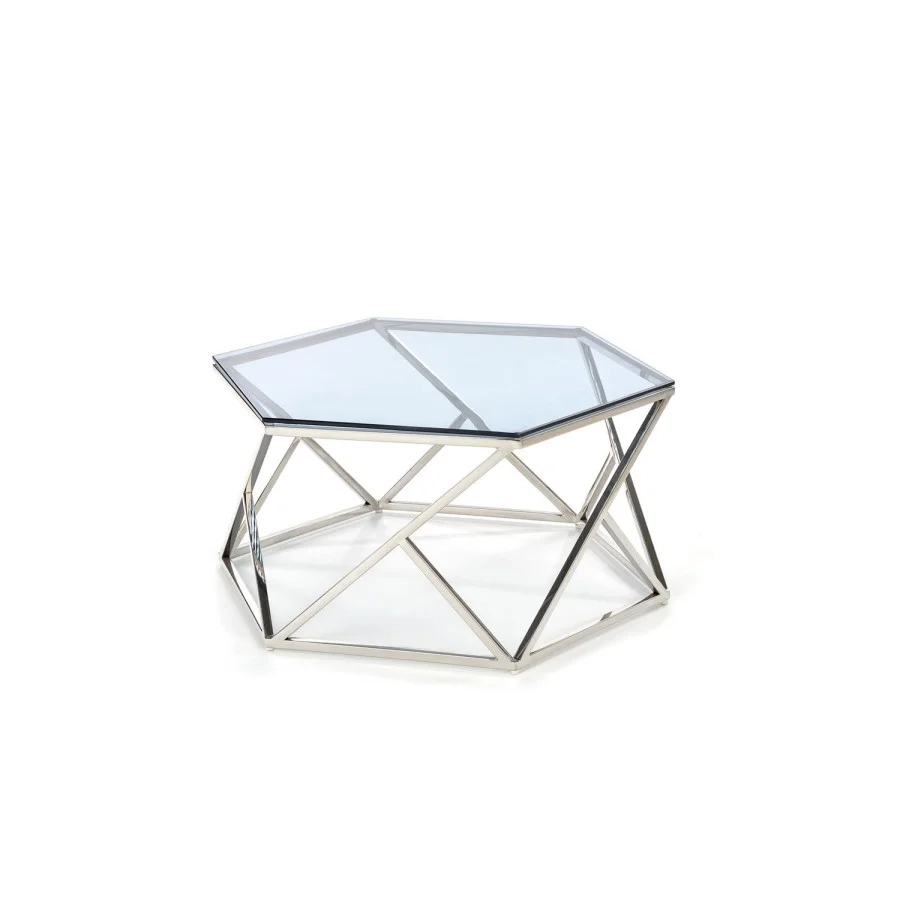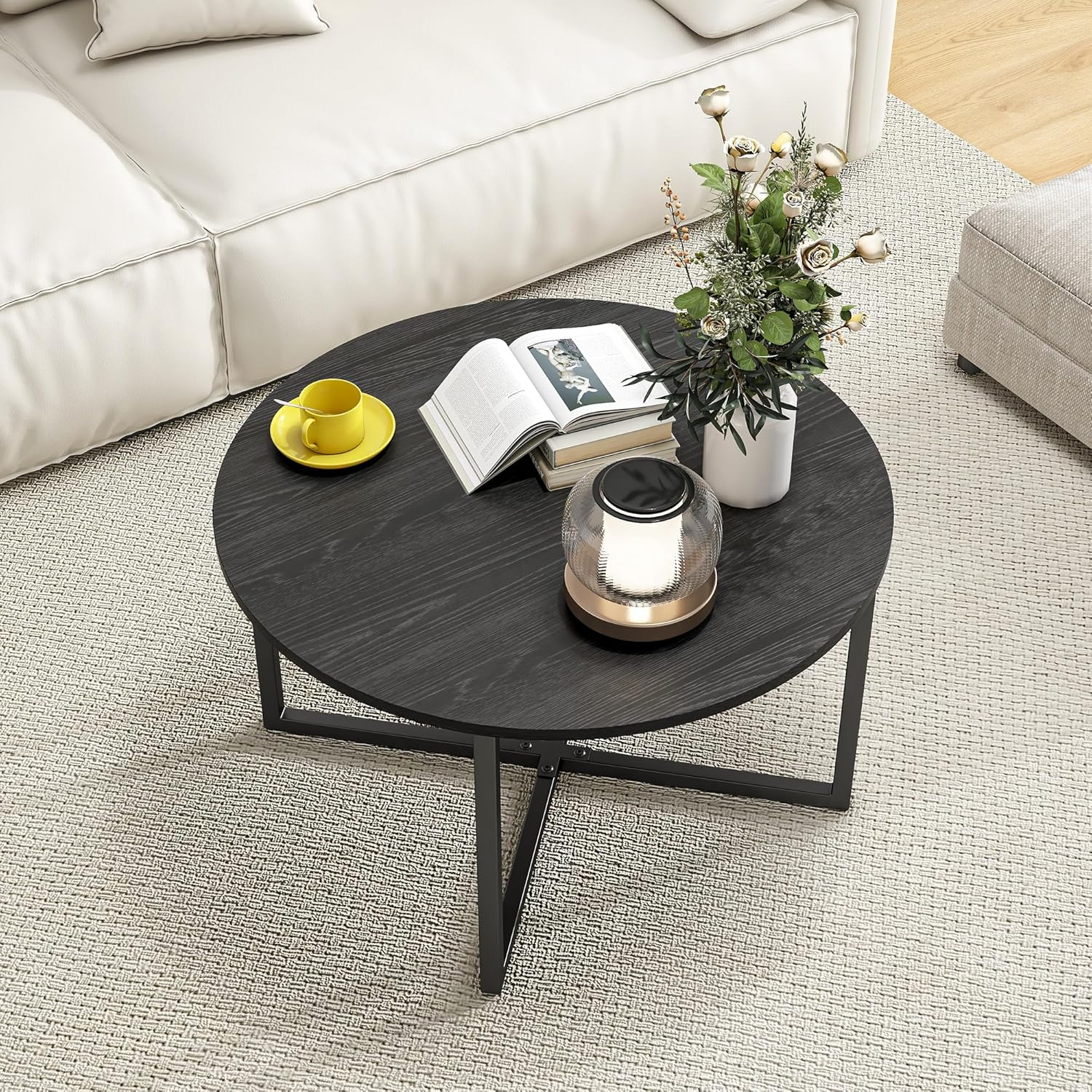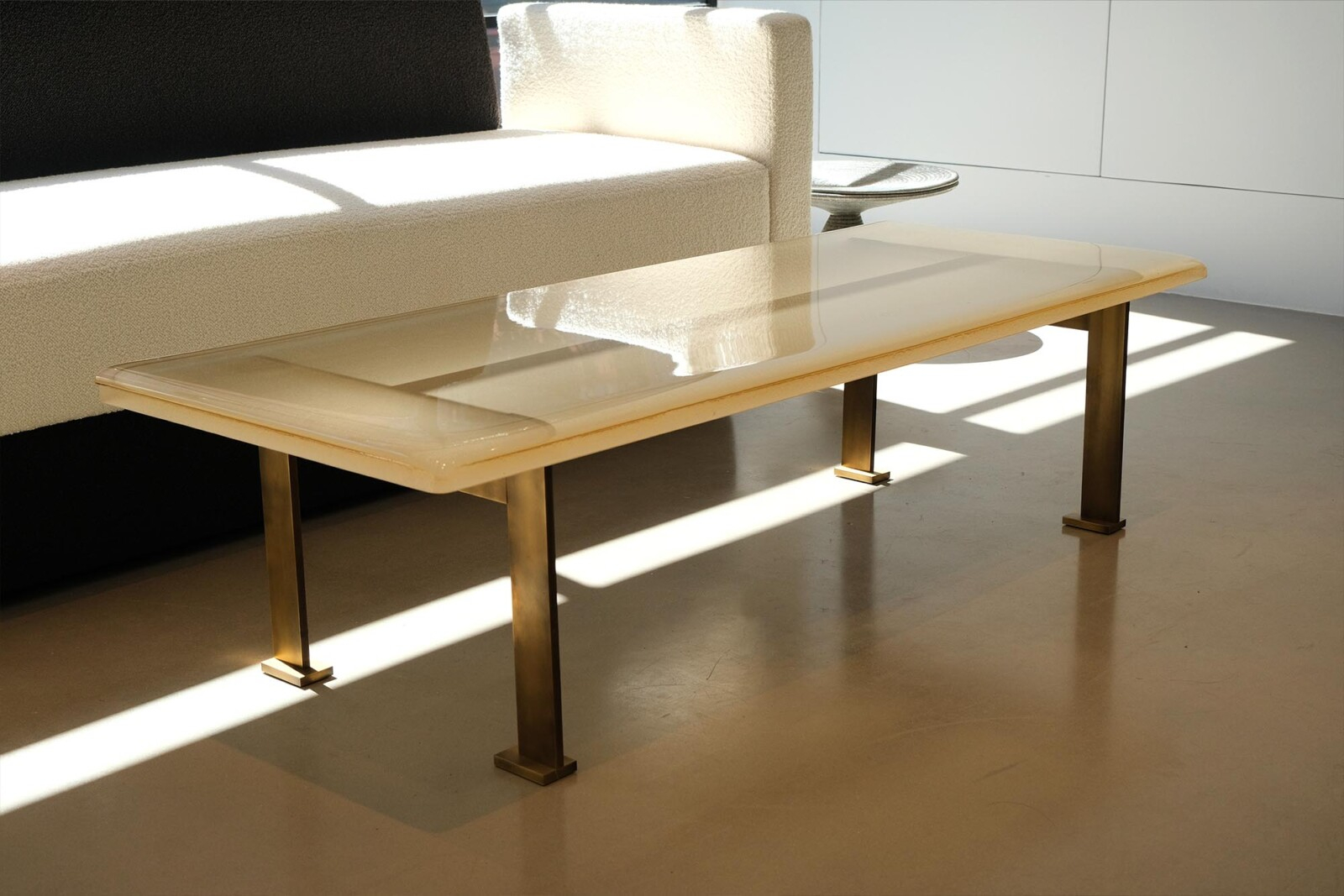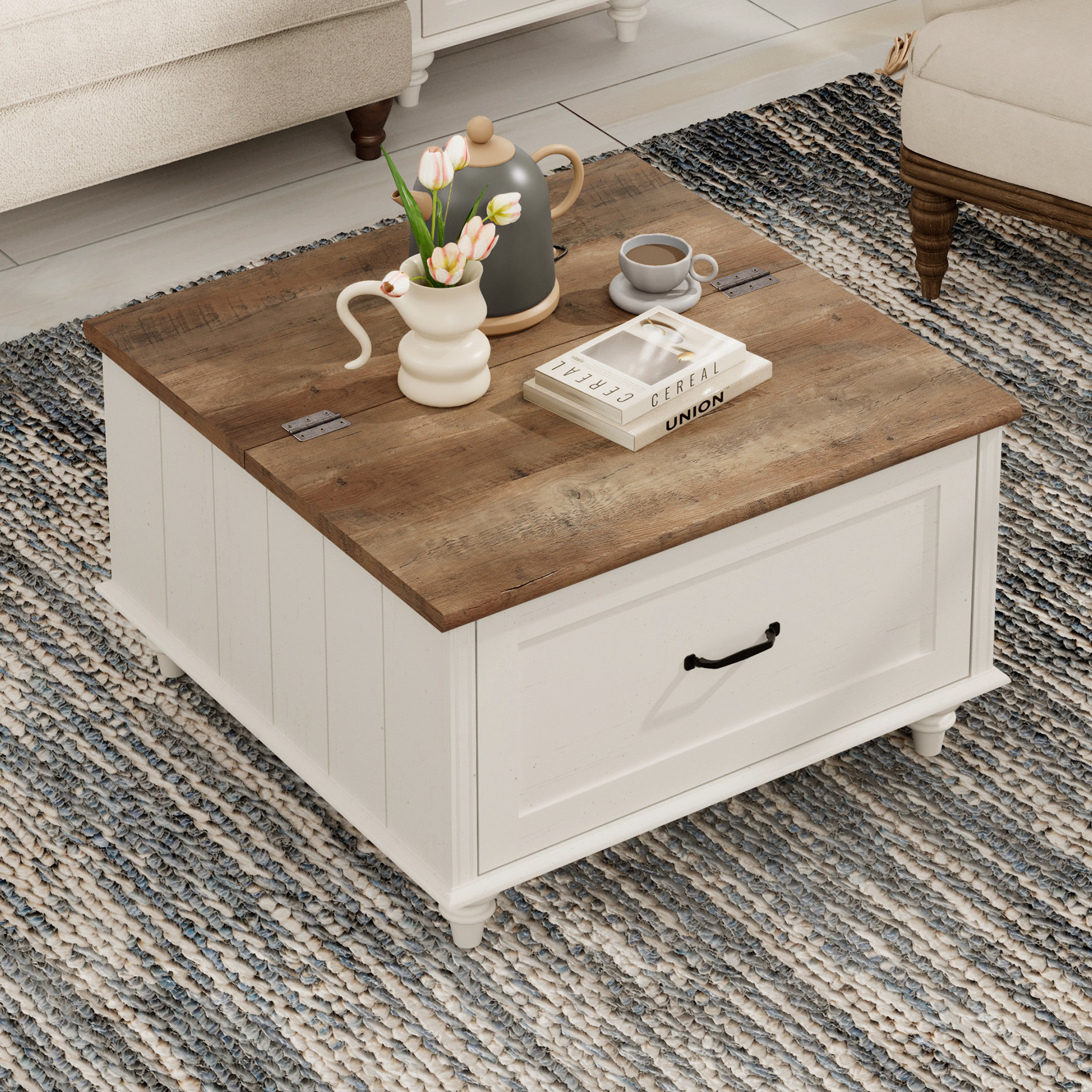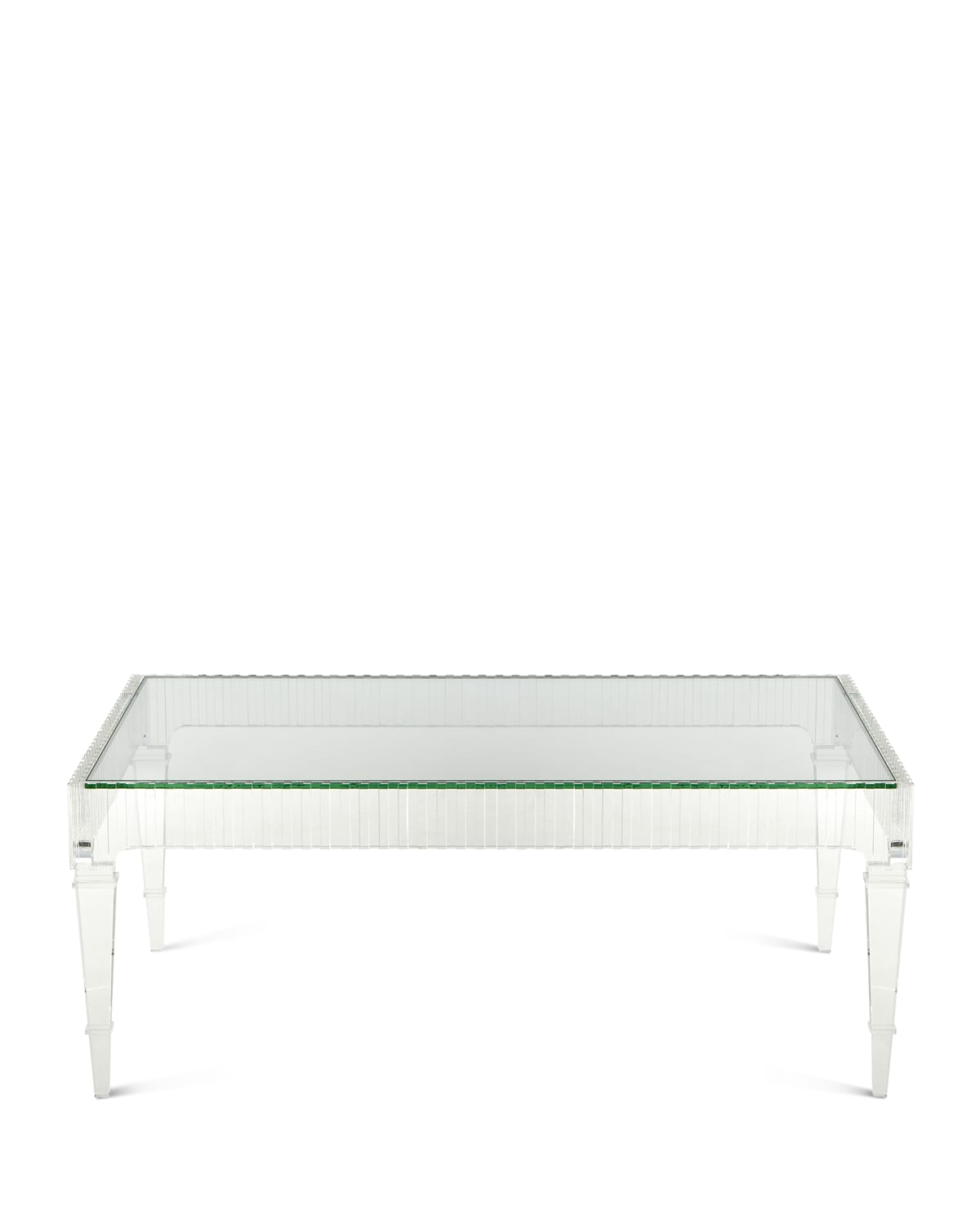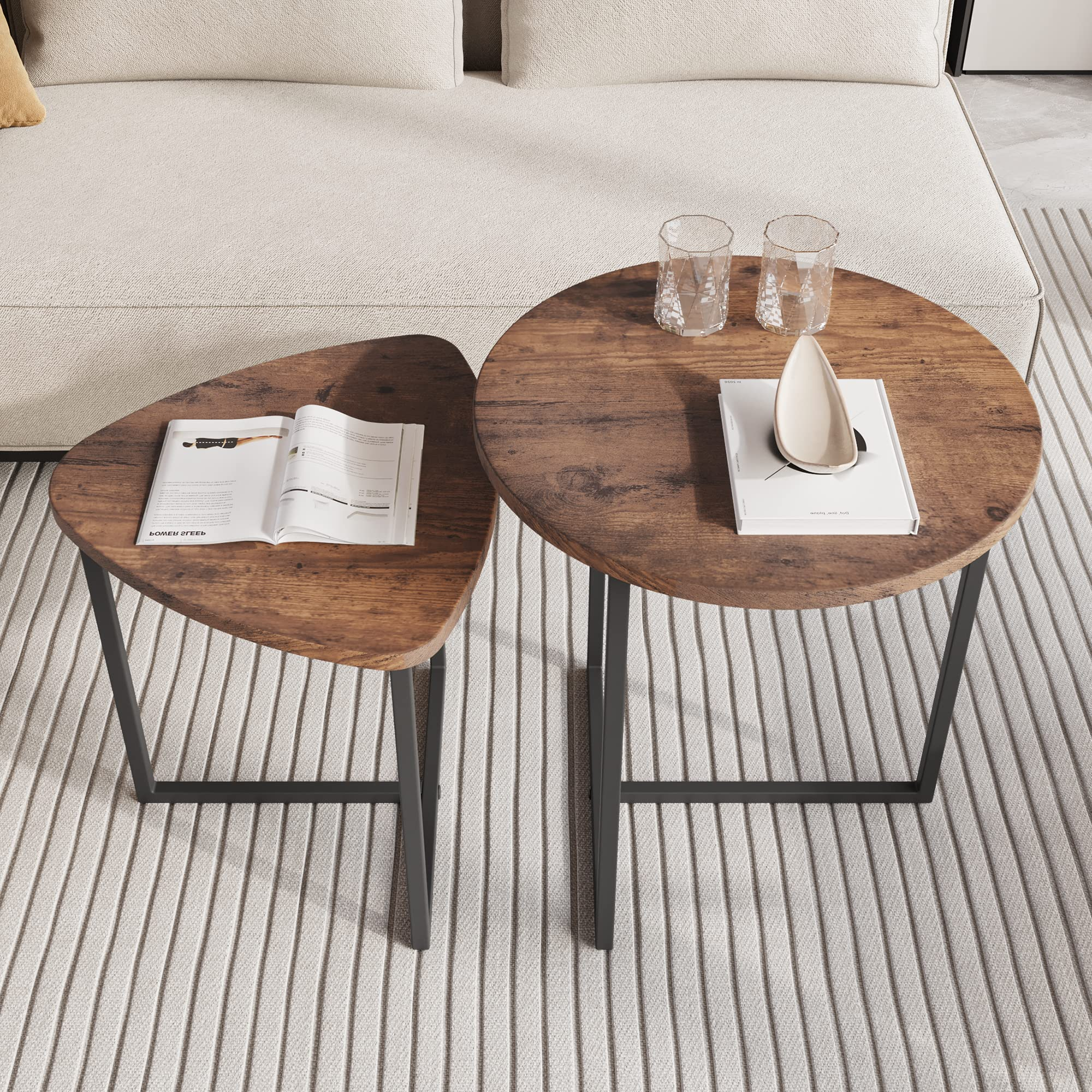
Have you ever wondered what really goes into making a piece of furniture that lasts? Not just something that looks good for a few months, but something that stands up to spills, bumps, and the everyday chaos of life. Today, we're taking a deep dive into the Cristina Metal Coffee Table, a piece that's become a bit of a benchmark in my world for its remarkable ability to endure. It's more than just a pretty face; it’s a masterclass in metalwork and thoughtful design, a true testament to durability.
In a world often obsessed with fleeting trends, the concept of durability can sometimes feel… well, a bit old-fashioned. But I'd argue it's more crucial than ever. When we bring a piece of furniture into our homes, we’re not just buying an object; we're investing in a part of our daily lives, a silent witness to countless moments. The Cristina Metal Coffee Table, with its sleek lines and sturdy build, embodies this perfectly. Its journey from a raw material to a central piece in your living room is a fascinating tale of engineering, material science, and a touch of artistic vision. It’s a story about how something can be both beautiful and incredibly tough, a real workhorse in disguise, if you will.
The Blueprint of Resilience: Design & Material Selection
It all begins long before any metal is cut. The durability journey of the Cristina table starts with its fundamental design. Every line, every curve, every joint is meticulously planned not just for aesthetics but for inherent strength. We're talking about structural integrity here, ensuring the table can withstand various forces without bending or breaking. And then there's the material itself. The Cristina table typically employs high-grade steel, often carbon steel, chosen for its exceptional tensile strength and resistance to deformation. This isn't just any metal; it's selected with purpose. Think about it – a weaker metal might look similar initially, but it won't hold up to the knocks and bumps of daily life. The choice of metal, often alloys for added properties like rust resistance, forms the very foundation of its longevity. It's like building a house; you start with the strongest possible foundation, right?
Forged in Fire: The Manufacturing Process
Once the designs are finalized and the materials selected, the real transformation begins. The manufacturing process for the Cristina table is a symphony of precision and controlled power. It often involves several key stages. First, precise cutting, frequently using laser technology, ensures perfectly shaped components. Then comes shaping, which might involve bending or pressing the metal into its desired form. Welding is a critical step, joining different parts together. Here, the quality of the weld is paramount – a poor weld is a weak point, a potential failure. Advanced welding techniques, like TIG or MIG welding, are used to create strong, seamless joins that are virtually indestructible. Surface preparation, like sandblasting, readies the metal for its protective coating. Each step is carefully monitored to ensure consistency and quality, because even a small flaw can compromise the table's overall strength.
The Protective Shield: Finishing & Coating
Raw metal, no matter how strong, is susceptible to environmental factors like moisture and oxygen, which can lead to corrosion. This is where the finishing process plays a vital role in the Cristina table’s durability. Powder coating is a popular choice, and for good reason. It involves applying a dry powder – a mix of finely ground particles of pigment and resin – electrostatically to the metal surface. The table then goes into a curing oven, where the powder melts and forms a smooth, durable finish. This coating isn't just for looks; it provides an incredibly tough, chip-resistant, and corrosion-proof barrier. It’s significantly more durable than traditional liquid paints and can withstand abrasions, chemicals, and even UV exposure, meaning your table won't fade or rust easily, even if it's near a sunlit window. This protective layer is what allows the table to maintain its appearance and structural integrity over years of use.
Rigorous Testing: Proving its Mettle
Before a single Cristina Metal Coffee Table leaves the factory, it undergoes a series of stringent quality control and durability tests. This isn't just a quick once-over; it's a comprehensive evaluation to ensure it meets the highest standards. Think about it: they're not just hoping it's strong, they're proving it. These tests might include weight-bearing tests, where significant loads are placed on the table to check for deflection or collapse. Impact tests simulate accidental bumps and knocks, ensuring the finish and structure hold up. There are also environmental tests, exposing the table to varying humidity and temperature levels to assess its resistance to rust and warping. These rigorous trials are essential. They catch any potential weaknesses before the table ever reaches your home, guaranteeing that when you finally unbox your Cristina, it's already passed the ultimate endurance challenge.
From Factory Floor to Family Fun: Life in Your Living Room
So, after all that meticulous design, precise manufacturing, protective coating, and rigorous testing, the Cristina Metal Coffee Table finally arrives in your living room. And this is where its true durability shines. It's not just about surviving transit; it's about thriving in a real-world environment. Think about the daily life of a coffee table: glasses clinking, remote controls dropping, perhaps even little ones attempting to climb or draw on it. The robust construction and resilient finish of the Cristina table mean it can shrug off these everyday assaults. Spills are easily wiped away, minor bumps leave no lasting marks, and its stable structure provides a reliable surface for everything from board games to impromptu meals. It’s designed to be used, not just admired – a true workhorse that seamlessly blends into your life, silently enduring while looking effortlessly stylish.
The Long Haul: Maintenance and Longevity
While the Cristina Metal Coffee Table is built for exceptional durability, a little care goes a long way in ensuring its very long lifespan. The good news is, it's incredibly low maintenance. Generally, a simple wipe-down with a damp cloth is all that's needed to keep it looking pristine. For tougher marks, a mild, non-abrasive cleaner can be used. Avoiding harsh chemicals or abrasive scrubbing pads is key, as these can damage the protective powder coating over time. Periodically checking the leg connections for any looseness and tightening them if necessary will also maintain its stability. This minimal effort ensures that the table continues to perform beautifully, retaining its aesthetic appeal and structural integrity for decades. It's a testament to good design and quality materials that such a robust piece requires so little to continue serving as a central, reliable fixture in your home.
The journey of the Cristina Metal Coffee Table, from its foundational design and material selection through its precise manufacturing, protective finishes, and rigorous testing, culminates in a piece of furniture that isn't just functional or attractive; it's genuinely durable. In an age where disposability often seems inherent, the Cristina table stands as a powerful reminder of the value of well-made goods. It's an investment in longevity, a piece that can withstand the rigors of daily life and become a cherished part of your home for years, even generations. Understanding this journey helps us appreciate not just the table itself, but the commitment to quality and resilience that makes it an enduring presence in our living rooms. It's not just metal and design; it's a promise of lasting utility and beauty.