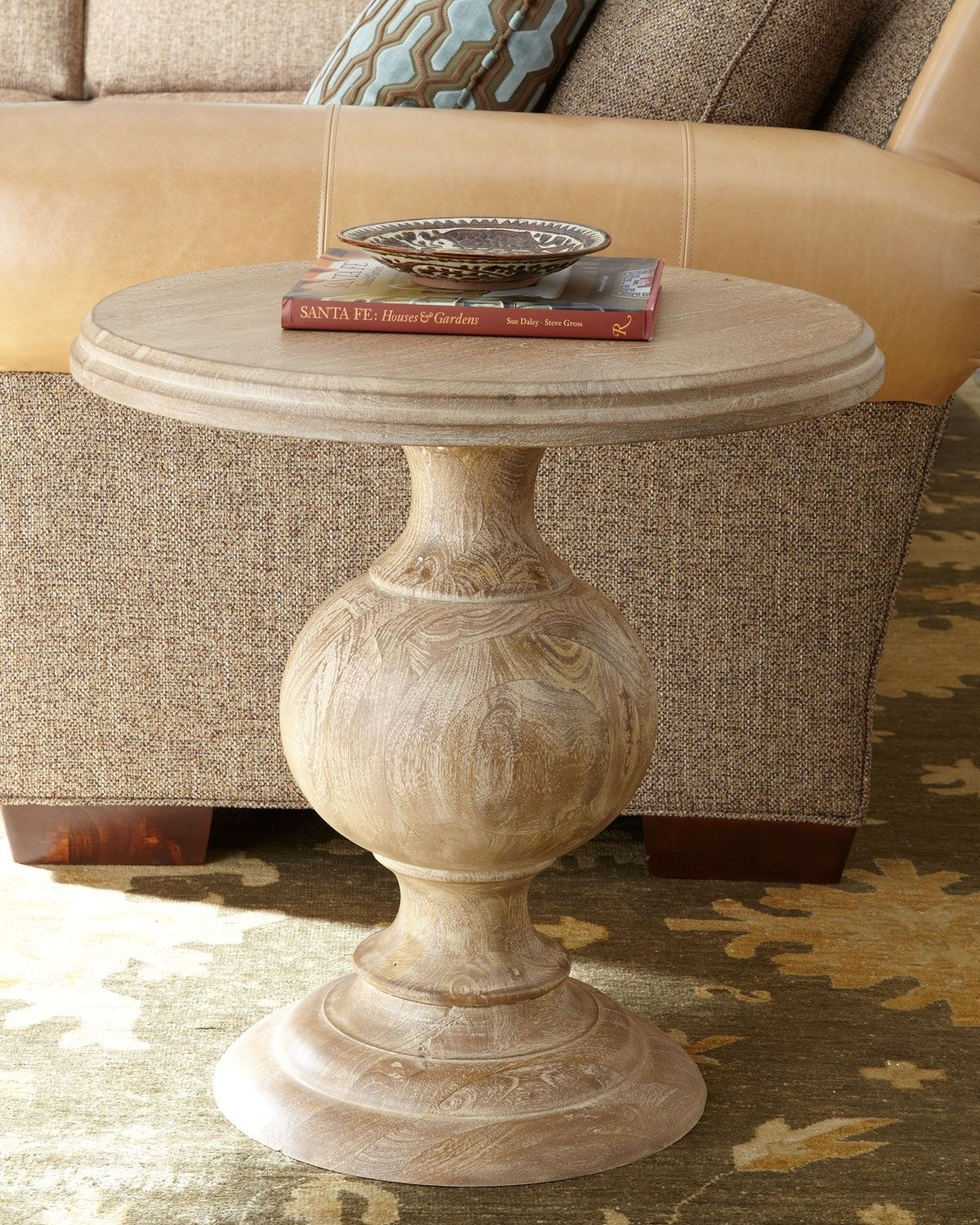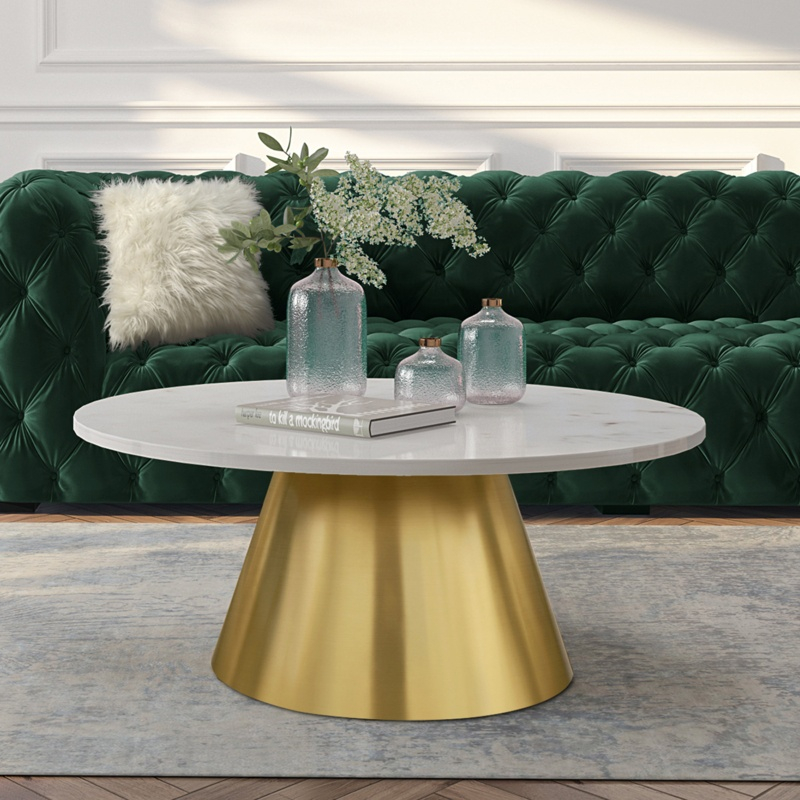
Antique gold coffee tables are more than just furniture; they're pieces of history, each with a story waiting to be discovered. Their shining surfaces and elegant designs have graced living rooms for centuries, captivating everyone who sees them. But have you ever wondered what secrets lie beneath that shimmering exterior? This article will dive into the world of antique gold coffee tables, exploring the materials, crafting methods, and the fascinating stories they hold. We will uncover how to spot a real antique, appreciate the craftsmanship, and understand their value. Get ready to see these beautiful tables in a whole new light. And, you know, it's quite a journey.
The world of antique furniture is a fascinating one, filled with treasures waiting to be uncovered. Among these, antique gold coffee tables hold a special place. They are a symbol of sophistication, often reflecting the style and taste of their era. But understanding these tables requires going beyond their beautiful appearance. This guide will help you, step-by-step, decode the materials and craftsmanship that make these tables so valuable and so interesting. We'll explore the woods used, the gold application techniques, and the tells that separate the real deals from the imitations. Prepare to become a more informed collector, a better appraiser, and a true admirer of these timeless pieces.
Unmasking the Materials: The Foundation of Beauty
The first step in understanding an antique gold coffee table is to identify the materials. The base, or the structure, is usually made of hardwood. Common choices include mahogany, walnut, and oak, prized for their durability and ability to be shaped. These woods provide a solid foundation, and the choice of wood can often give you clues about the table's origin and age. For example, mahogany was particularly popular during the Georgian period.
Then, there is the gold itself. True antique gold coffee tables were rarely made entirely of solid gold, as that would be incredibly expensive and impractical. Instead, the gold is usually applied in one of two ways:
- Gilding: This involves applying thin sheets of gold leaf to the surface, often over a layer of gesso (a primer made from chalk and glue). It’s a delicate process, and the quality of the gilding can significantly impact the table's value. Look closely for any imperfections or signs of wear, which can indicate the age and originality of the table.
- Gold paint: This option uses paint that contains gold pigments. It's less expensive than gilding, and it was often used for less expensive pieces.
Also, don't forget the often-overlooked details, such as the hardware (handles, hinges), and the decorative elements. These can be made from various materials, from bronze to ormolu (a gilded bronze). These elements, along with the wood, are crucial to understanding the table's overall value. And, you know, it is important to keep this in mind.
Deciphering the Construction: A Look at the Craftsmanship
The construction of an antique gold coffee table is a testament to the skill of the artisans who created it. Understanding the methods used can help you determine authenticity and appreciate the table's quality. Here's what to look for:
- Joinery: Examine how the pieces of wood are joined together. Dovetail joints, mortise and tenon joints, and other complex joinery methods are signs of high-quality craftsmanship. These methods were used to make the furniture last.
- Carvings and Ornamentation: Many antique gold coffee tables feature intricate carvings and decorative details. These were often done by hand and can vary greatly in style, reflecting the period in which the table was made.
- Gold Application: As mentioned before, the way the gold is applied is crucial. Check for any signs of bubbling, cracking, or wear, which can indicate the table's age and the method used.
- Overall Condition: The table's condition speaks volumes. Look for signs of wear and tear that are consistent with its age, such as scratches, dents, or fading. These can actually add to the table's appeal and value, as they tell a story of its past. Be aware of any repairs, and make sure they are authentic and appropriate for the table's age.
Spotting the Fakes: Protecting Your Investment
Unfortunately, the market is filled with reproductions and fakes. Knowing how to spot these is crucial for protecting your investment. Here are some red flags to be aware of:
- Modern Materials: Be wary of tables made with modern materials, such as particleboard or MDF (medium-density fiberboard). These materials were not used in antique furniture.
- Machine-Made Details: Look closely at any carvings or ornamentation. If they appear too perfect or uniform, they may be machine-made, which is a sign of a reproduction.
- Poor Gilding: The gilding on genuine antique tables will show signs of age and wear. If the gold looks too bright and new, it may be a recent application.
- Inconsistent Construction: Check the joinery and construction methods. If the table's construction is sloppy or uses modern techniques, it's likely not an authentic antique.
- Price: As with any antique, price can be a good indicator. If something seems too good to be true, it probably is. Research the market value of similar tables before making a purchase. And don't forget that a bit of doubt can save you from a bad investment.
Dating Your Table: Uncovering the Period and Style
Dating an antique gold coffee table is a fun process that helps you understand its history and value. Several clues can help you determine when the table was made:
- Style: Different periods had distinct styles. For example, tables from the Rococo period (mid-18th century) often have elaborate carvings and curved lines, while those from the Neoclassical period (late 18th century) are more symmetrical and restrained.
- Hardware: The type of hardware used (handles, hinges, etc.) can also provide clues. The style and materials used in hardware evolved over time.
- Construction Methods: The joinery and construction techniques can also help you narrow down the date. Older tables will often use more traditional methods.
- Marks and Labels: Some tables have maker's marks or labels that can help you identify the manufacturer and the date of production.
- Research: Consult books, online resources, and antique dealers to learn more about the period and style of your table. This will help you understand its history and value. And, you know, it is like a treasure hunt.
Caring for Your Treasure: Preserving the Beauty
Proper care is essential for preserving the beauty and value of your antique gold coffee table. Here are some tips:
- Cleaning: Dust your table regularly with a soft cloth. Avoid using harsh chemicals or abrasive cleaners, which can damage the gold leaf or finish. Use a mild soap and water solution for cleaning if needed.
- Protection: Protect your table from direct sunlight, which can fade the finish. Avoid placing hot or wet items directly on the table's surface.
- Humidity: Maintain a consistent humidity level in your home to prevent the wood from drying out or warping.
- Professional Restoration: If your table needs repair, consult a professional furniture restorer who specializes in antiques. They can restore your table to its former glory without damaging its value.
- Regular Inspection: Inspect your table regularly for any signs of damage or wear. Addressing any issues promptly can prevent them from getting worse. You can also think of this as an investment.
The Value of Gold: More Than Just Monetary
The value of an antique gold coffee table goes beyond its monetary worth. These tables represent a connection to the past, a symbol of craftsmanship, and a testament to the enduring beauty of design.
- Historical Significance: Owning an antique gold coffee table means owning a piece of history. Each table has a story to tell, from the artisans who crafted it to the homes it has graced.
- Artistic Merit: These tables are works of art, showcasing the skills of master craftsmen. The intricate carvings, the delicate gilding, and the elegant designs are all testaments to the artistry of the time.
- Investment Potential: Antique furniture can be a sound investment, as its value often increases over time.
- Personal Connection: Owning an antique gold coffee table can create a sense of connection to the past and a feeling of pride in owning a unique and beautiful piece of furniture. It adds a touch of elegance and sophistication to any home. And, you know, it is about more than just money.
Deciphering the materials and construction of antique gold coffee tables is a journey into the past, revealing the artistry, craftsmanship, and history behind these beautiful pieces. By understanding the materials, construction methods, and potential pitfalls, you can become a more informed collector and a better appraiser. Remember to look beyond the surface, appreciate the details, and enjoy the stories that these timeless treasures have to tell. The more you learn, the more you'll appreciate the enduring appeal of antique gold coffee tables. They are not merely furniture; they are windows into the past, offering a glimpse of the elegance and sophistication of bygone eras. And, you know, it's a journey well worth taking.