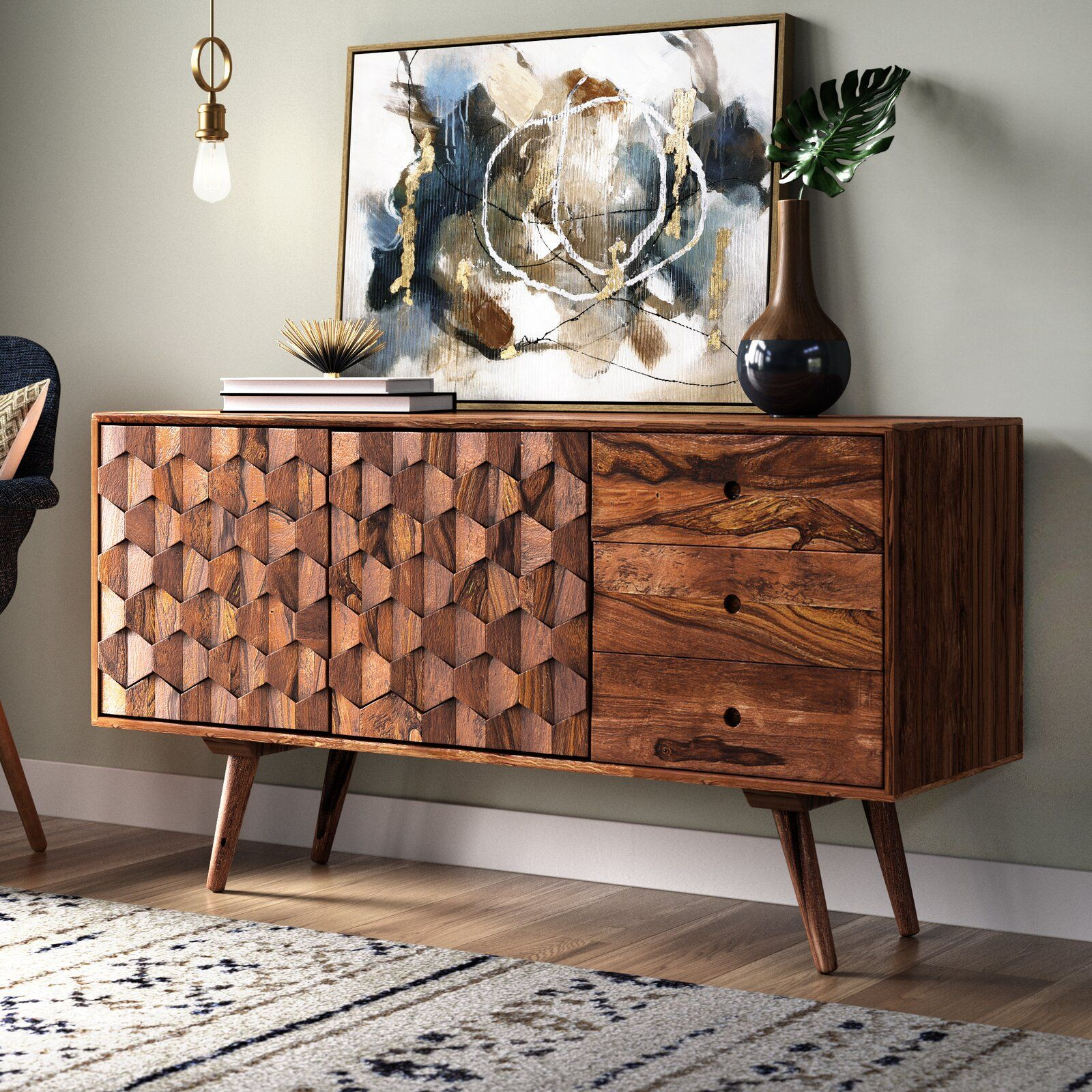
Ever feel like your space is missing that something? That special touch that whispers personality and tells a story. Often, it's the unexpected pieces that truly make a house feel like a home. And when it comes to adding character and function, few items do it quite like a patchwork sideboard. It’s a statement piece, a conversation starter, and a brilliant way to inject a dose of bohemian flair or eclectic sophistication into any room.
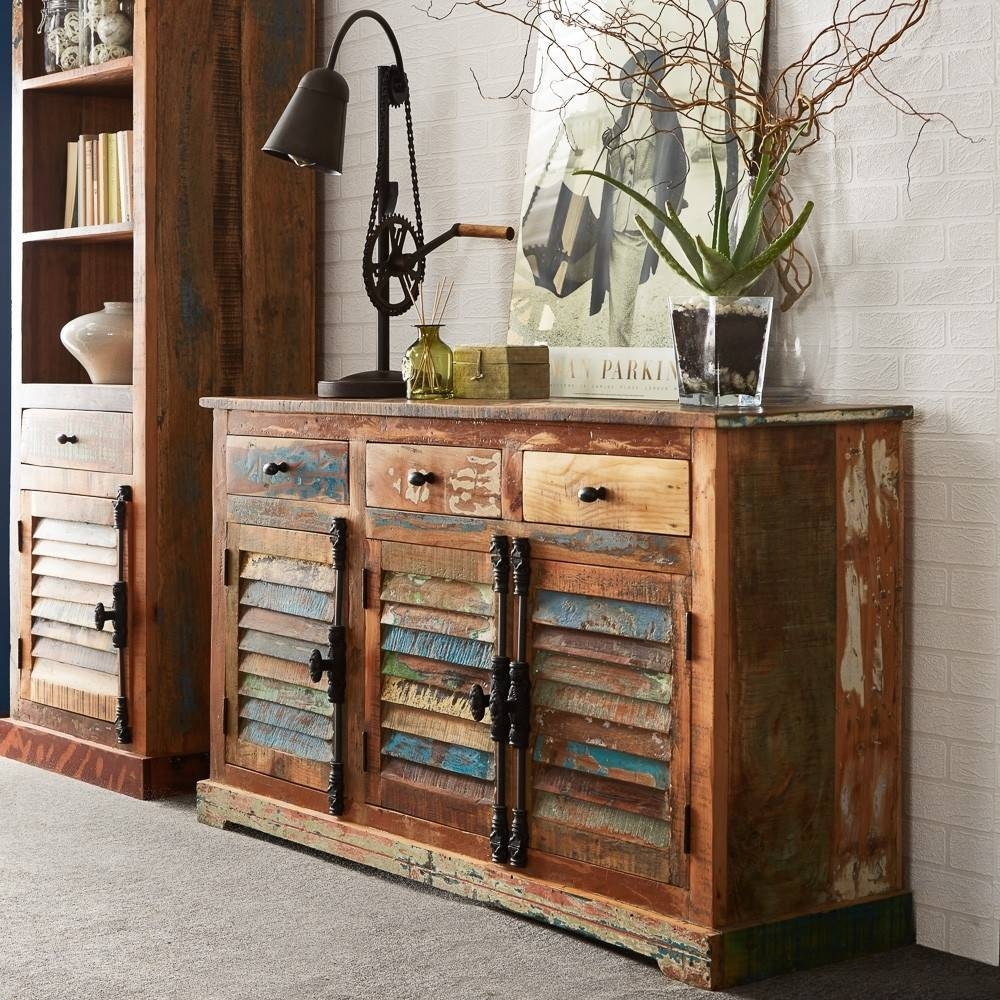
Let's talk about sideboards. Traditionally, they're functional pieces of furniture, perfect for stowing away dishes or displaying treasured items. But a patchwork sideboard? That's where things get really interesting. Imagine a piece crafted from an assortment of different materials, colors, and patterns – perhaps reclaimed wood scraps, vintage textiles, or even repurposed metal elements – all artfully pieced together. It’s this deliberate mosaic of textures and hues that gives it its distinctive charm. It’s not just furniture; it’s a work of art that brings a unique blend of history and artistry to your living space. Ready to see how this eclectic gem can elevate your home?
Understanding the Patchwork Aesthetic
Before we dive into styling, it's helpful to understand what defines a patchwork sideboard. Think of it like a quilt, but for furniture. Artisans or designers combine disparate elements to create a cohesive, yet wonderfully varied, whole. This might mean:
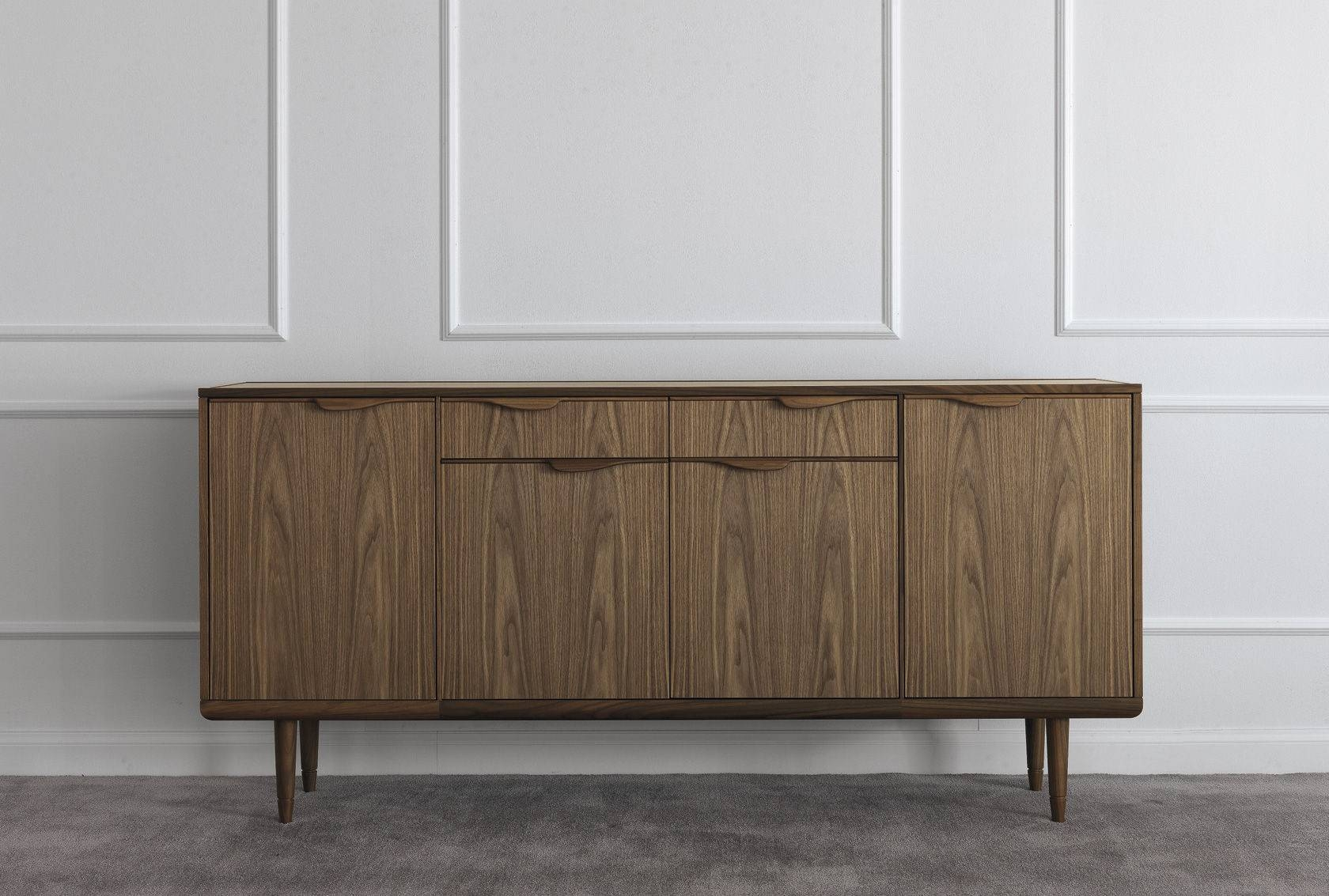
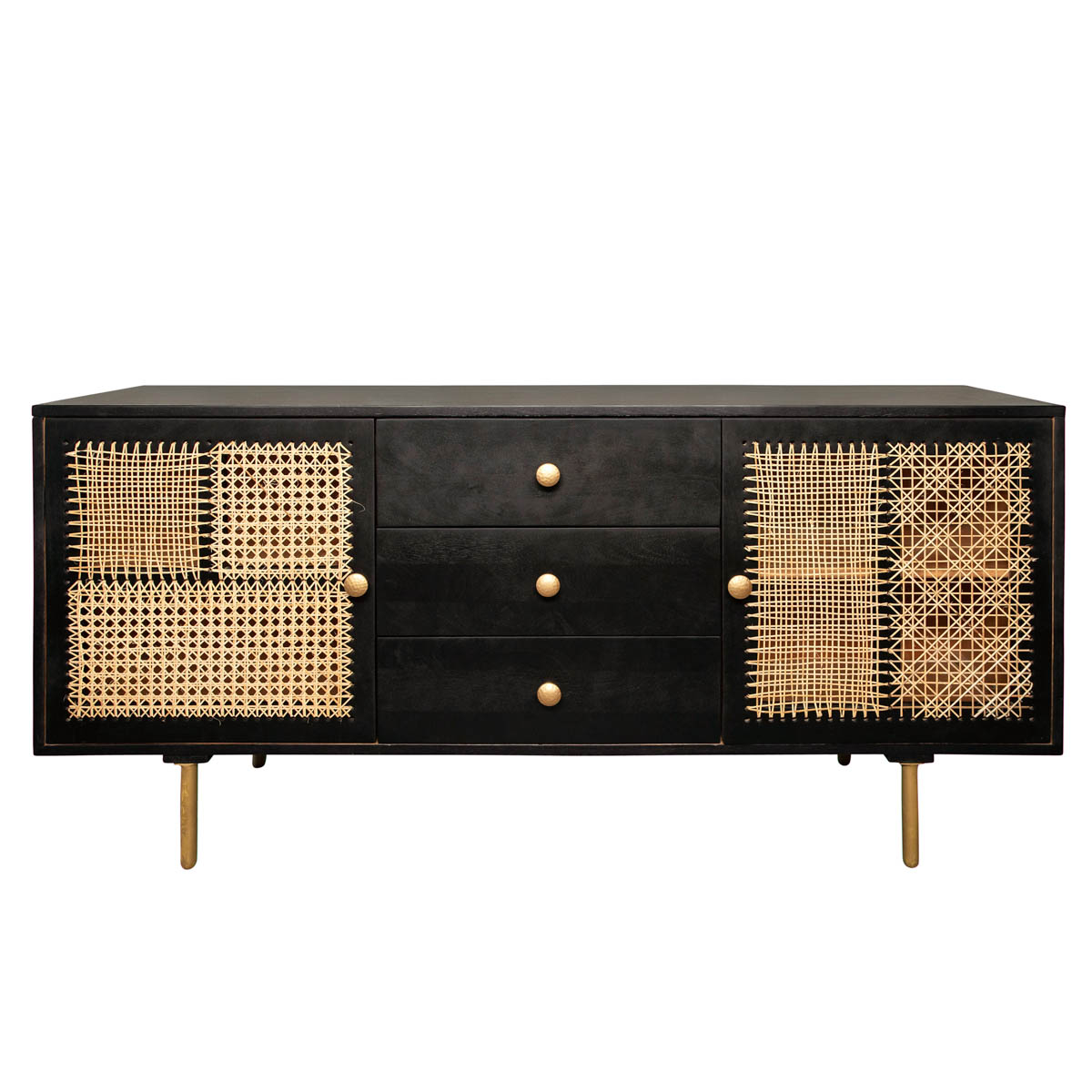
- Mixed Materials: You could find sideboards featuring a blend of different woods, like oak and walnut, or even incorporating metal, leather, or fabric accents.
- Varying Textures: Smooth polished wood might sit alongside rougher, distressed finishes, creating a tactile richness.
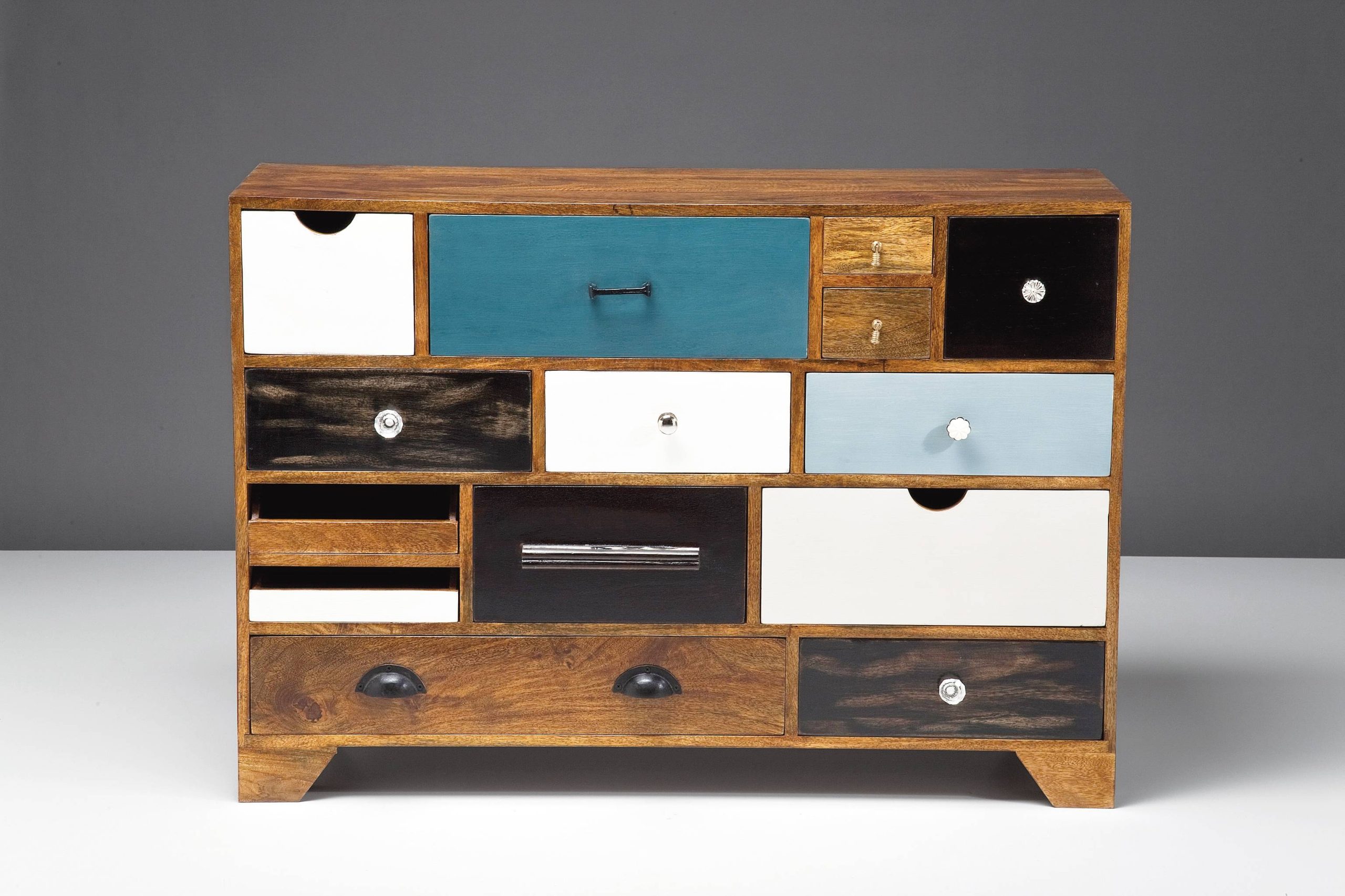
- Color Play: Patchwork pieces often embrace a spectrum of colors, from muted, earthy tones to bold, vibrant hues, all working together harmoniously.
- Pattern Integration: Different patterns, whether geometric, floral, or abstract, can be woven into the design, adding visual depth.
This intentional eclecticism means each patchwork sideboard is truly one-of-a-kind. It’s a celebration of imperfection and individuality, and that’s precisely its appeal.
Where to Place Your Patchwork Powerhouse
The beauty of a patchwork sideboard is its versatility. It can anchor a room or add a surprising flourish to an unexpected corner. Here are a few ideas:
- Living Room Focal Point: Place it against a wall and let it command attention. It’s perfect for storing media essentials, books, or even your collection of board games.
- Dining Room Statement: Use it as a stylish buffet or credenza. Imagine it laden with serving dishes for your next gathering. It can hold dinnerware, linens, and extra cutlery.
- Bedroom Storage: In a larger bedroom, it can serve as a chic dresser alternative, offering ample space for clothes and accessories.
- Entryway Welcome: A well-placed patchwork sideboard near your front door can greet guests with style, providing a surface for keys, mail, and decorative items.
- Hallway Hero: Long hallways can sometimes feel bare. A slim patchwork sideboard can add warmth and visual interest, breaking up the monotony.
Styling Strategies: Balancing the Bold
A patchwork sideboard is inherently a statement piece, so the key to styling it is balance. You want to let it shine without overwhelming the rest of your decor. Here’s how:
- Keep It Simple Around It: If your sideboard is a riot of color and pattern, consider a more neutral palette for your walls and surrounding furniture. Think soft grays, creams, or muted earth tones. This allows the sideboard to be the star.
- Echo a Color: Pick out one or two dominant colors from the sideboard and use them as accents elsewhere in the room. This could be through throw pillows, a rug, or artwork, creating a sense of cohesion.
- Embrace Contrasting Textures: Pair the varied textures of the sideboard with softer, more uniform textures. For example, a plush rug, smooth velvet cushions, or sleek metal accents can create an interesting interplay.
- Don't Be Afraid of Eclectic Pairings: While neutrality works, don't shy away from pairing your patchwork piece with other unique items. Think vintage finds, modern art, or plants – the more personality, the better, as long as there's a sense of intention.
It’s all about creating a dialogue between your sideboard and the rest of your space.
Accessorizing Your Patchwork Treasure
The top of your sideboard is prime real estate for showcasing your personal style. What you place there can either complement or compete with the piece itself. Here are some ideas:
- Curated Collections: Display items you love – a stack of art books, a vintage camera, a few cherished ceramic pieces. Group items in odd numbers (three or five) for a more visually appealing arrangement.
- Vary Heights and Shapes: Mix tall items like vases or lamps with shorter objects like bowls or decorative boxes. This creates visual dynamism.
- Mirror Magic: A well-chosen mirror above the sideboard can amplify light and make the space feel larger, while also providing a practical spot for a last-minute check.
- Greenery Galore: Plants, whether real or faux, add life and a touch of nature. A trailing plant can soften the edges of a bold sideboard.
- Lighting is Key: Consider a stylish table lamp to add ambient light and warmth, especially in the evenings.
Resist the urge to clutter. A few well-chosen pieces will have more impact than a multitude of small items.
Material Matters: Choosing Your Patchwork
The materials used in your patchwork sideboard will significantly influence its overall feel and how it integrates into your home. Consider these common approaches:
- Reclaimed Wood: This is a very popular choice, offering a rustic and sustainable charm. The variations in wood grain, color, and even nail holes add character.
- Upholstered Panels: Some sideboards feature fabric or leather panels, often in different patterns or textures, adding a softer, more luxurious feel.
- Metal Accents: Incorporating different types of metal, like hammered copper, brushed steel, or antique brass, can add an industrial or bohemian edge.
- Painted or Lacquered Sections: Brightly colored or contrasting lacquered sections can make a sideboard feel more contemporary and playful.
Think about the existing style of your home. A reclaimed wood patchwork sideboard might fit beautifully in a farmhouse or bohemian setting, while one with metal and lacquer elements could suit a more modern or eclectic industrial space.
Maintenance and Longevity
Caring for a patchwork sideboard is much like caring for any other piece of furniture, but with a little extra attention to its unique composition.
- Dust Regularly: Use a soft, dry cloth to wipe away dust. For surfaces with intricate details or varied textures, a soft brush or a slightly damp cloth might be more effective.
- Protect from Moisture: Be mindful of spills and use coasters for drinks. Prolonged exposure to moisture can damage wood and other materials.
- Avoid Direct Sunlight: Just like most wood furniture, excessive direct sunlight can cause fading and damage over time.
- Check Fixings: If your sideboard has moving parts like drawers or doors, periodically check that hinges and handles are secure.
By giving your patchwork sideboard a little love and care, you ensure it remains a stunning and functional part of your home for years to come. It's an investment in both style and substance.
A patchwork sideboard isn't just a piece of furniture; it's an invitation to embrace individuality and artistic expression in your home. It’s a testament to the beauty found in diversity and the stories that can be told through texture, color, and form. Whether you're drawn to its rustic charm, its bohemian spirit, or its modern eclectic vibe, a patchwork sideboard has the power to transform a room. So, don't be afraid to step outside the conventional. Choose a piece that speaks to you, style it with intention, and let its unique character infuse your space with warmth, personality, and undeniable charm. Your home is your canvas, and a patchwork sideboard is a magnificent brushstroke waiting to happen.