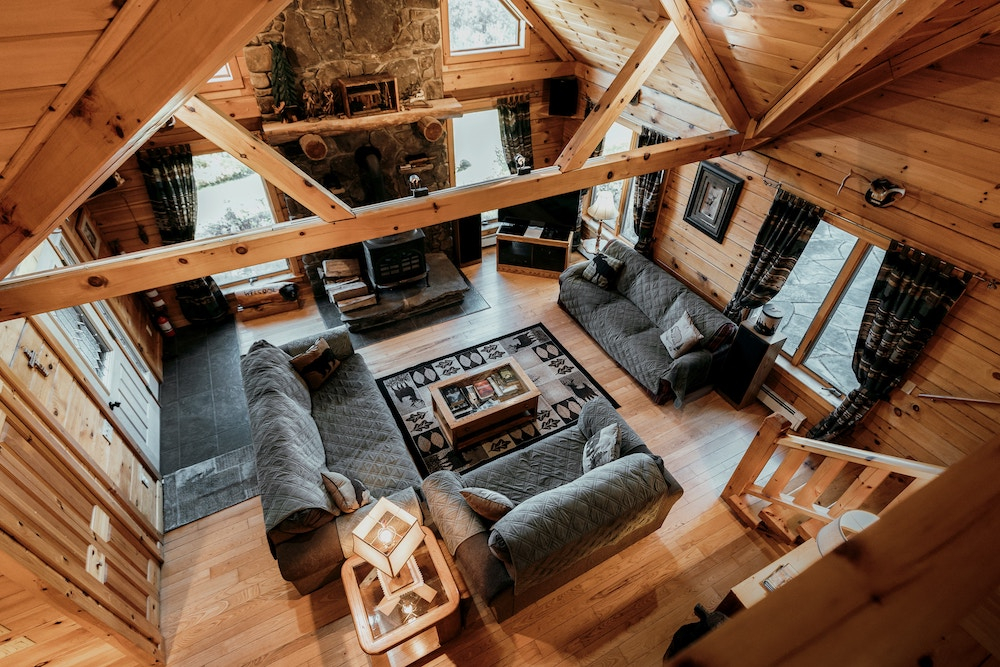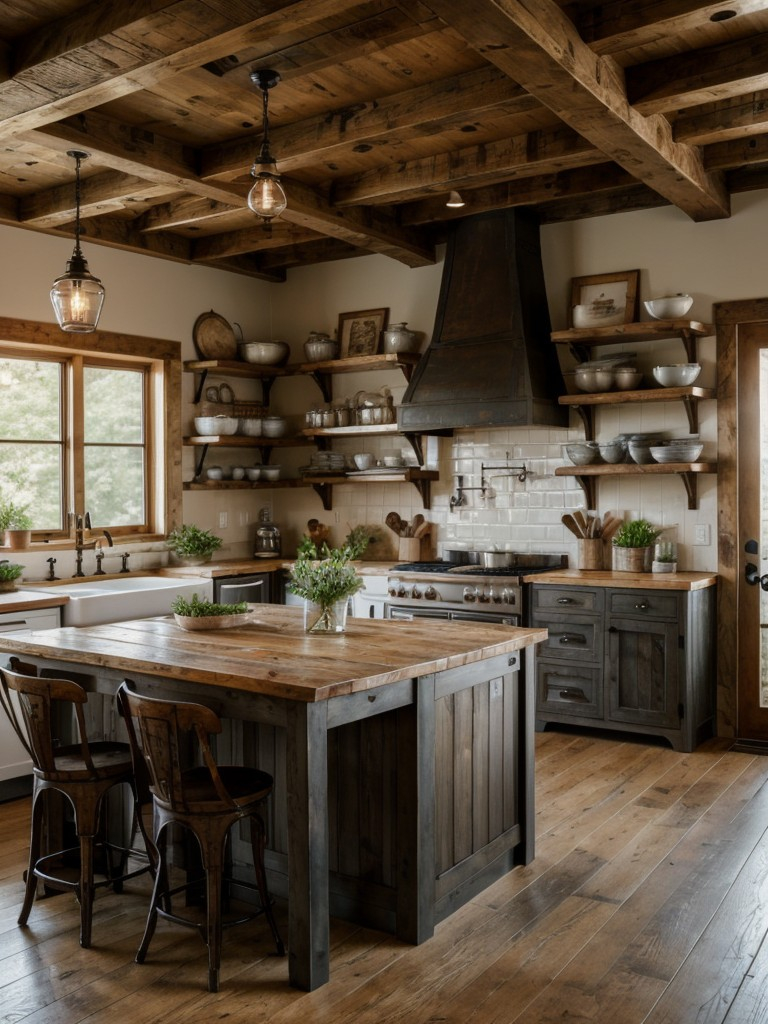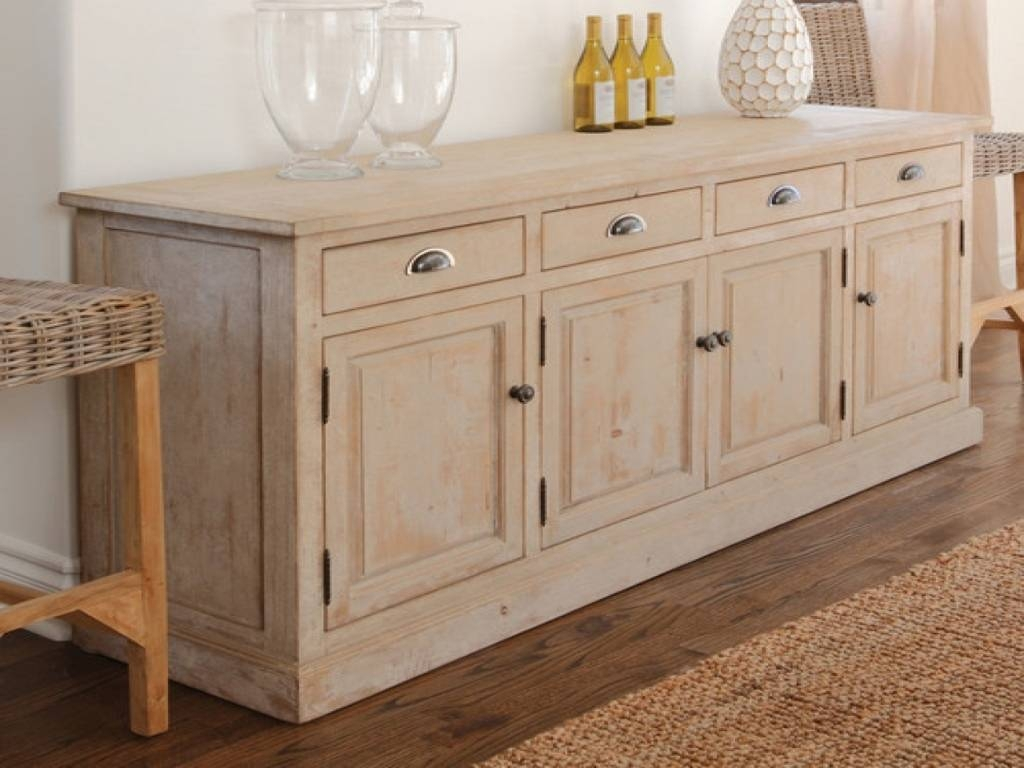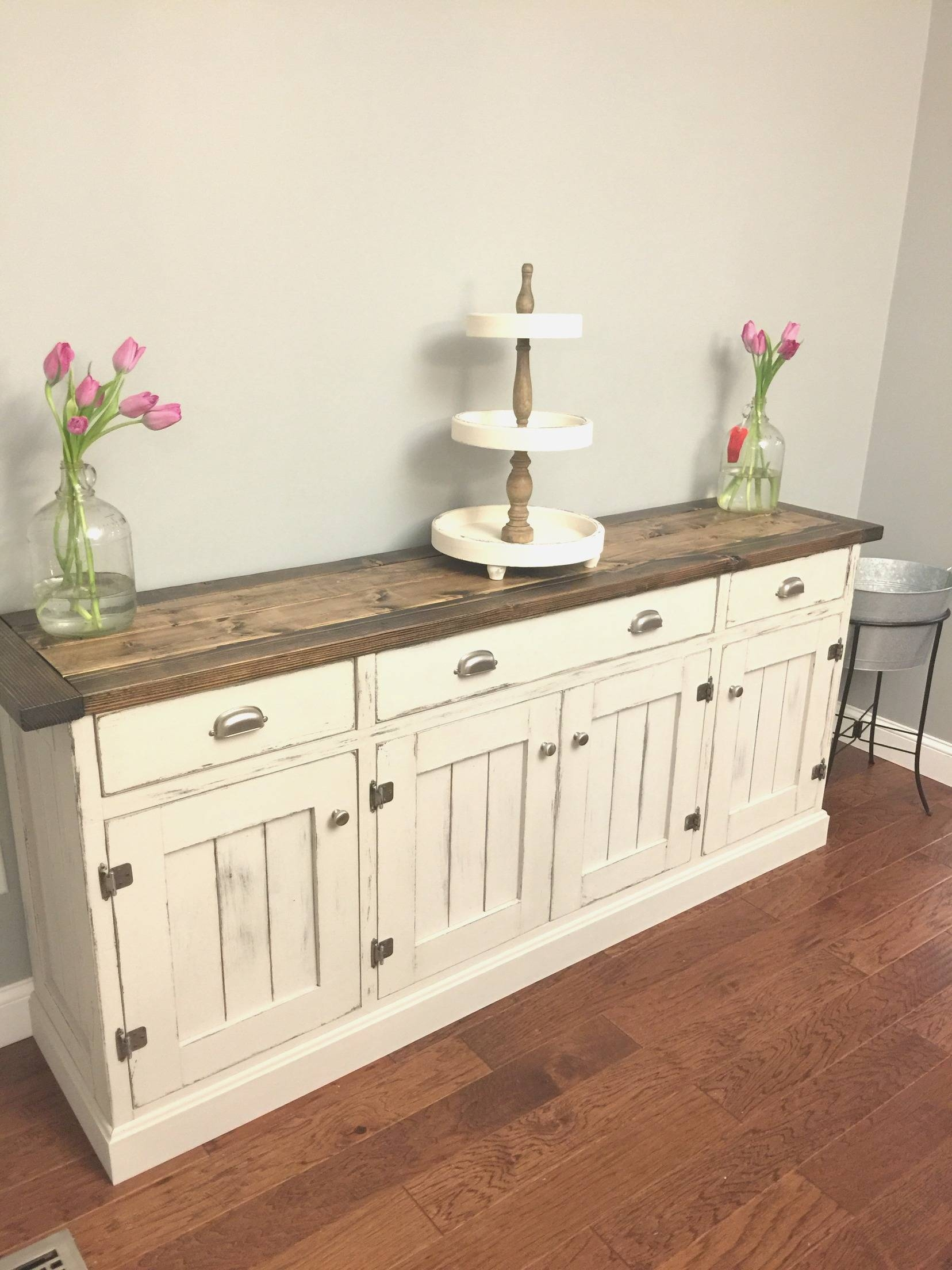
There's something undeniably comforting about a rustic sideboard. It whispers tales of simpler times, of cozy kitchens and warm hearths. But don't let its charming exterior fool you; these pieces are incredibly versatile and can bring a touch of that same warmth and character to any room in your home, not just the dining area. Think of it as a silent, stylish guardian of your treasures and everyday essentials, all while adding a significant dose of personality. It's more than just furniture; it's a statement piece that speaks to a desire for authenticity and grounded style in our often-hectic lives.
Ever feel like your home is missing that certain 'je ne sais quoi'? That touch of soul that makes a house truly feel like a home? Often, it's the little touches, the authentic pieces that carry a story. And when it comes to adding that kind of warmth and character, a rustic sideboard is a true champion. It’s not just about aesthetics, though. These pieces are workhorses, offering vital storage that can help declutter and organize your living spaces. Whether you're channeling a full-on farmhouse vibe or just want to inject a bit of cozy charm into a modern setting, a rustic sideboard is a fantastic choice. They have this wonderful ability to bridge the gap between old-world charm and contemporary needs, making them a surprisingly adaptable addition to almost any decor.
What Exactly is a Rustic Sideboard?
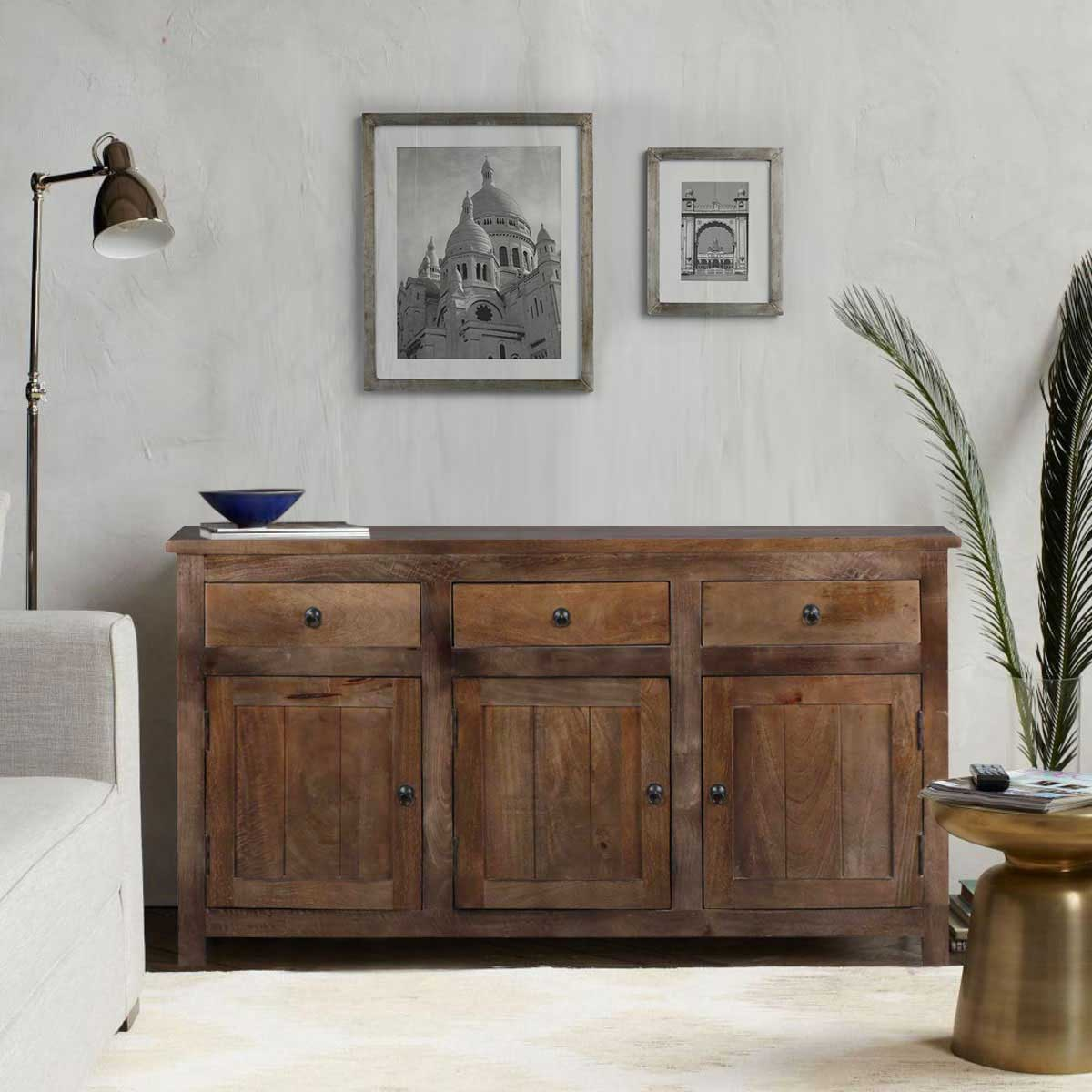
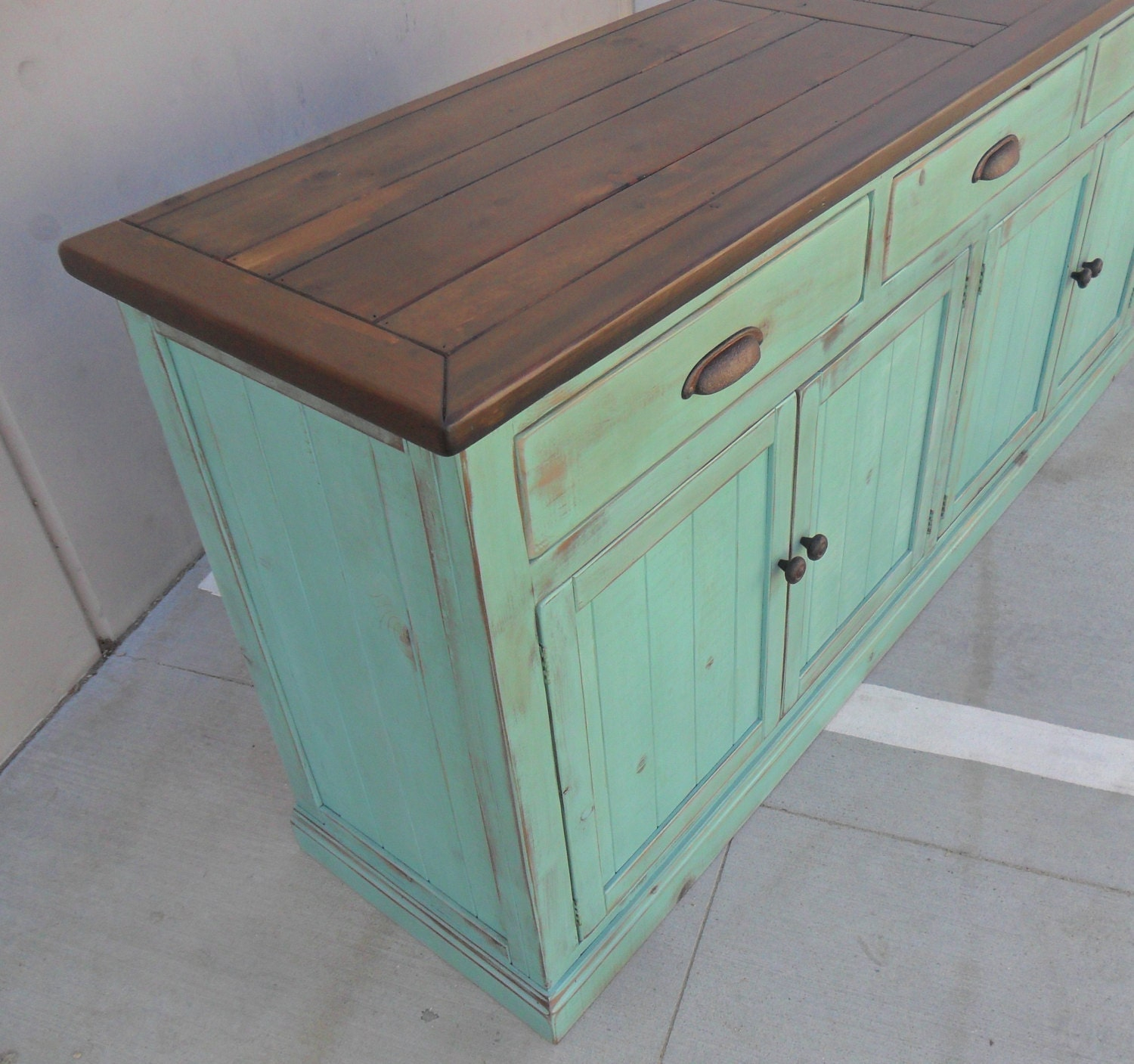
So, what makes a sideboard 'rustic'? It's all about the materials and the craftsmanship. Think natural woods – often solid oak, pine, or reclaimed timber – showcasing their inherent grain and imperfections. The finishes tend to be natural or distressed, emphasizing the wood's character rather than hiding it. You might see chunky legs, hand-carved details, or hardware that looks a bit worn and weathered, like iron or aged brass. It’s furniture that feels lived-in, substantial, and deeply connected to nature. Unlike sleek, modern pieces, rustic sideboards celebrate the irregularities and the history that wood can carry. They aren't trying to be perfect; they're striving for genuine beauty and enduring quality. This appreciation for natural materials and artisanal touches is what gives them their unique appeal and sets them apart from other furniture styles.
Beyond the Dining Room: Versatile Placement Ideas
While a rustic sideboard is a natural fit in a dining room, ready to host your finest china and linens, its utility doesn't stop there. Imagine it anchoring your living room, providing a home for electronics, books, and decorative accents. A console table in your entryway? A rustic sideboard can offer substantial storage and a welcoming spot for keys and mail, setting the tone for your home’s aesthetic right from the start. In a bedroom, it can serve as a charming dresser alternative or a stylish spot to display artwork and personal mementos. Even a hallway can be transformed with its presence, offering a place to stash extra blankets or serve as a display surface. The key is to see it not just as a dining room fixture, but as a functional and decorative piece of furniture that can enhance any area needing storage and a touch of warmth. It's about maximizing its potential and letting its charm work its magic throughout your entire house.
Materials Matter: Choosing Your Rustic Wood
The type of wood used in a rustic sideboard significantly impacts its look and feel. Solid oak, for instance, brings a sense of robust elegance with its distinctive grain patterns. Pine, often lighter in color and grain, lends a more casual and country feel. Reclaimed wood is a fantastic choice for those seeking maximum character – these pieces often have a rich history, bearing the marks of their previous life, which adds an unparalleled layer of authenticity. Some sideboards might even incorporate other natural elements like stone or metal accents, further enhancing their rustic charm. When you're selecting, consider the overall color palette of your room and the specific vibe you're aiming for. A darker wood might offer a more dramatic and traditional feel, while a lighter, distressed finish can create an airy, more relaxed ambiance. Don't forget to feel the wood if possible; its texture contributes to the overall sensory experience of the piece.
Styling Your Rustic Sideboard: From Clutter to Chic
Once you have your beautiful rustic sideboard, the fun part begins: styling it. The beauty of a rustic piece is that it pairs well with a variety of decor. You can lean into the farmhouse aesthetic with galvanized metal accents, ceramic pitchers, and woven baskets. Or, for a more eclectic look, mix it with modern art, plush textiles, and pops of vibrant color. Use the top surface to display your favorite items: a cluster of candles, a stack of well-loved books, a beautiful vase with fresh flowers, or framed family photos. The drawers and cabinets are perfect for hiding away less attractive necessities like remotes, extra chargers, or board games, keeping your space looking tidy and serene. Think about creating layers – perhaps a runner or placemats on top, then your decorative items. It’s a chance to express your personality and create a focal point that’s both functional and visually appealing. Don't be afraid to experiment. What looks good to one person might not to another, and that's perfectly okay. It's your space, after all.
Finding the Perfect Fit: Size and Scale
Choosing the right size sideboard is crucial for both its functionality and how it integrates into your room. Measure your space carefully before you start shopping. A sideboard that's too large can overwhelm a small room, making it feel cramped. Conversely, a piece that's too small might get lost in a larger space and won't provide adequate storage. Consider the height, too. You want it to be proportionate to other furniture in the room, like your sofa or bed. A common guideline is that the top of the sideboard should be roughly the same height as, or slightly lower than, the back of your sofa if it's placed behind it. For an entryway, a narrower, longer piece might be more suitable than a deep, bulky one. Think about how you'll be using it – will it need to hold a large TV, or is it primarily for decorative display and smaller item storage? Answering these questions will help narrow down your options and ensure you find a piece that fits perfectly, both physically and stylistically.
Caring for Your Rustic Treasure
Rustic furniture, especially solid wood pieces, generally requires straightforward care. Regular dusting with a soft, dry cloth is usually sufficient for daily maintenance. For deeper cleaning, use a damp cloth, but be sure to wipe it dry immediately afterward to prevent water damage. Avoid harsh chemicals or abrasive cleaners, as these can damage the wood's finish and natural patina. If your sideboard has a waxed finish, you might need to reapply wax periodically to keep it protected and looking its best; check the manufacturer's recommendations. For spills, blot them up quickly. If you’re placing hot items on the surface, use coasters or trivets to protect the wood. With a little mindful attention, your rustic sideboard will remain a beautiful and functional part of your home for years, if not generations, to come. It's about respecting the natural materials and the craftsmanship that went into creating it.
A rustic sideboard is more than just a piece of furniture; it's an investment in your home's character and comfort. It offers a beautiful blend of form and function, bringing natural warmth, timeless style, and much-needed storage to any room. Whether you're drawn to the hearty grains of oak, the charming imperfections of reclaimed wood, or the simple elegance of its design, a rustic sideboard has the power to elevate your space from ordinary to truly fabulous. It’s a piece that invites you to slow down, appreciate the beauty of natural materials, and create a home that feels both grounded and inviting. So, consider welcoming one into your life – you might be surprised at just how much charm and utility it can bring.