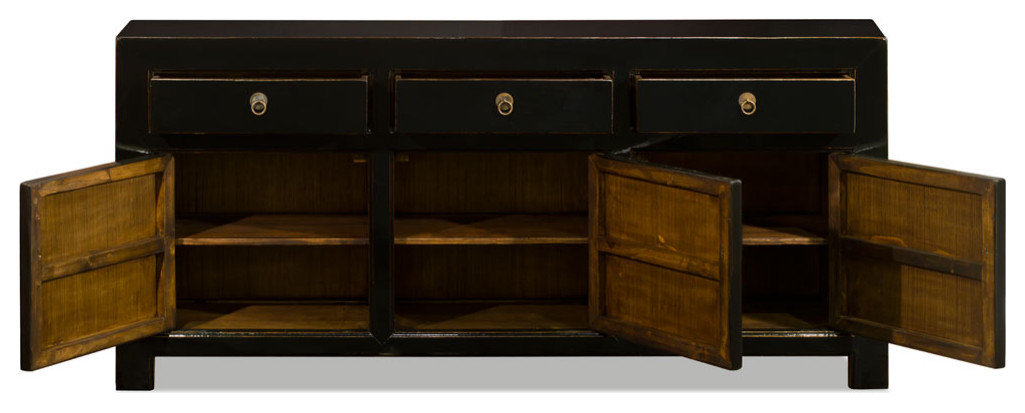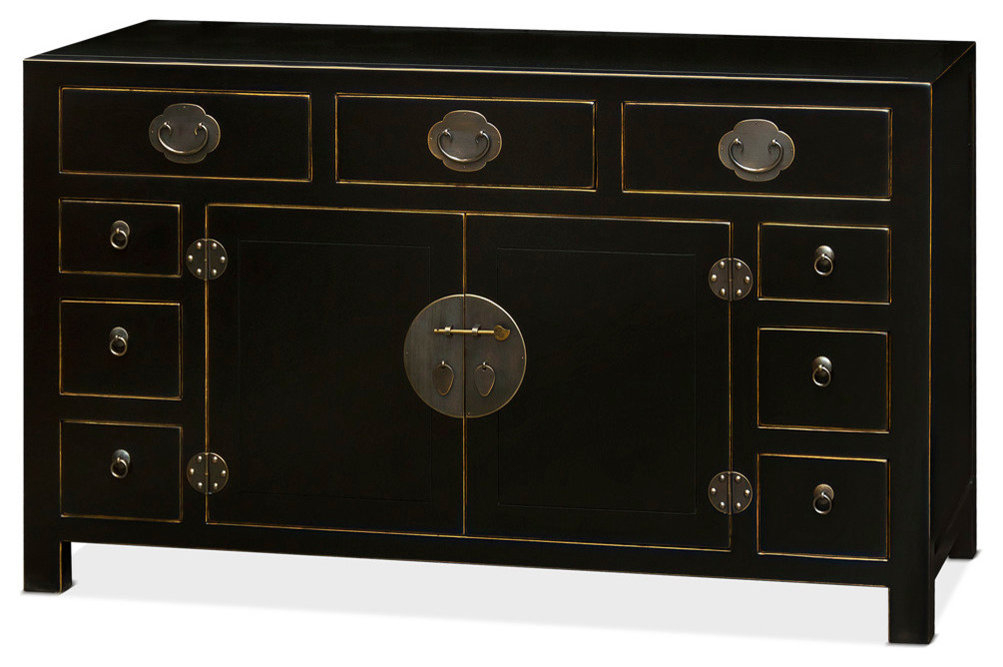
Imagine walking into a room and being immediately drawn to a piece of furniture that whispers tales of dynasties past. That's the magic of a Ming style sideboard. It’s not merely a place to store your belongings; it’s a statement, a conversation starter, and a bridge connecting ancient artistry with your contemporary life. These aren't just cabinets; they are vessels of history and culture, ready to add a unique gravitas to any interior.
Have you ever felt a pull towards furniture that transcends fleeting trends? Pieces that possess an inherent grace and a story to tell? That's precisely what Ming style sideboards offer. For centuries, these exquisite pieces have been symbols of refinement and craftsmanship from China's illustrious Ming Dynasty. They’re renowned for their clean lines, elegant proportions, and the masterful joinery that has allowed them to endure through time. But how do you, in today's world, bring such a historically rich and visually striking piece into your own living space and make it feel both authentic and at home? Let's explore how these remarkable sideboards can transform your interiors into something truly special.
The Essence of Ming Design: Simplicity and Sophistication
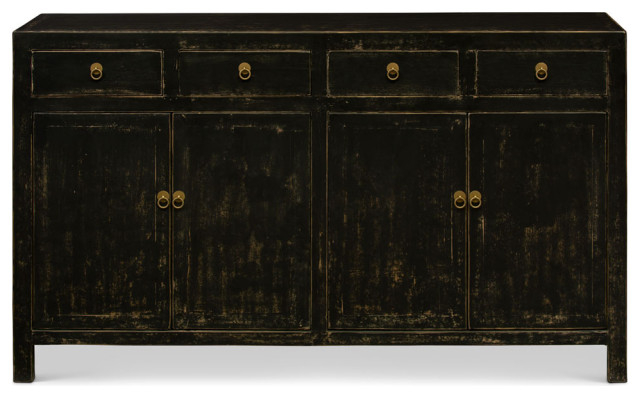
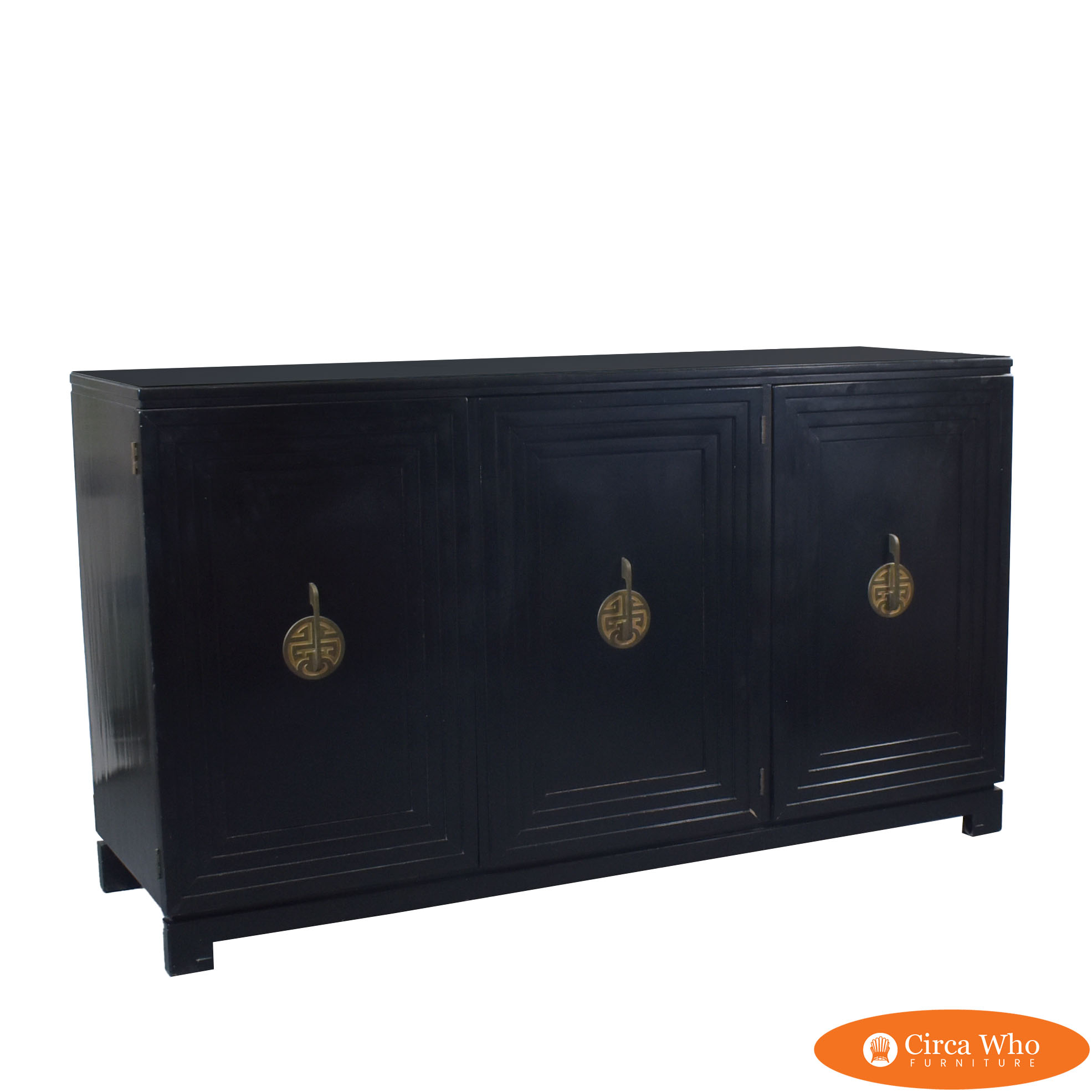
What truly sets Ming style sideboards apart? It’s their dedication to understated elegance. Unlike the ornate decorations you might find in other historical furniture styles, Ming pieces celebrate the beauty of the wood itself. Think clean, unadorned surfaces, gracefully curved legs, and a harmonious balance in their overall form. The joinery is often a marvel – intricate techniques that require immense skill, allowing the furniture to be assembled without nails or glue. This focus on natural beauty and structural integrity is the heart of Ming design. It’s about letting the material and the form speak for themselves, creating a sense of calm and order that’s incredibly appealing in our often-chaotic lives. You’ll notice a distinct lack of fussy ornamentation, which is precisely what makes them so versatile and timeless. It's a design philosophy that values clarity and purpose, resulting in pieces that are both aesthetically pleasing and wonderfully functional.
Materials and Craftsmanship: Built to Last Generations
The longevity of Ming style sideboards isn't accidental. They were traditionally crafted from hardwoods like elm, pine, or sometimes more exotic woods, chosen for their durability and beautiful grain. The artisans of the Ming era were masters of their craft, employing techniques passed down through generations. Dovetail joinery, mortise and tenon joints – these aren't just technical terms; they represent a commitment to creating furniture that could withstand the test of time. Many antique Ming sideboards you might encounter today are hundreds of years old and still in excellent condition, a testament to this exceptional workmanship. When you invest in a piece inspired by this style, you're not just buying furniture; you're acquiring a piece of enduring quality. You can often see the subtle variations in the wood grain, the smooth finish, and feel the solid construction. It’s a tactile experience that connects you to the maker and the history embedded within the piece.
Integrating Ming Sideboards into Modern Interiors
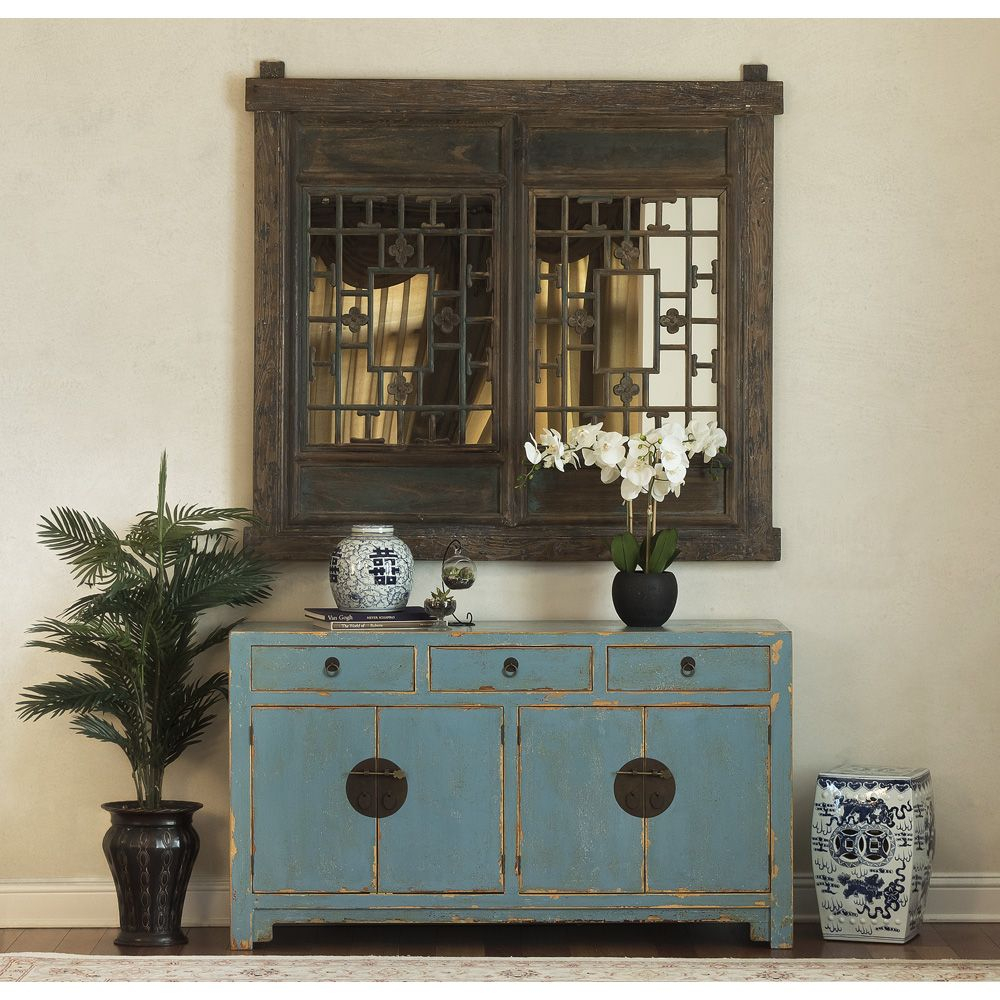
Now, the big question: how do you blend this classical elegance with your modern aesthetic? It’s surprisingly easier than you might think. The inherent simplicity of Ming design makes it incredibly adaptable. Place a Ming style sideboard in a minimalist living room, and it becomes a stunning focal point, adding warmth and character without overwhelming the space. Pair it with contemporary art or a sleek sofa, and you create a beautiful juxtaposition of old and new. Don't be afraid to mix and match. A vintage rug, a modern lamp, and a Ming sideboard can create a uniquely curated look. Consider its placement – in a dining room for serving, in a hallway as an entryway statement, or in a living room to house media equipment. Its generous storage capacity also makes it incredibly practical. For example, I once saw a beautiful dark wood Ming sideboard in a loft apartment with exposed brick walls and industrial-style lighting. The contrast was absolutely striking, making the sideboard pop and adding a layer of unexpected sophistication to the raw, urban feel of the space.
Styling Your Ming Sideboard: The Art of Accessorizing
Once your sideboard is in place, the fun part begins: styling it. Because of its clean lines, it doesn't need much to make an impact. A few well-chosen items can elevate its presence. Consider a beautiful ceramic vase with fresh flowers, a stack of art books, or a striking piece of sculpture. Avoid clutter; the goal is to complement, not to compete. A pair of matching table lamps can create symmetry and add a warm glow, especially in the evening. If your sideboard has drawers or cabinets, they are perfect for stashing away less attractive items, keeping the surface tidy and serene. For a more personal touch, you could display a collection of vintage photographs or heirloom objets d'art. Remember, the sideboard itself is a work of art, so let it shine and use accessories to enhance its natural beauty. Think of it as a stage for your personal style.
Finding Your Perfect Ming Style Piece
Where do you find these treasures? Antique shops and reputable dealers specializing in Asian furniture are excellent starting points. You might also find beautiful reproductions crafted with similar attention to detail and materials. When searching, look for pieces that resonate with you. Pay attention to the wood, the finish, and the overall proportions. Does it feel balanced and elegant? Don't be discouraged if you don't find the perfect piece immediately. The search itself can be part of the journey. Online marketplaces and auctions can also be good sources, but always try to verify the authenticity and condition of the piece, perhaps by asking for detailed photos or descriptions. If you're considering a reproduction, look for companies that emphasize traditional joinery and quality materials, as these will offer the best approximation of the original Ming aesthetic and durability. It’s worth the effort to find a piece that truly speaks to you and fits your home.
Beyond the Aesthetic: The Cultural Connection
Owning a Ming style sideboard is more than just an interior design choice; it's an engagement with history and a rich cultural heritage. The Ming Dynasty (1368-1644) was a period of immense cultural and economic prosperity in China. Furniture from this era reflects a sophisticated understanding of aesthetics, philosophy, and craftsmanship. By bringing a piece of this style into your home, you’re not just decorating; you’re inviting a piece of that history and artistry into your daily life. It’s a way to connect with a lineage of design that values beauty, harmony, and enduring quality. This connection can add a layer of meaning and depth to your living space that goes far beyond mere visual appeal. It’s a subtle nod to the past, a celebration of enduring human creativity, and a reminder that good design truly stands the test of time.
Ming style sideboards offer a unique and compelling way to infuse your home with character, history, and timeless elegance. Their minimalist beauty, exceptional craftsmanship, and functional design make them incredibly versatile additions to any interior, from the ultra-modern to the more traditional. By understanding the essence of Ming design and approaching styling with a thoughtful hand, you can create a space that feels both curated and deeply personal. So, whether you’re hunting for an authentic antique or a beautifully crafted reproduction, consider the enduring allure of a Ming style sideboard. It’s more than just furniture; it’s a legacy waiting to be cherished and integrated into your own story.