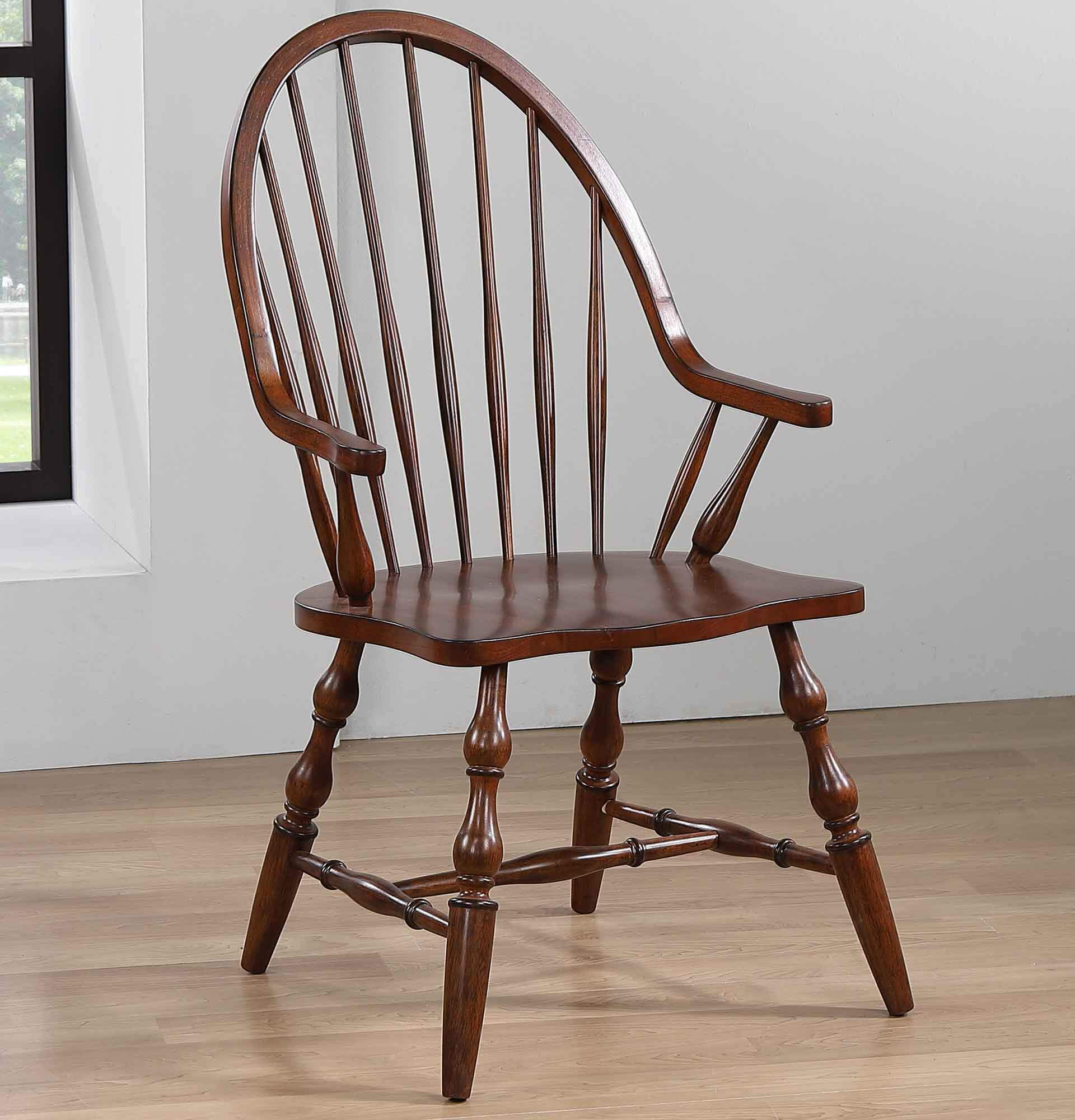
Think about a piece of furniture that’s stood the test of time, gracing dining rooms and studies for centuries. That’s the Windsor armchair for you. It’s more than just a seat; it’s a testament to skilled craftsmanship and thoughtful design. But how does a humble piece of timber transform into this iconic, comfortable, and sturdy chair? Let's embark on a journey from the forest to the finished product, exploring the magic that goes into making a Windsor dining armchair.
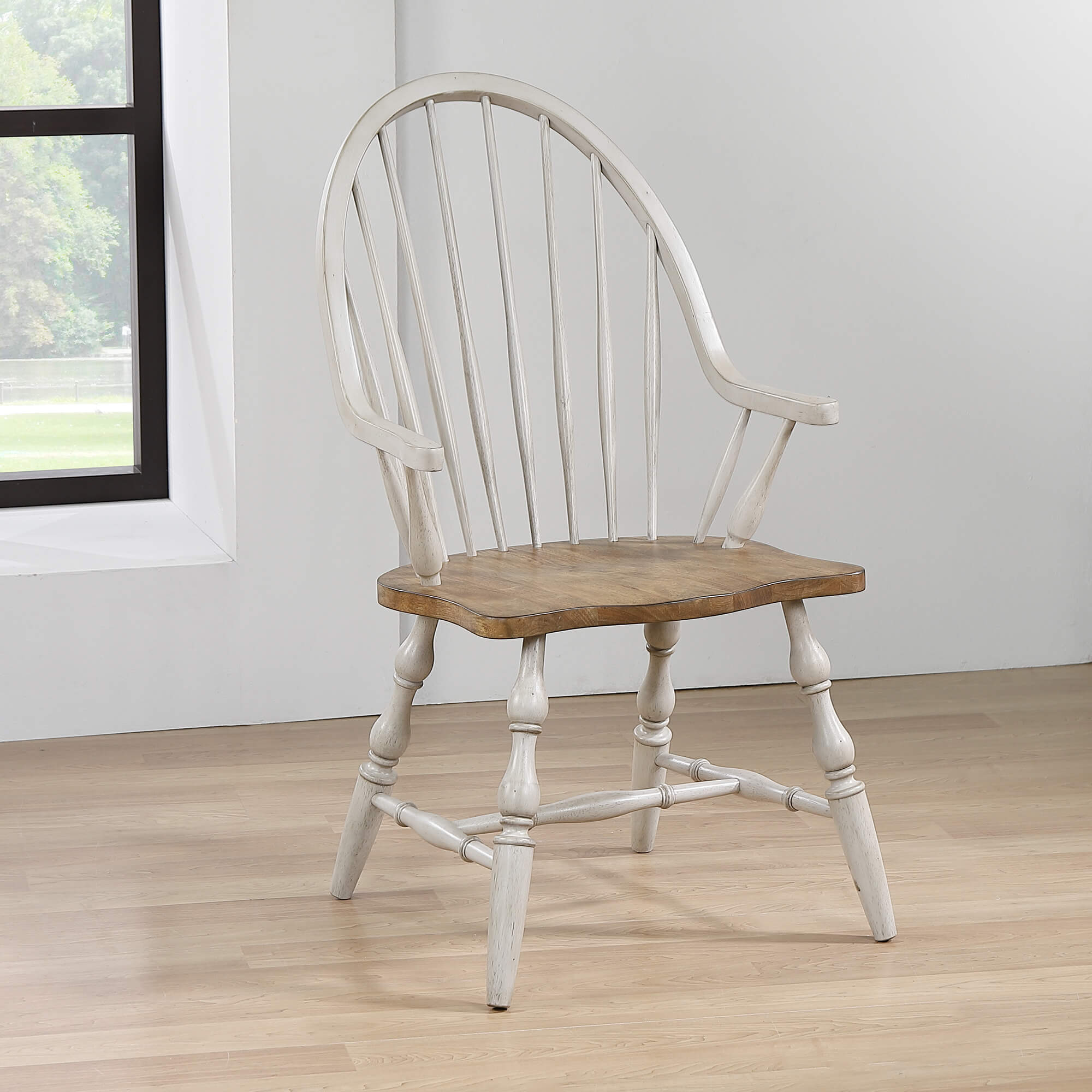
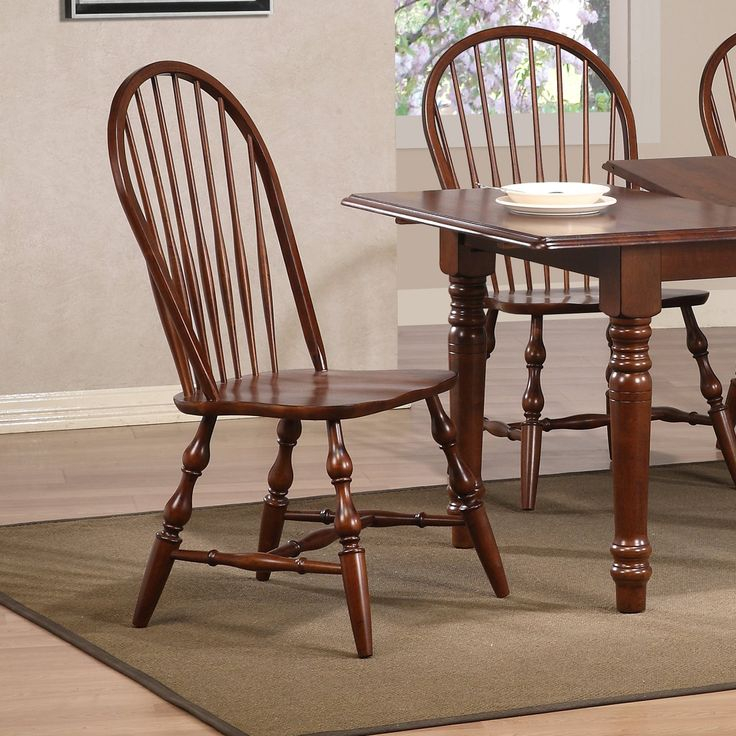
The Windsor armchair isn't just another piece of furniture; it's a piece of history. Originating in Great Britain in the 18th century, its distinctive design, characterized by a solid wood seat, a tall spindle-back, and often splayed legs, quickly became a symbol of comfort and durability. What's fascinating is how this design has remained largely unchanged, a testament to its inherent brilliance. Creating one is a labor of love, a dance between tradition and precision. We're going to peel back the layers and see what makes this chair so special, from the very first cut of wood to the final gleaming coat of finish.
Selecting the Soul: Choosing the Right Timber
Every great chair starts with great wood. For a Windsor armchair, this selection process is crucial. Typically, hardwoods are the go-to choice because they offer strength and resilience. You’ll often find ash, elm, oak, and beech used. Ash is fantastic for the spindles and legs because it’s strong and has a beautiful grain that can be worked with. Elm is prized for its toughness and often used for the seat, as it can withstand the wear and tear of daily use and has a lovely swirling pattern. Oak, of course, brings its own classic sturdiness and rich appearance. The wood needs to be properly seasoned, meaning it's been dried slowly to prevent warping or cracking later on. This patience in the initial stages ensures the chair will last for generations. Imagine a carpenter carefully inspecting each plank, looking for the straightest grain and the fewest knots – it’s a vital first step.
Shaping the Foundation: Crafting the Seat
The seat is the heart of the Windsor armchair. It’s usually carved from a single, thick slab of wood, often elm or beech. The process begins with a rough blank, and then, using specialized tools like adzes and drawknives, the wood is gradually shaped into a comfortable, ergonomic form. The goal is to create a surface that fits the sitter’s contours, providing support and comfort. This isn't a quick job; it requires a deep understanding of wood and how it behaves. The craftsman will often use templates and their own practiced eye to ensure the seat has the perfect dip and curve. It’s a tactile process, feeling the wood yield and take shape under the tools.
The Spindle Symphony: Turning and Fitting
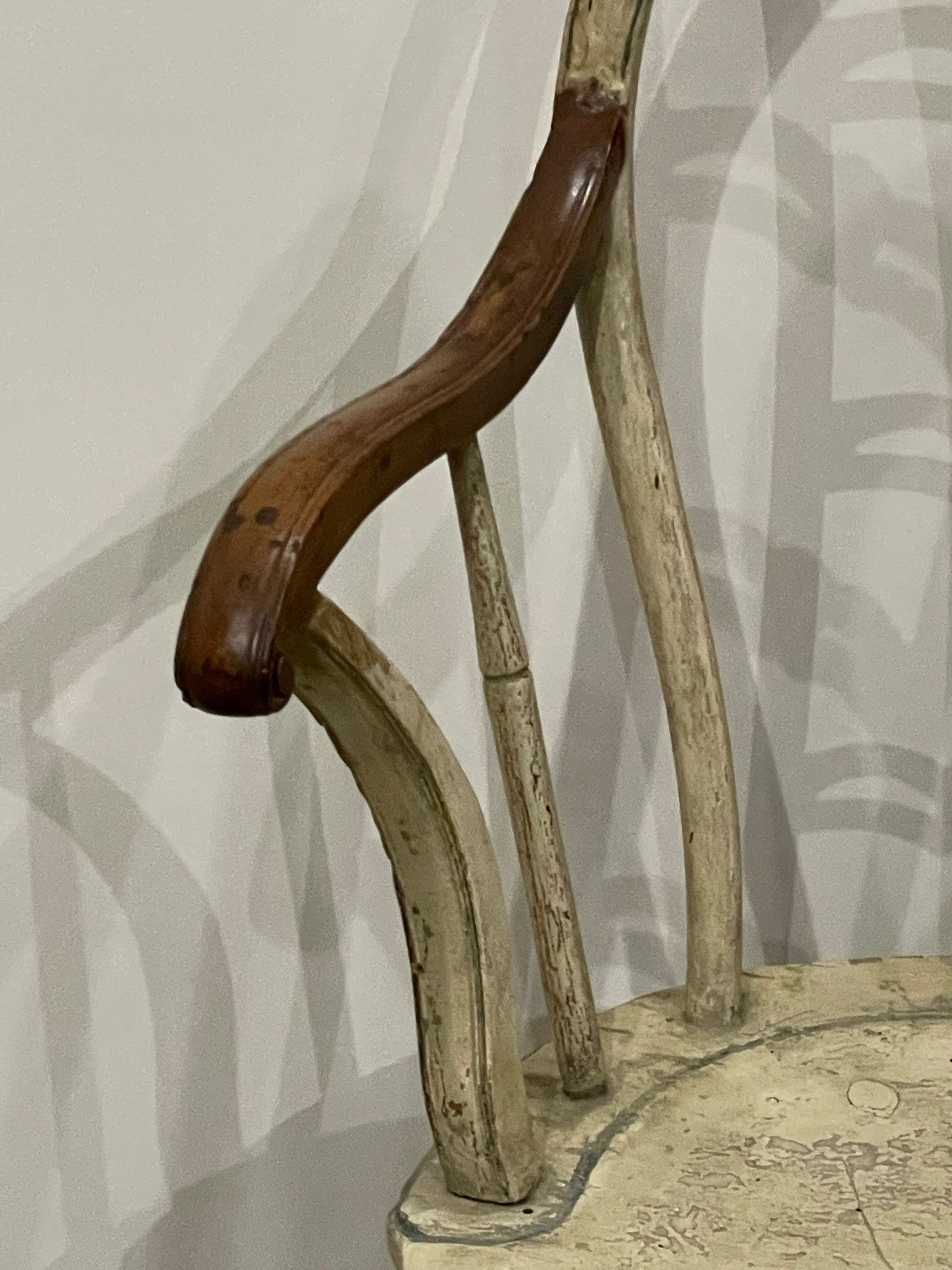
The iconic back of the Windsor armchair is made up of numerous vertical spindles, often called 'sticks,' and a curved 'comb' or 'top rail' that connects them. These spindles are typically turned on a lathe, a machine that spins the wood while a sharp tool shaves away excess material, creating perfectly cylindrical or slightly tapered forms. Each spindle is then carefully fitted into pre-drilled holes in the seat. This is where precision really matters. The angle and spacing of these spindles are critical not only for the chair’s structural integrity but also for its visual appeal. Sometimes, a few thicker spindles are used for added support, or the top rail might be steam-bent into its elegant curve. It's like assembling a complex puzzle, but with wood.
Legs and Stretchers: Building the Support Structure
A Windsor armchair needs a solid base, and that comes from its legs and any connecting stretchers. The legs are often splayed outwards for stability and can be straight or tapered. Like the spindles, they are frequently turned on a lathe. The challenge here is to ensure they are perfectly aligned and securely attached to the seat. Stretchers, which are horizontal pieces of wood connecting the legs, add further rigidity and prevent the legs from splaying too much. Think of them as the chair's skeleton, holding everything together. The joinery here – how the legs and stretchers connect to the seat and each other – is paramount. Mortise and tenon joints, or wedged through-tenons, are common, ensuring a strong, lasting bond. It’s this intricate joinery that gives the Windsor its renowned durability.
The Art of Assembly: Bringing it All Together
Once all the individual components – the seat, spindles, legs, and comb rail – are shaped and ready, the assembly process begins. This is where the chair truly comes to life. The spindles are pressed into the seat, often with a bit of glue for extra hold. Then, the comb rail is fitted over the tops of the spindles. The legs are attached, and if stretchers are used, they are fitted between the legs. It’s a careful, systematic process. Sometimes, the joinery is so precise that the pieces fit together with a satisfying snugness, requiring only gentle persuasion. The entire structure is then clamped together, allowing the glue to set and the chair to become a unified whole. This stage requires patience and a steady hand; one false move can compromise the whole build.
The Final Flourish: Sanding and Finishing
The chair is almost ready, but it needs that final touch that protects the wood and enhances its natural beauty. The entire armchair is meticulously sanded, starting with coarser grits of sandpaper to smooth out any rough spots or imperfections, and gradually moving to finer grits until the surface is as smooth as silk. This is what gives the wood that lovely tactile feel. Then comes the finish. This could be anything from a clear varnish or oil that lets the wood's natural color and grain shine through, to a stain that deepens the hue, or even a coat of paint for a bolder look. Multiple thin coats are usually applied, with sanding between each, to build up a durable and beautiful surface. This final stage transforms the raw assembly into a polished piece of furniture, ready to be enjoyed.
So, there you have it – the journey of a Windsor dining armchair from a simple plank of wood to a finished masterpiece. It’s a process steeped in tradition, requiring considerable skill, patience, and an intimate knowledge of the materials. Each chair tells a story of the craftsman’s hands and the wood’s inherent character. The enduring popularity of the Windsor armchair is a clear indicator of its successful fusion of form and function. It’s a piece that’s not just built, but crafted with care, ready to become a cherished part of your home for years and years to come. It’s a beautiful reminder of what can be achieved when dedication meets design.