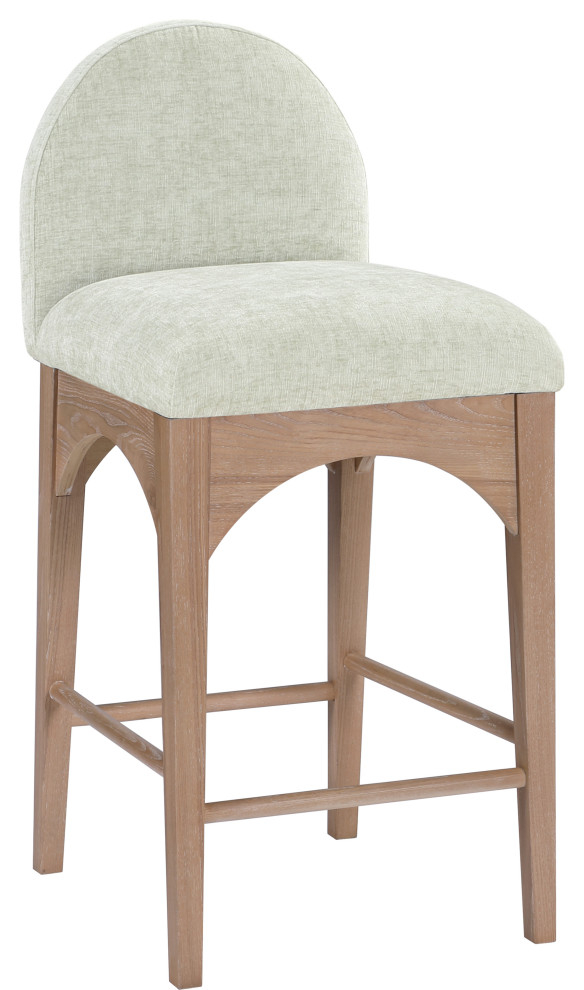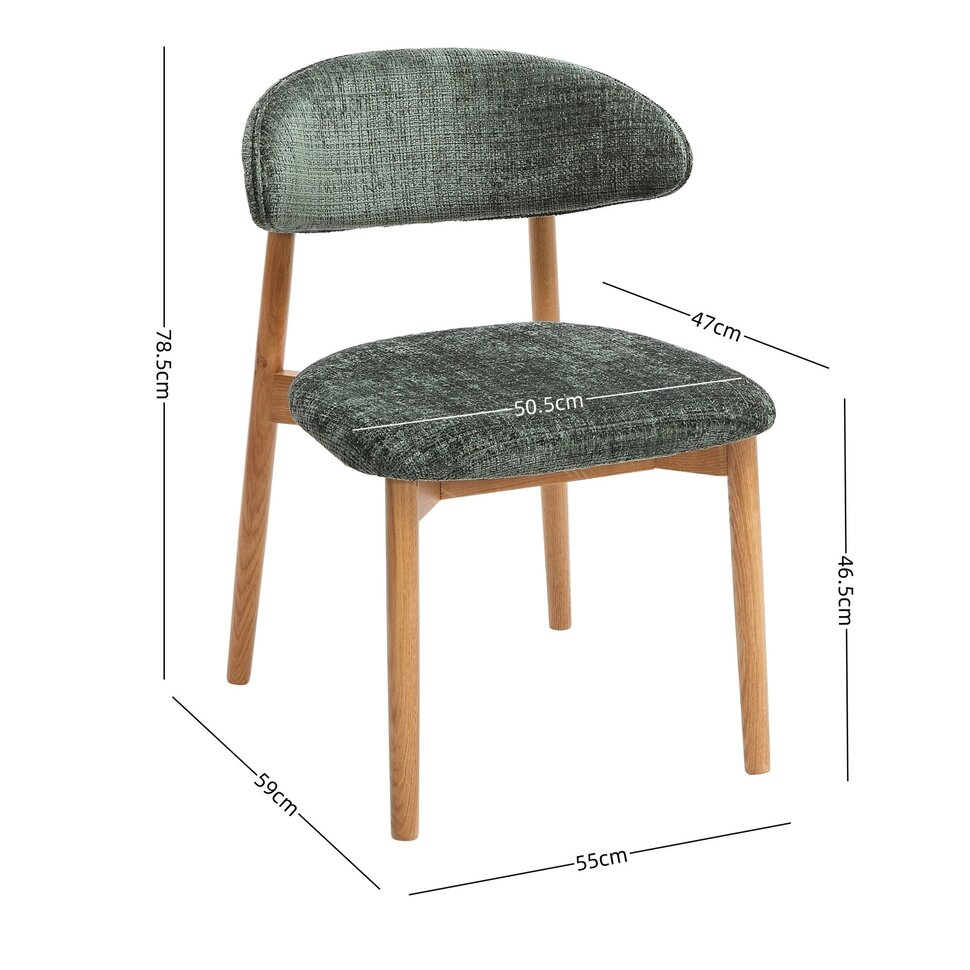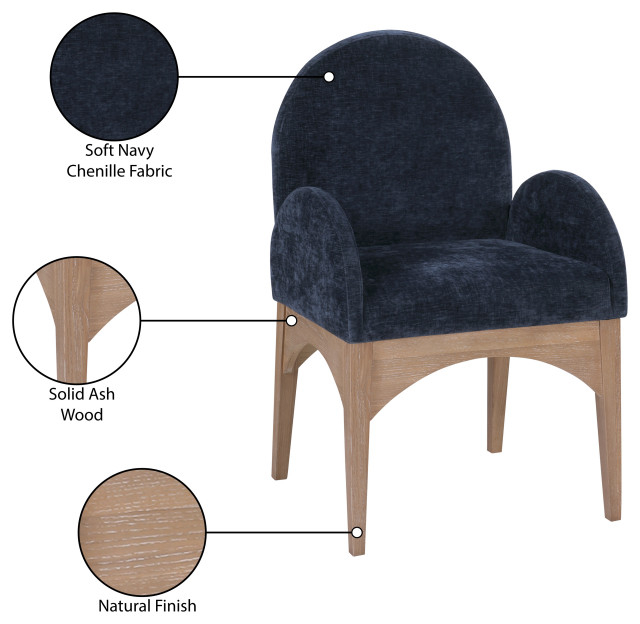
Ever wondered what makes a Waldorf chair so special? It's not just about a place to sit; it's about an entire sensory and developmental journey. Think about the feeling of natural wood, the soft embrace of chenille – these aren't accidental choices. They're fundamental to how a Waldorf chair supports a child's growth and connection to their environment. Let's dive into why these elements are so crucial.
Walk into a Waldorf classroom or home, and you'll likely notice a certain quality to the furniture. There's a warmth, a groundedness that's hard to pinpoint but easy to feel. At the heart of this feeling is the Waldorf chair, a piece designed with intention. So, what exactly is it about natural finishes and chenille that makes this chair so iconic and beneficial? It’s a blend of aesthetics, practicality, and a deep understanding of childhood development. We're going to explore how these two key components – the tactile experience of natural finishes and the cozy comfort of chenille – work together to create a truly unique and supportive seating solution for children.
The Beauty and Benefit of Natural Finishes
First off, let's talk about the wood. Waldorf furniture, including chairs, almost always features natural finishes. This means you're seeing the grain, feeling the texture, and experiencing the wood in its truest form. Why is this so important? For starters, it connects children to the natural world. In an age of plastics and synthetics, the feel of real wood is a grounding experience. It’s tactile and engaging. Think about it: running your hand over smooth, polished wood versus cold, manufactured plastic. There's a difference, right? This sensory input is vital for a child's developing brain. Natural finishes also tend to be more durable and, when cared for, can last for generations. They age gracefully, developing a patina that tells a story. Plus, many natural finishes are non-toxic, which is a huge plus when it comes to children's furniture. It’s about creating a healthy and stimulating environment, and the wood finish plays a big part in that.
Chenille: The Hug of a Waldorf Chair
Now, let's move to the upholstery: chenille. If you've ever encountered a Waldorf chair with chenille, you know the feeling. It’s soft, it’s plush, and it has this wonderful texture that invites you to sink in. Chenille fabric is known for its fuzzy, velvety surface, often created by a special weaving process that results in a soft pile. For a child, this means comfort. It's like a gentle hug, providing a sense of security and coziness. This tactile comfort is incredibly important for young children. It helps them feel safe and settled, which is essential for concentration and relaxation. Imagine a child trying to focus on a task or simply rest; a soft, inviting cushion makes all the difference. Chenille also has a lovely drape and a subtle sheen, adding to the overall aesthetic appeal without being overly flashy. It’s a fabric that feels luxurious yet durable enough for everyday use.
The Synergy: How They Work Together
It’s not just about having nice wood and soft fabric; it’s how they complement each other. The natural, earthy feel of the wood provides a stable, grounding base, while the chenille offers a warm, comforting embrace. This combination creates a sensory experience that is both stimulating and calming. For a child, this means the chair isn't just furniture; it's an invitation to engage with their environment in a positive way. The contrast in textures – the smooth, solid wood and the soft, yielding chenille – provides a rich sensory experience. This dual tactile input can help children develop a greater awareness of their bodies and their surroundings. It’s a thoughtfully designed harmony that supports both physical comfort and emotional well-being. They create a balanced and inviting space for a child to learn, play, and grow.
Developmental Benefits Beyond Comfort
The Waldorf approach to education is deeply rooted in child development, and the furniture reflects this. The emphasis on natural materials and comforting textures isn't just about aesthetics; it's about fostering a child's natural curiosity and sense of self. The tactile experience of the wood grain and the chenille pile helps children develop fine motor skills and sensory processing abilities. When a child can feel and interact with their environment in a meaningful way, they learn more effectively. The stability and comfort of the chair also contribute to a child's ability to focus. A child who feels secure and comfortable is more likely to engage with activities and learn. It's about creating an environment that supports, rather than distracts from, a child's natural developmental path. The chair becomes a tool for learning and self-discovery, not just a place to sit.
Durability and Sustainability: A Long-Term Investment
Beyond the immediate sensory and developmental benefits, the choice of natural finishes and durable fabrics like chenille also speaks to a philosophy of sustainability. Furniture made with quality wood and robust upholstery is built to last. This means it can withstand the rigors of childhood and potentially be passed down through families. Investing in pieces like this reduces waste and promotes a more conscious consumption pattern. It’s a departure from the disposable culture often seen with mass-produced items. The natural finishes are often repairable, and the sturdy construction means these chairs can be a part of a child's life for many years, adapting as they grow. This longevity and focus on natural, renewable resources align perfectly with the Waldorf ethos of respecting the environment and valuing quality over quantity.
Creating a Waldorf Atmosphere at Home
You don't need to be part of a Waldorf school to bring this experience into your own home. Choosing a chair, or even just incorporating elements, that feature natural wood finishes and soft, tactile fabrics like chenille can make a difference. Think about the sensory input you provide for your child. Does your child’s chair offer comfort and a connection to natural materials? Even small changes can contribute to a more calming and grounding environment. It’s about creating spaces that nurture a child’s senses and support their well-being. Consider the overall feel you want to cultivate – one that is warm, inviting, and promotes a connection to the natural world. The Waldorf chair, with its natural finishes and chenille embrace, is a beautiful example of how furniture can actively contribute to a child's positive development and overall experience.
So, there you have it. The Waldorf chair experience is a carefully cultivated blend of tactile delight and developmental wisdom. Natural finishes ground us, connecting us to the earth and offering a safe, non-toxic surface to explore. Chenille wraps us in a comforting embrace, providing a sense of security and warmth that’s essential for a child’s well-being. Together, they create more than just a piece of furniture; they craft an environment that supports learning, fosters calm, and celebrates the beauty of natural materials. It’s a testament to the idea that thoughtful design, rooted in an understanding of childhood, can create truly lasting and meaningful experiences. The next time you see a Waldorf chair, you'll know it’s not just wood and fabric; it’s an invitation to comfort, connection, and growth.