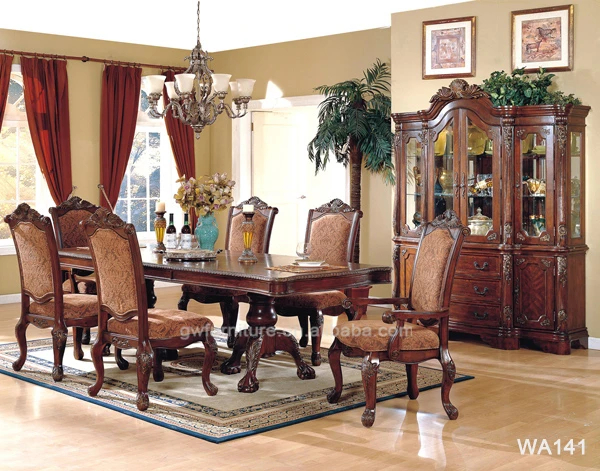
Walk into many homes, and you'll immediately feel it – a sense of warmth, history, and connection. Often, this feeling emanates from the heart of the home: the dining room, and more specifically, the traditional wood dining room set. These aren't just tables and chairs; they're the silent witnesses to countless conversations, celebrations, and everyday moments that weave the fabric of family life. Why do these pieces continue to hold such a special place in our hearts and homes?
In a world that’s constantly changing, some things remain steadfast, offering comfort and a sense of continuity. Traditional wood dining room sets are a prime example. Think of the rich grain of oak, the deep luster of mahogany, or the warm embrace of cherry. These sets have graced dining rooms for generations, providing a central hub for families to connect. It’s where stories are shared, advice is given, and laughter echoes. But what exactly makes these sets so enduringly popular, and what should you consider if you’re looking to bring one into your own home?
Craftsmanship That Tells a Story
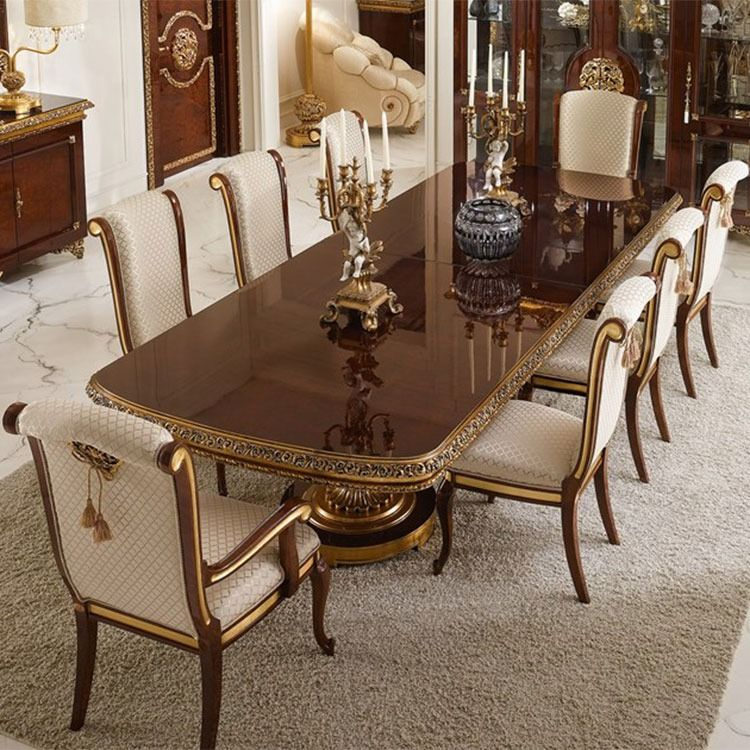
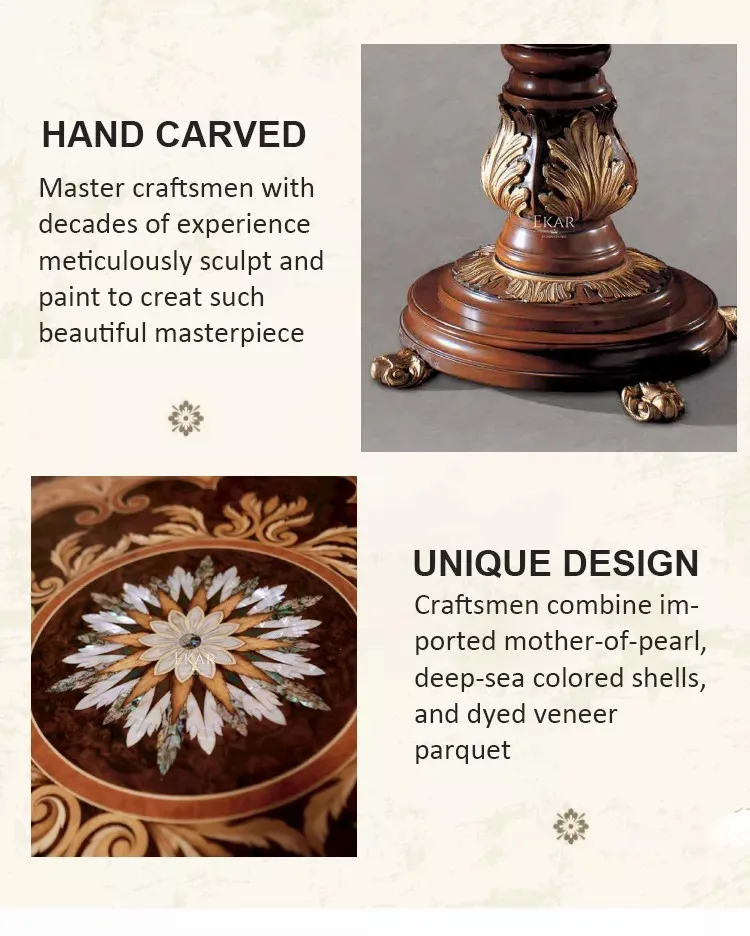
The beauty of traditional wood dining sets lies in their construction. Often handcrafted by skilled artisans, these pieces showcase a level of detail and durability that’s hard to find today. Look for features like mortise-and-tenon joints, hand-sanding, and intricate carvings. These aren't just aesthetic touches; they speak to a commitment to quality and longevity. A well-made wooden dining set isn't just furniture; it's an investment, a piece of art that can be passed down. For instance, a sturdy oak table might have been built using techniques that have been perfected over centuries, ensuring it can withstand the rigors of daily use and still look magnificent years later. This dedication to solid construction means these sets often outlast fleeting trends.
The Warmth and Versatility of Wood
Wood, in its natural state, brings an unparalleled warmth and character to any room. Different wood types offer distinct aesthetics. Walnut, with its deep, rich tones, can lend an air of sophistication, while lighter woods like maple or birch can create a more airy and casual feel. Beyond appearance, wood is incredibly versatile. It can be stained, painted, or left natural, allowing it to adapt to various decor styles. A traditional set might feature classic elements like turned legs or a pedestal base, but the choice of wood and finish can easily integrate it into a more contemporary setting. Imagine a dark walnut set in a room with modern art and clean lines – it creates a stunning contrast that’s both elegant and inviting.
Creating Memories Around the Table
Perhaps the most significant aspect of a traditional wood dining set is its role in fostering connection. This is where family meals happen, where homework is spread out, and where holiday feasts are enjoyed. It’s the backdrop for birthday celebrations, quiet weeknight dinners, and even the occasional spilled milk. These shared experiences imbue the furniture with a personal history and sentimental value. Think about the worn patches on the tabletop from years of use, or the slight scuff on a chair leg from a child’s energetic feet. These aren't flaws; they're markers of a life lived, memories etched into the very grain of the wood. It’s this emotional resonance that makes these sets so precious.
Choosing the Right Traditional Set
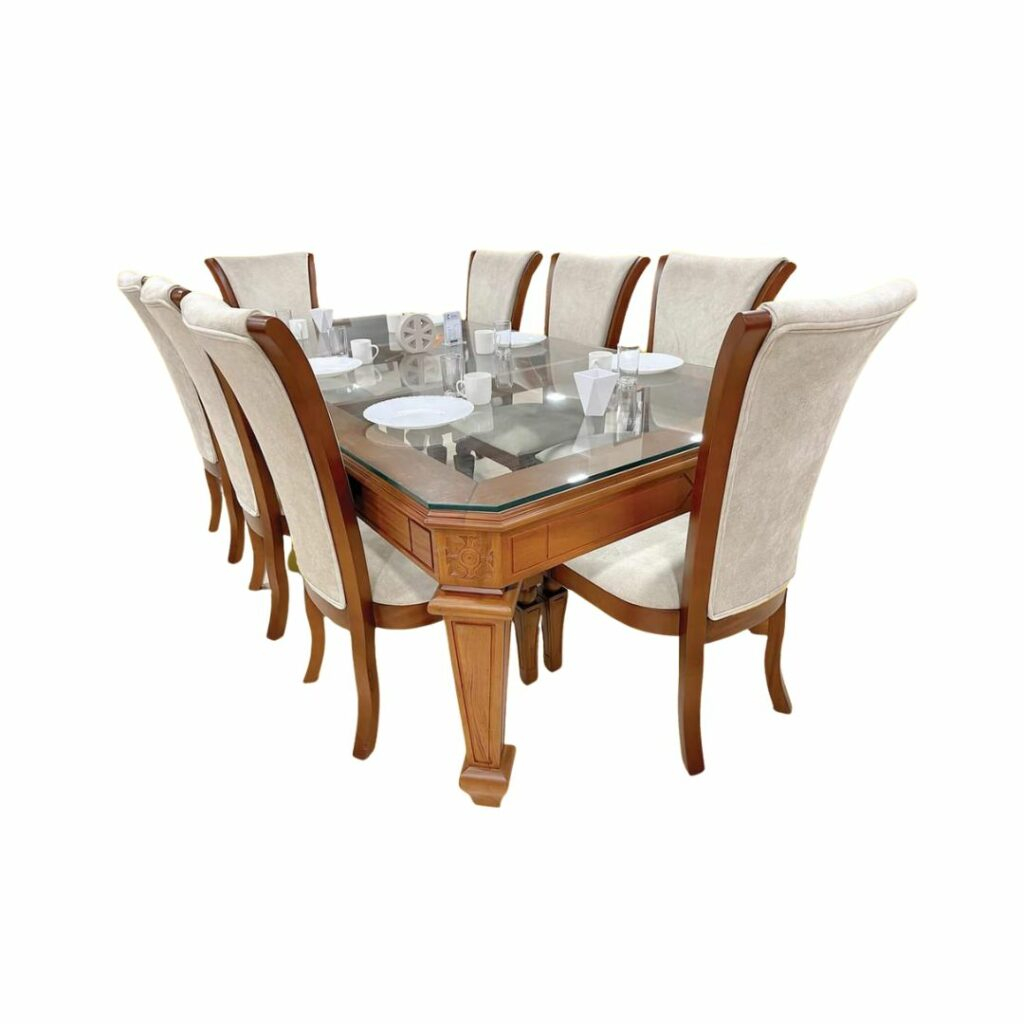
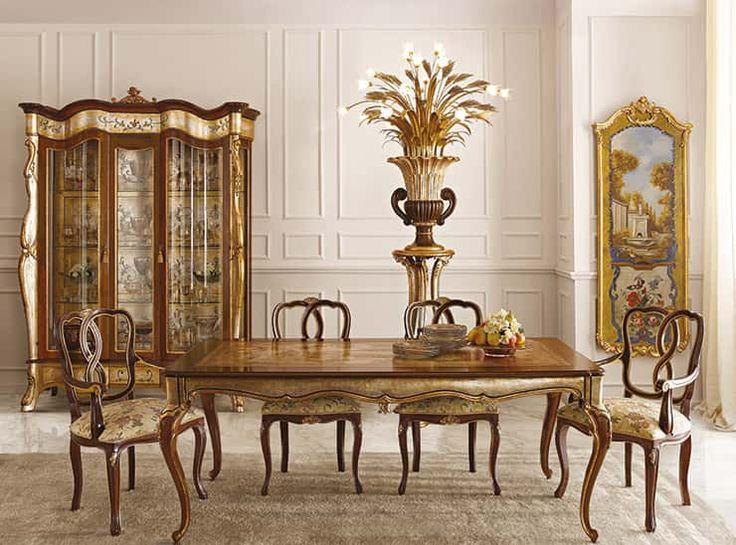
When selecting a traditional wood dining set, consider the size of your dining space and how you’ll primarily use it. Do you need seating for a large family, or is it more for intimate gatherings? Measure your room carefully to ensure the table and chairs fit comfortably, allowing ample space to pull out chairs and walk around. Think about the style of the set – do you prefer ornate carvings and elaborate details, or a more understated elegance? Don’t forget to consider the finish. A high-gloss finish can add drama, while a matte finish offers a more subdued look. It’s also wise to look at the construction details mentioned earlier to ensure you’re getting a piece that will last. A good rule of thumb is to choose a table that allows at least 36 inches of clearance around it for comfortable movement.
Caring for Your Wooden Investment
To keep your traditional wood dining set looking its best for years to come, proper care is essential. Regular dusting with a soft, dry cloth will prevent dust build-up. For spills, wipe them up immediately with a slightly damp cloth and dry thoroughly. Avoid harsh chemicals or abrasive cleaners, as these can damage the finish. Periodically, you might want to use a wood polish or conditioner to keep the wood hydrated and protected, especially in dry climates. Using placemats and coasters under dishes and glasses will also help prevent scratches and water rings. Think of it as nurturing a piece of history in your home; a little attention goes a long way.
The Continued Relevance in Modern Homes
Even in today’s fast-paced, modern world, traditional wood dining sets retain their charm and relevance. Their inherent quality and timeless design mean they can bridge the gap between classic elegance and contemporary living. They offer a grounding influence, a touch of heritage that can soften the edges of modern design. Whether your home is minimalist, eclectic, or traditional, a well-chosen wood dining set can become a focal point, a conversation starter, and a cherished gathering place. It’s a testament to the fact that some things are simply built to last, not just in terms of physical durability, but in their ability to foster connection and create lasting memories.
Traditional wood dining room sets are more than just furniture; they are anchors in our homes and in our lives. They represent a commitment to quality, a connection to the past, and a dedication to creating meaningful experiences with loved ones. The warmth of the wood, the stories embedded in its grain, and the memories made around it all contribute to its enduring legacy. As families gather, share meals, and celebrate life’s moments, these sets stand as a beautiful, tangible reminder of what truly matters. Investing in one is investing in the heart of your home and the connections that fill it.