Ever walked into a room and just felt… at home? There's a certain magic in well-designed spaces, and often, the materials used play a massive role in creating that feeling. Today, we're diving deep into one such material: sugar walnut wood. It’s not just about aesthetics; it’s about the story, the feel, and the enduring quality it brings to any interior. Let's explore what makes this particular wood so special and how it can truly elevate your home or project.
When we talk about interior design, the choice of materials can make or break a space. Some materials are trendy, others enduring. Sugar walnut wood firmly belongs to the latter category. It’s a wood that whispers sophistication rather than shouting it, offering a rich tapestry of color and grain that’s both captivating and comforting. If you’re looking to add a touch of natural elegance and a sense of grounded luxury, sugar walnut might just be your perfect match. But what exactly is sugar walnut, and why is it gaining so much traction among designers and homeowners alike? Let’s find out.
What Exactly is Sugar Walnut Wood?
Before we get into the design aspects, it's helpful to understand what sugar walnut is. Often, this term refers to lumber from the Black Walnut tree, specifically pieces that might have a lighter, more golden or 'sugary' hue compared to the deeper, richer browns typically associated with black walnut. The grain can vary, sometimes featuring wavy patterns or interesting figuring, which adds to its visual appeal. Unlike some woods that are heavily processed or dyed, sugar walnut’s beauty lies in its natural character. It’s a hardwood, meaning it's durable and can withstand the test of time, making it a practical choice as well as a beautiful one. Think of it as a more nuanced, perhaps even a more approachable, cousin to traditional black walnut.
The Color Palette: Warmth and Depth
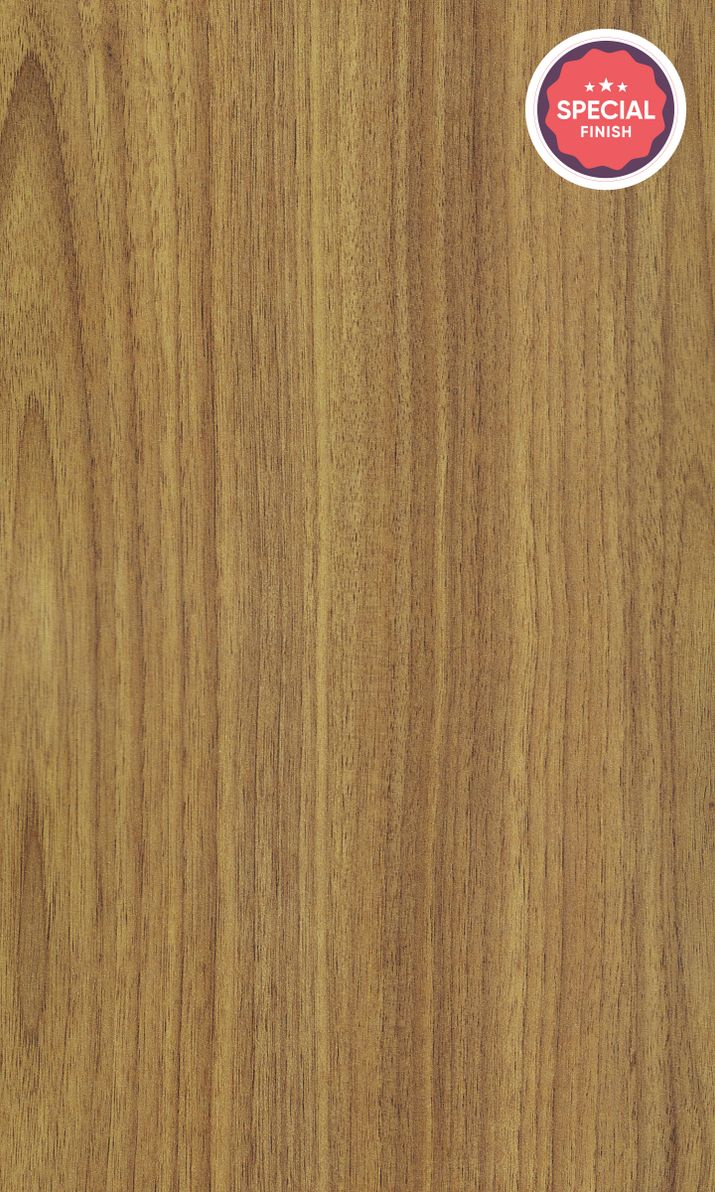
One of the most striking features of sugar walnut is its color. While traditional black walnut is known for its deep, chocolatey browns, sugar walnut often presents a warmer, more caramel or even golden-brown tone. This isn't a uniform color, though. You'll often find beautiful variations within the same piece of wood – lighter streaks mingling with darker ones, creating a natural, organic look. This depth and variation make it incredibly versatile. It can bring a cozy, inviting feel to a room, or it can add a touch of refined elegance, depending on how it's used and finished. Imagine a dining table made from sugar walnut; the interplay of colors would make every meal feel a bit more special, wouldn't it?
Grain Patterns: Nature's Own Artistry
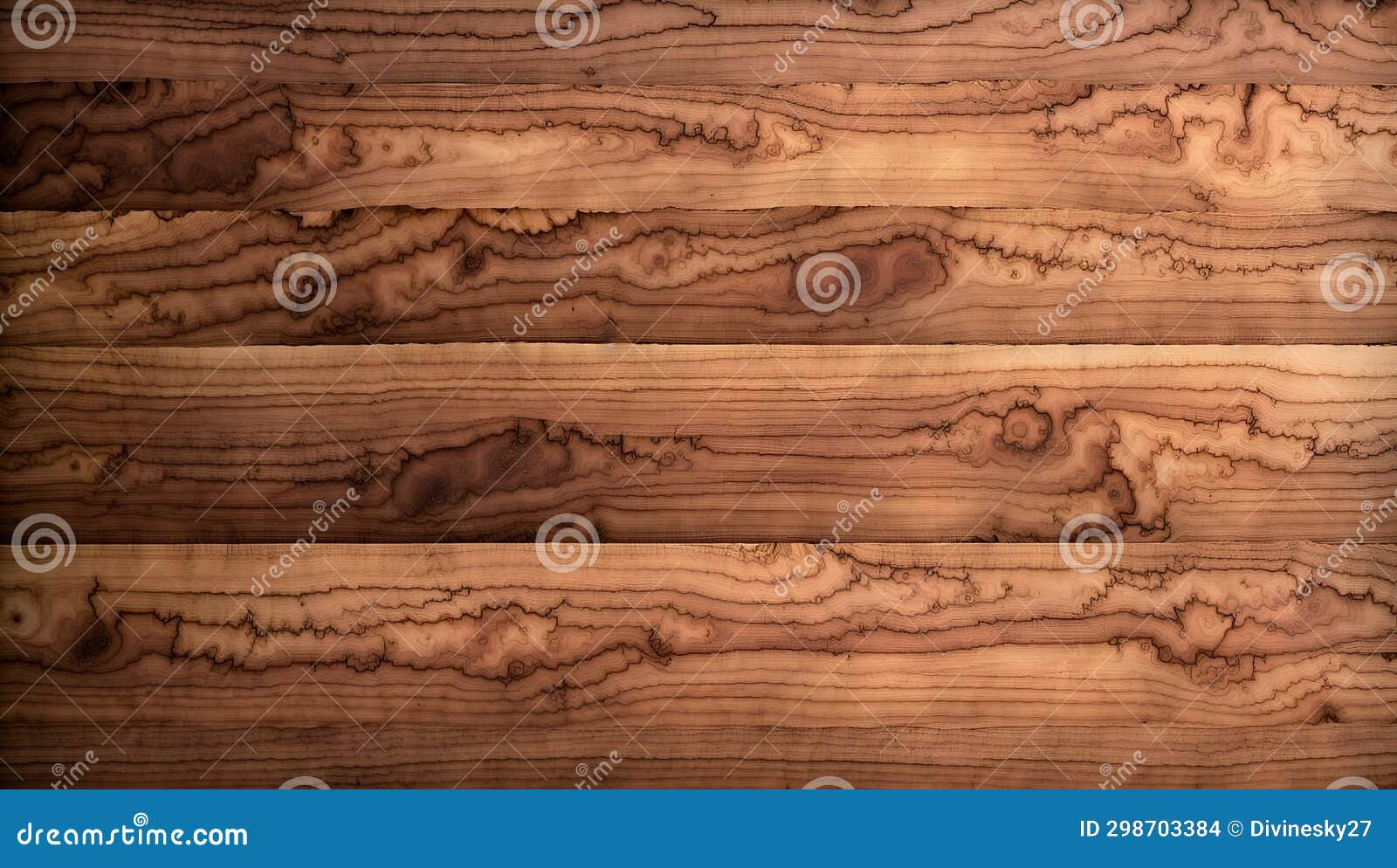
Beyond color, the grain of sugar walnut is a significant part of its appeal. Black walnut, in general, is celebrated for its attractive grain patterns, and sugar walnut is no exception. You might encounter straight grains, but it’s also common to find stunning wavy, curly, or even 'burl' patterns. These natural variations aren't flaws; they're unique characteristics that give each piece of furniture or cabinetry a distinct personality. A cabinet door made with sugar walnut featuring a subtle wave in the grain can become a focal point, a piece of functional art. This natural artistry means that no two sugar walnut pieces will ever be exactly alike, adding to their exclusivity and charm. It’s like having a small piece of nature’s masterpiece in your home.
Versatility in Application
So, where can you actually use sugar walnut in your interiors? The possibilities are quite extensive. Many designers love it for:
- Cabinetry: Kitchen cabinets or bathroom vanities crafted from sugar walnut offer a warm, sophisticated look that’s a welcome change from painted finishes or more common woods.
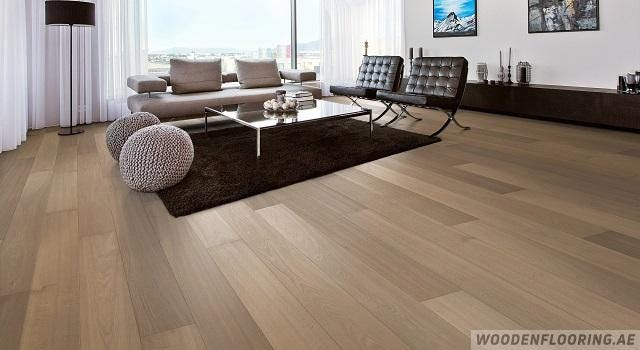
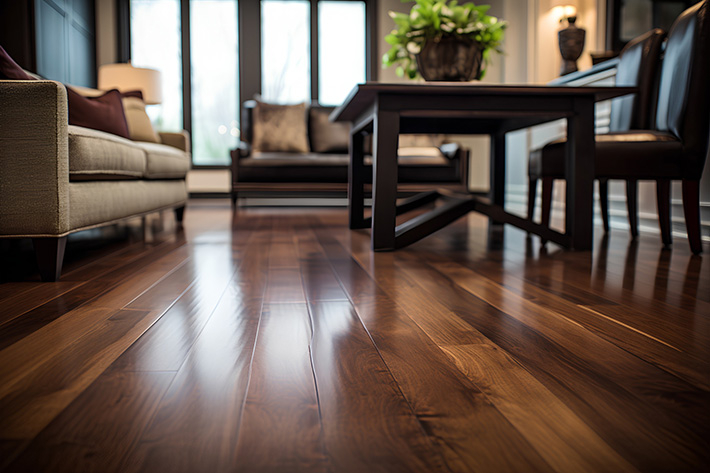
- Flooring: A sugar walnut floor brings an immediate sense of luxury and warmth underfoot, grounding the entire room.
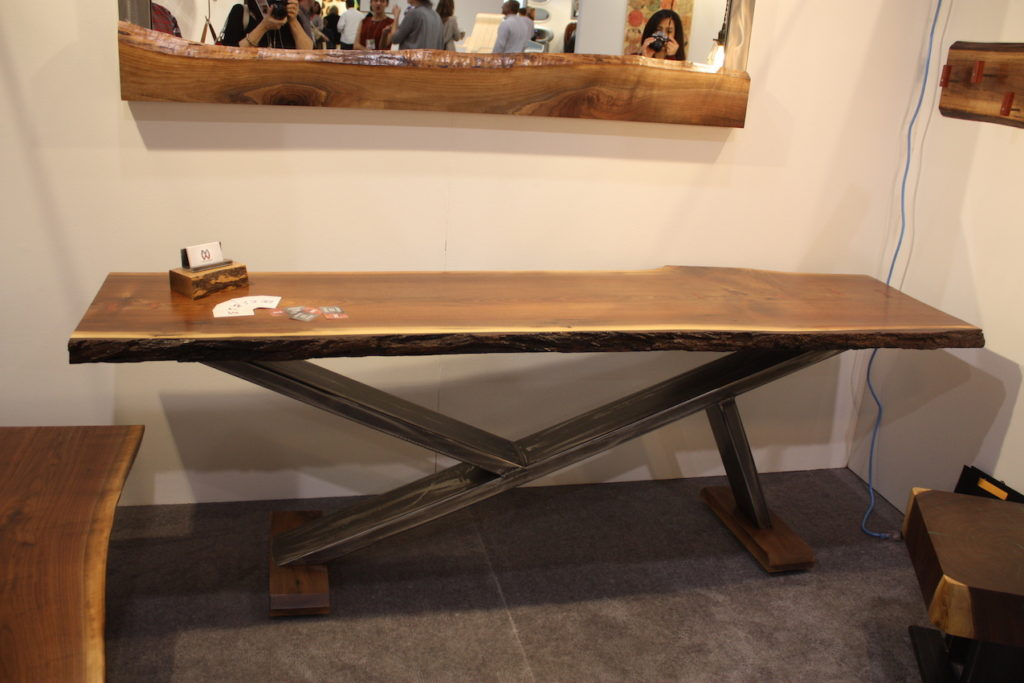
- Furniture: From dining tables and coffee tables to desks and bed frames, sugar walnut furniture is both beautiful and built to last. Think of a sleek, modern desk with a sugar walnut top – it balances contemporary design with natural warmth.
- Wall Paneling & Accents: Using sugar walnut for accent walls or architectural details can create a dramatic and high-end effect. It’s also fantastic for built-in shelving or decorative molding.
- Decorative Objects: Smaller items like bowls, cutting boards, or even custom-made picture frames can showcase the wood's beauty on a smaller scale.
Pairing Sugar Walnut with Other Materials
The real magic often happens when you start combining sugar walnut with other elements. Its warm tones make it surprisingly adaptable. Consider these pairings:
- With Metals: Sugar walnut looks stunning with brushed brass or matte black hardware. The warmth of the wood contrasts beautifully with the cool or dark tones of the metal, creating a sophisticated balance.
- With Stone: Imagine a kitchen island with a sugar walnut countertop paired with white quartz or a dark granite. It’s a classic combination that exudes elegance.
- With Textiles: Soft, neutral fabrics like cream, beige, or charcoal gray complement sugar walnut wonderfully, enhancing its natural warmth. For a bolder look, deep jewel tones like emerald green or sapphire blue can create a dramatic and luxurious feel when paired with this wood.
- With Other Woods: While it can stand alone, a carefully considered mix with lighter woods like maple or oak can add visual interest, but be mindful of creating too busy a look. It's often best to let the sugar walnut be the star.
Durability and Maintenance
As a hardwood, sugar walnut is inherently strong and resistant to dents and scratches, especially when compared to softer woods. This durability means that furniture and finishes made from sugar walnut can retain their beauty for years, even decades, with proper care. Maintenance is generally straightforward. For most finished pieces, a regular dusting with a soft cloth is sufficient. For surfaces that see more use, like tables or countertops, a gentle cleaning with a slightly damp cloth and mild soap is usually recommended, followed by drying. It’s always wise to avoid harsh chemicals or abrasive cleaners that could damage the finish or the wood itself. Properly sealed and cared for, sugar walnut is a material that ages gracefully, developing a richer patina over time rather than looking worn out.
Sugar walnut wood offers a unique blend of natural beauty, durability, and timeless elegance. Its warm color palette, distinctive grain patterns, and versatility make it an exceptional choice for anyone looking to bring a sense of sophisticated comfort into their interior spaces. Whether you’re undertaking a major renovation or simply looking to add a few key pieces, incorporating sugar walnut can undeniably elevate your design. It’s a material that speaks of quality and a deep appreciation for nature’s artistry, promising to create spaces that are not only visually stunning but also deeply inviting and enduring. So, next time you’re considering materials for your home, remember the warm embrace and subtle luxury that sugar walnut wood can provide.