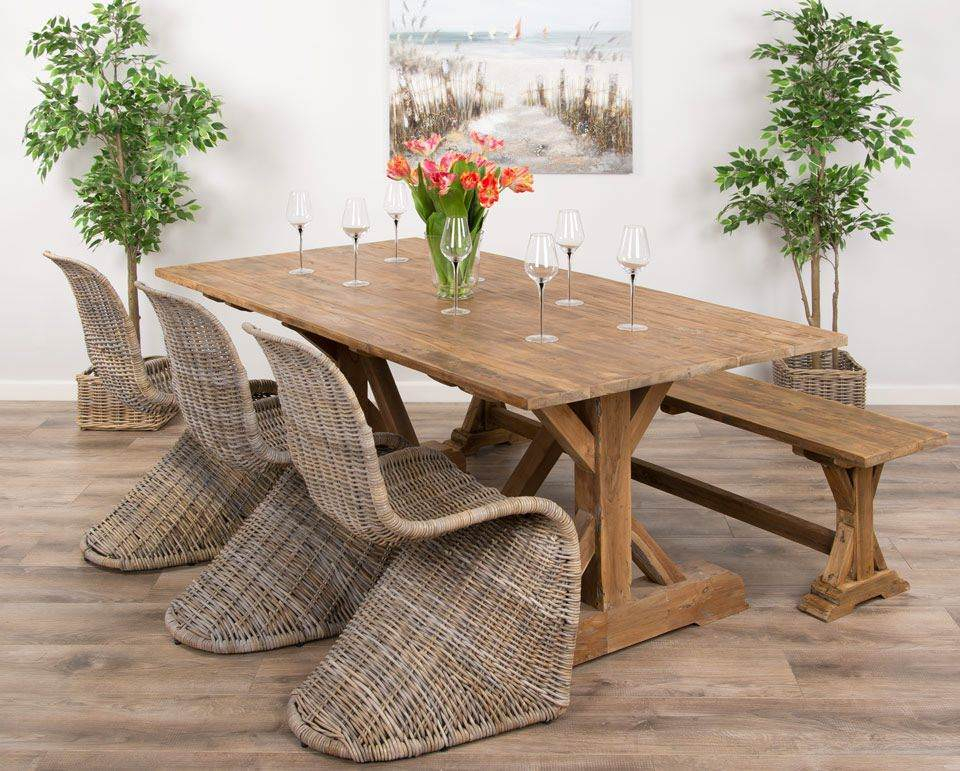
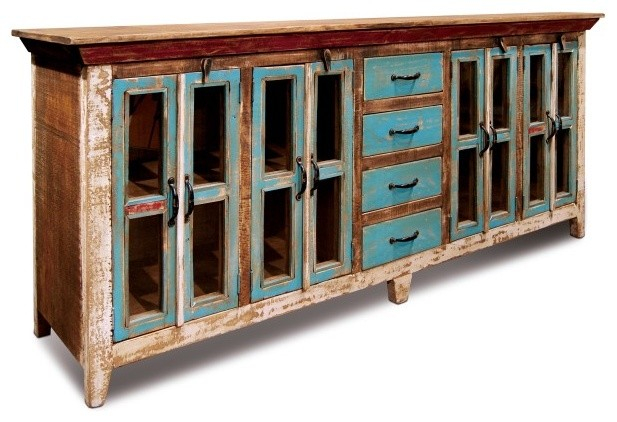
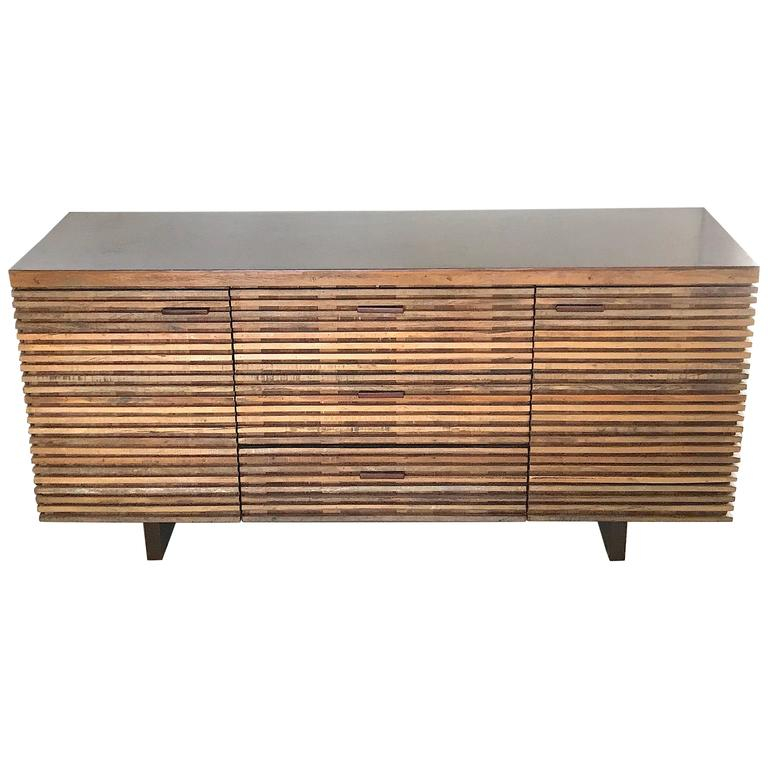
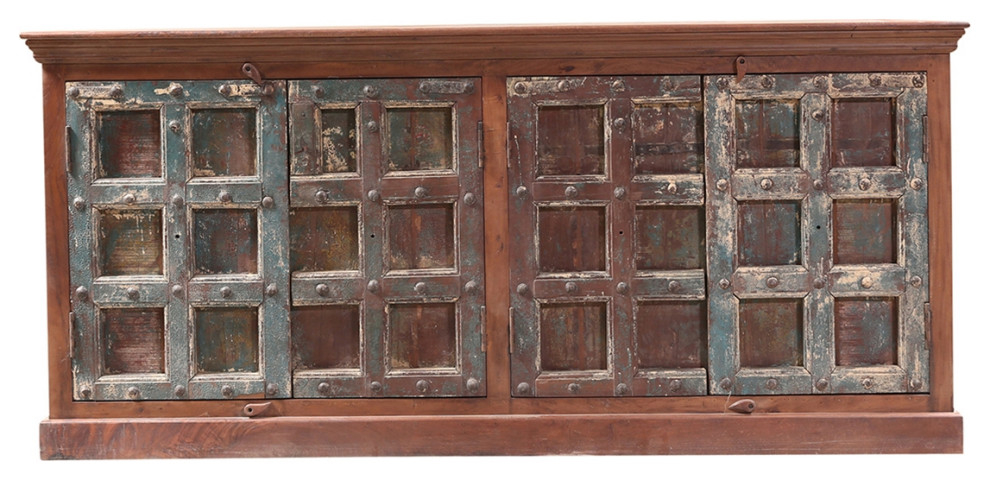
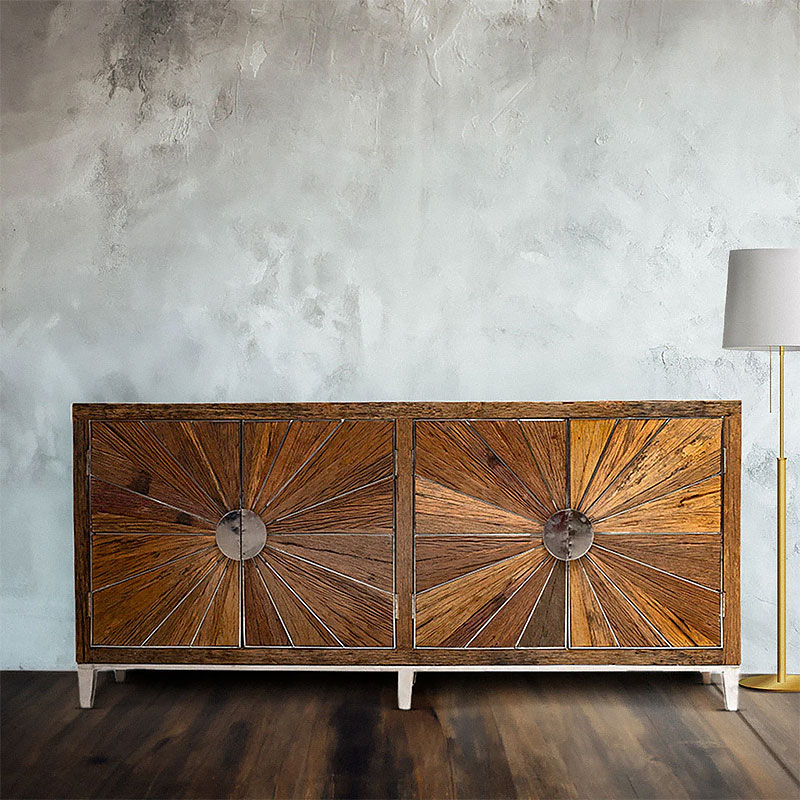
In today's world, we're all thinking a bit more about our footprint, right? We want our homes to be beautiful, functional, and a reflection of our values. That's where furniture like sideboards comes in. But have you ever stopped to consider the story behind the wood? Opting for a reclaimed wood sideboard isn't just about a rustic or vintage aesthetic; it’s a powerful statement about sustainability and a direct way to contribute to a healthier planet. Let's dive into why this choice makes such a difference.
Think about a beautiful, sturdy sideboard gracing your dining room or living space. It holds your cherished items, serves as a surface for entertaining, and adds a significant touch of character. Now, imagine that sideboard is crafted from wood that has lived a previous life – perhaps from an old barn, a disused factory, or even a historic building. This isn't just a quaint idea; it's a smart and eco-friendly decision. Reclaimed wood sidboards offer a unique blend of history, durability, and, most importantly, a substantial positive impact on our environment. It’s a way to bring timeless beauty into your home without compromising the future of our natural resources. So, what exactly makes this type of furniture so beneficial?
Reducing Deforestation and Preserving Forests
One of the most significant environmental advantages of using reclaimed wood is its direct impact on reducing deforestation. When we choose furniture made from salvaged timber, we lessen the demand for newly harvested trees. Forests are vital ecosystems, playing a crucial role in absorbing carbon dioxide, providing habitats for countless species, and regulating our climate. Every tree saved is a win for biodiversity and a step towards mitigating climate change. Instead of cutting down mature trees, which can take decades or even centuries to grow, we're giving perfectly good, already-processed timber a new lease on life. It’s like giving old materials a second chance to be useful and beautiful, and in doing so, we protect the living forests that are so essential for our planet’s health.
Lowering Carbon Emissions and Energy Consumption
The process of harvesting, transporting, and milling virgin timber is incredibly energy-intensive. It involves heavy machinery, long-distance transportation, and extensive processing, all of which contribute to greenhouse gas emissions. Reclaimed wood, on the other hand, bypasses most of these steps. The wood has already been processed once. While some cleaning, de-nailing, and re-milling are necessary, the overall energy consumption and associated carbon footprint are significantly lower compared to using new lumber. Think about it: you’re skipping the major energy drains of logging and initial processing. This means less fuel burned, fewer emissions released into the atmosphere, and a more energy-efficient approach to furnishing your home. It’s a smart way to furnish that’s also kinder to the air we breathe.
Minimizing Landfill Waste
When old buildings are demolished or renovated, vast amounts of materials, including wood, are often sent to landfills. This creates unnecessary waste and puts a strain on our already overburdened landfill sites. Reclaimed wood sideboards divert this valuable material from the waste stream. By repurposing this timber, we’re actively participating in the circular economy, turning potential waste into desirable, long-lasting products. It’s a fantastic example of upcycling, where discarded items are transformed into something of higher quality or value. This practice not only reduces the amount of trash we generate but also conserves the resources that would have been used to create new furniture from scratch. Every piece of reclaimed wood used is one less item contributing to landfill mass.
Unique Character and Enduring Quality
Beyond the environmental advantages, reclaimed wood furniture, including sideboards, offers something truly special: character. The wood often bears the marks of its past – nail holes, saw marks, weathered textures, and unique grain patterns – that tell a story. This adds a depth and warmth to a piece that new wood simply can't replicate. Furthermore, the timber used for reclamation often comes from old-growth forests. These trees grew slowly, resulting in denser, stronger wood with tighter grain. This means reclaimed wood can be incredibly durable and resistant to warping or decay, often outperforming newly harvested lumber. You’re not just buying furniture; you’re acquiring a piece with a history and a resilience that’s built to last for generations. It's a blend of art, history, and lasting quality.
Supporting Sustainable Practices and Local Economies
Choosing reclaimed wood sideboards often means supporting businesses that specialize in sourcing, processing, and crafting with salvaged materials. These businesses are often small and local, contributing to community economic development. They are dedicated to sustainable practices, actively working to preserve resources and reduce waste. By purchasing from them, you’re not only making an environmentally sound choice but also investing in businesses that align with your values. It’s a way to ensure that your decor decisions have a positive ripple effect, fostering a more sustainable and responsible industry. You’re essentially voting with your wallet for a greener future.
Practical Tips for Choosing Your Reclaimed Wood Sideboard
Ready to embrace the eco-friendly elegance of reclaimed wood? Here are a few pointers:
- Source Wisely: Look for reputable dealers who can tell you about the wood's origin and how it was processed. Transparency is key.
- Inspect for Quality: Even though it's reclaimed, check for solid construction, stable joints, and any necessary repairs.
- Consider the Finish: Reclaimed wood can be finished in various ways, from a natural, matte look to a polished sheen. Choose what best suits your style and the wood's inherent character.
- Think About Size and Style: Reclaimed wood sideboards come in many designs, from chunky, rustic pieces to more refined, contemporary styles. Measure your space and decide on the aesthetic you’re aiming for.
- Don't Fear Imperfections: Those knots, nail holes, and color variations are part of the charm and history. They make your piece unique.
So, when you’re looking for that perfect sideboard, consider the powerful environmental story a reclaimed wood piece can tell. It’s a choice that beautifully marries style, history, and a deep commitment to sustainability. By opting for reclaimed wood, you’re actively participating in reducing deforestation, lowering carbon emissions, diverting waste from landfills, and supporting responsible businesses. You’re bringing a piece of history into your home that’s not only visually stunning but also incredibly durable and eco-conscious. It’s a decision that feels good, looks good, and does good – a truly win-win situation for your home and for the planet we all share. It’s a tangible way to make a difference, one beautiful piece of furniture at a time.