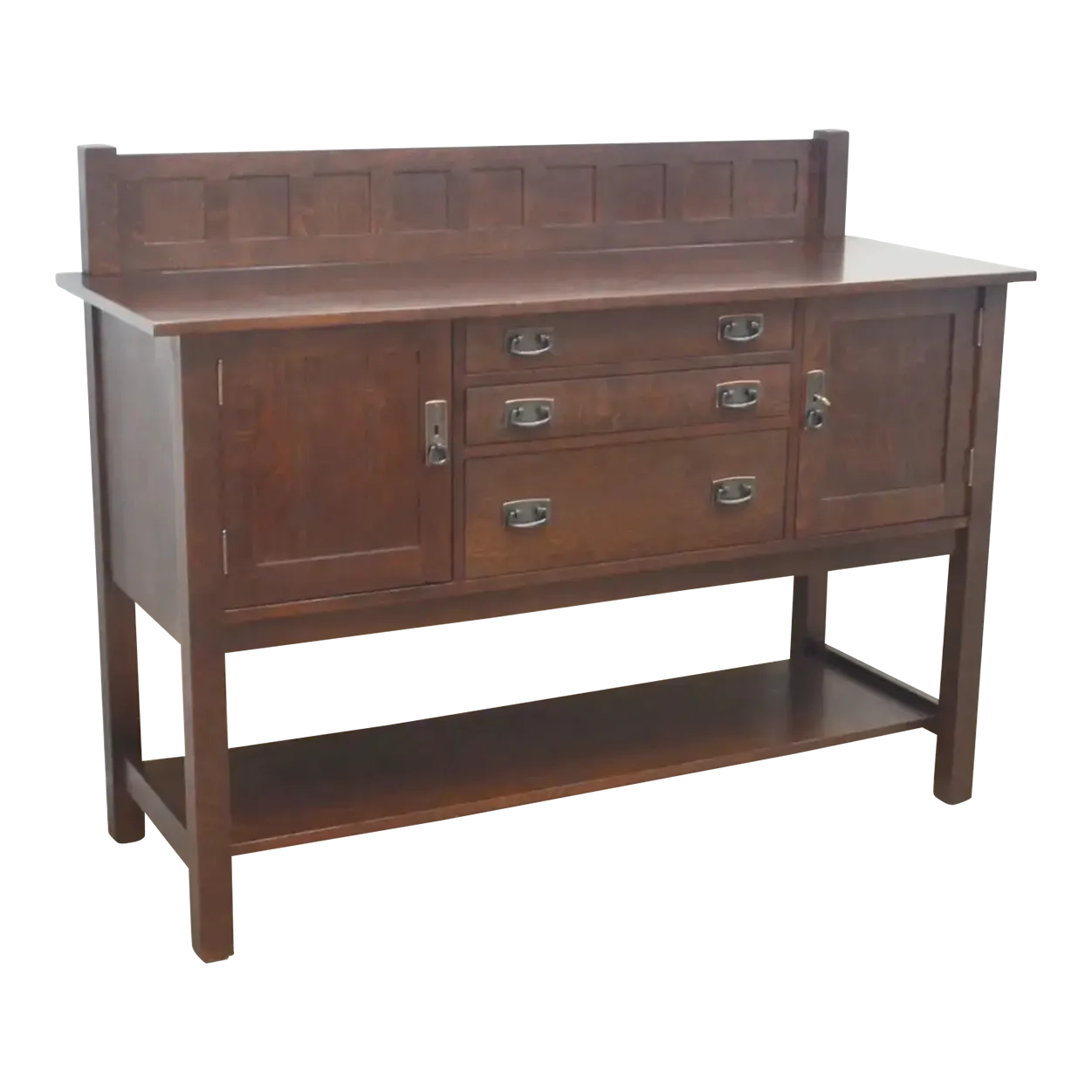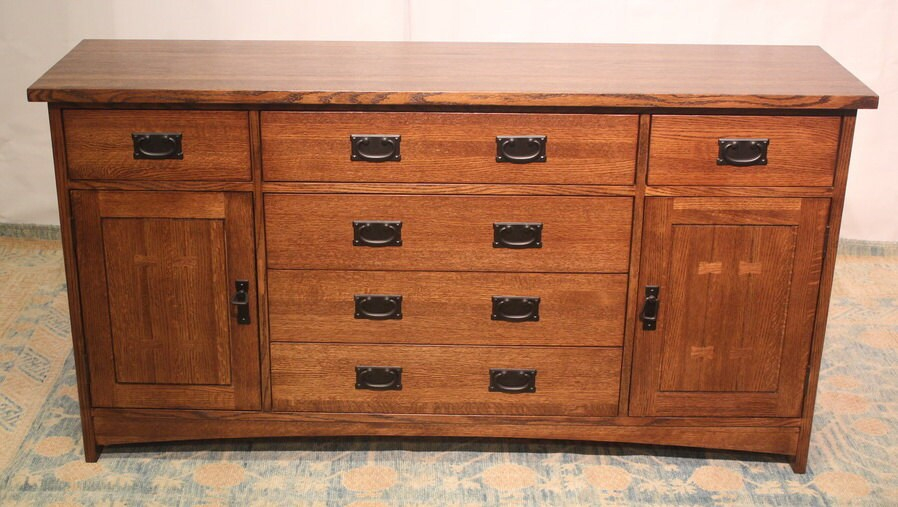
Have you ever walked into a room and felt an immediate sense of warmth and character? Often, a key piece of furniture plays a huge part in creating that feeling. For many, that piece is the Mission Oak sideboard. It’s more than just a place to put your dishes or store your linens; it’s a statement. But why has this particular style of furniture, born from a specific design movement, remained so beloved for so long? Let’s unravel the story behind its lasting popularity.
The Mission Oak sideboard, a cornerstone of Arts and Crafts furniture, carries with it a rich history and a distinct aesthetic. Think sturdy construction, simple lines, and a deep appreciation for natural materials. These pieces aren't just functional; they're crafted with a sense of purpose and artistry. In an era of fast furniture and fleeting trends, the Mission Oak sideboard stands as a testament to quality and timeless design. It’s like an old friend in your home, reliable and full of character. But what truly makes it resonate with people today? We're going to explore that.
The Roots of the Style: Arts and Crafts Movement
To understand the sideboard's appeal, we need to go back to the late 19th and early 20th centuries. The Arts and Crafts movement was a reaction against the ornate, mass-produced furniture that was becoming popular. Think of it as a return to craftsmanship. Designers and artisans championed simplicity, honest materials, and functional beauty. Gustav Stickley, a major figure, popularized the Mission style, characterized by its clean lines, exposed joinery, and use of solid oak – hence, 'Mission Oak.' This wasn't just about furniture; it was a philosophy of living that valued quality, utility, and the beauty of the handmade. These sideboards were built to last, reflecting a desire for permanence in a rapidly changing industrial world.
Key Design Elements That Endure
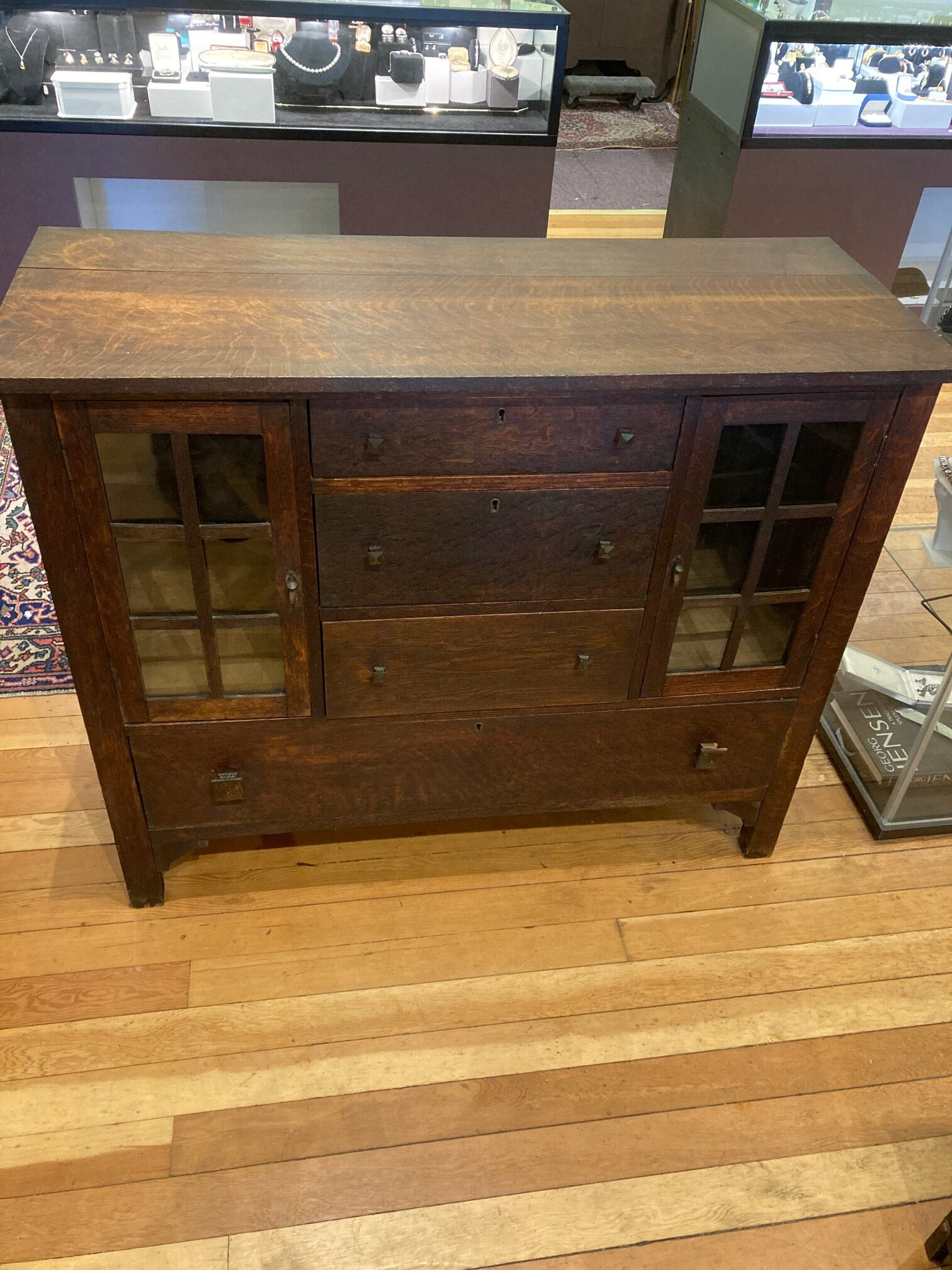
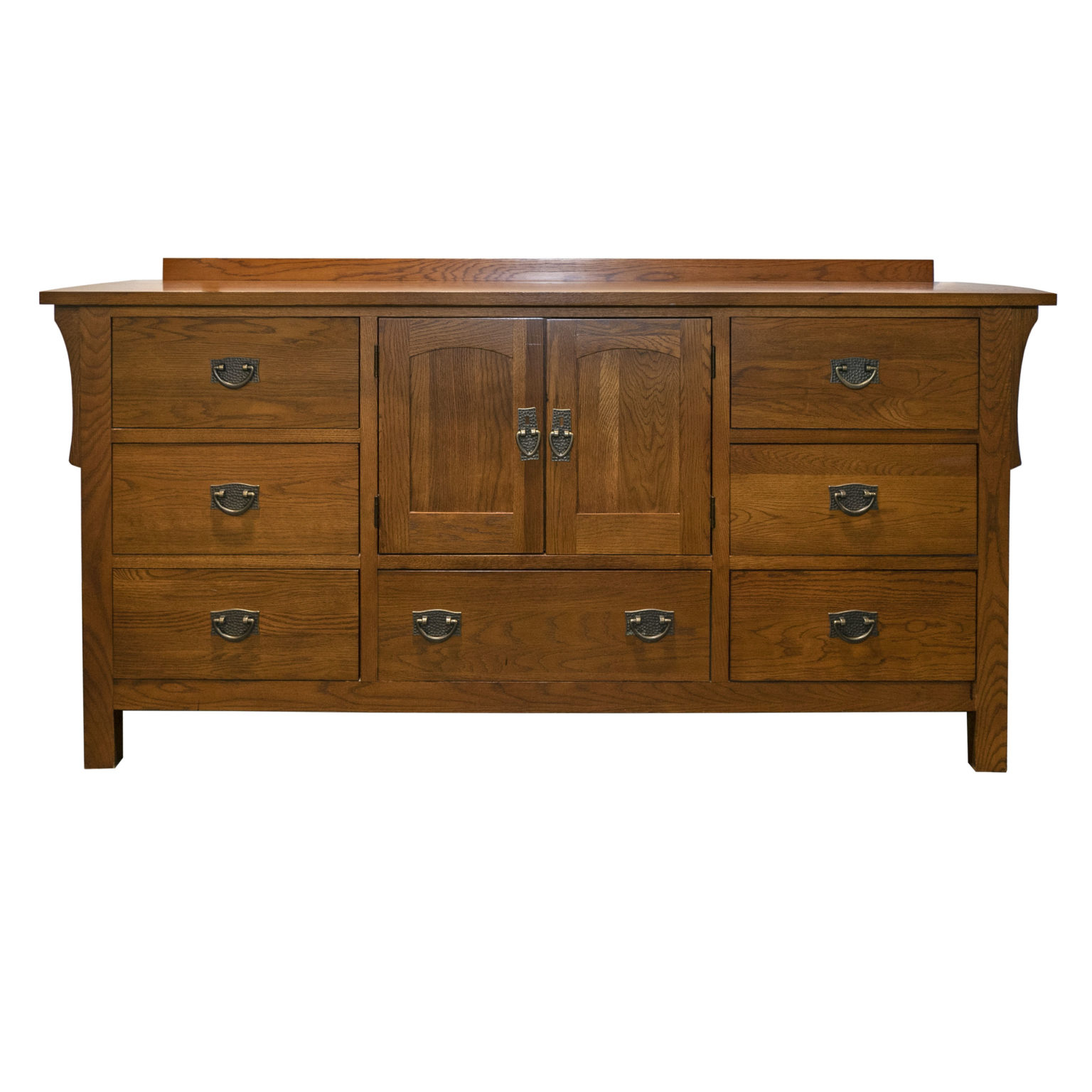
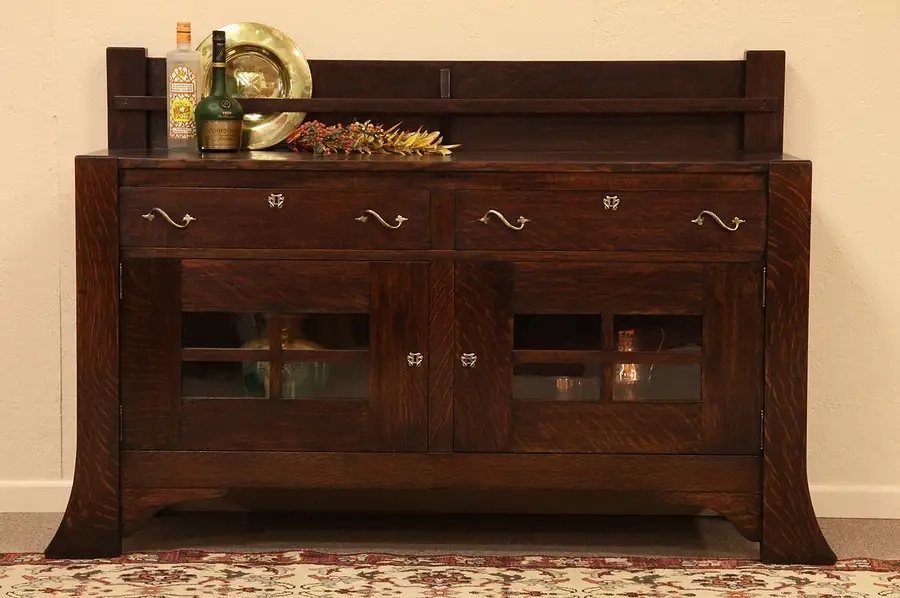
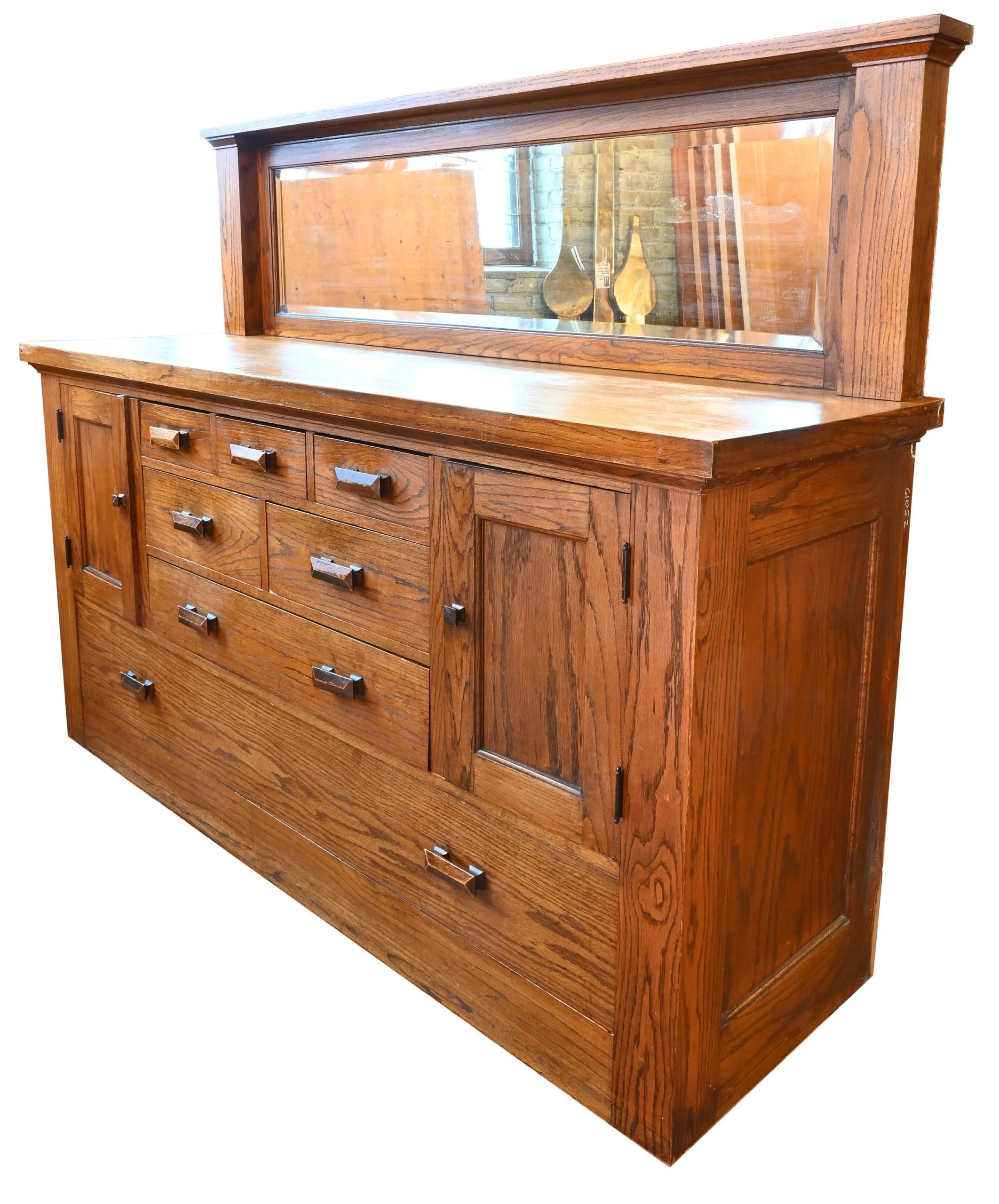
What makes a Mission Oak sideboard instantly recognizable? Several key features contribute to its distinctive look and lasting appeal. Primarily, the material: solid oak, often quarter-sawn, which gives it that beautiful, wavy grain pattern. Then there are the lines – straight, strong, and unadorned. You’ll often see mortise and tenon joinery, a sign of robust construction, sometimes left visible as a design element. Hardware is typically simple, perhaps hammered copper or wrought iron. The finishes are usually natural, allowing the wood's inherent beauty to shine through, often in rich, warm tones. These aren't fussy pieces; their strength lies in their simplicity and the quality of their construction. They possess a quiet confidence, don't you think?
Functionality Meets Form: Practicality in Design
Beyond its aesthetic, the Mission Oak sideboard is incredibly practical. Designed for everyday use, sideboards (or buffets, as they were often called) offered ample storage for dining essentials – plates, silverware, tablecloths, and more. The top surface provided a convenient place for serving food or displaying decorative items. The drawers were perfect for smaller items, and the cabinet sections could hold larger pieces. This blend of form and function is a hallmark of good design, and the Mission Oak sideboard delivers it in spades. It's a piece that works hard in your home, day in and day out, without ever looking out of place. It's the kind of furniture that makes life a little easier and a lot more beautiful.
Versatility in Modern Homes
You might think a style so rooted in history wouldn't fit into contemporary interiors, but you'd be wrong. The Mission Oak sideboard’s clean lines and natural materials make it surprisingly versatile. It can anchor a dining room, adding warmth and character to a more modern setting. In a living room, it can serve as a media console or a stylish storage solution. Even in a bedroom, it can add a touch of rustic elegance. Its solid presence and understated design allow it to complement a wide range of decor styles, from minimalist to eclectic. It’s a piece that can bridge different design eras, bringing a sense of history and substance to any space. It’s amazing how a well-made piece of furniture can adapt, isn't it?
The Value of Craftsmanship and Durability
In a world where many furniture items are designed for a shorter lifespan, the Mission Oak sideboard represents exceptional value. Built with solid wood and traditional joinery techniques, these pieces are incredibly durable. Many antique Mission Oak sideboards are still in use today, a testament to their superior craftsmanship. Investing in a Mission Oak sideboard isn't just buying furniture; it's acquiring a piece of history that can be passed down through generations. This focus on longevity and quality resonates deeply with consumers who are increasingly looking for sustainable and long-lasting options. It’s about owning something that’s made with care and built to endure, a stark contrast to the disposable nature of much modern production.
Where to Find and Care for Your Mission Oak Sideboard
Finding a genuine Mission Oak sideboard today often means looking at antique stores, estate sales, or reputable vintage furniture dealers. While new reproductions exist, the charm of an original piece, with its history and patina, is often unmatched. When you find one, proper care is essential to preserve its beauty and integrity. Regular dusting with a soft cloth is key. For cleaning, use a wood cleaner specifically designed for oak, and always test in an inconspicuous area first. Avoid harsh chemicals or excessive moisture. Protecting the finish from direct sunlight and heat will also help prevent fading and drying. With a little attention, your Mission Oak sideboard will continue to be a cherished part of your home for years to come. It’s a small investment of time for a big return in enduring beauty.
The popularity of the Mission Oak sideboard is no accident. It’s a culmination of thoughtful design, superior craftsmanship, and a deep respect for natural materials. It embodies the spirit of the Arts and Crafts movement – a desire for beauty, utility, and enduring quality. Whether you’re drawn to its historical significance, its clean aesthetic, or its practical functionality, the Mission Oak sideboard offers a compelling blend of style and substance. It’s more than just storage; it’s a piece of art, a connection to the past, and a valuable addition to any home that appreciates timeless design. It truly is furniture with a story, and one that continues to write new chapters in homes across the country.