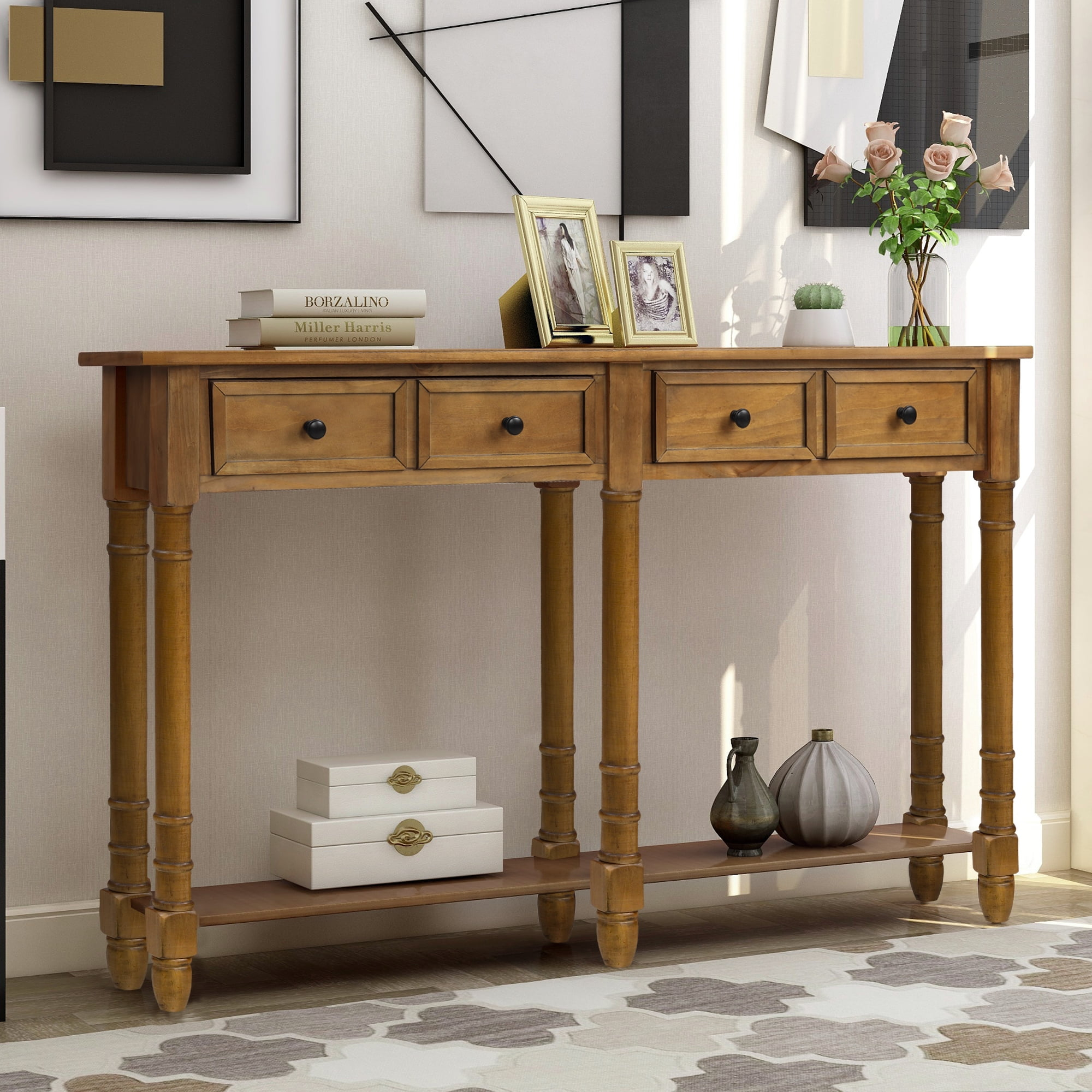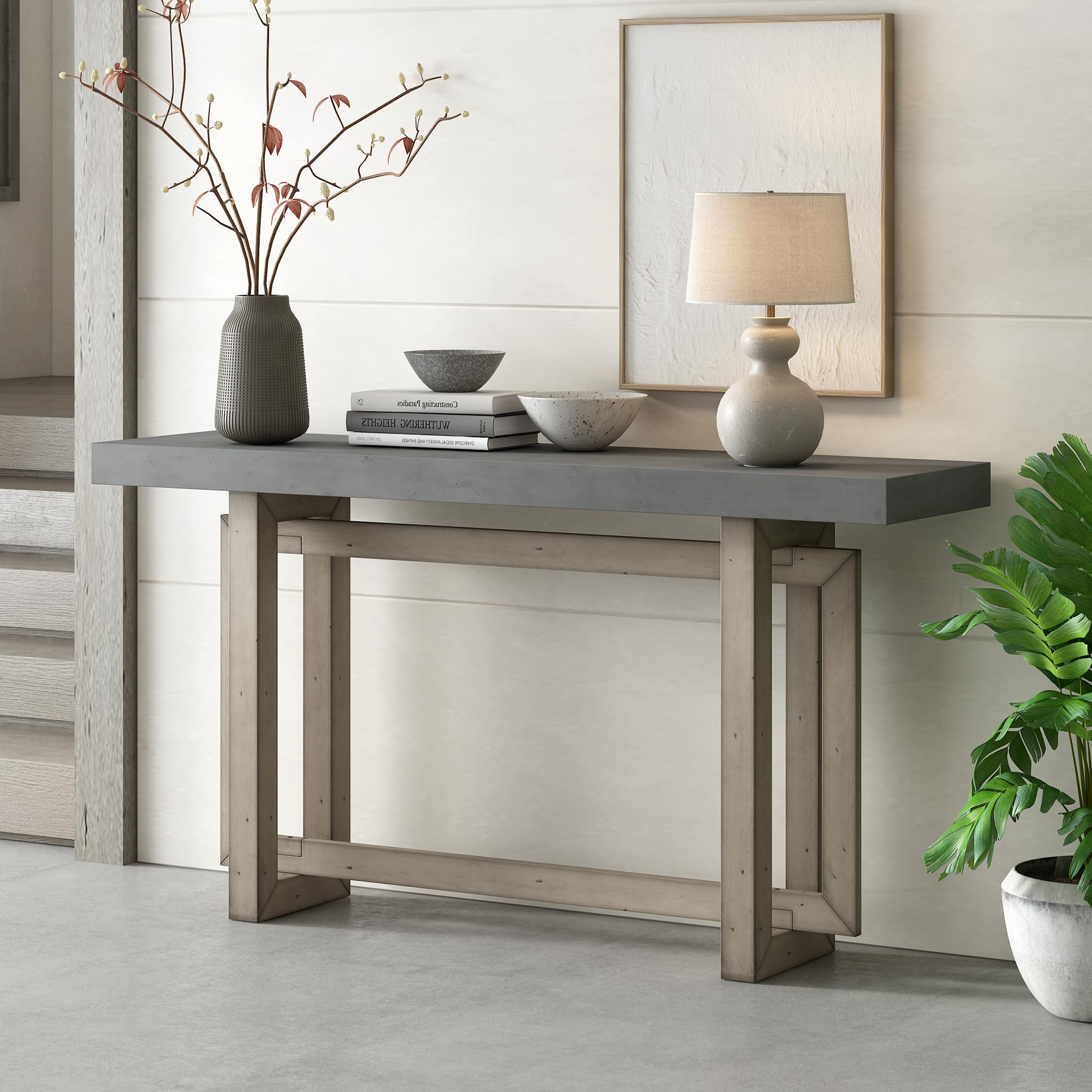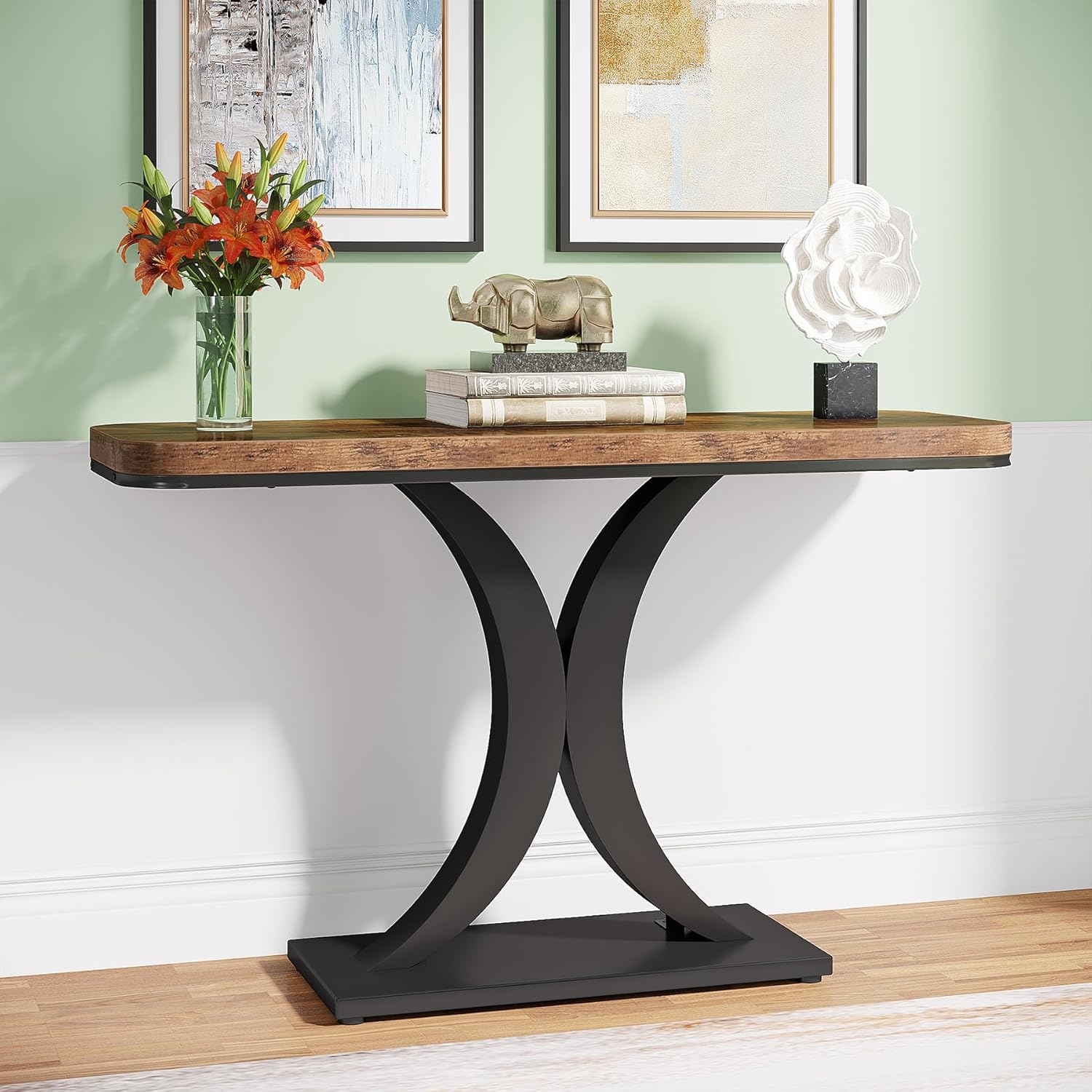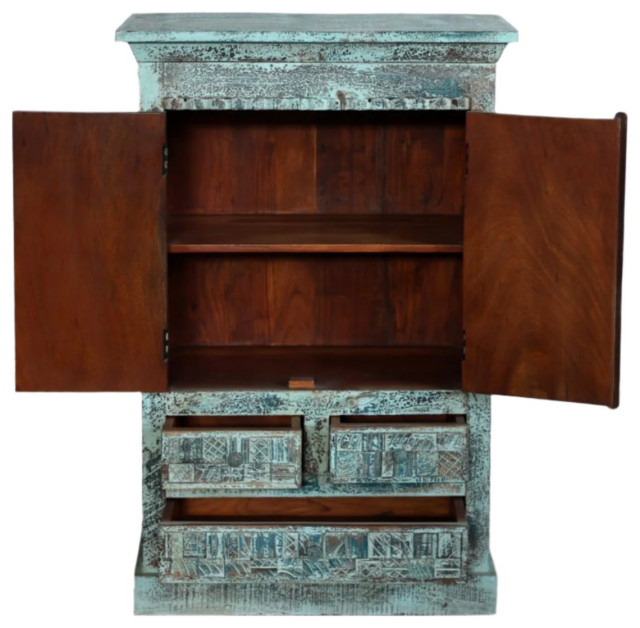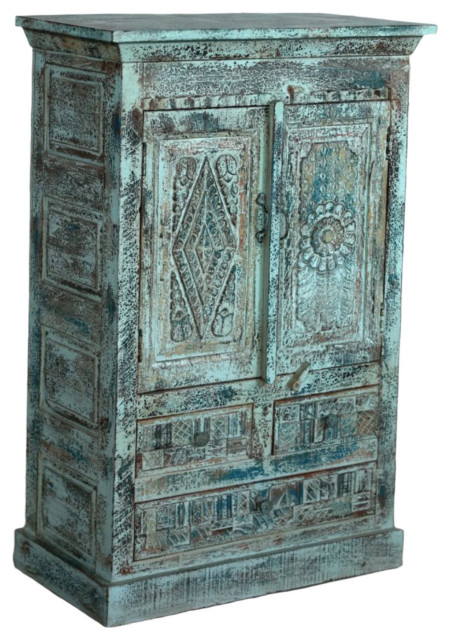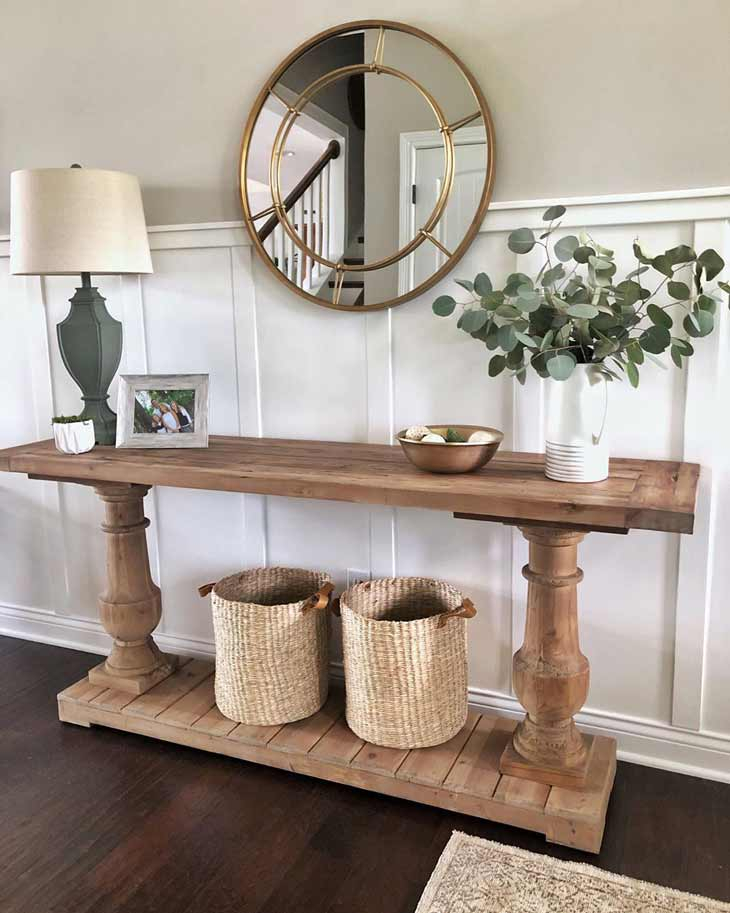
We often see them, these beautiful, sometimes quirky, pieces of furniture that greet us right at the threshold of our homes. An accent table, perhaps, holding keys or a small potted plant. But what if I told you that unassuming table, particularly one you snagged from a consignment shop, is a veritable treasure trove of tales? It's not just a surface; it's a silent bard, humming with the echoes of lives lived and spaces transformed. My expertise, having spent decades delving into the subtle nuances of these secondhand treasures, tells me there's always more than meets the eye. And today, we're going to pull back the curtain and truly see them.
Imagine this: you walk into your home, and there it is, a charming accent table in the entryway. Maybe it's a sleek mid-century modern piece, or perhaps a rustic, hand-carved beauty. You loved it the moment you saw it at that consignment store, drawn to its unique character. But have you ever paused to consider its journey before it arrived in your foyer? This isn't merely about interior design or a good deal; it's about uncovering the layers of narrative that cling to these objects like dust motes in sunlight. As someone who has dedicated their professional life to understanding the profound connection between people and their possessions, I can tell you, the story of a consigned piece is often far richer and more compelling than anything you'd buy brand new. It's an exploration of history, style, and human connection, all wrapped up in a functional piece of furniture.
The Initial Spark: Why Consignment?
Let's begin at the very beginning, shall we? Why do items end up in consignment shops in the first place? It's rarely a simple 'get rid of it' scenario. Often, it's tied to significant life transitions. Think about it: a downsizing empty-nester, a couple blending two households, or even someone inheriting furniture that doesn't quite fit their aesthetic. Each of these situations carries an emotional weight, a story of letting go and making space for something new. For instance, I once helped a client trace the origins of a beautiful, slightly chipped Victorian side table. It turned out it had belonged to a beloved grandmother, and while cherished, the family simply didn't have the space. Passing it on, through consignment, was a way to ensure it found a new home where it would be appreciated, rather than relegated to an attic. Understanding this initial 'spark' helps us appreciate the table not just as an object, but as a testament to evolving lives.
Whispers of Previous Lives: Decoding Wear and Tear
One of the most fascinating aspects of a consigned piece is its 'patina' – the subtle signs of age and use. A scratch here, a slight fade there, a softened edge. These aren't flaws; they're historical markers. Think of that small, almost imperceptible ring mark on the surface of your accent table. Was it from a forgotten teacup, left by someone engrossed in a book? Or perhaps a child's toy, accidentally scraped across it during playful moments? I remember a particularly charming small demilune table I encountered. It had a very faint, almost ghostly, outline of what appeared to be a small, circular vase. It suggested a consistent placement, perhaps a weekly bouquet of fresh flowers, a ritual in its previous home. These tiny imperfections, these 'wounds' if you will, are the table's way of whispering about its past. They invite us to imagine, to speculate, and to connect with the anonymous individuals who interacted with it before us. This is where the detective work truly begins, and it's incredibly rewarding.
Style as a Time Capsule: What Does the Design Tell Us?
The design of your accent table itself is a powerful narrator. Is it a sleek, minimalist piece from the 1970s, reflecting a shift towards utilitarian elegance? Or a heavily ornate, dark wood table from an earlier era, suggesting a more formal past? Each design period, each stylistic choice, is a reflection of the societal values and prevailing aesthetics of its time. A client once brought me a small, rather unassuming oak table. Its clean lines and simple construction pointed to the Arts and Crafts movement, a period valuing craftsmanship and natural materials. We discovered it likely came from a home built around the turn of the 20th century, a time when people sought to reject industrial mass production. The table wasn't just furniture; it was a physical embodiment of a philosophical movement. By learning a little about furniture history, you can start to decipher these stylistic clues and place your table within a broader cultural context, making it far more than just a place to put your mail.
The Journey Through the Consignment Shop: A Liminal Space
The consignment shop itself is a crucial part of the table's journey. It's a liminal space, a 'between place' where objects pause before finding their next purpose. Think of the stories these shops could tell! The staff often have incredible insights, having handled countless items and observed their transitions. They see the initial reluctance of sellers, the cautious curiosity of buyers, and the eventual joy when a piece finds a new home. I've spent countless hours in these shops, not just browsing, but observing the subtle interactions. The way a potential buyer might run their hand over a surface, testing its texture, or peer underneath, checking for stability. This period in the shop adds another layer to the table's narrative – a waiting period, a moment of transition, before its next chapter begins. It's like a quiet interlude in a grand novel, full of anticipation.
Your Home, Its New Chapter: A Narrative Continues
And then, it arrives in your home. This is where the table's narrative truly intertwines with your own. It's no longer just a consigned item; it becomes your accent table. What new stories will it witness? Will it hold your children's artwork, a stack of holiday cards, or a bowl of fresh fruit? The way you use it, the objects you place upon it, the conversations that happen around it – these all become part of its ongoing story. I've seen a sturdy, somewhat plain table from an old office transform into a beloved family game night hub, covered in board games and snacks. Its purpose shifted, and its identity evolved. You are not just a buyer; you are a co-author of its continuing narrative. And this is the beauty of consignment: you're not just acquiring an object, you're inheriting a legacy and adding to it, making it uniquely yours.
Embracing the Unseen: Connecting with Your Table's Soul
Ultimately, discovering the narrative behind your consigned accent table is about more than just curiosity; it's about fostering a deeper connection with the objects in your home. In a world of mass-produced, disposable goods, a consigned piece offers a refreshing antidote. It has character, history, and a soul, if you will. Take a moment. Touch its surface. Feel the subtle imperfections. Imagine the hands that rested upon it before yours, the laughter it might have heard, the quiet moments it witnessed. By embracing its unseen history, you transform a simple piece of furniture into a cherished artifact, a silent storyteller in your entryway. It’s a powerful reminder that everything around us, even the most mundane items, holds a universe of stories waiting to be discovered, if only we take the time to listen. It truly enriches our living spaces and our lives.
So, the next time you walk past that consigned accent table in your home's entrance, I hope you'll see it with new eyes. It's not just a functional piece; it's a living, breathing testament to journeys taken, lives lived, and stories waiting to be told. From its initial departure from a previous home, through its brief pause in the consignment shop, to its new life within your walls, every scratch, every faded patch, every design detail contributes to its rich and compelling narrative. By understanding and appreciating these layers of history, you don't just furnish your home; you curate a space filled with meaning, connection, and timeless stories. And that, my friends, is the true artistry of a well-loved, well-traveled piece of furniture.