As someone who has spent decades immersed in the world of home furnishings, I've seen countless trends come and go. Yet, certain brands manage to carve out a unique niche, a signature style that resonates deeply with consumers. Picket House and Turner Furniture are prime examples of this phenomenon. They've cultivated an aesthetic that's instantly recognizable, a blend of comfort, sophistication, and a touch of something truly special. But what exactly is it that makes their design language so distinctive. Let's pull back the curtain and truly unpack it.
When we talk about furniture, we often categorize it: traditional, modern, farmhouse, industrial, and so on. But Picket House and Turner, while drawing inspiration from various periods and styles, somehow transcend easy classification. Their aesthetic isn't about fitting neatly into a box; it's about creating an atmosphere, a feeling. It's that elusive quality that makes you say, 'I love this room, but I can't quite put my finger on why.' This isn't accidental. It's the result of a deliberate and thoughtful approach to design, one that prioritizes livability, timelessness, and a certain je ne sais quoi.
Material Mastery: The Foundation of Their Look
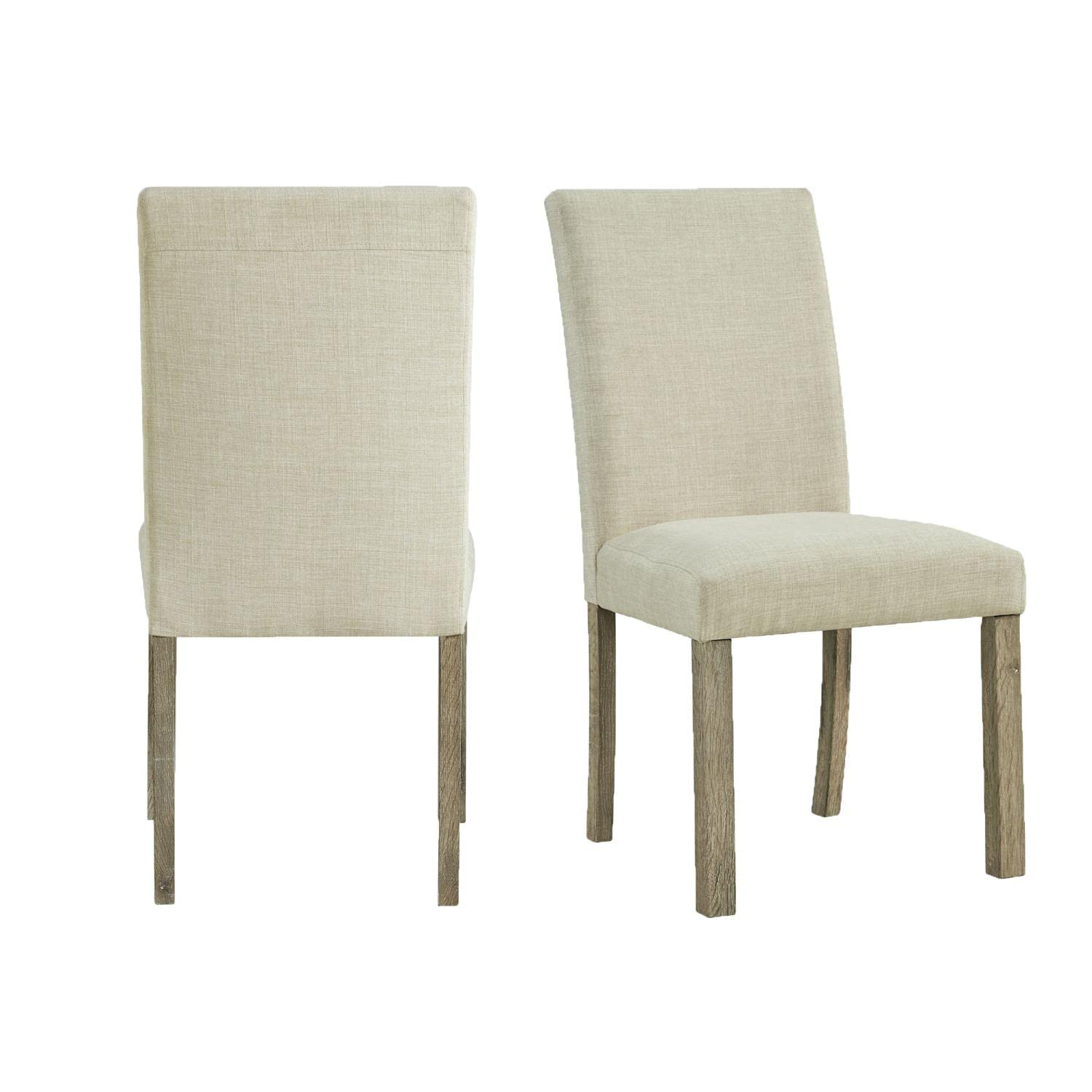
One of the most immediate differentiators in the Picket House Turner aesthetic is their masterful use of materials. They don't just pick woods and fabrics; they select them for their inherent character, their texture, and how they interact with light and shadow. Think about it: you'll often see rich, deeply grained hardwoods, sometimes with a distressed finish that whispers stories of time. Then, they pair these with plush, inviting fabrics – think velvets, chenilles, or even a sophisticated linen blend. This interplay of hard and soft, rough and smooth, creates a tactile experience that's incredibly appealing. It's not just about what you see, but what you feel. And this thoughtful juxtaposition of textures adds layers of visual interest and a sense of luxury without being ostentatious. It's approachable elegance, if you will.
The Art of the Curve: Softening the Edges
While many contemporary designs lean into sharp lines and minimalist forms, Picket House and Turner often embrace the subtle power of curves. You'll notice this in the gentle arch of a headboard, the rounded arms of a sofa, or the delicate scrollwork on a table leg. These curves aren't overly ornate; they're graceful and inviting, softening the overall appearance of a piece and making a room feel more welcoming. This isn't to say they avoid straight lines entirely. Rather, they use curves as a counterpoint, creating a harmonious balance that feels organic and comfortable. It's a small detail, but it speaks volumes about their commitment to creating spaces that feel lived-in and loved.
Color Palettes that Soothe and Inspire
Their color palettes are another key element. You won't typically find jarring, overly bright colors in their collections. Instead, they favor a sophisticated range of neutrals: warm grays, muted blues, creamy off-whites, and earthy browns. These foundational colors are then often accented with deeper, richer tones – a deep sapphire, a forest green, or a rich burgundy – used sparingly to add depth and a touch of drama. The beauty of this approach is its versatility. These palettes create a calming backdrop that allows personal touches and decorative elements to shine. It's a timeless approach that ensures their pieces won't quickly go out of style, making them a smart investment for any home.
Functional Elegance: Design with Purpose
Beyond the visual appeal, the Picket House Turner aesthetic is deeply rooted in functionality. These aren't just pretty pieces; they're designed to be used, lived with, and enjoyed. Drawers glide smoothly, upholstery is durable, and construction is robust. They understand that furniture isn't just about looking good; it's about making daily life more comfortable and convenient. This commitment to practical design doesn't detract from their aesthetic; in fact, it enhances it. When something is well-made and serves its purpose beautifully, it inherently possesses a certain elegance. It's about thoughtful details that make a difference in how you interact with your living space every single day.
The 'Collected Over Time' Illusion
Perhaps the most unique aspect of the Picket House Turner aesthetic is its ability to make a newly furnished room feel as if it has been lovingly curated over many years. This isn't about matching everything perfectly. Instead, it's about creating a cohesive look through subtle variations in finish, texture, and form. You might find a distressed wood cabinet next to a plush velvet sofa, or a metal-accented coffee table paired with a fabric armchair. These deliberate divergences prevent a room from feeling 'showroom perfect' and instead imbue it with personality and character. It's an artful blend of old and new, sophisticated and relaxed, that creates an inviting and authentic home environment. This is where their true mastery lies – in making a new space feel instantly familiar and deeply personal.
More Than Just Furniture: Creating a Lifestyle
Ultimately, the Picket House and Turner aesthetic is about more than just individual pieces of furniture. It's about creating a lifestyle, an atmosphere. It's about designing spaces that feel like a warm embrace, places where you can relax, entertain, and truly be yourself. They understand that a home isn't just a collection of objects; it's a sanctuary, a reflection of who you are and how you live. Their designs speak to a desire for comfort, quality, and enduring style, without ever feeling stuffy or unapproachable. This human-centered approach is what truly sets them apart and ensures their continued relevance in a constantly evolving design landscape.
In a world often dominated by fleeting trends, the Picket House and Turner aesthetic stands as a testament to the power of thoughtful, human-centric design. Their unique blend of material mastery, graceful forms, soothing palettes, and functional elegance creates spaces that are not only beautiful but also deeply livable. It's an aesthetic that doesn't scream for attention but rather whispers a promise of comfort and enduring style. As an expert who has watched and studied the industry for decades, I can confidently say that their approach is not just about selling furniture; it's about enriching lives through the art of the home. And that, my friends, is what makes their aesthetic truly unique and why it continues to captivate so many.

![[B!] Why You Should Choose A Classic Picket Fence for](https://cdn.buildsimplehouse.com/2025/07/b-why-you-should-choose-a-classic-picket-fence-for.jpeg)