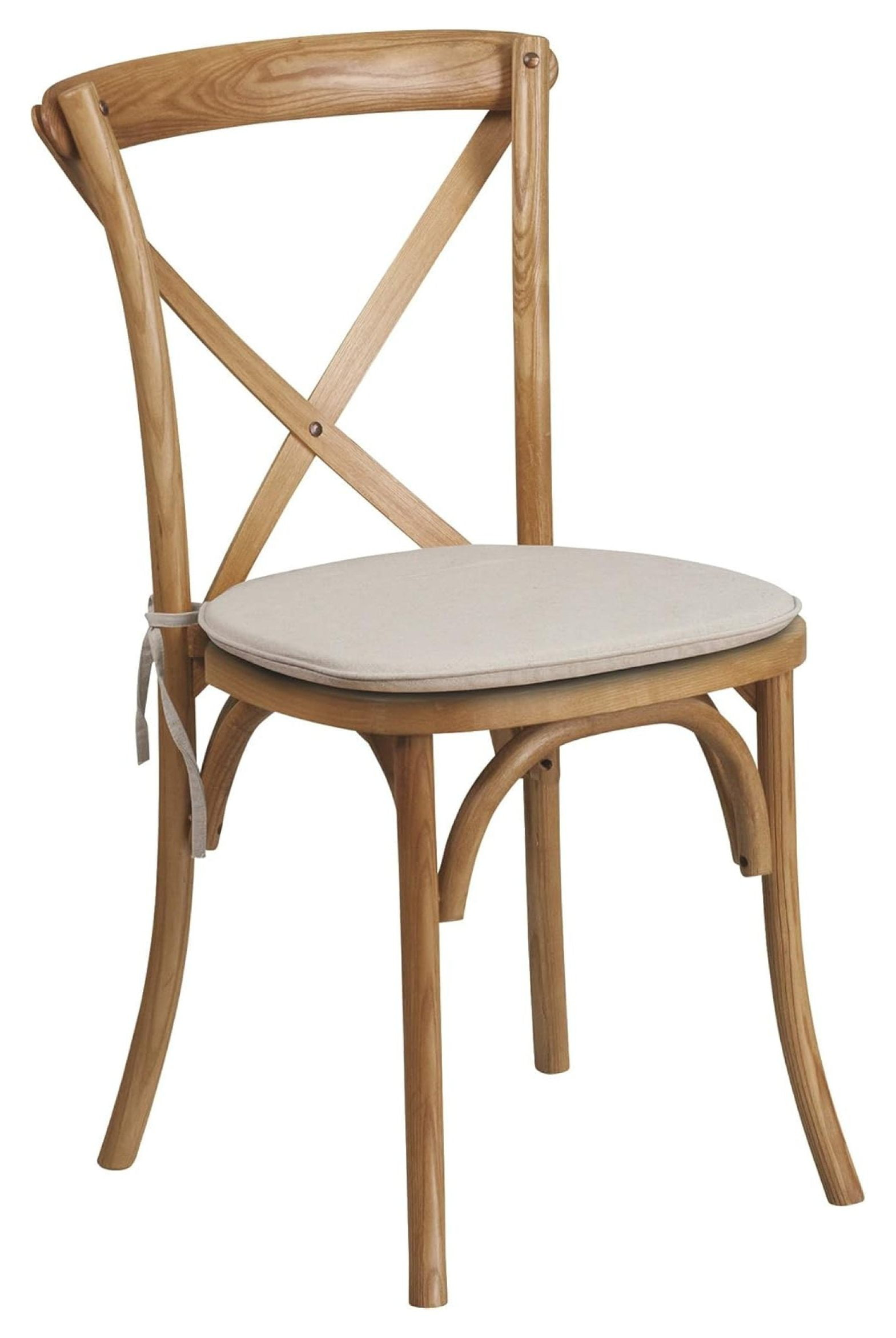
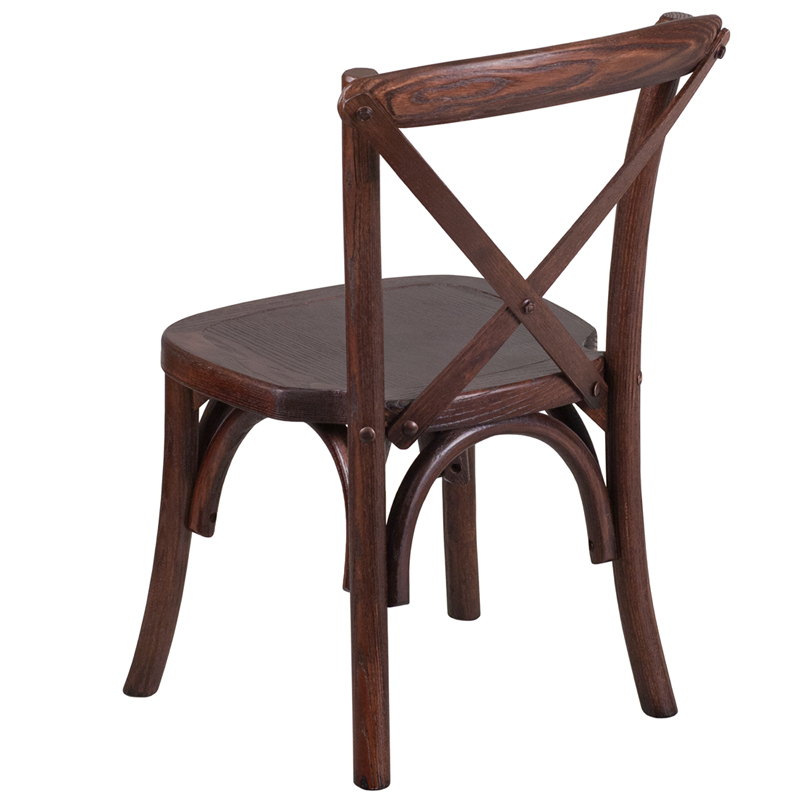
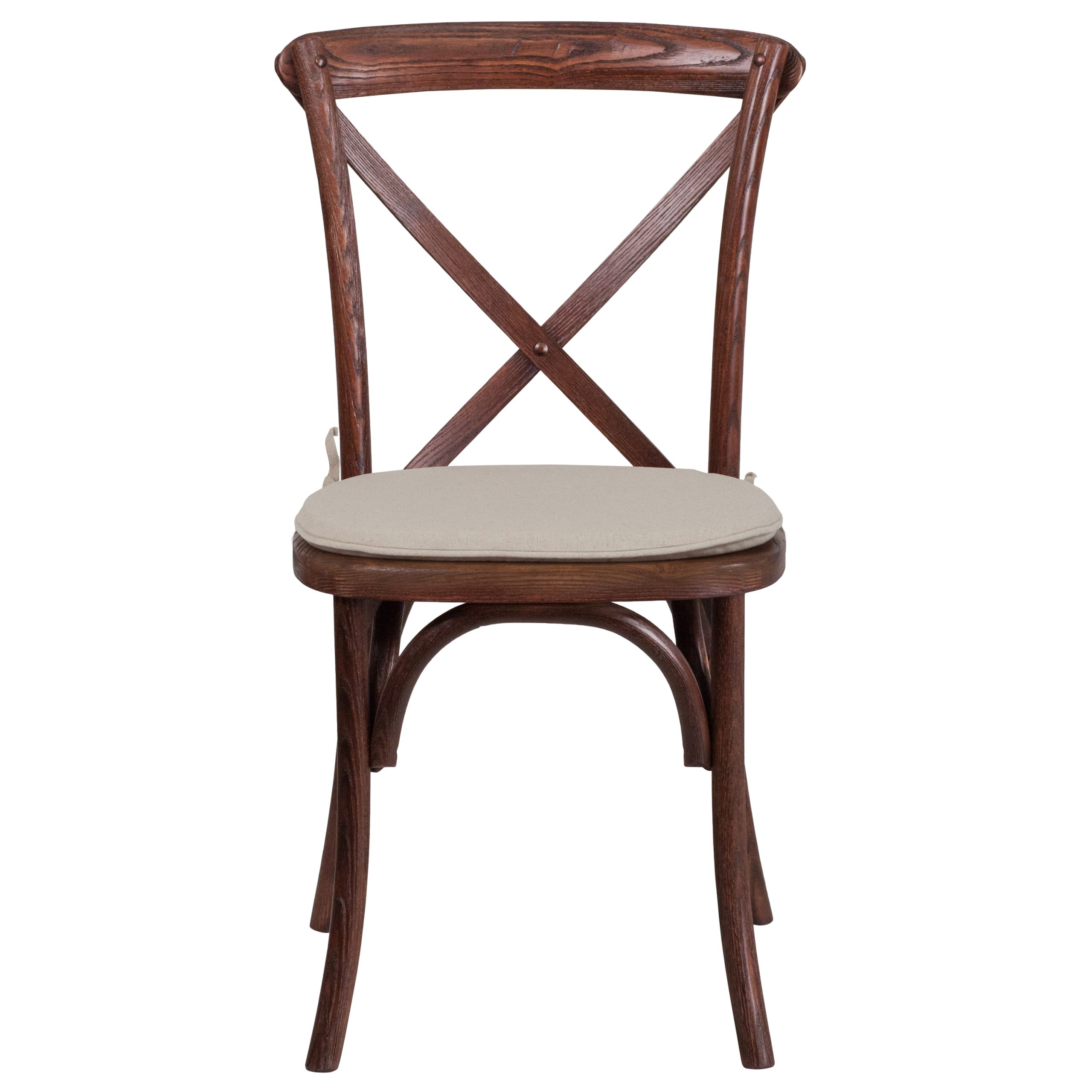
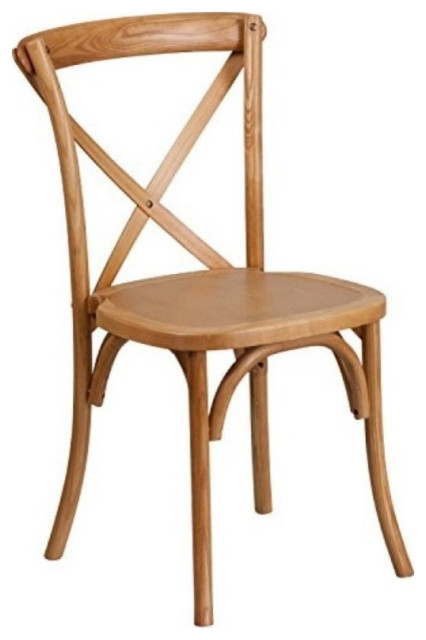
For centuries, oak has stood as a cornerstone in the world of fine furniture, particularly for chairs. It's not just a traditional choice, mind you; its enduring popularity is deeply rooted in its remarkable material science properties. From its inherent strength to its stunning grain, oak offers a unique blend of practicality and aesthetic appeal that few other woods can truly match. We're talking about a wood that doesn't just hold up, but actually gets better with age, developing a rich patina that tells stories.
Walk into almost any antique shop, and you're bound to see sturdy oak chairs, still perfectly functional after decades, even centuries, of use. This isn't by chance. The selection of materials in chair manufacturing is a critical decision, influencing everything from the chair's lifespan to its feel and appearance. And when it comes to a material that consistently delivers on all fronts, oak often emerges as the clear frontrunner. It's a wood that designers and craftspeople return to again and again, drawn by its reliability and its inherent beauty. But what exactly is it about oak, from a material science perspective, that makes it such a star performer in the realm of seating?
Understanding Oak's Cellular Structure: The Foundation of Strength
At its core, oak's impressive strength begins at the cellular level. This isn't just a random assortment of fibers; it's a meticulously organized structure. Oak is what we call a 'ring-porous' wood. This means that its earlywood, the wood formed in the spring, has large vessels or pores that are quite visible. The latewood, formed in the summer, has much smaller, denser pores. This distinct structure gives oak its characteristic open grain pattern and, more importantly, contributes significantly to its mechanical properties.
Think of it like this: the larger vessels provide channels for water and nutrients, while the denser latewood provides the bulk of the structural integrity. This combination results in a wood that exhibits excellent stiffness and hardness, making it highly resistant to dents and scratches. It's this internal architecture that allows an oak chair to withstand the daily rigors of family life or the constant use in a bustling restaurant without showing signs of wear and tear too quickly.
Density and Hardness: The Pillars of Durability
When we talk about a chair's durability, two key material science metrics come to mind: density and hardness. Oak, particularly species like White Oak and Red Oak, boasts impressive figures in both categories. Density, simply put, is how much material is packed into a given volume. A denser wood generally means a stronger wood.
Hardness, often measured using the Janka scale, quantifies a wood's resistance to indentation. White Oak, for instance, typically has a Janka rating of around 1,360 lbf (pounds-force), which is significantly higher than many other common furniture woods. This high hardness means that an oak chair is far less likely to show dings from accidental bumps or scratches from everyday use. It's why an old oak desk can still look good after years of keys, pens, and who knows what else being dragged across its surface. This inherent toughness is a huge win for longevity and maintaining a chair's pristine appearance over time.
Dimensional Stability: Resisting Warping and Cracking
One of the banes of furniture makers and owners alike is wood that warps, twists, or cracks due to changes in humidity. This is where oak truly shines, thanks to its excellent dimensional stability. While no wood is completely immune to moisture fluctuations, oak exhibits a lower tendency to expand and contract compared to many other species.
This stability is crucial for chairs, where joints must remain tight and true to ensure safety and structural integrity. Imagine a chair leg shrinking and expanding, loosening its joint over time. Not ideal, right. Oak's ability to resist significant changes in dimension means that its joinery – the tenons, mortises, and dowels – remains secure, preventing wobbles and premature failure. This is especially important in environments with fluctuating temperatures and humidity, like many homes or commercial spaces. It means your beautiful oak chair from today will still be a beautiful, sturdy oak chair decades from now.
Aesthetic Appeal: Grain, Color, and Finish Absorption
Beyond its incredible strength and stability, oak possesses an undeniable aesthetic appeal. Its prominent, often wavy grain patterns are instantly recognizable and highly sought after. This isn't just about looking nice; it's a direct result of its cellular structure, particularly those open pores. These pores aren't just for show; they also play a role in how oak accepts finishes.
Oak's natural color ranges from light tan to reddish-brown, offering a warm and inviting base. More importantly, its open grain allows it to absorb stains and finishes beautifully and evenly, resulting in a rich, deep color that highlights the natural patterns. This means that whether you want a light, modern look or a dark, traditional feel, oak can be stained to achieve a wide array of desirable finishes. The way light plays off its grain also adds a depth and character that synthetic materials simply cannot replicate. It's a living material, and that's something people genuinely appreciate.
Sustainability and Longevity: A Responsible Choice
In today's world, the environmental impact of our choices is paramount. Oak, when sourced responsibly from sustainably managed forests, is a remarkably eco-friendly material. Its long lifespan means that an oak chair isn't a disposable item; it's an heirloom. This inherent durability translates directly into reduced consumption and less waste.
Think about it: a well-made oak chair can last for generations, potentially hundreds of years, far outliving chairs made from less durable materials. This longevity reduces the demand for new resources and minimizes landfill waste. Furthermore, oak is a renewable resource, unlike many petroleum-based materials. Choosing oak for chairs is not just a decision for quality and beauty; it's also a conscious step towards a more sustainable way of living and furnishing our spaces. It's a material that truly stands the test of time, both functionally and environmentally.
The Craftsperson's Dream: Working with Oak
From the perspective of a furniture maker, oak offers a rewarding experience. While it's a dense and hard wood, requiring sharp tools, its workability is generally good. It holds fasteners well, accepts glue joints securely, and its stiffness allows for intricate joinery without fear of splitting. The distinct grain also provides a natural guide for planning and shaping, allowing skilled artisans to bring out its inherent beauty.
This isn't to say it's easy, mind you. But the effort invested in working with oak is always repaid by the exceptional quality of the finished product. The way it responds to sanding, planing, and chiseling, revealing its deep character, is something truly special. And the fact that it holds a finish so well means the final product is not just strong, but also visually stunning. It's a material that truly inspires craftsmanship and allows for the creation of pieces that are both functional art and enduring investments.
In conclusion, the enduring popularity of oak in chair manufacturing is no accident. It's a testament to a unique combination of material science properties that deliver unparalleled durability, stability, and aesthetic appeal. From its cleverly designed cellular structure lending it immense strength and hardness, to its remarkable dimensional stability that resists the ravages of time and humidity, oak stands as a beacon of reliability.
Its beautiful grain and ability to accept a wide range of finishes further cement its position as a preferred choice for both designers and consumers. And in an age where sustainability is more important than ever, oak's longevity and renewability make it a truly responsible material. When you choose an oak chair, you're not just buying a piece of furniture; you're investing in a legacy, a piece of natural art that will serve and delight for generations to come. It’s a classic for a reason, and its material science just backs up what craftsmen have known for centuries: oak is simply exceptional.