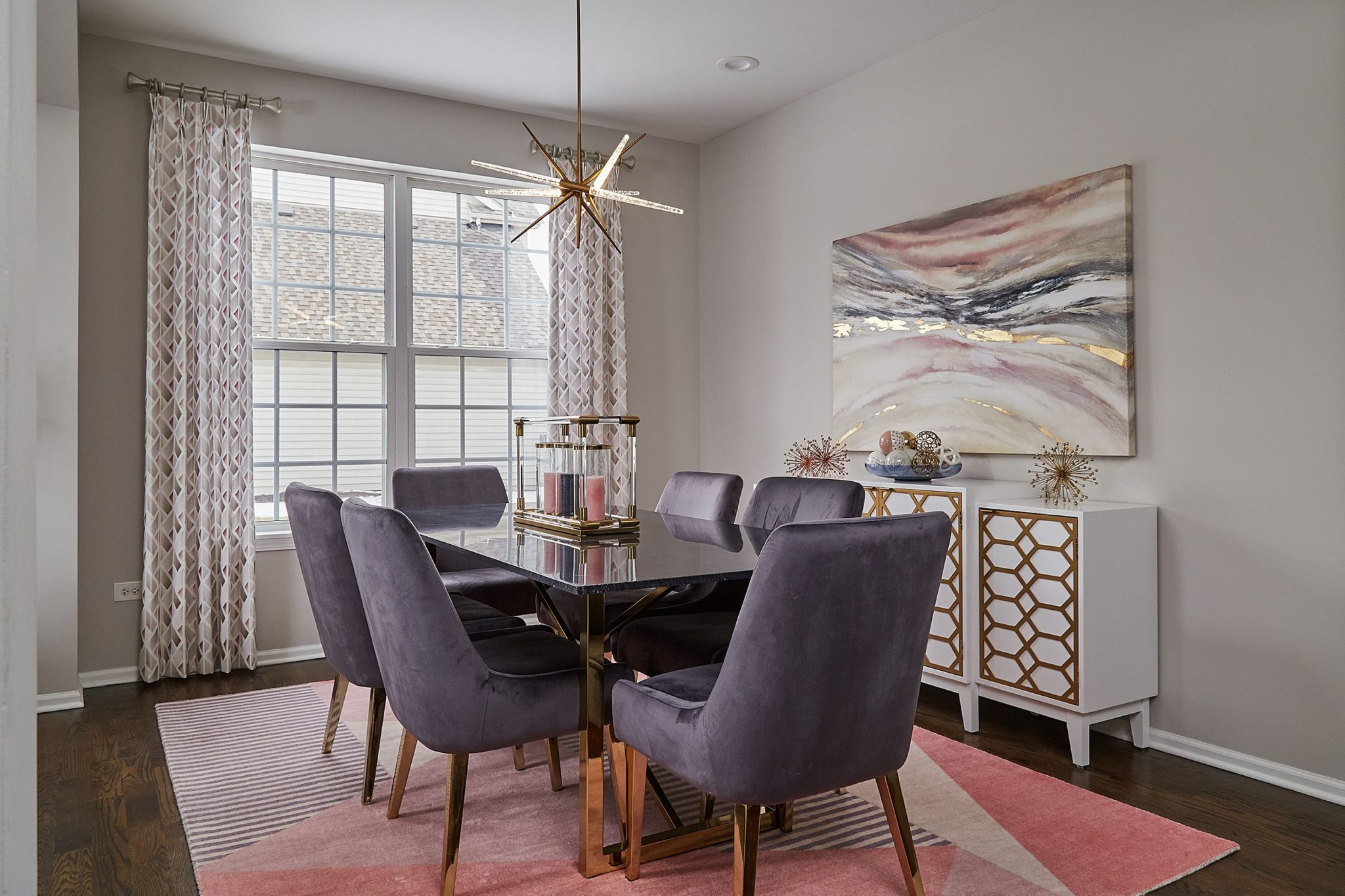
As someone who has spent decades immersed in the world of textiles and interior design, particularly when it comes to the heart of the home – the dining area – I can tell you that the fabric you choose for your dining seating is not just an afterthought. It's a foundational decision, a true game-changer. It's about comfort, durability, and that certain je ne sais quoi that transforms a simple meal into an experience. We're not just talking about chairs here; we're talking about the very fabric of your family gatherings, your intimate dinners, and those boisterous celebrations. Let's delve into how to pick the perfect textile, from the most practical choices to the truly palatial.
When we talk about dining seating, whether it's a grand banquette, elegant side chairs, or a cozy breakfast nook, the fabric selection is paramount. It’s what you touch, what you sit on, and what endures the spills, crumbs, and countless memories made around the table. Many people overlook this critical element, focusing solely on the frame or the table itself. But the upholstery is where the rubber meets the road, so to speak. It needs to stand up to daily life, look good doing it, and feel inviting. It's a delicate dance between aesthetics and pure functionality, and getting it right can make all the difference in how you enjoy your dining space for years to come. Trust me, I've seen it all, from magnificent successes to, well, less-than-ideal choices that quickly show their age.
Understanding Your Lifestyle: The First Rule of Fabric Selection
Before you even think about colors or patterns, you absolutely must consider your lifestyle. This is the cornerstone of a sensible decision. Do you have a house full of energetic kids and perhaps some furry friends? Or is your dining room a more formal space reserved for adult entertaining? These are not trivial questions. They dictate the level of durability and stain resistance you'll need.
For instance, if your dining area is a high-traffic zone, you'll want fabrics that can take a beating – think performance fabrics. If it's more of a showpiece, you might have more leeway to indulge in something a bit more delicate. Think about how often you eat at this table, what kind of food and drinks are typically served, and who will be sitting there. A busy family with young children needs a different approach than a single person who dines out most nights. It's all about matching the fabric's resilience to your actual daily life, not some idealized version of it.
The Practical Performers: Durability and Easy Care
When 'practical' is the name of the game, we're talking about fabrics that are designed to withstand the rigors of daily life. These are the unsung heroes of dining rooms everywhere.
- Polyester and Microfiber: These synthetic wonders are incredibly durable and often treated for stain resistance. Microfiber, with its super-fine fibers, feels soft and luxurious but is surprisingly tough against spills and wear. They're excellent for busy households and can be cleaned with relative ease. I’ve seen some microfiber chairs survive years of toddler abuse and still look pretty decent.
- Olefin: Known for its resistance to moisture, mildew, and fading, olefin is a fantastic choice for areas that might see a lot of sunlight or accidental spills. It's often used in outdoor furniture, so you know it’s built to last.
- Nylon: Extremely strong and resilient, nylon is often blended with other fibers to improve durability. It resists abrasion well, which is great for seats that get a lot of friction.
- Vinyl and Faux Leather: These materials are champions of easy cleaning. A quick wipe-down and you're done. They come in a vast array of colors and textures, mimicking real leather without the high maintenance or cost. Perfect for a diner-style banquette or a kids’ eating area. They've come a long way from the sticky, cheap-looking versions of yesteryear; many faux leathers today are really quite convincing and comfortable.
Mid-Range Marvels: Balancing Style and Substance
Sometimes, you want a bit more elegance than a purely practical fabric, but you still need something that can hold its own. This is where the mid-range materials shine, offering a lovely balance.
- Cotton Blends: Pure cotton can stain easily, but blends with synthetics like polyester or rayon improve its durability and stain resistance while retaining its natural feel. They offer a comfortable, breathable option with a wide range of patterns and colors.
- Linen Blends: Similar to cotton, pure linen wrinkles and stains easily, but blended with other fibers, it gains resilience. Linen blends offer a sophisticated, natural look and a lovely texture. They bring a certain relaxed elegance that’s hard to beat.
- Treated Fabrics (Stain-Resistant Finishes): Many natural and synthetic fabrics can now be treated with advanced stain-resistant finishes like Teflon or Crypton. These treatments create a barrier that repels liquids and makes cleaning a breeze, allowing you to choose a wider variety of fabrics without constant worry. This is a real game-changer for those who adore the look of linen or velvet but need the practicality of a performance fabric.
The Palatial Picks: Luxury and Opulence
For those dining spaces where grandeur and aesthetic appeal take precedence, or where usage is less frequent, you can indulge in truly luxurious fabrics. These are the showstoppers.
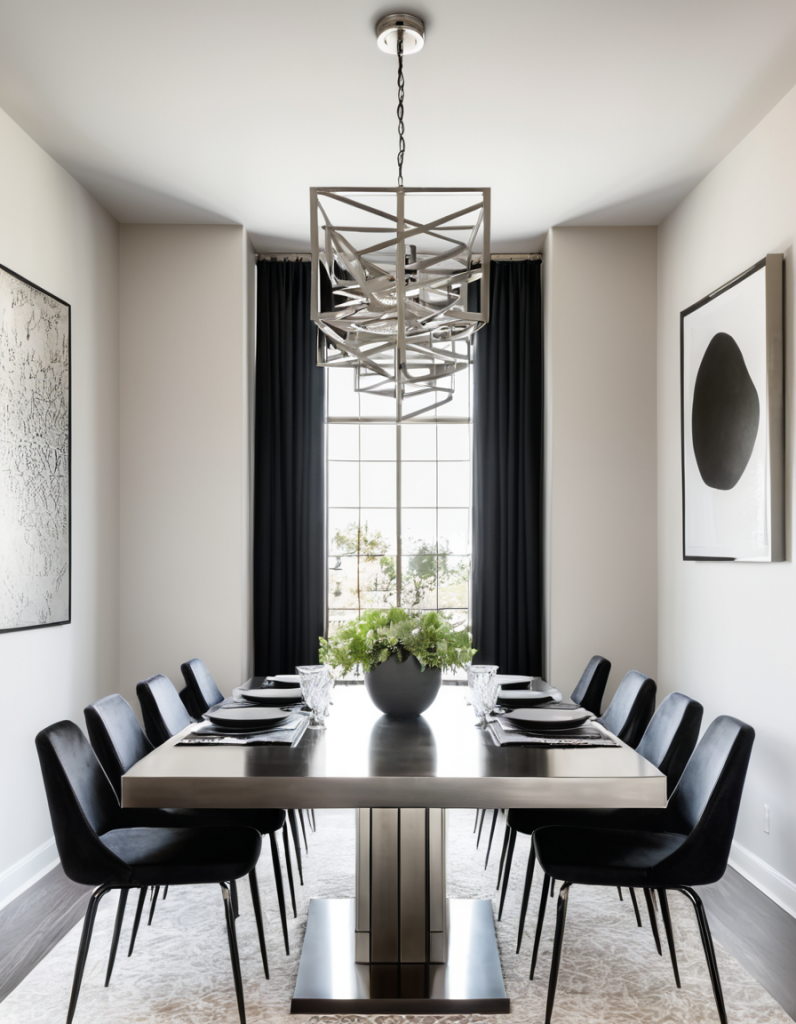
- Velvet: Oh, velvet! It instantly adds a touch of richness and opulence. Its soft pile catches the light beautifully, creating a dynamic look. While it can be more prone to crushing and showing marks, many newer velvets are made from synthetic fibers (like polyester velvet) that are surprisingly durable and easier to clean than traditional silk or cotton velvet. It’s a statement fabric, for sure.
- Leather: A timeless classic, genuine leather is incredibly durable, develops a beautiful patina over time, and is relatively easy to clean with a damp cloth. It’s an investment, but one that pays off in longevity and sophisticated style. It offers a luxurious feel and a certain gravitas to any dining space. It's tough, yes, but also incredibly comfortable.
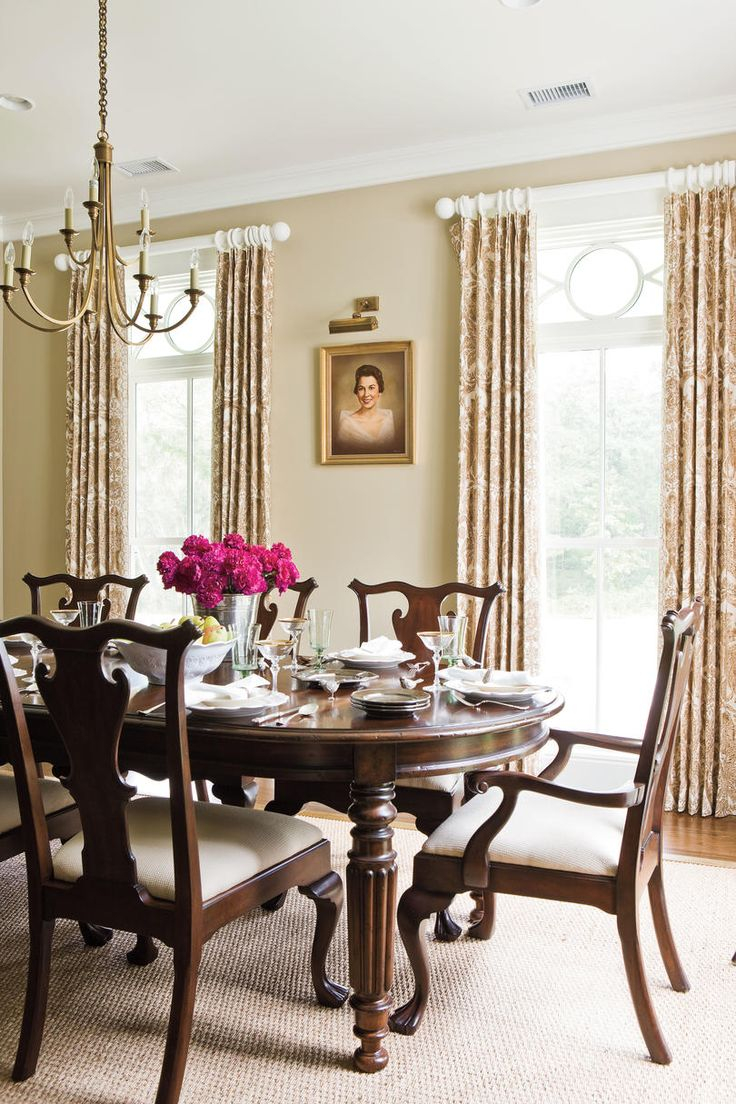
- Silk and Brocade: For the most formal and least-used dining areas, silk and brocade offer unparalleled elegance and intricate patterns. These are high-maintenance fabrics, prone to staining and fading, and are best suited for accent chairs or spaces where they won't see much wear and tear. They are truly for show, for that 'wow' factor that makes your dining room feel like something out of a magazine.
- Chenille: With its soft, fuzzy texture, chenille offers a luxurious feel and a beautiful drape. While it can be prone to snagging, its plushness makes it incredibly inviting. It's a wonderful choice for a more formal, yet still comfortable, setting.
Considering Color and Pattern: Beyond Just Looks
Color and pattern aren't just about what looks good; they play a role in the practical aspects too.
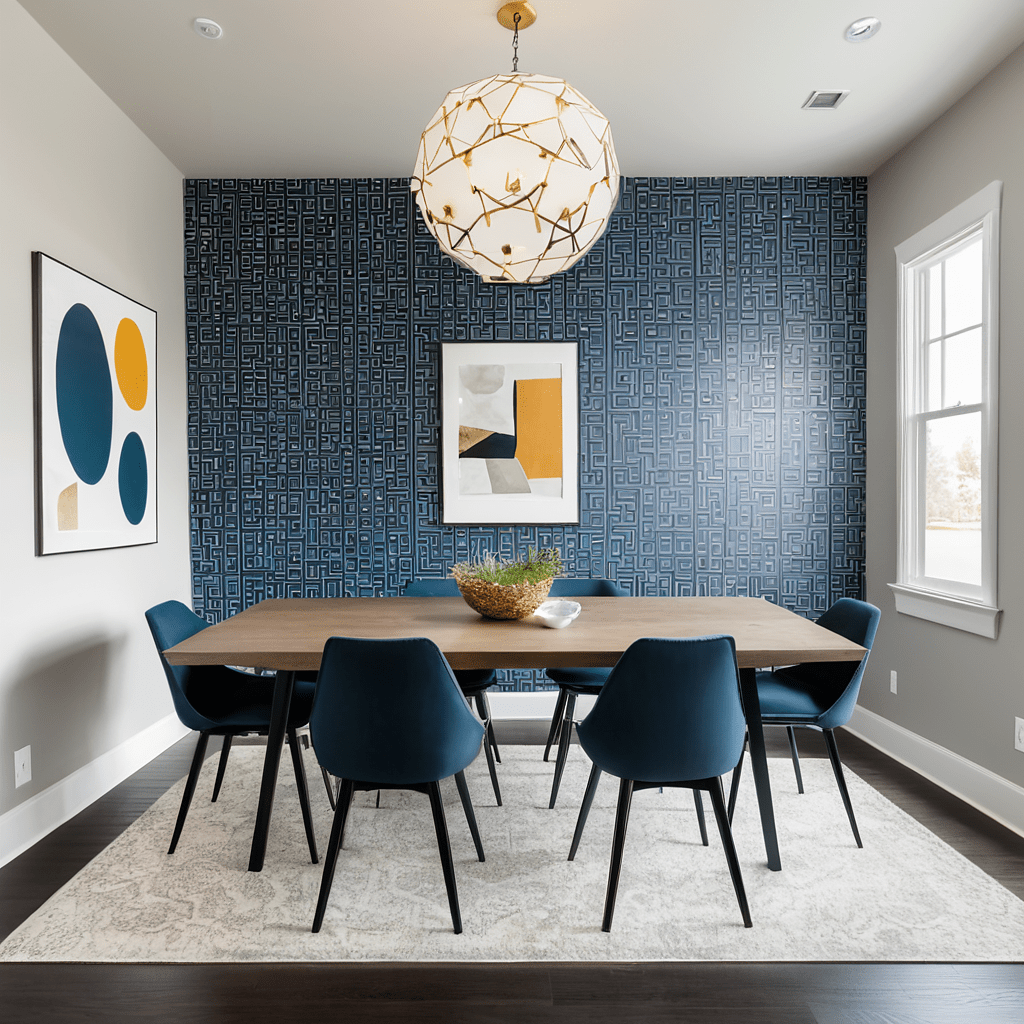
- Darker Colors and Patterns: These are your best friends in a busy dining area. They camouflage spills and minor stains much better than light, solid colors. A subtle pattern or a tweed-like texture can also be very forgiving. Think charcoal, navy, or a rich burgandy. A busy pattern, like a floral or geometric, can hide a multitude of sins.
- Light Colors: While undeniably elegant and airy, light colors (especially solid ones) are a magnet for stains. If you're set on a light shade, ensure it's a performance fabric with excellent stain resistance. Or, reserve it for dining areas that see very little action.
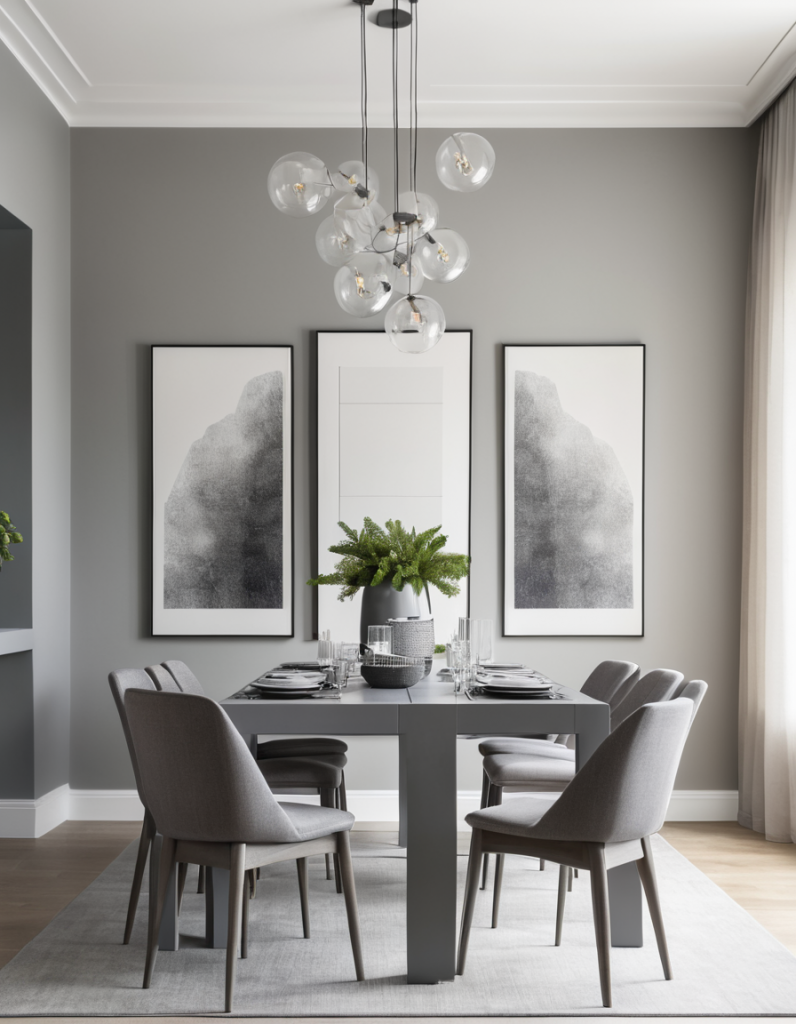
- Texture: Don't forget texture! It adds depth and interest to your seating. A textured fabric can also help hide minor imperfections or marks more effectively than a completely smooth surface. Think about how the fabric feels to the touch – is it inviting? Does it complement the overall feel of your dining space?
Maintenance and Care: Prolonging the Life of Your Fabric
No matter how practical or palatial your choice, proper care is crucial for longevity.
- Read the Labels: Always, always check the manufacturer's cleaning instructions. They are there for a reason.
- Act Fast on Spills: The quicker you address a spill, the better your chances of preventing a permanent stain. Blot, don't rub.
- Regular Cleaning: Vacuuming or light brushing helps remove dust and crumbs that can abrade the fabric over time.
- Professional Cleaning: For deeper cleaning or stubborn stains, consider professional upholstery cleaning. This is especially true for delicate or high-end fabrics. Don't try to DIY everything, sometimes you need the experts.
Choosing the right fabric for your dining seating is a nuanced decision, one that marries the practicalities of daily life with your personal aesthetic desires. It's about creating a space that is not only beautiful but also functional and comfortable – a place where memories are made without the constant worry of wear and tear. By considering your lifestyle, understanding the properties of different materials, and thinking about color, pattern, and maintenance, you can make an informed choice that will serve you well for years to come. Whether you opt for the robust resilience of a performance fabric or the undeniable luxury of velvet, remember that the best choice is always the one that fits your needs, your family, and your home perfectly. Go forth, experiment, and create a dining space that truly reflects you!