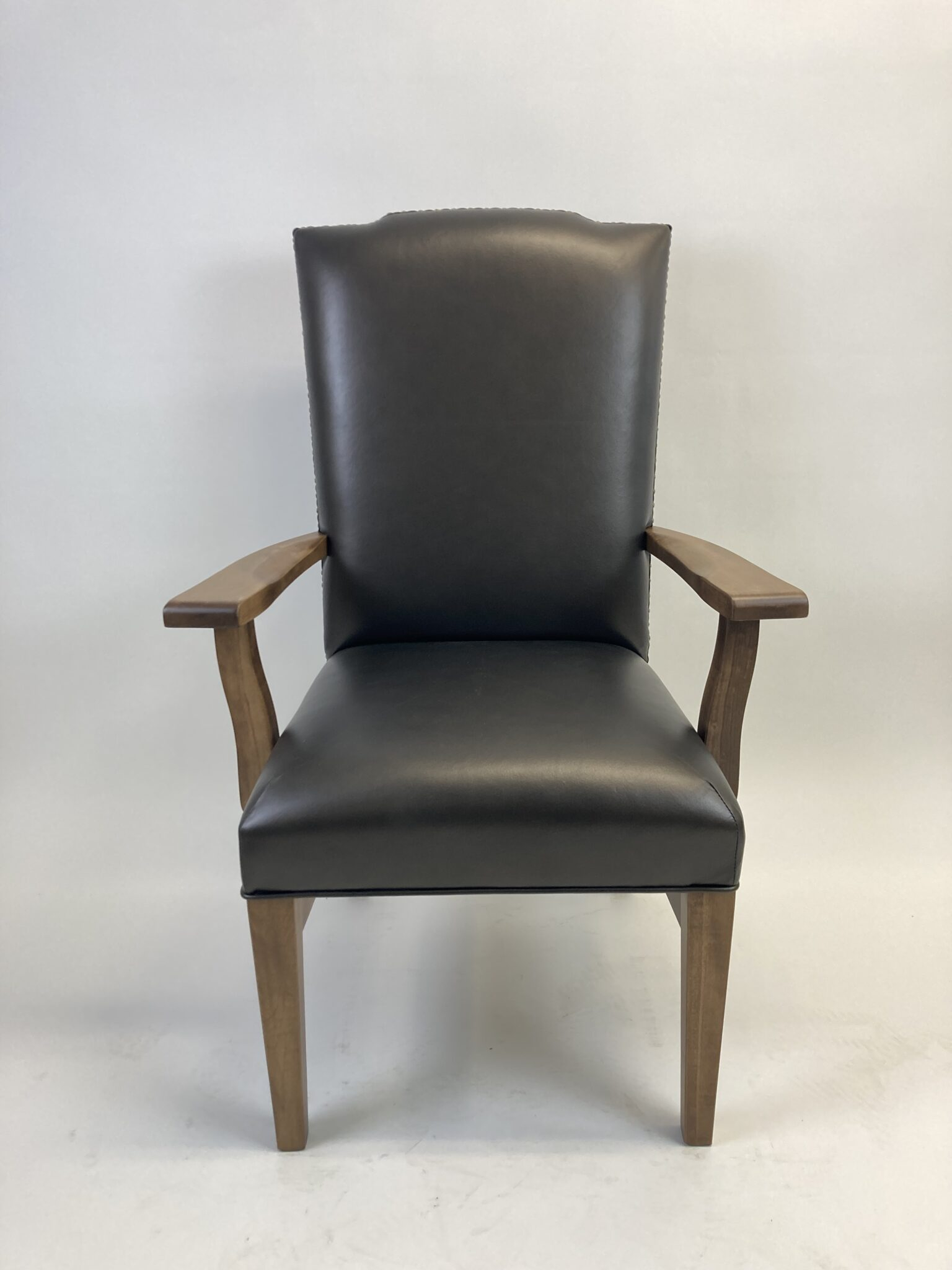
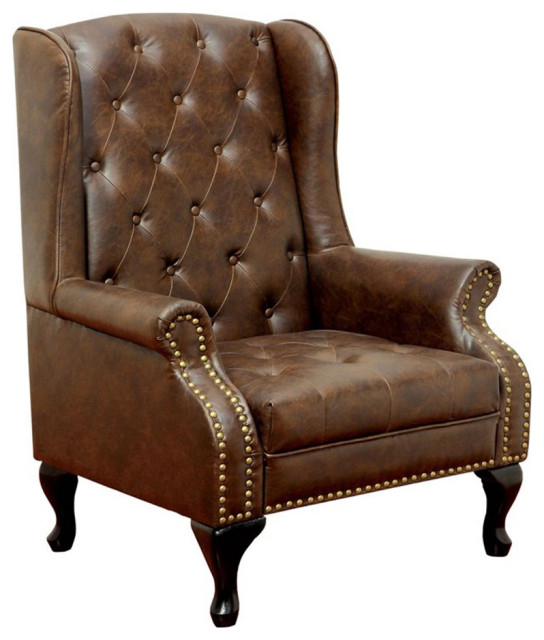
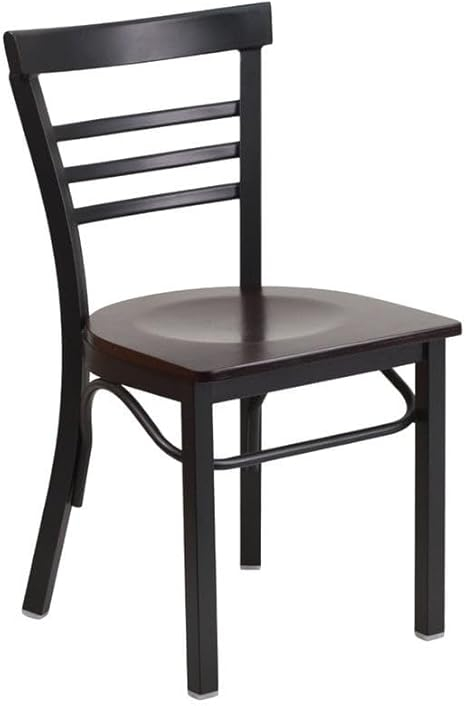
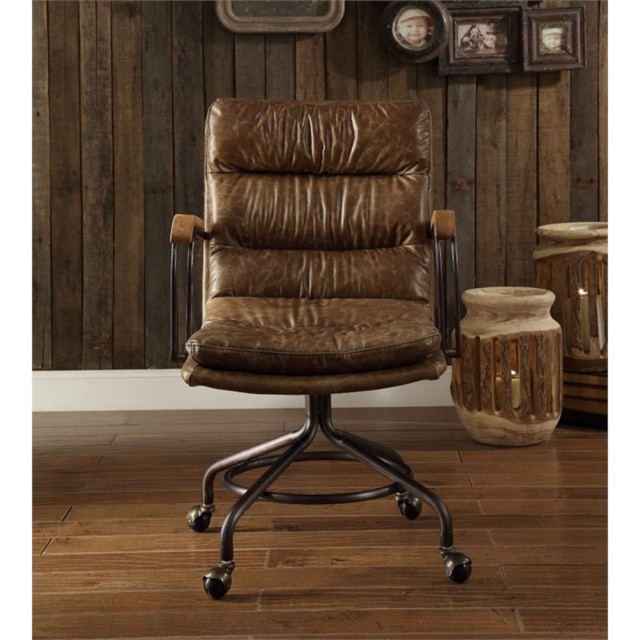
You've brought those beautiful Bowery Hill chairs home, maybe you got 'em for the dining room, or perhaps to spruce up a cozy nook. They look great, feel sturdy, and you're imagining years of comfortable use. But here's the thing, folks: furniture isn't just a pretty face. Its true lifespan, especially for something as hardworking as a chair, is a complex dance of materials, craftsmanship, and how you, the owner, care for it. I've spent decades in this industry, and let me tell you, understanding what makes a chair last – or not – is a skill honed through countless observations and a real feel for the materials. Let's peel back the layers and truly understand the longevity of your Bowery Hill treasures.
When we talk about chairs, especially those from a reputable brand like Bowery Hill, we're not just discussing a place to park your posterior. We're talking about an investment, a piece of your home's character, and for many, a hub of daily life. From family dinners to quiet mornings with a cup of joe, these chairs bear witness to countless moments. So, naturally, you want them to endure, to stand the test of time, and to continue looking good while doing it. But what exactly dictates that endurance? Is it just the tag on the bottom, or is there more to the story? As someone who's seen furniture come and go, who's studied its bones and its skin, I can tell you there are definate factors at play, and they're often overlooked. Let's get into the nitty-gritty and truly understand the life cycle of your Bowery Hill chairs.
The Foundation: Understanding Bowery Hill's Materials and Construction
Alright, let's start with the guts of the matter: what are these chairs actually made of, and how are they put together. Bowery Hill, like many good furniture companies, uses a variety of materials, and each plays a role in the chair's overall resilience. You'll often find solid hardwoods like oak, maple, or rubberwood for the frames. These are the strong, silent types, providing the core stability. But not all 'solid wood' is created equal. The type of wood, its density, and how well it's dried before assembly are crucial. Improperly dried wood can warp or crack over time, a real bummer.
Then there's the joinery, and this is where true craftsmanship shines. Are the joints doweled, mortise and tenon, or just glued and stapled? Dovetail and mortise and tenon joints are the gold standard; they're incredibly robust and designed to hold up to years of stress. Simpler joints, while quicker to produce, might not offer the same long-term stability, leading to wobbles and creaks down the line. Look for reinforced corners and sturdy bracing.
Upholstery is another big one. If your chairs are upholstered, the fabric's rub count (a measure of its durability) is important, as is the foam's density. High-density foam retains its shape and comfort much longer than softer, cheaper alternatives. Think about it: a good foam will bounce back, a poor one will compress and stay compressed, leaving you with a saggy seat. Understanding these basics gives you a real leg up in predicting how long your chair will stay in tip-top shape.
The Unseen Forces: Environmental Factors and Their Impact
You know, it's not just about what the chair is made of; it's also about where it lives. Your home's environment plays a huge, often underestimated, role in the lifespan of your furniture. Humidity and temperature fluctuations are silent killers for wooden furniture. Wood is a natural material, and it breathes. In very dry environments, it can shrink and crack. In very humid conditions, it can swell, leading to joints loosening or finishes bubbling.
Direct sunlight is another culprit. UV rays are incredibly powerful and can fade fabrics, dry out wood, and even weaken glues over time. If your Bowery Hill chairs are sitting right next to a sunny window, you're essentially speeding up their aging process. Think of it like skin; prolonged sun exposure isn't good for it.
Even the type of flooring can contribute. Dragging chairs across rough surfaces can wear down leg caps and loosen joints. It's the cumulative effect of these seemingly minor environmental stresses that can shave years off a chair's expected life. Being mindful of these factors and making small adjustments can make a significant difference.
The Human Element: Usage Patterns and Care Habits
This is where you come in. How you use your chairs and how you care for them is probably the single biggest determinant of their longevity. Are they daily drivers, used by a bustling family with kids and pets, or are they occasional seating in a formal dining room? A chair in a high-traffic area will naturally show wear faster.
Consider the 'rough and tumble' factor. Do people habitually lean back on two legs? Do kids jump on them? These actions put immense stress on joints that aren't designed for such forces. Over time, even the sturdiest chair will give way under repeated abuse.
And then there's maintenance. Regular cleaning, especially for upholstered chairs, is vital. Dust and grit can act like sandpaper, wearing down fabric fibers. For wooden chairs, occasional waxing or oiling can protect the finish and nourish the wood, preventing it from drying out. Spot cleaning spills immediately prevents stains from setting in. It sounds simple, but a consistent, gentle approach to care can add years, even decades, to your chairs' lives. Think of it like taking care of a car; regular tune-ups keep it running smoothly.
Common Wear and Tear: What to Look For and How to Address It
Even with the best materials, perfect environment, and diligent care, chairs will eventually show signs of wear. It's inevitable. Knowing what to look for can help you address issues before they become major problems.
Wobbly joints: This is a classic. It's usually a sign that glues are weakening or screws are loosening. Often, a simple tightening of screws or a re-gluing of a joint can fix this. Don't let it go, though, because a wobbly chair puts uneven stress on all its joints, accelerating overall deterioration.
Faded or worn upholstery: Fabrics can thin, pill, or fade. Sometimes, a professional cleaning can revive them. Other times, it might be time for re-upholstery. This is a great way to give an otherwise sound chair a whole new lease on life and a fresh look.
Scratches and dings: These are cosmetic, but they can be an eyesore. Furniture markers, touch-up pens, or even a bit of wood polish can often hide minor imperfections. For deeper scratches, professional repair might be needed.
Sagging cushions: If your seat cushions are no longer providing support, the foam inside has likely compressed. Replacing the foam insert is a relatively simple and inexpensive fix that can make an old chair feel brand new again.
Proactive observation and timely intervention are key. A small repair now can prevent a much larger, more expensive one later, or even prevent the chair from becoming unusable.
Extending the Life: Practical Tips and Tricks from the Pros
So, how do you make those Bowery Hill chairs last as long as humanly possible? Here are some actionable steps, straight from someone who's seen it all:
- Rotate your chairs: If you have a set, rotate which chairs are used most frequently. This distributes wear and tear more evenly across the set.
- Use floor protectors: Felt pads or rubber caps on chair legs reduce friction and prevent scratches on your floors, and also prevent wear on the chair legs themselves.
- Avoid excessive weight: Chairs have weight limits. Don't treat them like stepladders or platforms for heavy items. This stresses the frame and joints.
- Clean regularly: For wood, dust with a soft cloth. For upholstery, vacuum regularly with a brush attachment to remove grit. Address spills immediately with the appropriate cleaning method for your fabric type.
- Tighten fasteners periodically: Every six months or so, check all screws and bolts and gently tighten them. Don't overtighten, as this can strip threads or crack wood.
- Control your environment: Use humidifiers in dry climates and dehumidifiers in very humid ones. Keep chairs out of direct, intense sunlight. If you can't avoid sunlight, consider sheer curtains or blinds to filter the light.
- Know when to call a pro: For complex repairs like major joint failures, extensive re-upholstery, or significant finish damage, a professional furniture restorer can often work wonders and save a beloved piece.
The Long View: When is it Time to Say Goodbye (or Renew)?
Even with the best care, there comes a point where every piece of furniture reaches the end of its practical life. For a Bowery Hill chair, with good care, you can reasonably expect anywhere from 10 to 25 years, sometimes even more, depending on the factors we've discussed. But how do you know when it's time to let go, or perhaps, to invest in a significant renewal?
If the frame is fundamentally compromised – say, a major crack in a weight-bearing component that can't be safely repaired, or if multiple joints are failing continuously despite attempts to fix them – it might be time to consider replacement. If the cost of repair or re-upholstery far exceeds the cost of a new, comparable chair, that's another practical consideration.
However, don't underestimate the sentimental value. Sometimes, a chair holds memories, or it's a perfect fit for your space, and a substantial repair or re-upholstery project is a worthwhile investment. Many older pieces, especially those with solid wood frames, are often built better than their modern counterparts, making them excellent candidates for restoration. Ultimately, the decision rests with you, weighing the practicalities against the emotional connection and the chair's inherent quality.
So, there you have it. The lifespan of your Bowery Hill chairs isn't a mystery; it's a combination of inherent quality, environmental protection, and, critically, your ongoing care. These chairs are designed to be durable, but like any good investment, they thrive with attention. By understanding the materials, being mindful of their surroundings, and adopting a proactive approach to maintenance, you're not just extending the life of a piece of furniture; you're preserving a part of your home's story, ensuring comfort and style for many years to come. Treat them well, and they'll serve you faithfully, becoming silent witnesses to countless moments and memories. It's a simple truth, but one worth remembering.