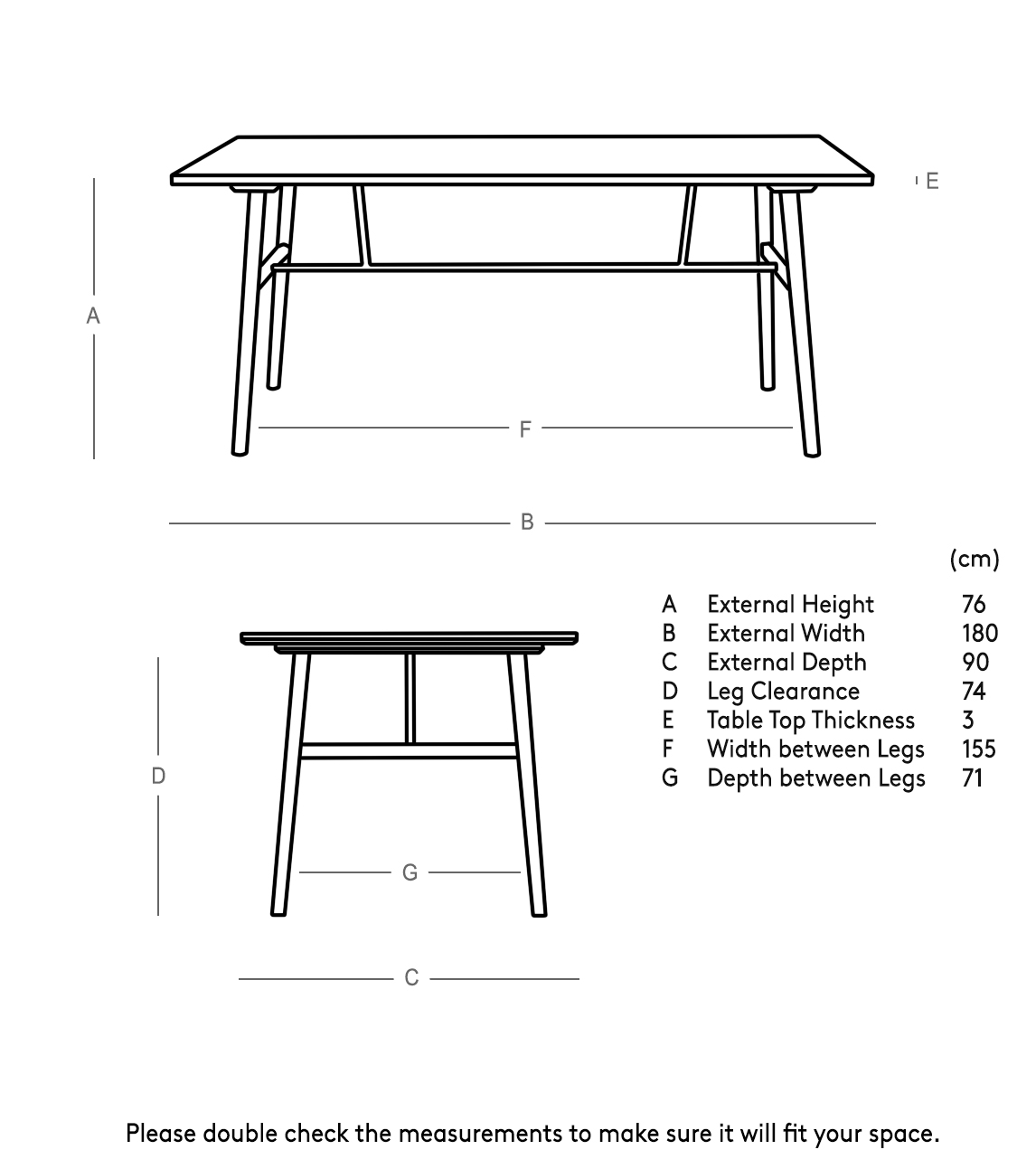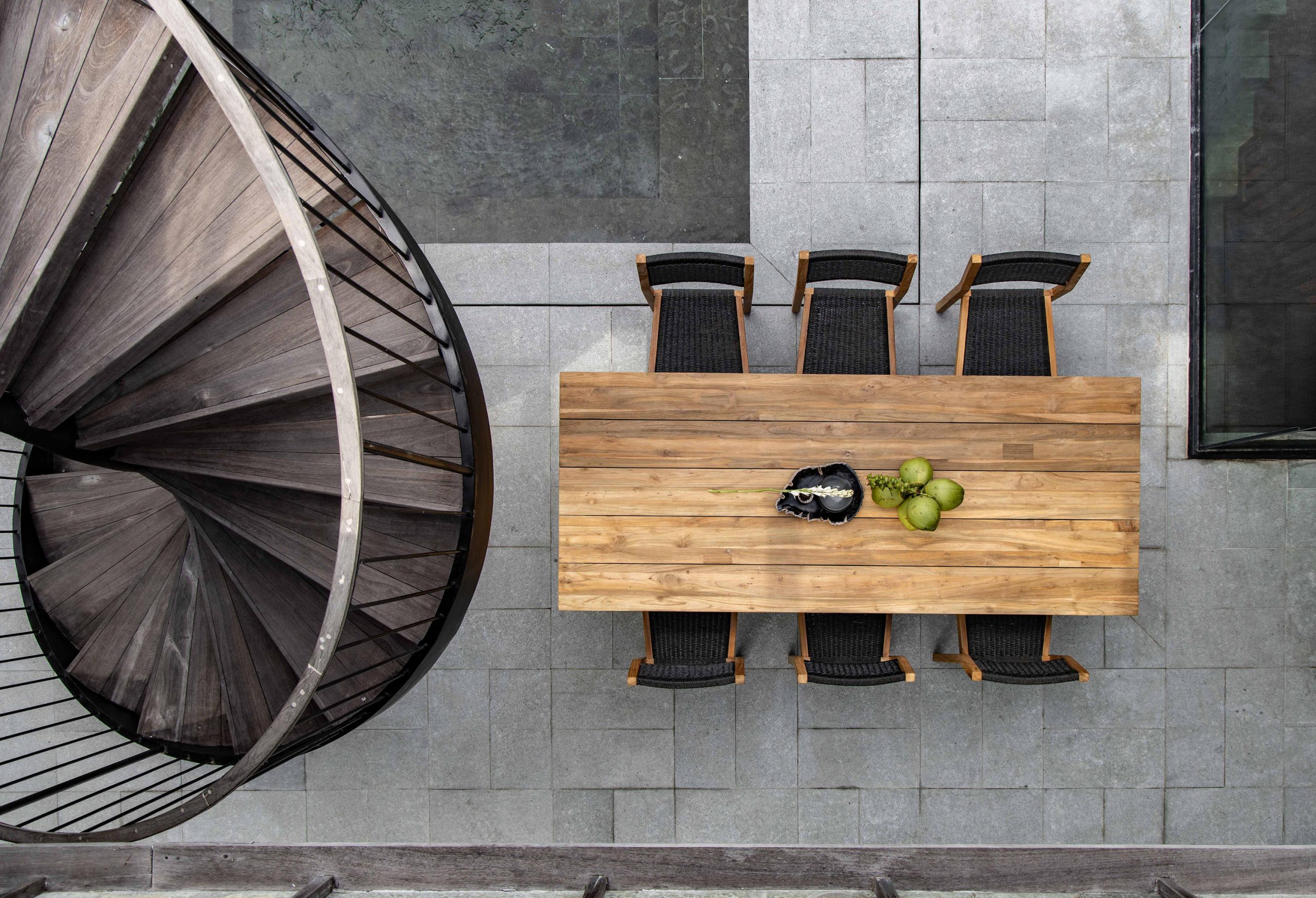
As someone who has spent decades immersed in the world of furniture design and fabrication, particularly with an eye on the nuanced art of table finishes, I've seen trends come and go. But some elements, like the V-style table finish, possess a timeless quality, a certain je ne sais quoi that keeps them relevant and covetable. It's more than just a pretty face; it's an engineering feat and an aesthetic statement all rolled into one. Today, we're going to peel back the layers and truly understand what makes these finishes so special, why they endure, and how they totally change the game for any piece of furniture they adorn.
When we talk about table finishes, most folks immediately think of color or sheen – perhaps a glossy lacquer or a matte stain. But the 'V-style' finish, it's a whole different animal. It refers not just to the surface treatment, but to the very edge profile of a table top, where the material is cut at an angle, forming a 'V' shape when viewed in cross-section. This seemingly minor detail has profound implications for a table's durability, its visual weight, and its overall feel. It's a subtle sophistication that often goes unnoticed by the casual observer, yet it's something interior designers and furniture connoisseurs instinctively gravitate towards. Let's embark on this journey to unravel the magic behind V-style table finishes and see why they're much more than just a passing fad.
What Exactly is a V-Style Edge, Anyway?
Alright, let's get down to brass tacks. Imagine a standard tabletop. It's usually flat on top and straight, or maybe slightly rounded, on the sides. A V-style edge, conversely, involves a chamfer – a beveled cut – on the underside of the table's edge. This cut goes inward and upward, creating that distinct 'V' shape as it meets the flat top surface. It’s not just a decorative choice; it's a purposeful design element. Think of it like this: instead of a blunt, thick edge, you get a refined, almost blade-like appearance. It can be a very sharp, acute V, or a more gentle, subtle one, depending on the desired effect. The material itself, whether it's wood, metal, or even stone, is carefully machined to achieve this precise angle. This precision is key, as any deviation can compromise the look and feel. It's a testament to the skill of the craftsman, and the quality of the machinery used.
The Visual Impact and Aesthetic Appeal
The first thing you notice about a table with a V-style finish – even if you can't quite put your finger on why – is its perceived lightness. That angled cut effectively reduces the visual bulk of the tabletop. A thick slab of wood, for instance, can feel heavy and imposing. But introduce a V-edge, and suddenly, it appears to float, to be less grounded. This creates an airy, modern esthetic that’s highly sought after in contemporary design. It also plays with light in fascinating ways. The angled surface catches and reflects light differently than a flat edge, often creating a subtle shadow line that further emphasizes its slim profile. This visual trickery adds an element of sophistication and elegance that a simple blunt edge simply can't achieve. It’s about creating an illusion of slenderness, even if the material itself is quite substantial.
Beyond Looks: The Practical Advantages
While the aesthetic benefits are undeniable, the V-style edge also offers some surprising practical advantages. For one, it can be more forgiving on the shins. A sharp, unchamfered edge can be quite painful if you bump into it. The angled V-edge, while still defined, distributes the impact more broadly, making those accidental encounters a little less jarring. Secondly, in certain materials like solid wood, this type of edge can help manage wood movement. Wood naturally expands and contracts with changes in humidity. The V-shape can sometimes mitigate the appearance of minor imperfections or slight warping that might be more noticeable on a perfectly flat edge. Thirdly, for everyday use, the angled edge can make it easier to clean, as crumbs and dust are less likely to accumulate in a sharp, ninety-degree corner. It’s a subtle but meaningful improvement in daily functionality.
Materials and Their Best Friends: Where V-Style Shines
The beauty of the V-style finish is its versatility across a range of materials. It truely shines with solid wood, particularly hardwoods like walnut, oak, and maple, where the grain pattern can be beautifully highlighted by the angled cut. The way the light plays on the grain, creating depth and character, is simply stunning. But it's not limited to wood. We see fantastic applications in stone, like marble or granite, where the chamfered edge gives the heavy material an unexpected delicacy. Metal tabletops, especially those in sleek, modern designs, also benefit greatly from a V-edge, adding a clean, architectural precision. Even engineered materials, like high-pressure laminates or compact laminates, can be expertly machined to achieve this profile, offering a durable and cost-effective way to incorporate the V-style aesthetic into designs. Each material imparts its own unique feel to the V-edge, from the warmth of wood to the cool elegance of stone.
Craftsmanship and the Challenges of Perfection
Achieving a flawless V-style edge is no small feat. It demands exceptional craftsmanship and precise machinery. For wood, the milling process must be exact to prevent splintering or an uneven cut. Sanding and finishing then become critical, as any imperfection on the angled surface will be glaringly obvious. For stone, specialized cutting tools are required, and the polishing process needs to be meticulously executed to ensure a smooth, uniform finish across the entire chamfer. The challenge lies in maintaining consistency along the entire perimeter of the table. A slight wobble or inconsistency in the angle can ruin the intended effect. This is where the true artisans distinguish themselves. It’s a testament to their skill and attention to detail, ensuring that every angle is perfect and every surface is seamless. This level of precision is what elevates a good table to a truly exceptional one.
Integrating V-Style into Your Space: Tips and Tricks
So, you're convinced that a V-style table finish is for you. How do you make it work in your own setting. Firstly, consider the overall style of your room. A V-edge naturally leans towards modern, minimalist, or contemporary aesthetics due to its clean lines and subtle elegance. It pairs beautifully with sleek, uncluttered spaces. Secondly, think about the base. A lighter, more open base – perhaps thin metal legs or a pedestal design – will complement the perceived lightness of the V-edged top. Avoid overly heavy or ornate bases that might counteract the airy feel. Thirdly, lighting plays a crucial role. Natural light will highlight the angles beautifully, but consider strategic artificial lighting to emphasize the edge and create interesting shadow play. Finally, don't be afraid to mix and match. A V-edged dining table could be paired with chairs that have a softer, more organic shape, creating a delightful contrast. It's about balance and creating a cohesive, yet interesting, design story within your home.
The V-style table finish, often overlooked in its subtle brilliance, is far more than just a decorative flourish. It's a sophisticated design choice that profoundly impacts a table's visual weight, its tactile experience, and its overall presence in a room. From the careful engineering of its angled edge to the meticulous craftsmanship required to bring it to life, every aspect speaks to a commitment to quality and thoughtful design. As we've explored, it offers not only an unparalleled aesthetic appeal but also practical advantages that contribute to a more comfortable and durable piece of furniture. In a world often dominated by fleeting trends, the V-style finish stands as a testament to enduring elegance and functional beauty. It's a detail that, once you notice it, you can't unsee, and it forever changes how you perceive the humble table. It's truly a finish that goes beyond the surface, inviting us to appreciate the deeper artistry in everyday objects.