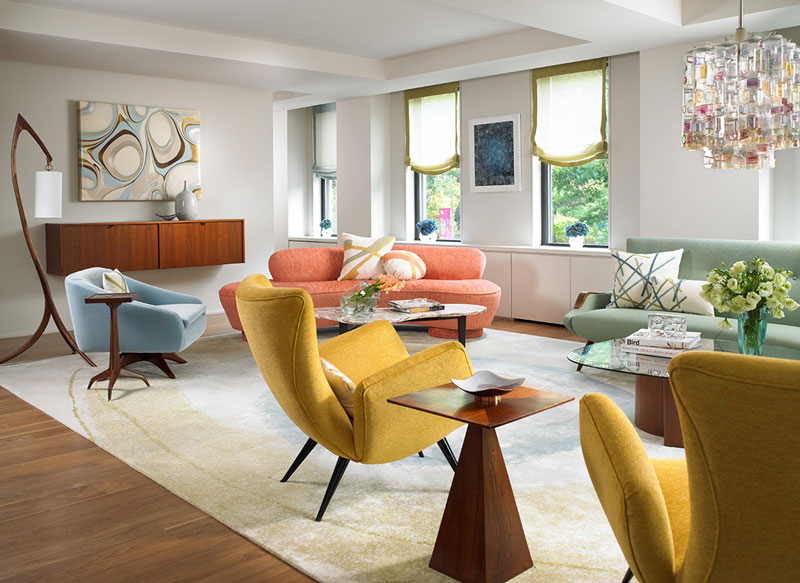
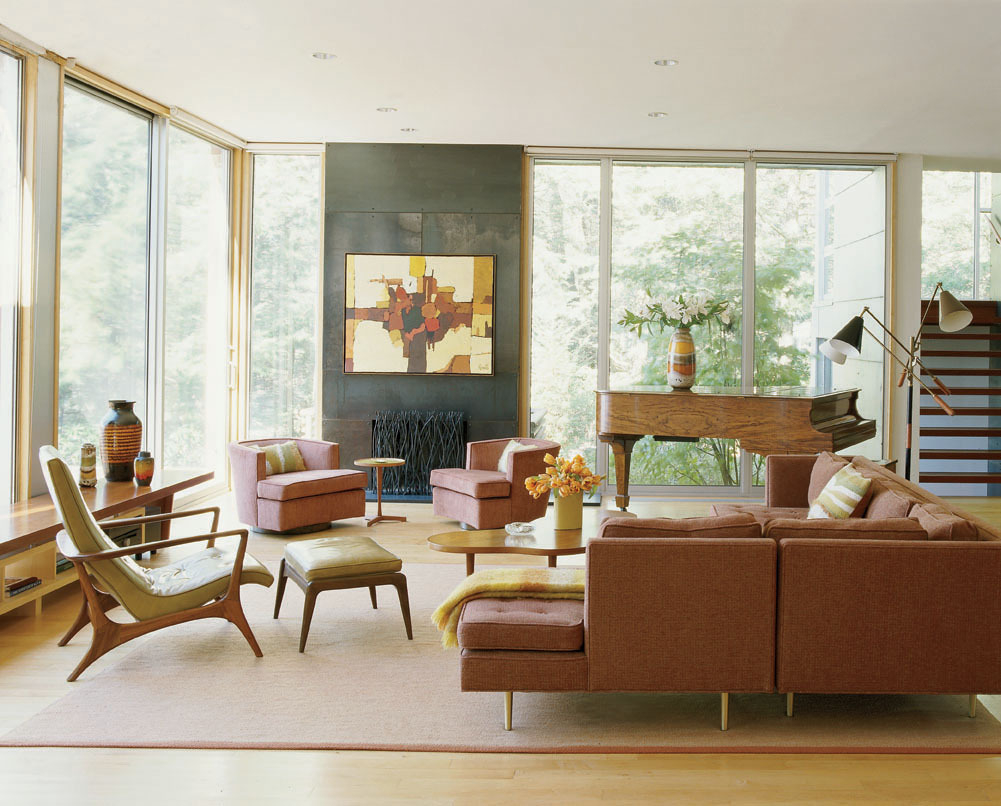
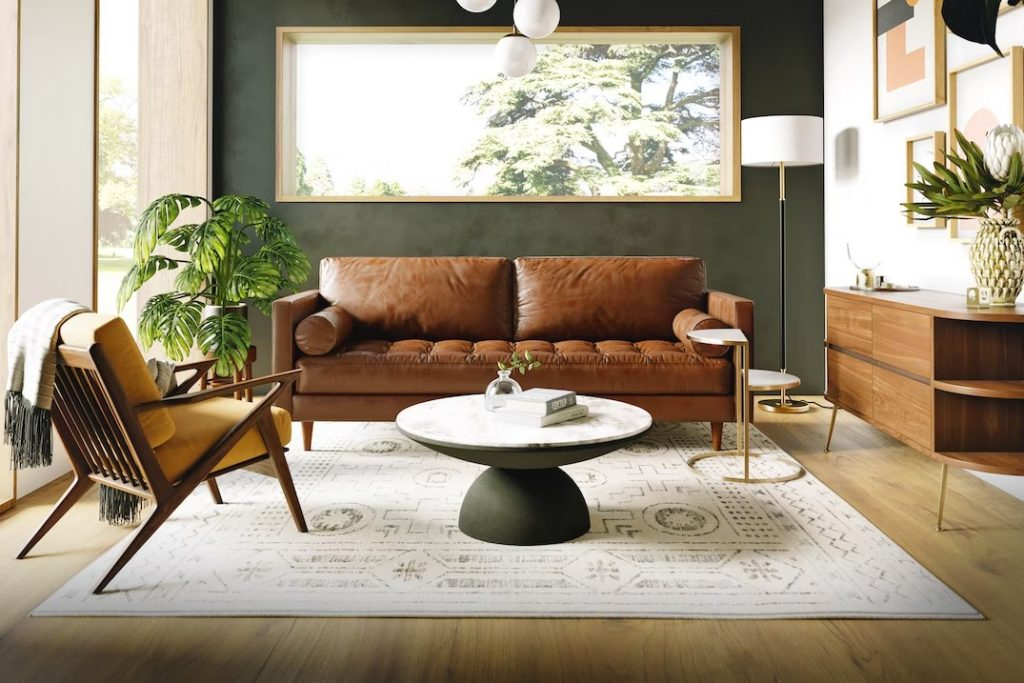
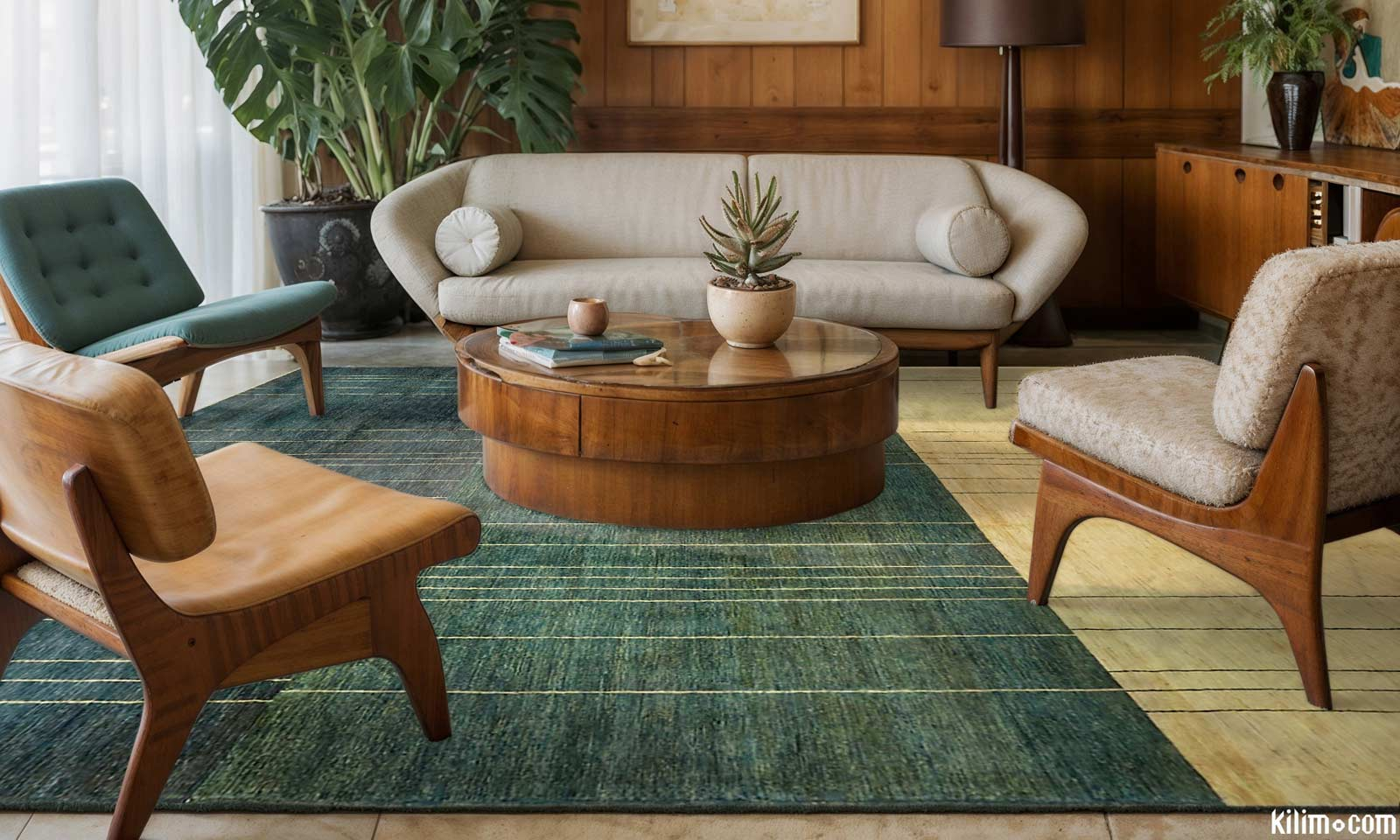
Mid-Century Modern (MCM) furniture isn't just a fad, it's a design philosophy. It's a legacy of innovative design, quality craftsmanship, and a unique vision of the future. But with its popularity, the market is overflowing with reproductions and imitations. This article is your guide to becoming a discerning eye, capable of separating the true treasures from the pretenders. We'll delve into the core characteristics, the telltale signs, and the practical tips you need to confidently identify authentic MCM furniture and appreciate its enduring appeal.
The allure of Mid-Century Modern furniture is undeniable. Its clean lines, organic shapes, and use of innovative materials have captivated design enthusiasts for decades, and its popularity is still going strong today. But with this immense desirability comes a challenge: distinguishing authentic pieces from the many imitations and reproductions that flood the market. This isn't always straightforward. The goal? To arm you with the knowledge and the tools you need to confidently navigate the world of MCM, protecting you from costly mistakes and helping you unearth genuine masterpieces. Get ready to become a Mid-Century Modern aficionado.
Understanding the Fundamentals: Key Characteristics of MCM
Before you start inspecting furniture, you need to know the basics. Authentic MCM design, which generally spanned the mid-1930s to the mid-1960s, is defined by a few key elements:
- Clean Lines and Minimal Ornamentation: Think sleek, simple forms. The focus is on functionality and the beauty of the materials themselves, not excessive decoration.
- Organic Shapes: Curves and flowing forms are common, echoing the natural world. Think of the iconic Eames Lounge Chair or the sculpted legs of a dining table.
- Innovative Materials: Designers embraced new materials like molded plywood, Lucite, and fiberglass, alongside more traditional wood and metal.
- Functionality and Practicality: MCM furniture was designed for modern living, prioritizing ease of use and efficient space utilization.
- A Sense of Optimism: The era was marked by a belief in progress and a forward-thinking perspective, reflected in the designs' clean lines and bright colors.
Material Matters: Unveiling the Secrets of Construction
The materials used are a vital clue to a piece's authenticity. Genuine MCM furniture often showcases high-quality materials and skilled craftsmanship. Look for:
- Wood: Solid wood, such as walnut, teak, and rosewood, was commonly used. Check for consistent grain patterns, smooth finishes, and the absence of cheap veneers (though veneers were sometimes used, they were generally of high quality).
- Metal: Steel, aluminum, and brass were used, often in legs, frames, and hardware. Pay attention to the welds, the finishes, and any signs of rust or wear that would indicate age.
- Upholstery: Fabrics like wool, tweed, and durable synthetic blends were popular. Original upholstery often reflects the color palettes and patterns of the era. Examine the stitching, the quality of the fabric, and any labels or tags.
- Consider the weight and the construction: Genuine MCM pieces often feel substantial and well-built. Examine how the pieces are joined, looking for dovetail joints in drawers or solid wood construction instead of staples or glue.
The Devil is in the Details: Examining Craftsmanship and Construction
Authentic MCM furniture reveals its age and provenance through meticulous craftsmanship. Here's what to look for:
- Joinery: Examine how the pieces are put together. Dovetail joints in drawers, mortise-and-tenon joints, and other high-quality joinery techniques are a good sign.
- Finishes: Original finishes were often hand-applied and showcase the wood's natural beauty. Look for variations in the finish, which is an indication of handcrafting and age, instead of a perfectly uniform, machine-made look.
- Hardware: Original hardware, such as pulls, knobs, and hinges, can be a telltale sign. These pieces were often specifically designed and manufactured for the furniture, and they can reveal a lot about the design and the maker.
- Check for wear and tear: A genuine vintage piece will show some signs of age, such as minor scratches, dings, or fading. This is not a bad thing; it adds to the character and charm.
The Label Game: Deciphering Makers' Marks and Identifying Brands
Labels and stamps are invaluable resources for identifying authentic MCM furniture. They provide crucial information about the maker, the designer, and sometimes even the date of production. Here's how to approach this:
- Look Carefully: Check the underside of drawers, the back of chairs, under the cushions, and anywhere else a label might be hidden.
- Research Brands: Familiarize yourself with the logos and styles of prominent MCM manufacturers like Herman Miller, Eames, Knoll, and others. There are numerous online resources and books dedicated to identifying furniture brands.
- Verify the Information: If a piece has a label, research the brand and the model to confirm its authenticity. Check the label's font, style, and materials to make sure they match the period.
- Absence of a Label: Don't dismiss a piece simply because it lacks a label. Many vintage pieces were made without labels, especially those produced by smaller workshops. Consider the other factors we've discussed.
Spotting the Fakes: Red Flags and Warning Signs
Knowing what to avoid is just as important as recognizing the real deal. Here are some red flags that might indicate a reproduction or a poorly-made imitation:
- Poor Quality Materials: The use of cheap particleboard, flimsy veneers, or low-grade metal is a giveaway.
- Inconsistent or Sloppy Construction: Look for uneven joints, poorly finished surfaces, or loose hardware.
- Mass-Produced Look: If a piece appears to be churned out of a factory with no attention to detail, it's likely a reproduction.
- Unrealistic Prices: If the price seems too good to be true, it probably is. Authentic MCM furniture, especially from well-known designers, commands a premium price.
- Modern Hardware: Modern screws, hinges, or pulls on an otherwise vintage piece are a bad sign.
- Inconsistencies with the Era: Does the design, the materials, and the construction align with the MCM period? Be wary of pieces that mix elements from different eras.
Becoming a Mid-Century Modern Expert: Resources and Tips
Identifying authentic MCM furniture is a skill that develops over time. Here are some resources and tips to help you on your journey:
- Books and Online Resources: There are countless books, websites, and online forums dedicated to MCM design. Use them to educate yourself about designers, manufacturers, and specific pieces.
- Attend Auctions and Vintage Shops: Visit reputable auction houses and vintage furniture stores to see and handle authentic pieces. This is a great way to learn and develop your eye.
- Consult with Experts: Don't be afraid to seek advice from experienced dealers, appraisers, or design historians.
- Handle as Many Pieces as Possible: The more authentic MCM furniture you see and touch, the better you'll become at spotting the real deal.
- Trust Your Instincts: If something doesn't feel right, it probably isn't. Take your time, do your research, and don't rush into a purchase.
Identifying authentic Mid-Century Modern furniture is a rewarding pursuit that combines design appreciation, historical knowledge, and a touch of detective work. By understanding the key characteristics, the materials, the craftsmanship, and the telltale signs, you can confidently navigate the market and unearth genuine treasures. Remember to do your research, trust your instincts, and embrace the enduring legacy of this iconic design style. Happy hunting, and enjoy the journey of discovering the beauty and innovation of Mid-Century Modern design. And remember, it's more than just furniture; it's a piece of history, a statement of style, and a testament to the power of good design.