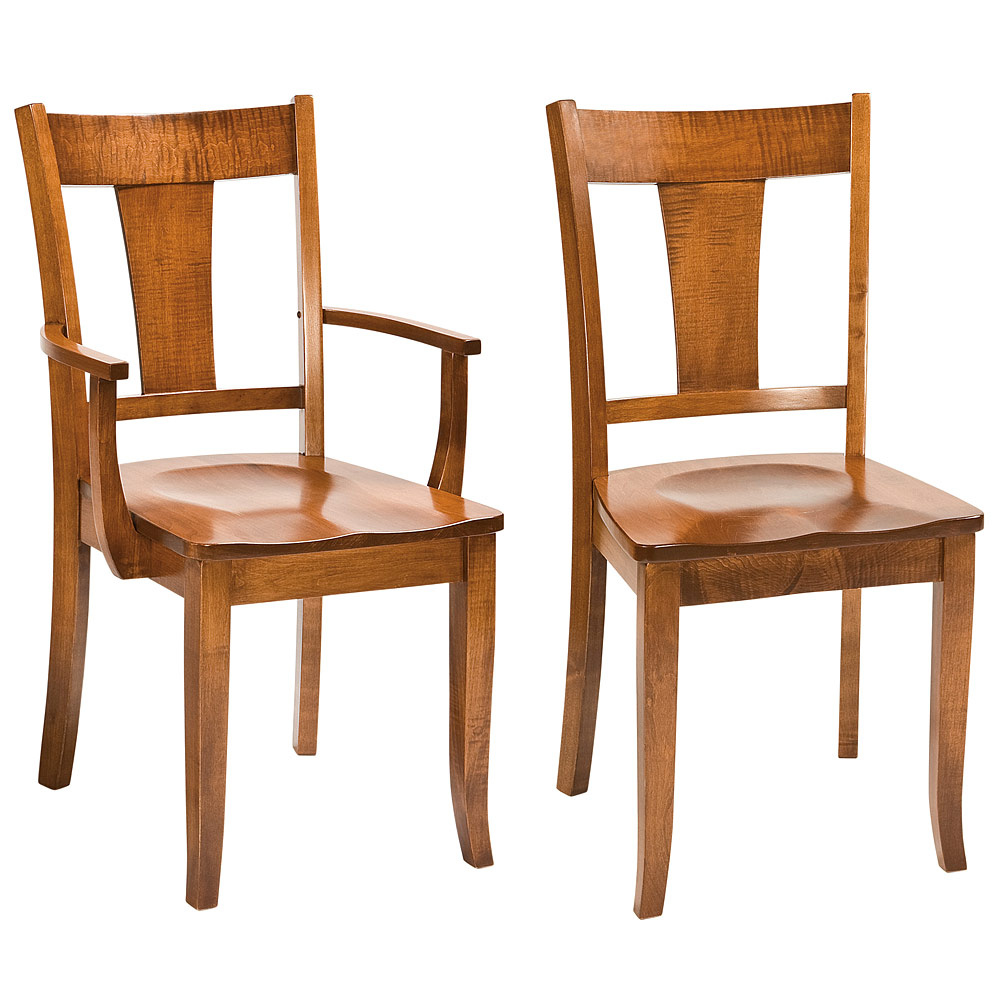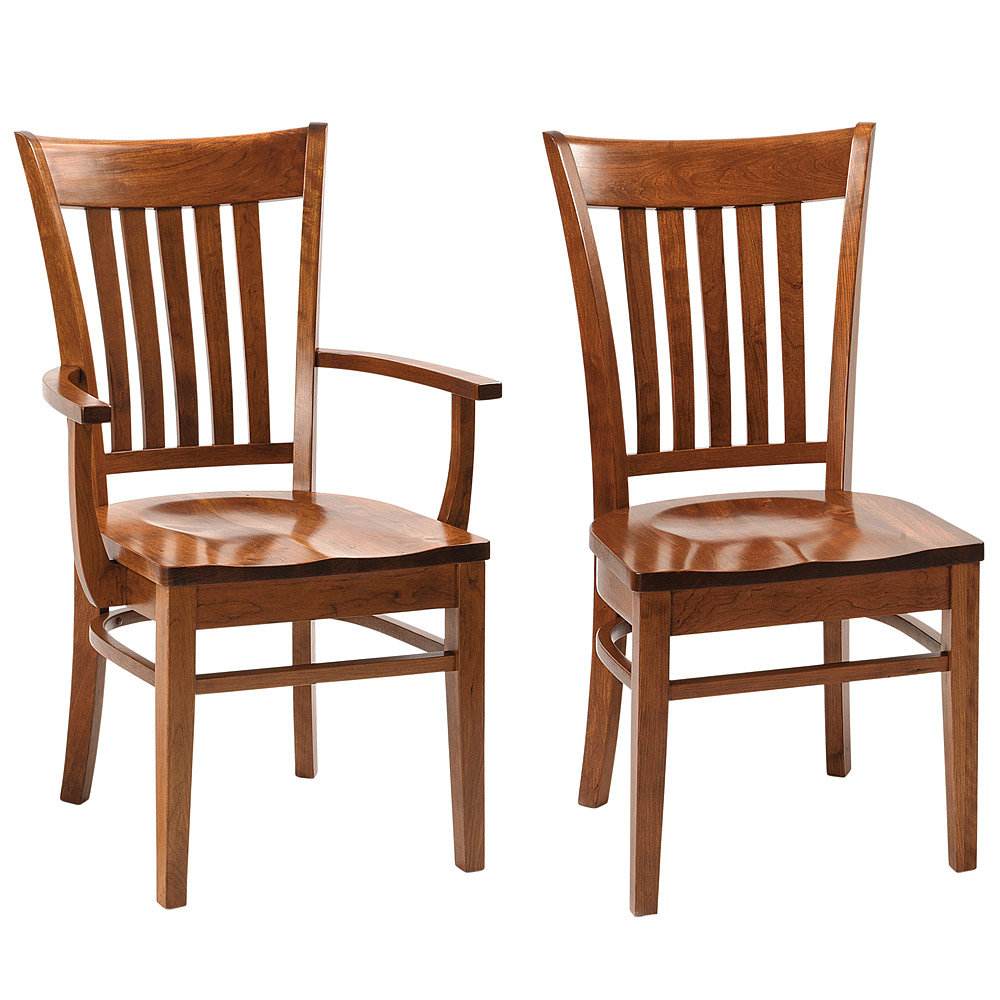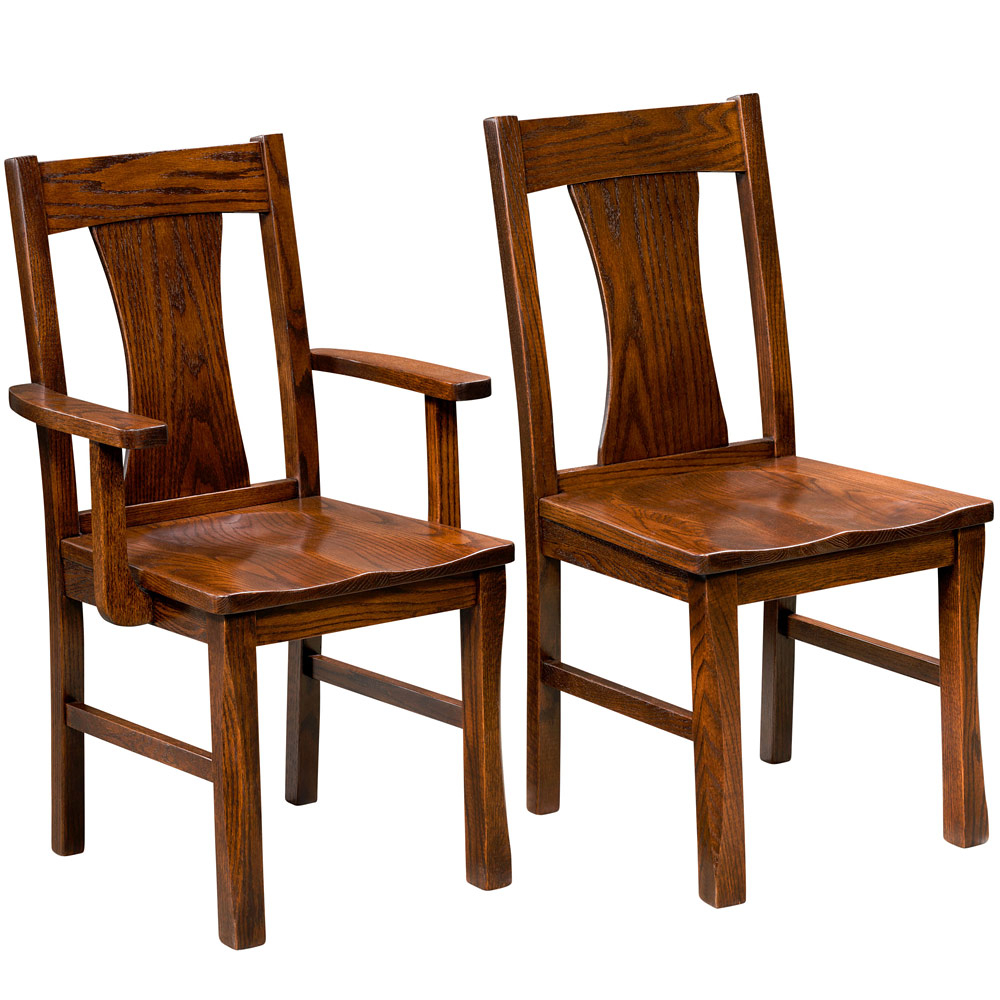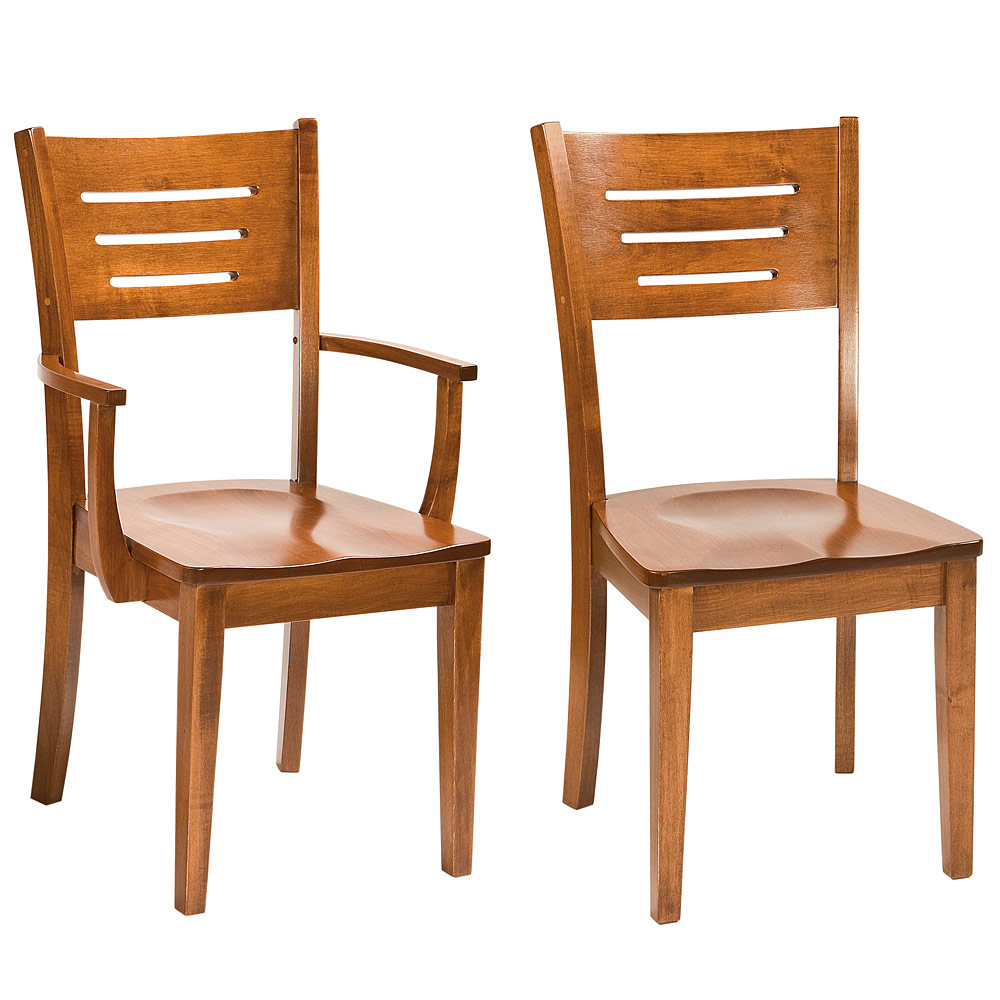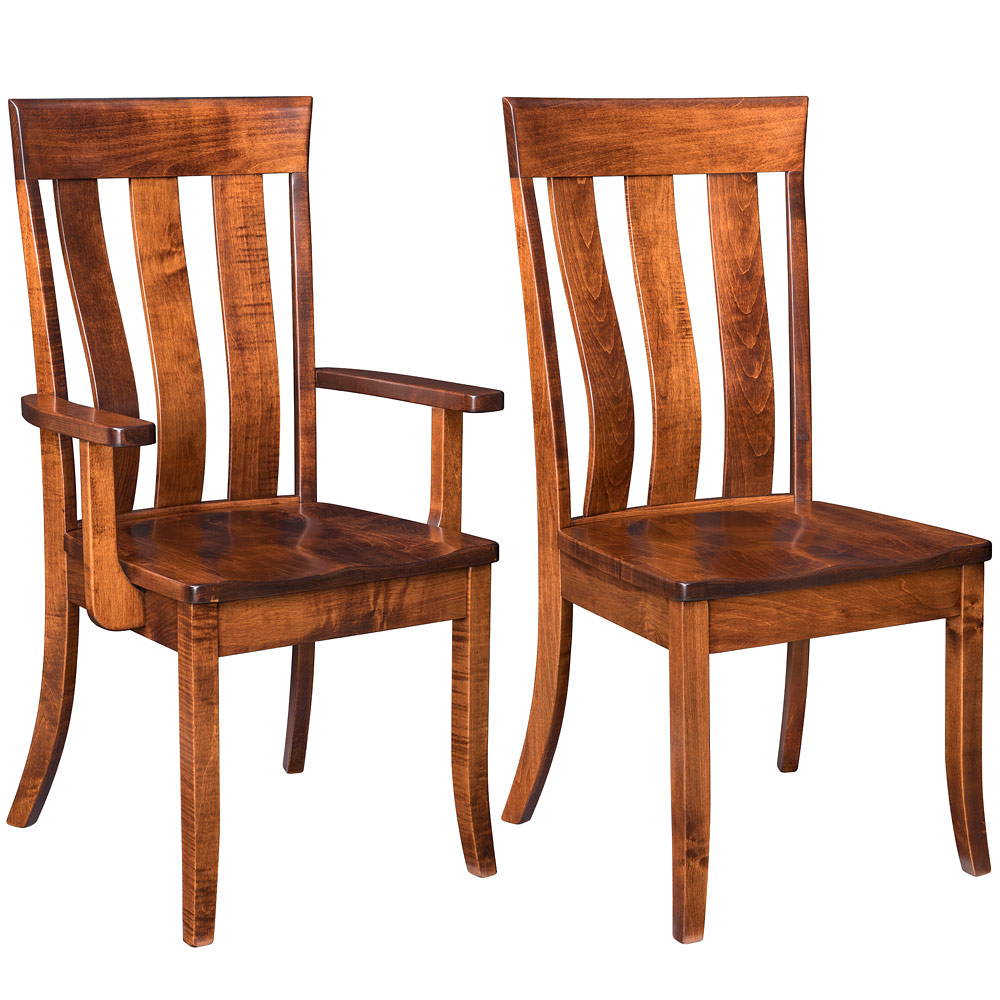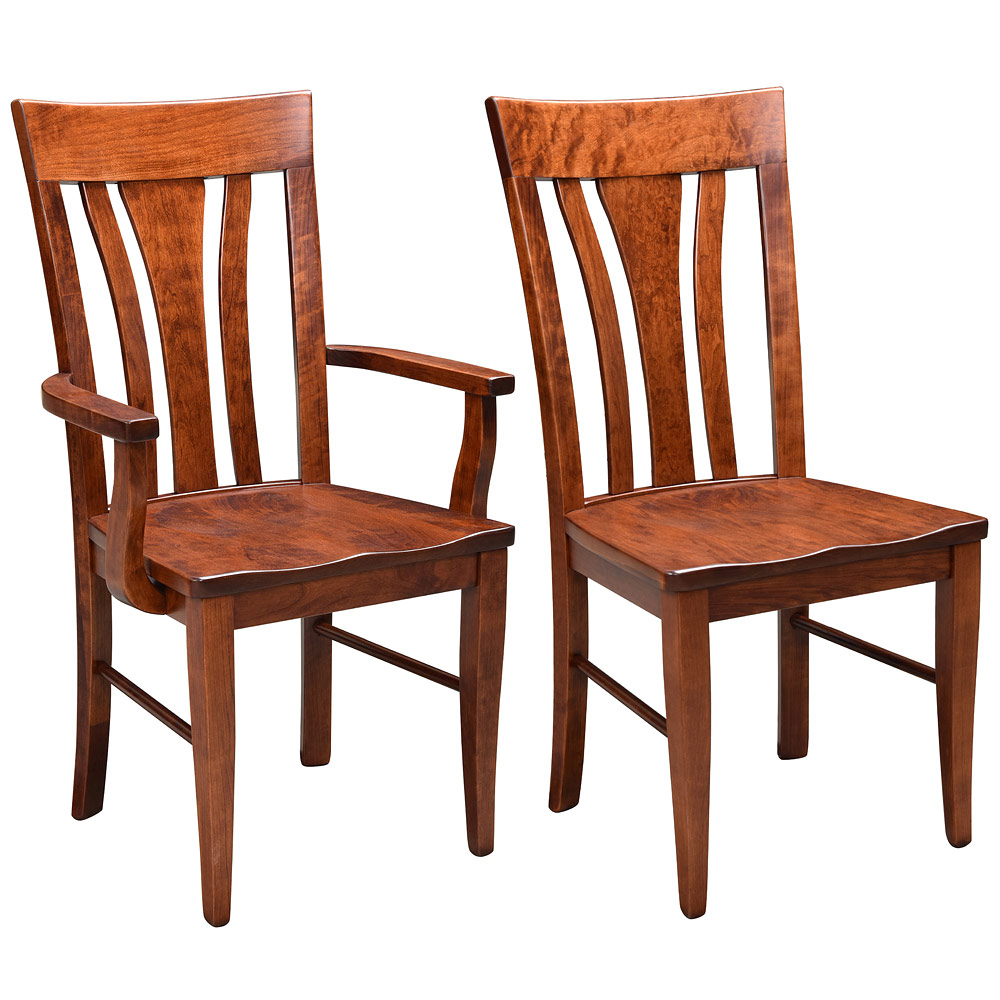
The gentle click of a hand plane, the scent of freshly cut wood, and the quiet dedication of a craftsperson – these are the hallmarks of Amish woodworking. But beyond the beauty of their wood dining chairs lies a profound story of sustainability, a legacy built on respect for the earth and a commitment to enduring quality. This isn't just about making furniture; it's a way of life, and it's a lesson in how traditional practices can offer a roadmap to a more sustainable future. And, it's pretty fantastic, and a bit disorganized, just like real life, I think. That's why I wrote this.
For generations, the Amish community has been known for its dedication to simplicity, self-sufficiency, and a deep connection to the land. Their wood dining chairs are not merely items of furniture; they are artifacts of a philosophy, a testament to the power of sustainable practices. In a world increasingly concerned about environmental impact, the Amish approach to woodworking provides valuable insights into how we can design, make, and consume products in a more responsible manner. We're going to explore the heart of what makes these chairs so special, and so lasting. Let's dive in.
The Foundation: Sourcing Sustainable Wood
The journey of an Amish wood dining chair begins with the wood itself. Amish craftspeople typically source their lumber from local, sustainable forests. This practice reduces the need for long-distance transportation, decreasing the carbon footprint associated with the furniture's production. They also often select trees that have reached maturity or that need to be removed for forest management, ensuring that the forest's health is maintained. Common woods include oak, cherry, maple, and hickory, each selected for its unique properties and the way it complements the design of the chair. This careful selection process is a key element of their sustainability efforts, and also makes the chairs last longer. It's all connected, you see.
Craftsmanship and Waste Reduction: A Time-Honored Approach
Amish woodworking is characterized by its efficiency and a deep understanding of the materials. They employ time-honored techniques, such as hand-cut joinery, which eliminates the need for metal fasteners and maximizes the strength and longevity of the chairs. This also reduces waste, as precision is paramount. Every piece of wood is carefully considered and used to its fullest potential. Scraps are often repurposed for smaller projects or used as fuel for heating workshops. This commitment to minimizing waste is a cornerstone of their sustainable ethos, a practical example of how to make the most of every resource. It's pretty neat, and quite resourceful, and it saves money, too.
Durable Design: Building for the Long Haul
Amish wood dining chairs are not designed to be disposable. Their construction emphasizes durability, using solid wood, strong joinery, and finishes that protect the wood from the elements. The goal is for these chairs to last for generations, reducing the need for frequent replacements and minimizing the environmental impact associated with the production of new furniture. This commitment to longevity is a powerful statement against the culture of planned obsolescence that often characterizes modern manufacturing. Think about how many cheap chairs you've had to replace! Amish chairs are built to stay and be part of the family, for a very long time, so they have to be good.
Finishes and Treatments: Natural and Non-Toxic
The finishes applied to Amish wood dining chairs are typically chosen for their natural properties and minimal environmental impact. Many craftspeople use finishes that are low in volatile organic compounds (VOCs), which reduces air pollution and protects the health of both the craftspeople and the end users. Some even use natural oils and waxes, which not only enhance the beauty of the wood but also create a protective barrier. This emphasis on non-toxic materials is a further demonstration of the Amish commitment to sustainability and respect for the environment. It's also better for your health, and the health of the planet, a win-win, I'd say.
The Human Element: Skills, Community, and Tradition
The Amish approach to sustainability is not just about materials and techniques; it's also about the human element. The skills required to craft these chairs are passed down through generations, preserving traditional knowledge and fostering a strong sense of community. This emphasis on skilled labor supports local economies and ensures that the craft continues to thrive. The Amish community also values self-sufficiency, reducing their reliance on external resources and promoting a more circular economy. The whole community benefits, and that's a great example of how to build a better world, one chair at a time. And the knowledge, of course, is priceless, and it's a legacy itself.
The Modern Relevance: Lessons for the Future
The practices of Amish woodworkers offer valuable lessons for businesses and consumers alike. Their commitment to sustainable sourcing, waste reduction, durable design, and non-toxic materials provides a model for creating products that are both beautiful and environmentally responsible. By embracing these principles, we can reduce our impact on the planet and create a more sustainable future. Consumers can support these efforts by choosing furniture made with sustainable practices, and by valuing quality and durability over disposability. It's a good example of how to make a difference, and it all starts with one chair.
The Amish wood dining chair is more than just a piece of furniture; it's a symbol of a sustainable way of life. From the careful selection of wood to the use of natural finishes, every aspect of its creation reflects a deep respect for the environment and a commitment to enduring quality. As we look to the future, the lessons learned from Amish woodworking offer a valuable blueprint for creating a more sustainable world. By embracing these principles, we can ensure that future generations will continue to appreciate the beauty and the legacy of these remarkable chairs. The story continues, and the chairs will last, hopefully, for a very, very long time. And, you know, it's all pretty great, if you think about it. And now I'm done.