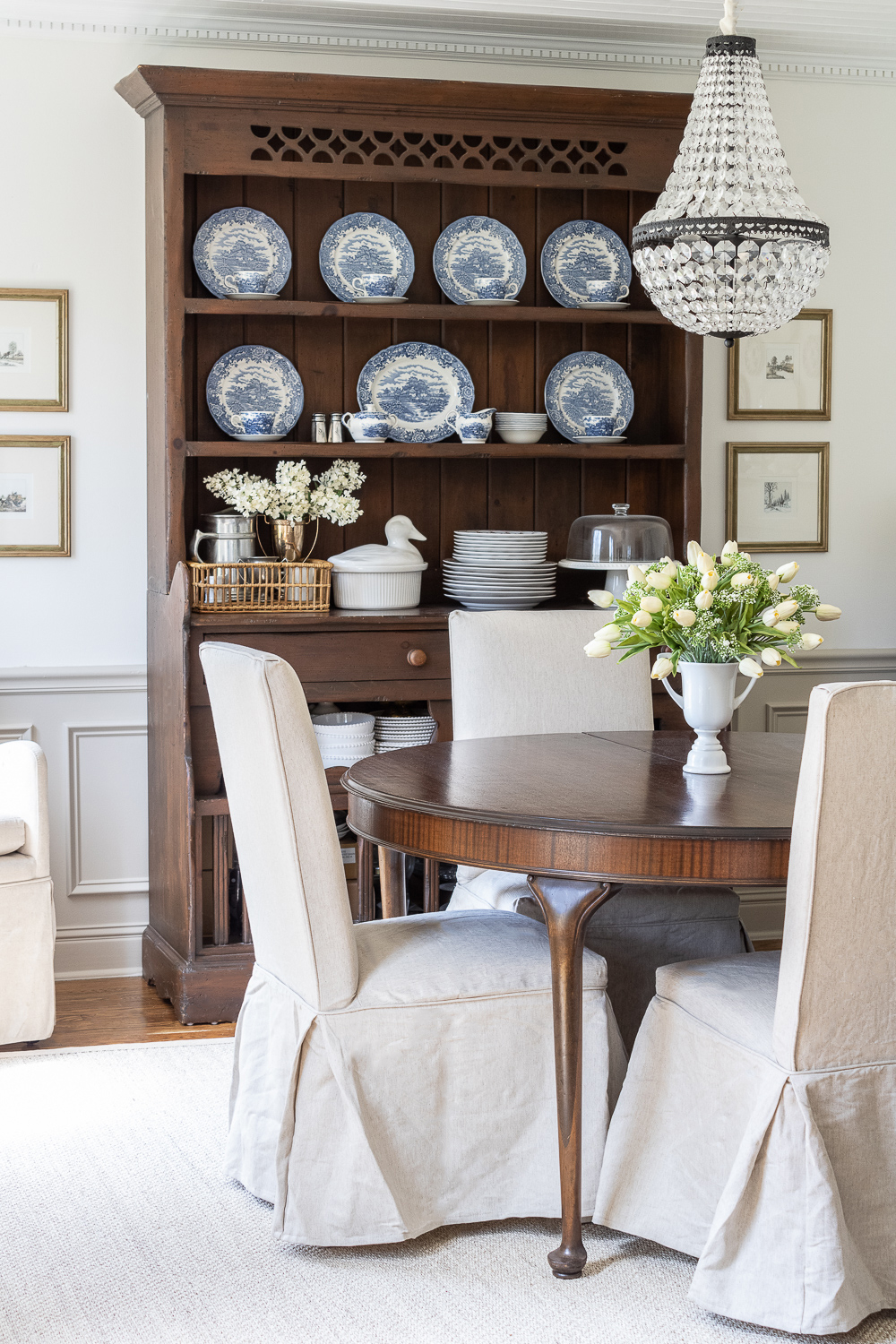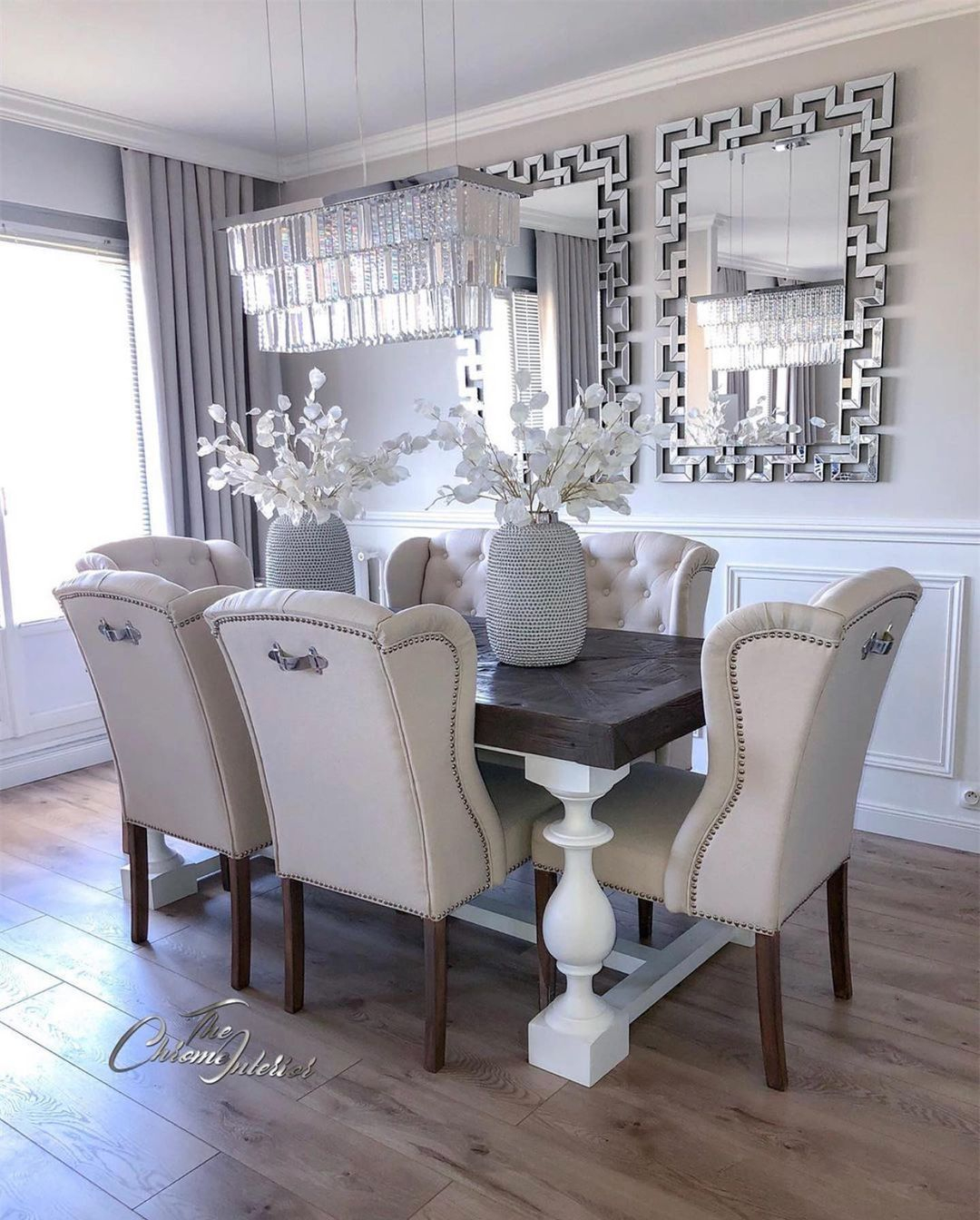
Light. It's the essence of life, the painter of shadows, and a fundamental element of any well-designed space. But it's not just about seeing; it's about feeling, about the mood and atmosphere natural light creates. This guide is all about how to bring more of that precious, free sunshine into your home, making it a more vibrant and welcoming place for you and your loved ones. Forget harsh, artificial illumination – we're diving into the world of soft glows, dancing shadows, and the undeniable charm of natural light. And it is going to be a fun ride, I promise.
We all crave it, but how many of us truly understand the power of natural light? It's more than just about being able to see; it's about our well-being, our energy levels, and the overall feel of our homes. Natural light can lift your mood, boost productivity, and even save you money on your electric bill. Plus, there's just something inherently beautiful about the way sunlight transforms a room throughout the day – the shifting patterns, the warm hues, the soft, inviting glow. This article will explore the amazing benefits of natural light and, most importantly, give you practical, actionable steps to get more of it in your own space. We'll look at everything from window treatments to paint colors, and even some clever tricks to make the most of what you've already got. Let's go!
Window Wisdom: Maximizing Your Light Sources
Windows are, of course, your primary source of natural light. Let's explore a few ways to make the most of them:
- Cleanliness Counts: Sounds simple, but dirty windows can block a surprising amount of light. Make it a habit to clean your windows regularly, inside and out.
- Window Treatments: Choose window treatments wisely. Heavy, dark curtains can block light, while sheer curtains allow light to filter through while still providing some privacy. Consider blinds that can be adjusted to control the amount of light coming in.
- Mirror, Mirror: strategically place mirrors across from windows to reflect natural light deeper into the room. This is a great trick for smaller spaces or rooms that don't get a lot of direct sunlight.
- Consider Window Size and Placement: If you're renovating or building, think about the size and placement of your windows. Larger windows, and windows placed on the south-facing side of your home (in the Northern Hemisphere) will receive the most sunlight.
Color Play: How Paint Influences Light
The colors you choose for your walls have a HUGE impact on how light behaves in a room. Here's what you need to know:
- Light Colors Reflect, Dark Colors Absorb: This is the golden rule. Lighter colors, like white, cream, and pale yellows, reflect light, making a room feel brighter and more open. Darker colors, like navy blue or charcoal gray, absorb light, making a room feel cozier but potentially smaller.
- Consider the Light: The amount of natural light a room receives will affect how colors appear. A north-facing room, which receives indirect light, might benefit from warmer colors to counteract the coolness. A south-facing room, which gets a lot of direct sunlight, can handle cooler colors.
- Experiment with Finishes: Matte paints absorb more light, while satin or gloss paints reflect more. Choose the finish that best suits your needs and the look you're going for.
Furniture and Layout: Creating Light-Friendly Spaces
The way you arrange your furniture can either enhance or hinder the flow of natural light. Here's how to create a light-friendly layout:
- Avoid Blocking Windows: Don't place large pieces of furniture, like sofas or bookcases, directly in front of windows. This blocks the light and creates a cramped feeling.
- Embrace Open Spaces: Open floor plans tend to maximize natural light. If you have walls, consider removing them or partially opening them up to allow light to flow freely.
- Light Furniture: Opt for light-colored furniture and furniture with legs, which allows light to pass underneath, and the room feels more spacious.
- Strategic Placement: Position seating areas near windows to take advantage of the sunlight and create a cozy spot to relax.
Artificial Light and Natural Harmony
While this article is all about natural light, it's important to consider how artificial lighting can complement it. Here's how:
- Layer Your Lighting: Use a combination of ambient (general), task (focused), and accent lighting to create a well-lit and balanced space.
- Mimic Natural Light: Choose light bulbs that mimic natural light. LED bulbs with a warm white color temperature (around 2700K-3000K) are a good choice.
- Use Dimmers: Dimmers allow you to control the intensity of your artificial light, and you can adjust it throughout the day as the natural light changes. This is a great way to create a cozy and inviting atmosphere in the evening.
Plants and Light: A Symbiotic Relationship
Plants thrive on sunlight, and they can also help to enhance the aesthetic appeal of a room. Here's how to incorporate plants to boost the natural light experience:
- Choose the Right Plants: Select plants that thrive in the amount of light your room receives. For example, ferns and peace lilies prefer low light, while succulents and cacti love bright, direct sunlight.
- Placement is Key: Place plants near windows to maximize their access to sunlight. Consider using hanging planters or shelves to create a vertical garden.
- Clean Those Leaves: Dusting the leaves of your plants will help them absorb more light, so keep them clean. This is a win-win for both the plants, and your space.
- Reflect Light: Use light-colored pots to reflect light onto the plants, and into the room.
Outdoor Considerations: Extending the Light
Don't forget about the exterior of your home! The things you do outside can impact the amount of light that makes its way indoors.
- Trim Overhanging Trees: Overhanging trees can block sunlight from reaching your windows. Trim them back to allow more light to enter.
- Maintain Your Landscaping: Keep bushes and shrubs trimmed so they don't block windows. Consider using light-colored mulch to reflect sunlight back into the house.
- Outdoor Lighting: Use outdoor lighting to illuminate your home's exterior at night, and it will make your windows appear brighter, and more inviting from the inside. And, from the street.
There you have it – a comprehensive look at how to harness the power of natural light in your home. From simple tweaks like cleaning your windows to more involved projects like changing the paint color, there are many ways to maximize the sunlight you receive. By implementing these tips, you can transform your living spaces into havens of light and warmth, improving your mood, your productivity, and your overall well-being. So, open those curtains, let the sunshine in, and enjoy the beauty and benefits of a naturally lit home. You deserve it. And, remember, the best time to start is always now. Go on, create your own sun-filled sanctuary. It's waiting for you.