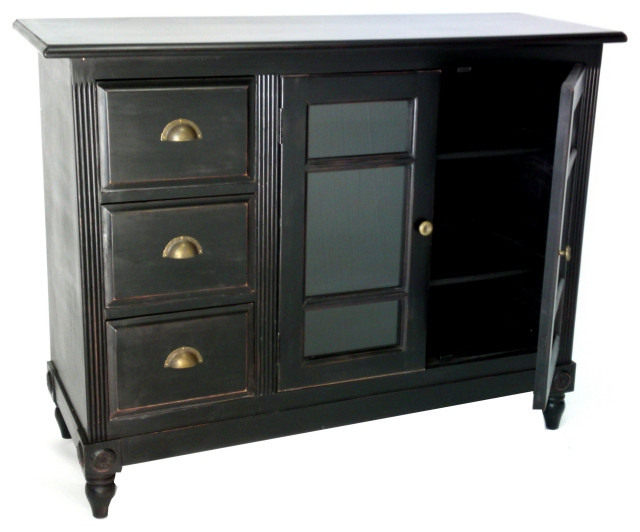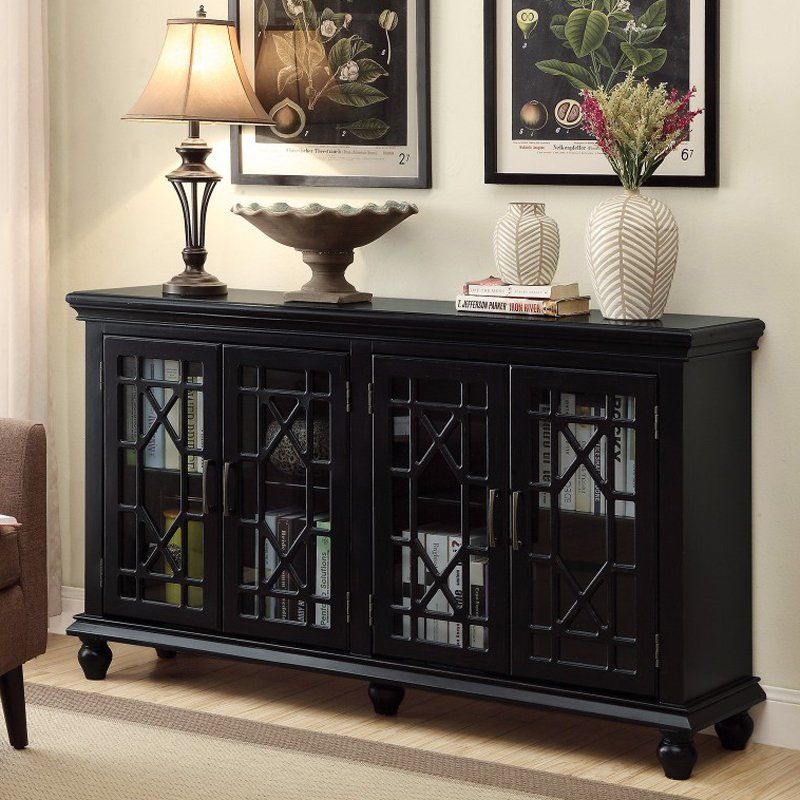
The Benzara BM160236, a piece of furniture, a decorative item, or perhaps something else entirely, often catches the eye. But what is it that makes this particular object so visually appealing? This article delves into the aesthetic charm of the Benzara BM160236, breaking down its design elements, features, and the overall impression it creates. We'll explore what gives it its unique visual appeal, from its shape and materials to its color palette and how it fits into different design styles. Prepare to see this piece in a fresh, new light, and maybe even gain some inspiration for your own space.
In the realm of design, certain objects possess a distinct ability to capture our attention and ignite our aesthetic senses. The Benzara BM160236 is one such item. While its function might vary, its visual presence is undeniable. But what truly makes it beautiful? Is it the lines, the materials, or perhaps the way it interacts with light? This exploration seeks to unpack the aesthetic aspects of the BM160236, offering insights into its composition and the reasons behind its appeal. We'll also look at how it might be integrated into various interior designs, and what makes it stand out.
Form and Shape: The Foundation of Visual Appeal
The initial impression is often dictated by the object's shape. The BM160236's form, be it a simple silhouette or a more intricate design, plays a critical role in its attractiveness. Consider the lines: Are they strong and defined, creating a sense of power, or are they soft and flowing, suggesting a sense of grace? The proportions are also key. Is the item balanced, or does it lean more towards asymmetry?
Think about a classic example, like a well-designed chair. The gentle curve of the backrest, the carefully considered angle of the legs – these are all elements that contribute to its overall visual harmony. The BM160236, similarly, likely uses its shape to create a pleasing and engaging experience for the eye. The shape of the BM160236 is a crucial element of its visual identity.
Material Matters: Textures and Tactility
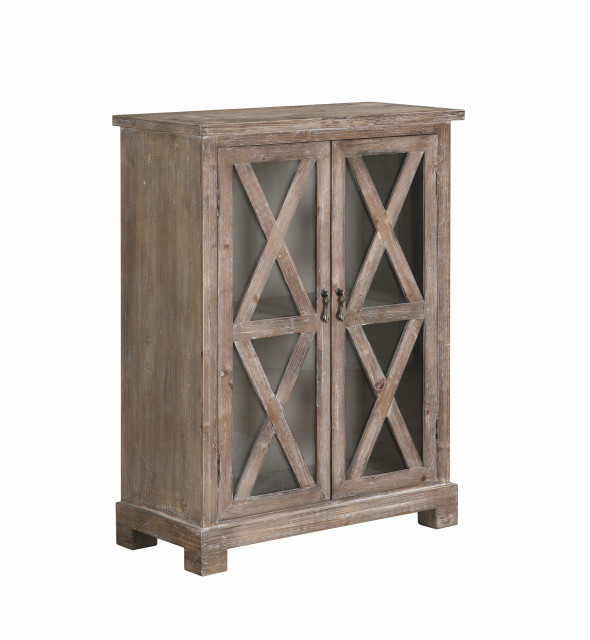
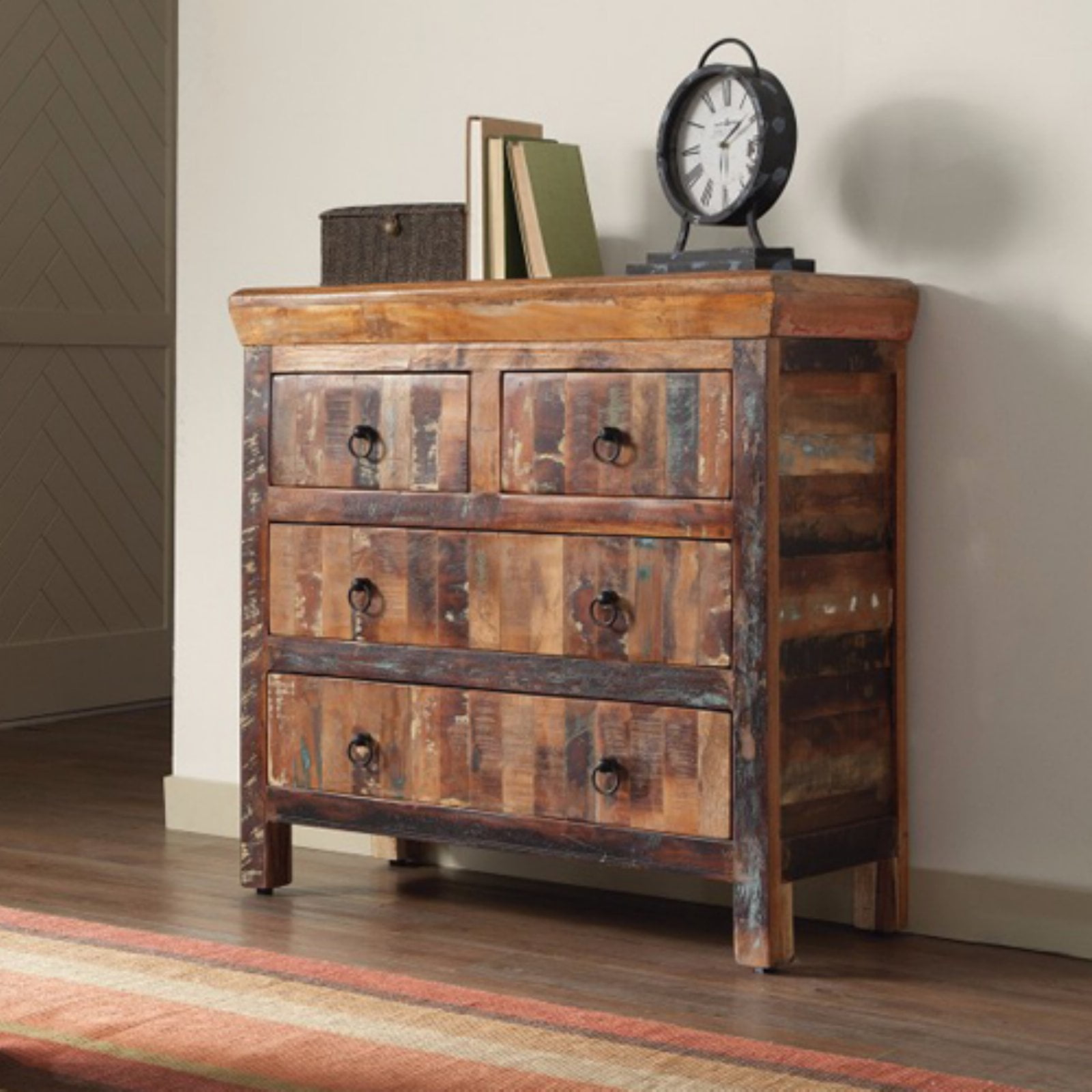
The materials used in the BM160236 significantly impact its aesthetic value. The choice of material dictates not only the look but also the feel of the object. Is it crafted from smooth, polished wood, offering a sense of luxury? Or perhaps it uses a rougher, more rustic material, giving it a more casual, inviting vibe? The texture is important, too – does it have a glossy sheen, or a matte finish? The tactile experience, or how it feels when touched, adds another layer of appreciation.
Think about the difference between a sleek, metal sculpture and a cozy, woven blanket. Both can be beautiful, but their different materials give them distinct aesthetic qualities. The BM160236 almost certainly uses its materials to add to its visual narrative.
Color Palette: Setting the Mood
Color is a potent tool in design. The color scheme of the BM160236 can evoke a range of emotions and set the tone for a space. Is it a bold, vibrant hue that demands attention, or a subdued, neutral tone that blends seamlessly into the background? The way colors interact with each other is also important. Do the colors complement each other, creating a sense of harmony, or do they contrast, adding visual excitement?
Consider a room painted in calming blues and greens, versus one splashed with bright reds and oranges. The color palette completely changes the feeling of the space. The BM160236's colors, or lack thereof, are a major factor in its overall aesthetic impact.
Design Elements: The Details That Matter
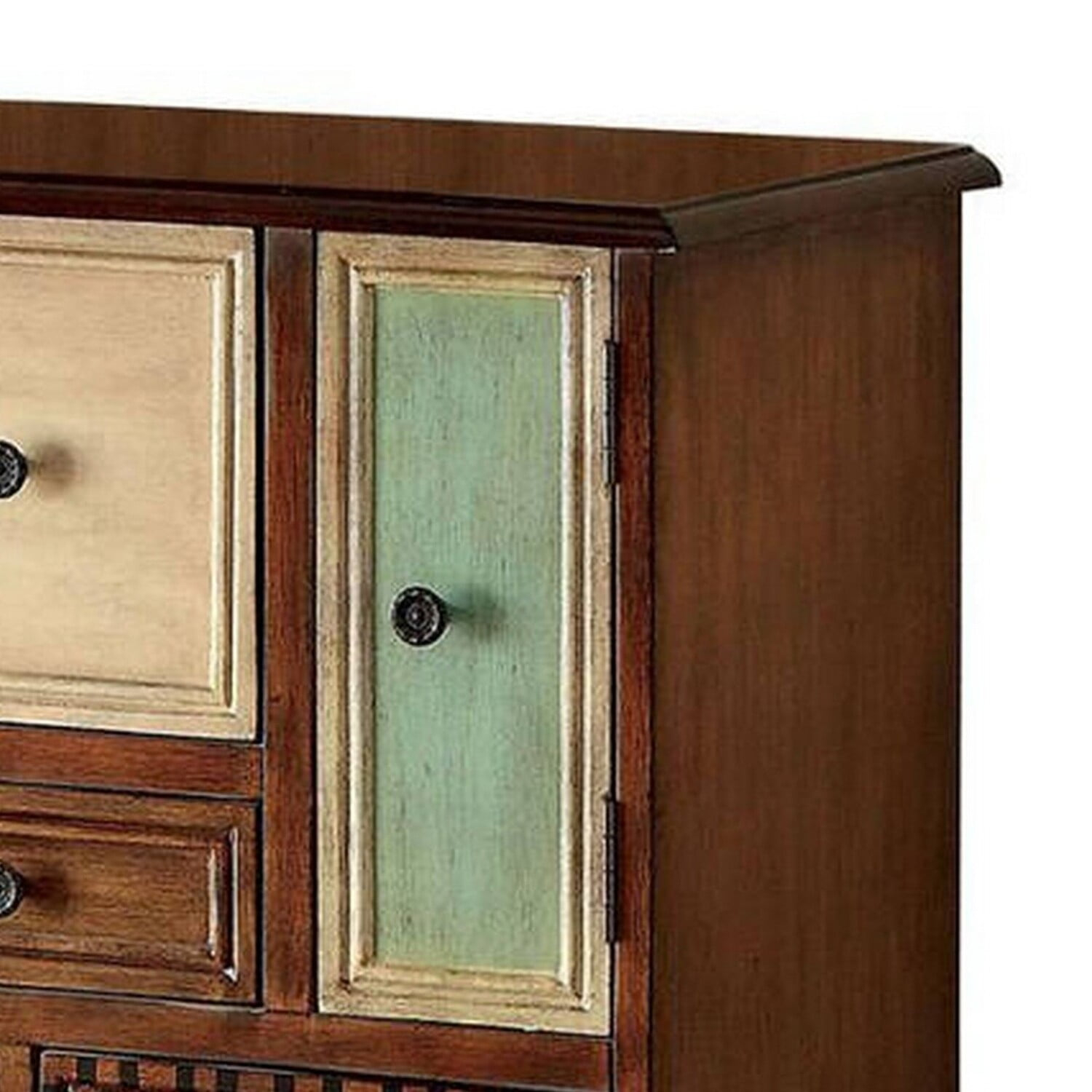
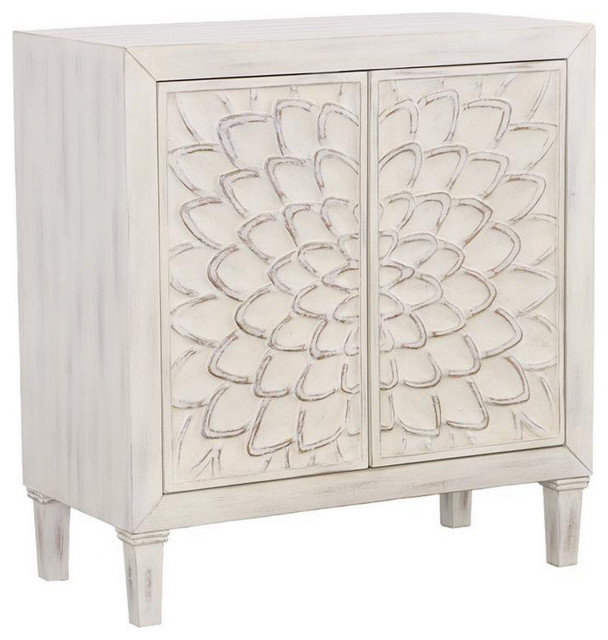
Beyond the core elements of form, materials, and color, the smaller details of the BM160236 contribute to its aesthetic appeal. These could include intricate carvings, unique hardware, or interesting patterns. These details add visual interest and can elevate a piece from ordinary to extraordinary. The design elements are where the craftsmanship and artistry shine through.
Think about a piece of antique furniture with detailed carvings and ornate handles. These details speak to the skill and care that went into its creation, adding to its beauty and value. The BM160236, by its very nature, has details that add to its overall visual interest.
Context and Integration: How it Fits In
The aesthetic impact of the BM160236 isn't solely determined by its individual characteristics. It also depends on how it's placed within a space. Does it complement the existing décor, or does it stand out as a statement piece? The lighting, the surrounding furniture, and the overall style of the room all play a role in how the BM160236 is perceived. Its context can enhance or diminish its beauty.
Imagine a minimalist sculpture placed in a stark, modern room versus the same sculpture in a cluttered, antique-filled space. The effect is completely different. The BM160236's placement determines a great deal about its aesthetic impact.
Aesthetic Appeal: Beyond the Surface
Ultimately, the aesthetic appeal of the Benzara BM160236 is more than just its visual characteristics. It's about the way it makes you feel. Does it evoke a sense of calm, excitement, or intrigue? Does it speak to your personal tastes and preferences? Aesthetic appreciation is subjective and personal. The BM160236 may resonate with some and not with others, but its ability to elicit a response is what makes it aesthetically relevant. The true measure of its beauty lies in the response it generates.
The Benzara BM160236, with its unique design and the way it interacts with its surroundings, provides a rich experience for the eye. From its form and materials to its color palette and the details that set it apart, every aspect contributes to its aesthetic appeal. Understanding these elements allows a deeper appreciation for the object. Whether you're a seasoned design enthusiast or a casual observer, taking the time to analyze these aspects can enrich your understanding of the BM160236 and the impact it has on the spaces it inhabits. Its beauty is in the details, and the way it makes you feel. I hope you have enjoyed this journey into the world of the BM160236.