Mission Oak Revival furniture, with its sturdy construction and timeless aesthetic, continues to captivate designers and homeowners alike. This style, born from a desire for simplicity and honesty in design, offers a unique blend of functionality and artistry. This article delves deep into the world of Mission Oak Revival, exploring its origins, distinctive characteristics, and how you can infuse your living space with its enduring appeal. Let's get started, shall we?
Mission Oak Revival isn't just a furniture style; it's a statement. It speaks of a bygone era, a time when craftsmanship was valued above all else. But it's also incredibly relevant today, offering a refreshing alternative to mass-produced items and fleeting trends. This guide serves as your comprehensive resource to understanding and appreciating this iconic design movement. We'll explore its roots, examine its key features, and provide you with practical advice on how to integrate this classic style into your own home. Get ready to embark on a journey through the history and beauty of Mission Oak Revival.
The Origins of Mission Oak Revival: A Look Back
The story of Mission Oak Revival begins in the late 19th and early 20th centuries, primarily in the United States. It was a reaction against the ornate, over-the-top Victorian style that dominated the period. Designers and artisans, inspired by the Arts and Crafts movement, sought a return to simplicity, functionality, and the honest use of materials. Key figures like Gustav Stickley, with his "Craftsman" designs, played a pivotal role in popularizing this aesthetic. The term "Mission" itself is derived from the Spanish missions of California, which inspired the furniture's clean lines and robust construction. It was a movement that championed the beauty of the natural wood and the skill of the craftsperson.
Key Characteristics: What Defines Mission Oak Revival?
Identifying Mission Oak Revival furniture is relatively straightforward once you know what to look for. Here are some of its most prominent characteristics:
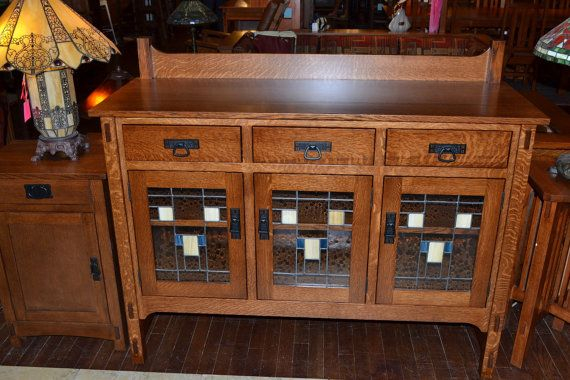
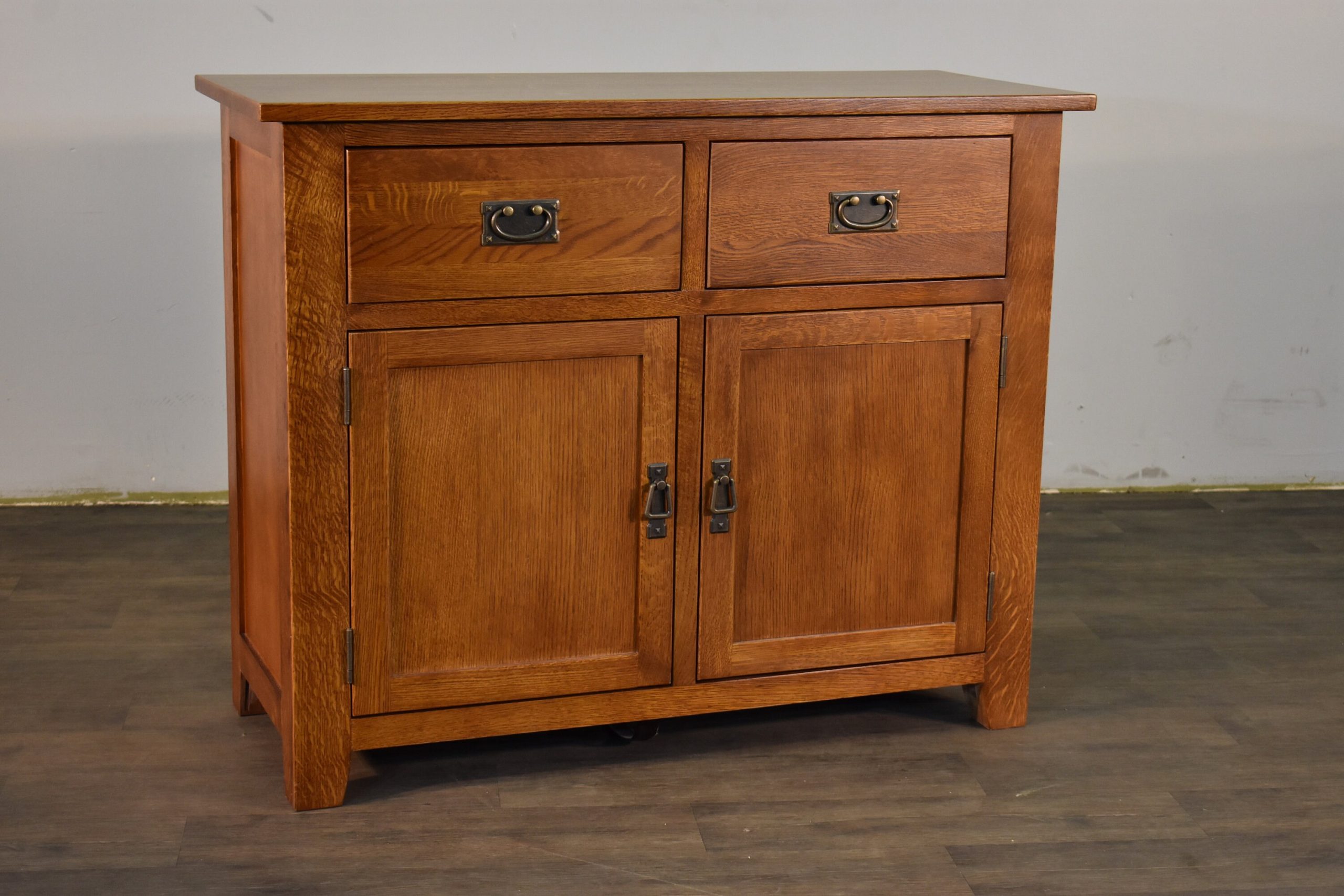
- Straight Lines and Geometric Forms: Curved lines were largely avoided in favor of straight lines, right angles, and simple geometric shapes. This gives the furniture a clean, uncluttered appearance.
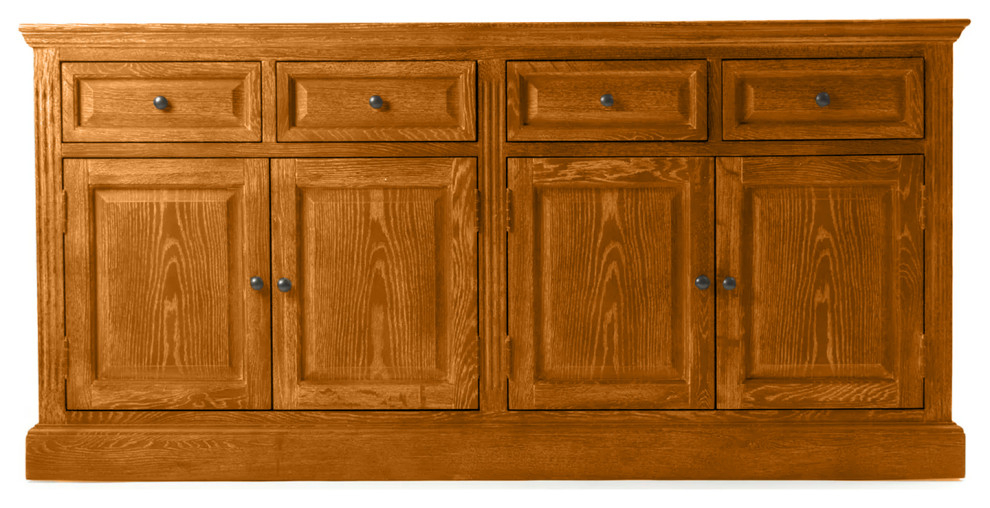
- Solid Oak Construction: Oak, known for its durability and beautiful grain, was the wood of choice. The furniture was typically constructed from solid oak, not veneers, making it incredibly strong and long-lasting.
- Exposed Joinery: Mortise-and-tenon joints, often visible and adding to the aesthetic appeal, were a common feature. This showcased the craftsmanship and the structural integrity of the piece.
- Simple Hardware: Hardware, such as pulls and hinges, was typically understated and functional, often made of bronze or copper. It never competed with the wood's beauty.
- Minimal Decoration: Ornamentation was kept to a minimum. The focus was on the natural beauty of the wood and the clean lines of the design. There might be some subtle carving or inlay, but it was never excessive.
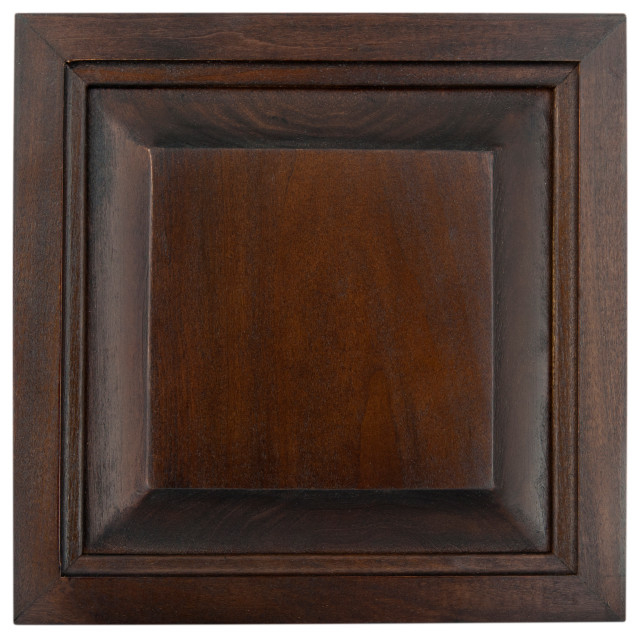
- Dark Stains: Finishes were usually dark, such as a rich brown or even black, to highlight the grain and create a sense of warmth and formality. The goal was to enhance the wood's natural color, not to conceal it.
Bringing Mission Oak Revival into Your Home: Practical Tips
Incorporating Mission Oak Revival into your home can be a rewarding experience. Here are some practical tips to get you started:
- Start Small: Begin with a single piece, such as a coffee table, a bookcase, or a dining chair. This will help you get a feel for the style and how it complements your existing decor.
- Mix and Match: Don't feel you have to furnish your entire home in Mission Oak Revival. It mixes well with other styles, creating an eclectic and personalized look. Try pairing a Mission Oak table with more modern chairs, for example.
- Consider the Scale: Mission Oak furniture is often quite substantial, so make sure your space can accommodate its size. Avoid overcrowding the room.
- Accessorize Thoughtfully: Choose accessories that complement the style, such as Arts and Crafts-inspired lamps, ceramic vases, and natural textiles. Avoid anything too ornate or fussy.
- Focus on Quality: When purchasing Mission Oak Revival furniture, prioritize quality construction and materials. Look for pieces that are made of solid oak and that show signs of careful craftsmanship.
- Embrace the Dark Wood: The dark stain is a defining feature. If you're not a fan, remember it can be refinished, but know that it is a big part of the style.
Spotting Authentic Mission Oak Revival Furniture: A Buyer's Guide
Finding authentic Mission Oak Revival furniture can be a treasure hunt. Here are some things to keep in mind when you're shopping:
- Examine the Construction: Look for solid oak construction, exposed joinery, and dovetail joints in drawers. These are signs of quality craftsmanship.
- Check the Hardware: Original hardware is a good indicator of authenticity. Look for simple, functional pulls and hinges made of bronze or copper.
- Inspect the Finish: Original finishes are typically dark and may show signs of wear and tear. This is a sign of age and character, not necessarily a flaw.
- Research the Maker: If possible, research the maker of the piece. Gustav Stickley and other well-known manufacturers often have marks or labels that can help you identify the piece.
- Beware of Reproductions: There are many reproductions available, so be sure to do your research before you buy. Compare the construction, the finish, and the hardware to authentic examples.
- Don't Be Afraid to Ask Questions: Ask the seller about the piece's history, its construction, and its provenance. A knowledgeable seller should be able to provide you with detailed information.
Caring for Your Mission Oak Revival Furniture: Preservation and Maintenance
Once you've acquired your Mission Oak Revival furniture, proper care is essential to preserve its beauty and longevity. Here are some tips:
- Dust Regularly: Dust your furniture frequently with a soft cloth to remove dust and dirt.
- Avoid Direct Sunlight: Prolonged exposure to direct sunlight can fade the finish and damage the wood.
- Use Furniture Polish Sparingly: Avoid using excessive amounts of furniture polish, as it can build up and attract dirt. A light application of a quality polish every few months is usually sufficient.
- Protect Surfaces: Use coasters under drinks, placemats under plates, and table runners to protect the finish from scratches and spills.
- Clean Spills Promptly: Wipe up spills immediately with a damp cloth to prevent stains.
- Consider Professional Restoration: If your furniture is damaged or has significant wear and tear, consider having it professionally restored. A skilled restorer can repair damage and refinish the piece to its original glory.
The Enduring Legacy: Why Mission Oak Revival Still Matters
Mission Oak Revival continues to resonate with people today for several reasons. It offers a timeless aesthetic that transcends fleeting trends. Its emphasis on quality craftsmanship and the beauty of natural materials is a welcome contrast to mass-produced furniture. Furthermore, it aligns with the growing desire for sustainable and eco-friendly design choices. The style's simplicity and functionality make it incredibly versatile, suitable for both modern and traditional homes. Ultimately, Mission Oak Revival represents a return to the fundamentals of good design: beauty, durability, and a connection to the past. It's a style that's sure to endure for generations to come.
Mission Oak Revival furniture is more than just a design style; it's a testament to the enduring values of craftsmanship, simplicity, and timeless beauty. By understanding its origins, recognizing its key features, and following these practical tips, you can successfully incorporate this iconic style into your own home. Whether you're a seasoned collector or a newcomer to the world of furniture design, the charm of Mission Oak Revival is bound to captivate you. So go ahead, explore the rich history and enduring appeal of this remarkable style, and bring a touch of the past into your present. It's a style that will continue to inspire and enhance living spaces for years to come. Remember, the key is to appreciate the history and the craftsmanship, and to find pieces that speak to you. Happy decorating, and good luck on your journey to find your perfect Mission Oak Revival pieces. And, don't be afraid to embrace the imperfections and the character - that's where the real beauty lies.