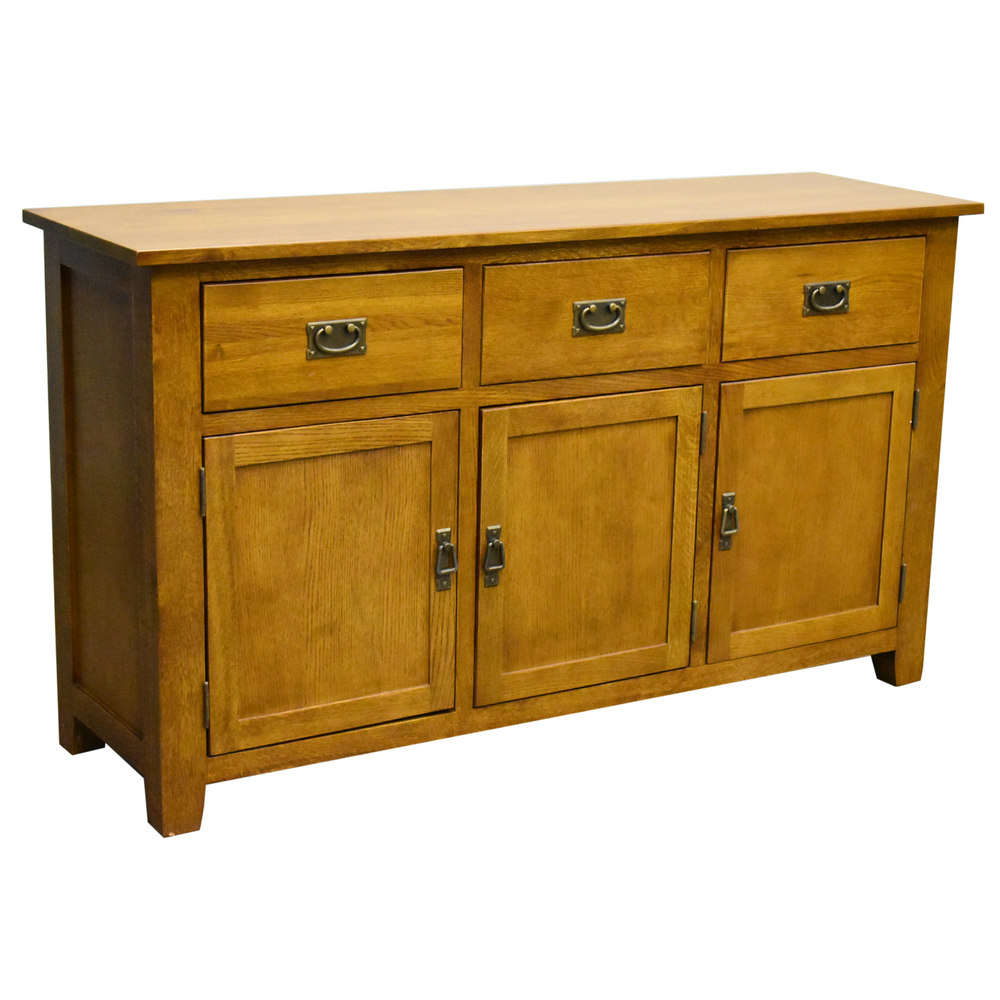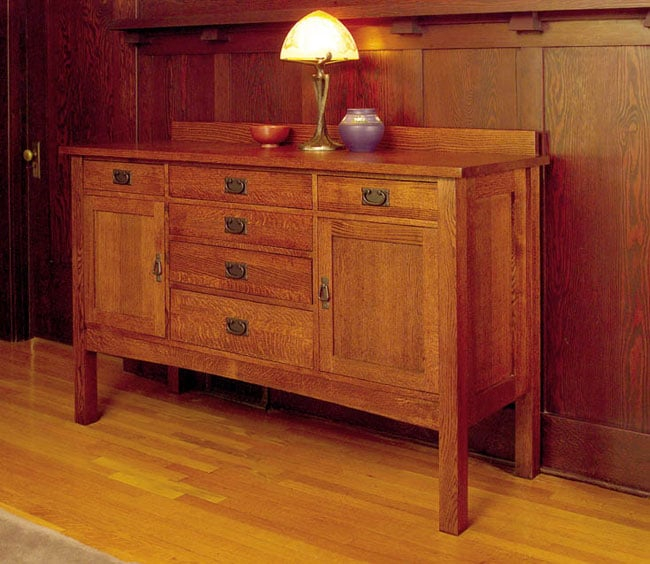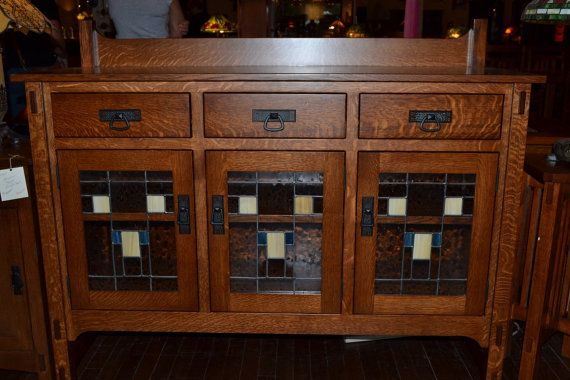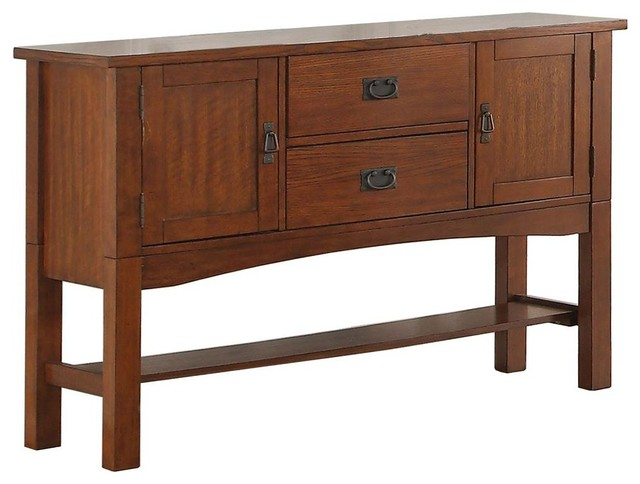
Mission Oak buffets – they're more than just furniture; they're statements. These pieces speak volumes about a specific era, a design philosophy, and a dedication to craftsmanship. This article will embark on a journey into the world of these iconic pieces, dissecting their construction, highlighting their features, and exploring why they continue to captivate collectors and home decorators alike. Prepare to become a Mission Oak aficionado. And discover their hidden secrets.
Imagine a time when simplicity and honesty in design were prized above all else. That's the essence of the Arts and Crafts movement, which gave rise to the Mission style. Mission Oak furniture, with its clean lines, sturdy construction, and emphasis on natural materials, is a direct reflection of this philosophy. It's about form following function, and it's about enduring quality. The Mission Oak buffet, in particular, is a prime example of this aesthetic, a functional and beautiful piece that often served as the centerpiece of a dining room. Let's delve into what makes these buffets so special.
Defining the Mission Oak Aesthetic
What exactly is Mission style? It's characterized by a few key elements:
- Straight Lines and Geometric Forms: Curved shapes were mostly avoided. Think strong, bold lines.
- Exposed Joinery: Tenons, mortises, and other joinery techniques were often visible, showcasing the construction. This wasn't a flaw; it was a feature.
- Solid Oak Construction: Oak was the wood of choice, known for its strength, durability, and beautiful grain patterns.
- Minimal Ornamentation: Decoration was kept to a minimum, with an emphasis on the wood's natural beauty. Hardware was usually simple and functional, not fussy.
- Honest Craftsmanship: The focus was on quality materials and skilled hand-working over mass production. A Mission Oak buffet was built to last.
These features, when combined, create a timeless aesthetic that's both practical and elegant. It's a style that embraces simplicity and celebrates the essence of the materials used.
Construction: The Backbone of a Mission Oak Buffet
Understanding the construction of a Mission Oak buffet is key to appreciating its value and identifying its authenticity. Here's a breakdown of typical construction methods:
- Frame-and-Panel Construction: This is a hallmark of Mission style. The main structure is often made up of a frame (the uprights and rails) with panels inserted within. This method allows for the wood to expand and contract without causing the piece to warp or crack.
- Mortise-and-Tenon Joinery: This is a very strong and durable way of joining wood pieces together. The tenon (a projecting piece) fits snugly into the mortise (a hole or recess) in the other piece of wood. This is often seen in the legs and frame.
- Dovetail Joints: Found in drawers, these interlocking joints are incredibly strong and a sign of high-quality craftsmanship. They’re easy to spot – they look like a series of interlocking wedges.
- Solid Wood Throughout: Unlike some modern furniture, Mission Oak buffets were typically made entirely of solid oak, not veneers or particleboard. This contributes to their weight and their longevity. You may find some back panels are made of a secondary wood to save on cost, but the primary structure is usually always oak.
- Hardware: Original hardware was usually simple and functional, often made of iron or brass, with a dark finish. Look for original pulls and hinges when assessing a piece – replacement hardware can sometimes detract from the value.
Key Features and Design Elements
Mission Oak buffets come in a variety of styles, but several features are common:
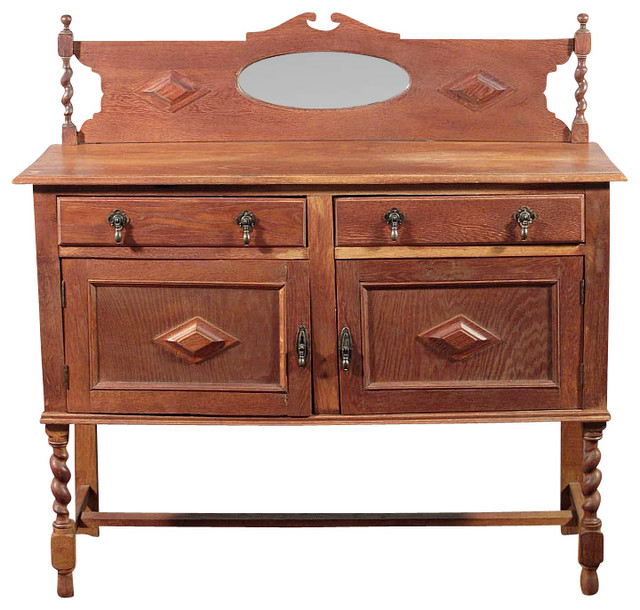
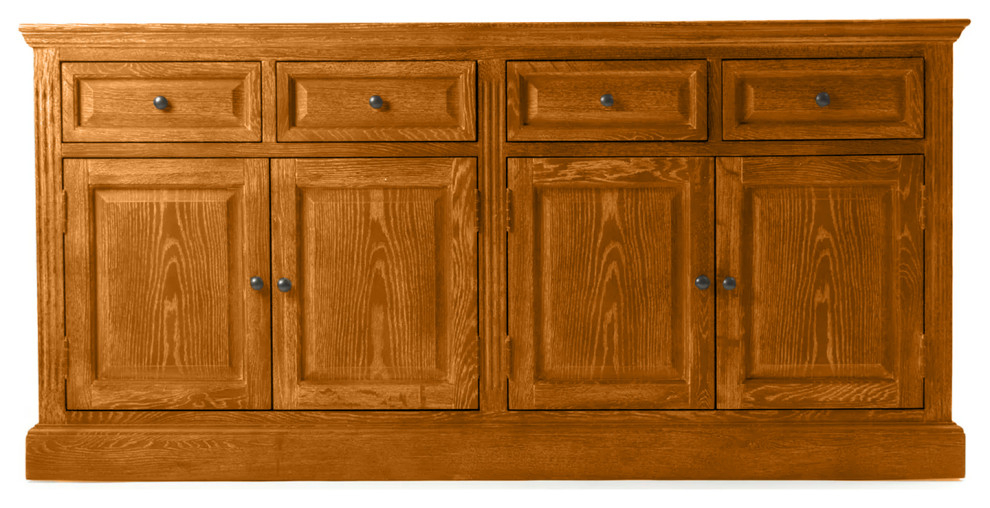
- The Buffet Top: This is usually a flat surface, often made of a single piece of oak. It provides a space for serving food, displaying decorative items, and generally makes the entire piece more functional.
- Drawers: These are a common feature, often used for storing silverware, linens, and other dining essentials. The number and arrangement of drawers can vary.
- Cabinets: These provide enclosed storage, often with shelves inside. They can have solid doors or doors with glass panes.
- The Backsplash: Many buffets have a backsplash, which can be a simple panel or a more decorative element. It helps to protect the wall and can add visual interest.
- The Base: The base of the buffet can vary, from simple straight legs to more elaborate designs. Some buffets sit directly on the floor, while others have a recessed base.
- Hardware: As mentioned earlier, hardware is an important design element. Original hardware adds to the authenticity and value of the piece. Replacement hardware can sometimes detract from its value.
- Finish: Original finishes were often a dark stain or a clear finish that allowed the wood's grain to show through. The finish helps protect the wood and enhances its beauty.
Identifying Authentic Mission Oak
Identifying an authentic Mission Oak buffet requires a careful eye. Here are some things to look for:
- Wood Type: Oak is the primary wood. Check the exposed surfaces and interior of the piece.
- Construction Techniques: Examine the joinery. Look for mortise-and-tenon joints, dovetail joints, and frame-and-panel construction.
- Hardware: Check the hardware for its style and materials. Is it consistent with the period?
- Finish: Is the finish original? Does it show signs of age and wear?
- Maker's Marks: Some pieces have maker's marks or labels. Researching these can help you determine the origin and value of the buffet.
- Condition: Assess the overall condition of the piece. Are there any major repairs or alterations? Minor wear and tear are to be expected on a piece of this age.
- Style Consistency: Does the piece adhere to the key design elements of the Mission style?
Doing your research and comparing pieces to known examples is crucial. There are many reproductions and imitations, so knowing what to look for will help you identify the real deal.
Caring for Your Mission Oak Buffet
Proper care will help ensure your Mission Oak buffet lasts for generations. Here are some tips:
- Dust Regularly: Use a soft cloth to dust the surface. Avoid using harsh chemicals or abrasive cleaners.
- Avoid Direct Sunlight: Prolonged exposure to sunlight can fade the finish. Position the buffet away from direct sunlight.
- Control Humidity: Maintain a stable humidity level in your home. Fluctuations in humidity can cause the wood to expand and contract.
- Clean Spills Immediately: Wipe up spills promptly to prevent staining.
- Use Furniture Polish Sparingly: Apply furniture polish sparingly, following the manufacturer's instructions. Over-polishing can build up residue.
- Professional Restoration: For significant damage or repairs, consider consulting a professional furniture restorer. They can help preserve the value and beauty of your piece.
- Protect the Finish: Use placemats and coasters to protect the top surface from scratches and water rings.
Mission Oak Today: Enduring Appeal and Value
Mission Oak furniture continues to be highly sought after by collectors, interior designers, and homeowners. Its timeless design, sturdy construction, and natural beauty make it a versatile piece that can complement a variety of decorating styles, from rustic to modern. The value of a Mission Oak buffet depends on several factors, including its maker, condition, rarity, and design. Original pieces from well-known makers like Gustav Stickley and L&JG Stickley command premium prices. However, even lesser-known pieces can be valuable if they are in good condition and exhibit the key characteristics of the style. The enduring appeal of Mission Oak lies in its simplicity, its functionality, and its ability to bring a touch of history and craftsmanship into any home. It's a testament to the power of good design and quality materials.
The Mission Oak buffet is more than just a piece of furniture; it's a connection to the past. It reflects a time when craftsmanship, quality, and simplicity were valued above all else. From its sturdy construction to its clean lines and natural materials, the Mission Oak buffet embodies the spirit of the Arts and Crafts movement. By understanding its features, appreciating its construction, and caring for it properly, you can ensure that your Mission Oak buffet will continue to grace your home for many years to come. And remember, the search for these treasures is a journey; enjoy the experience, and embrace the beauty of Mission Oak.