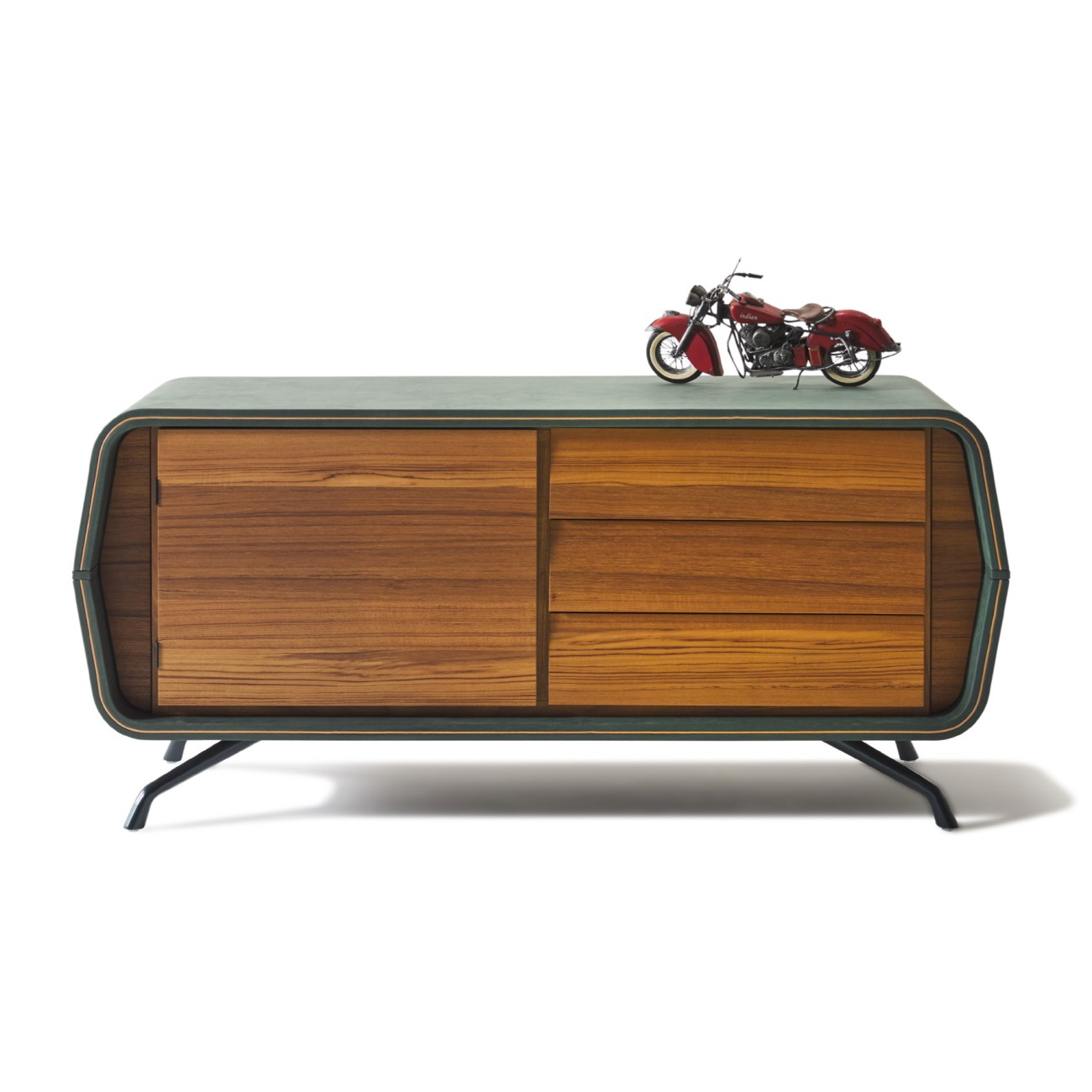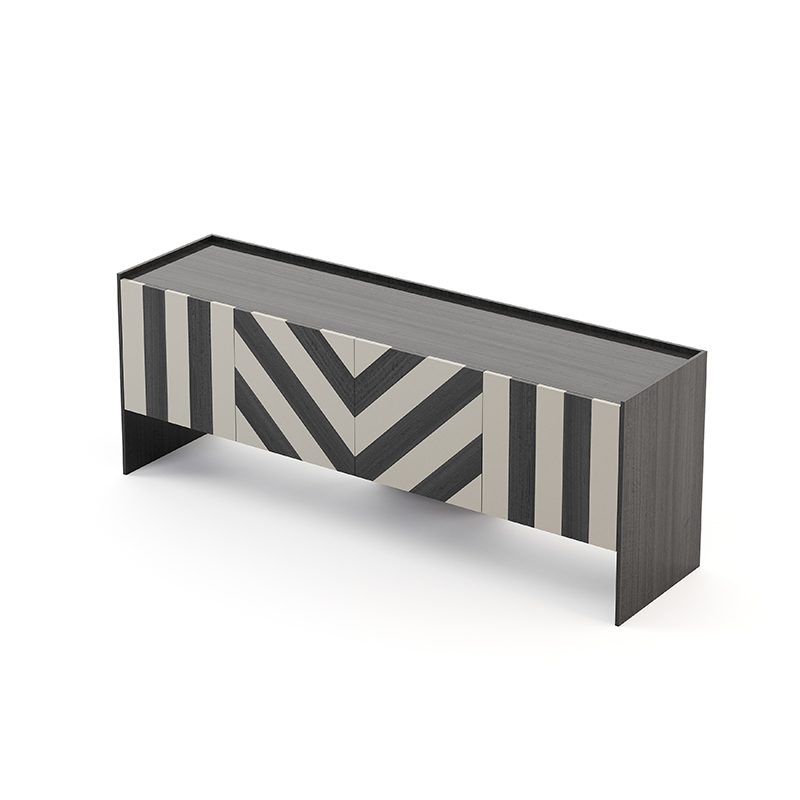
The Amalfi sideboard, a name that whispers of the Italian coast, isn't just a piece of furniture; it's a statement. It's a confluence of artistry and utility, a storage solution that refuses to be boring. We're going to dive deep, exploring what truly makes the Amalfi sideboard special, going far beyond its pretty face. This piece is a celebration of craftsmanship, a nod to timeless design, and a testament to the idea that functionality can, and should, be beautiful. Let's get started and reveal what makes this piece so captivating.
For years, the Amalfi sideboard has been a favorite for those seeking a blend of elegance, storage, and style. But how much do we really know about this iconic piece? This article will act as your comprehensive guide, going beyond the surface to explore the Amalfi sideboard's design features, how to choose the right one for your space, and the practical benefits it offers. We'll also look at the history, materials, and the different styles available. Prepare to see the Amalfi sideboard in a whole new light, understanding it not just as a piece of furniture, but as a carefully created object with a rich past and a bright future.
Unpacking the Amalfi Sideboard's Design DNA
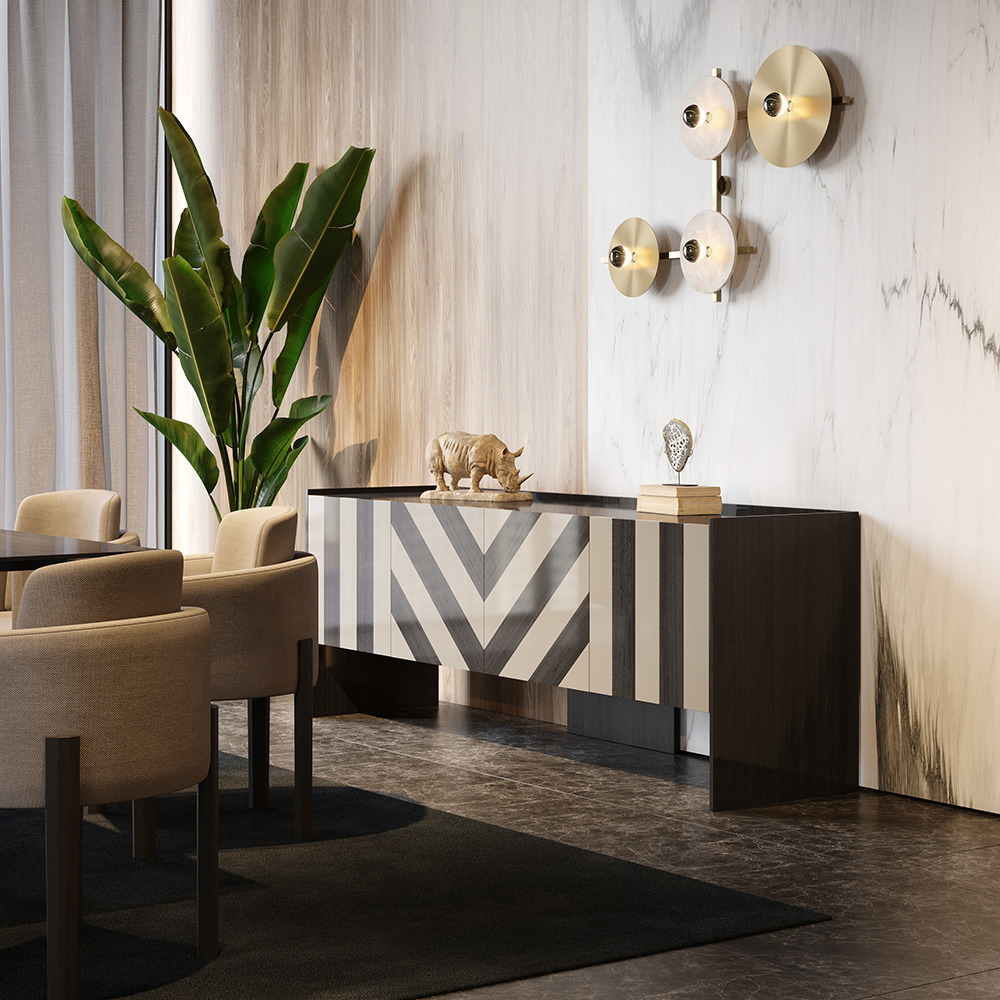
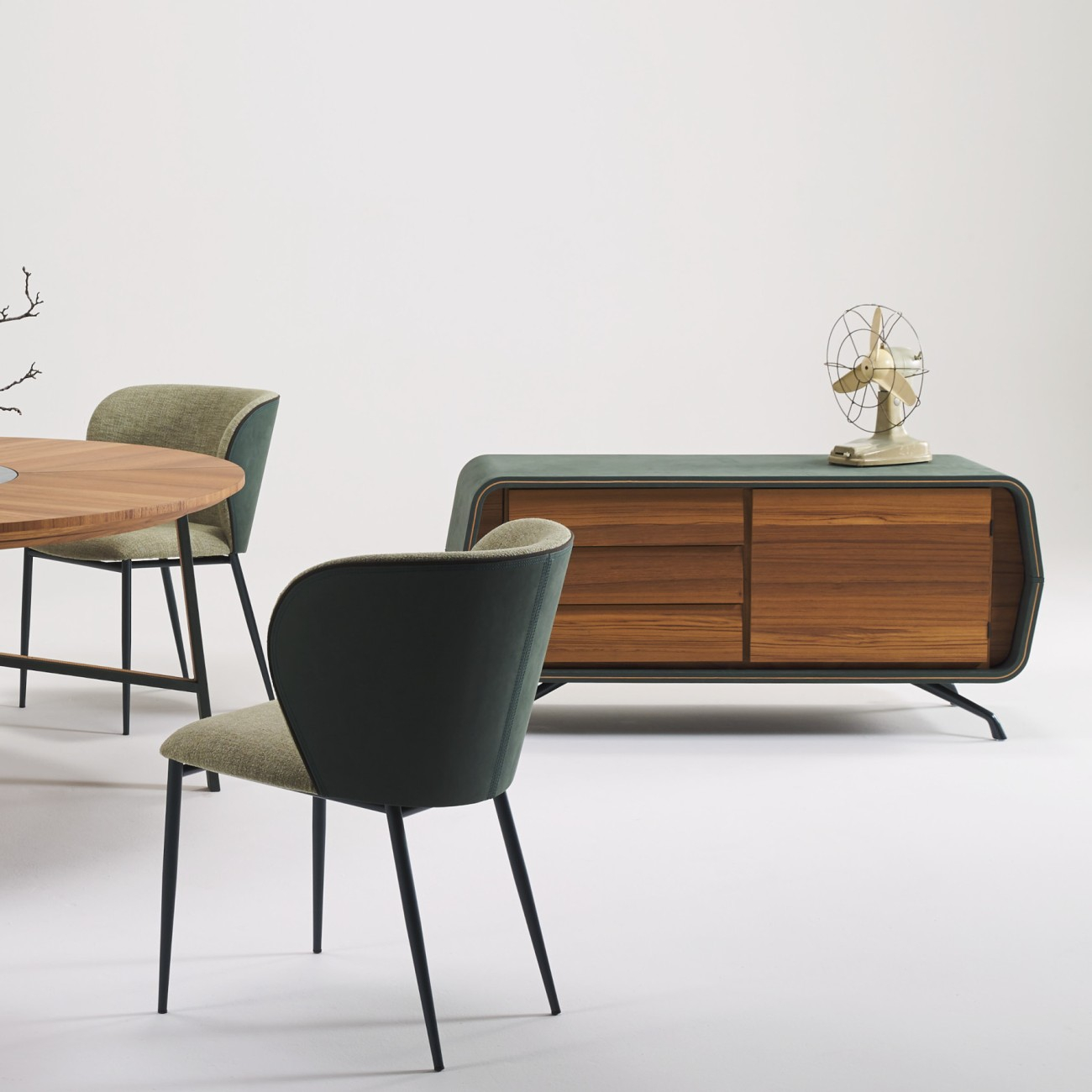
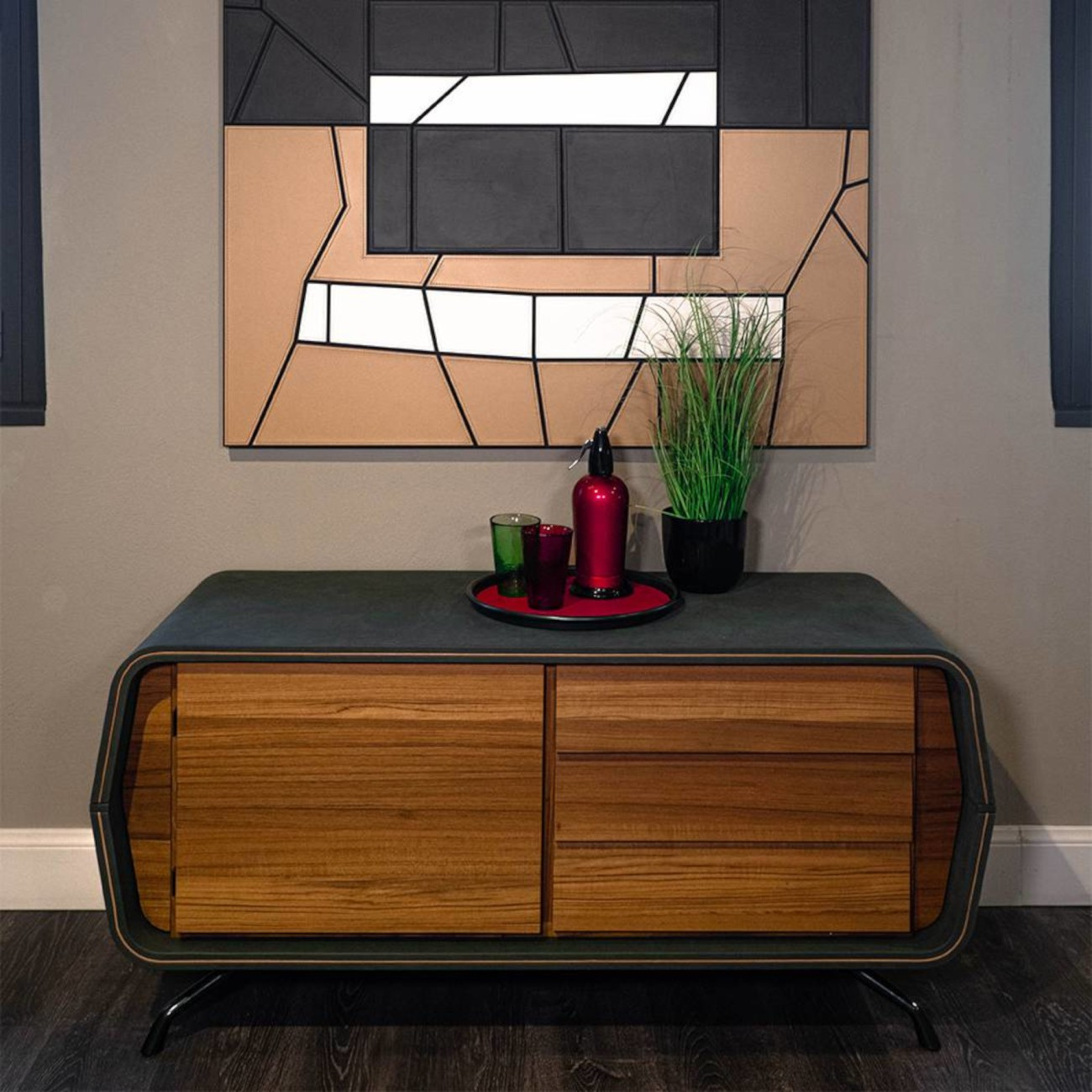
The design of an Amalfi sideboard is a crucial element of its appeal. Typically, these sideboards are characterized by clean lines, sleek silhouettes, and a focus on quality materials. Think solid wood, premium veneers, and often, a lacquer finish that enhances the wood grain.
Here’s a breakdown of some of the key design elements:
- Materials: High-quality wood, such as walnut, oak, or mahogany, are common. Metal accents, like brushed steel or brass, are sometimes incorporated for a touch of contrast.
- Style: Often, you'll find mid-century modern influences, with tapered legs and a minimalist aesthetic. However, the Amalfi sideboard can also be found in more contemporary or even classic styles.
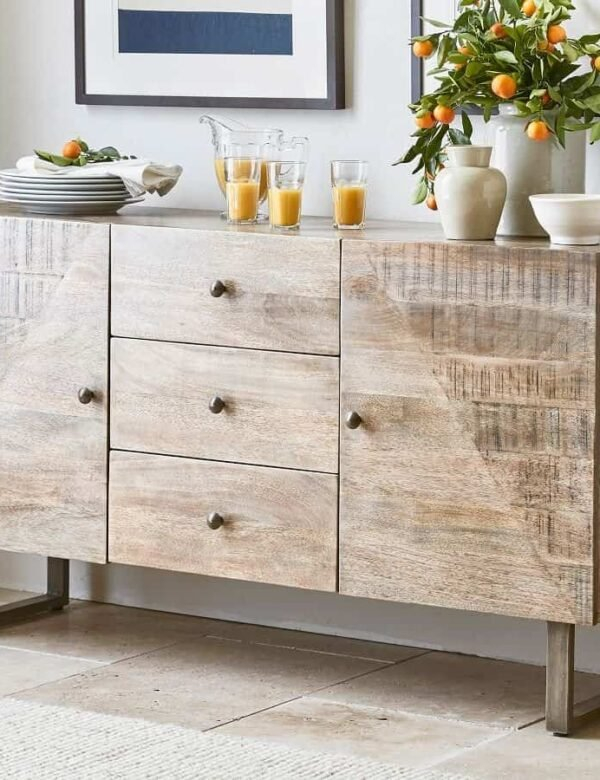
- Storage: These sideboards are created with clever storage in mind. You can expect drawers, cabinets, and sometimes, open shelving to store everything from dining essentials to decorative items.
Consider the overall aesthetic of your home and choose a style that complements your existing decor. For example, if you have a modern space, a sideboard with a sleek, minimalist design would fit perfectly. If your home has a more traditional feeling, consider a sideboard with ornate details or a rich, dark wood finish.
Functionality: More Than Just a Pretty Face
Beyond its aesthetic appeal, the Amalfi sideboard is a workhorse when it comes to function. It's a versatile piece that can serve a multitude of purposes in different areas of your home.
Here are some ways the Amalfi sideboard shines:
- Dining Room: It's the perfect place to store dishes, cutlery, linens, and serving ware. You can even use the top surface to display a buffet of food during gatherings.
- Living Room: Use it as a media console to hold your TV, gaming consoles, and other media devices. The drawers and cabinets provide concealed storage for DVDs, remotes, and other clutter.
- Entryway: Create a welcoming space by placing a sideboard in your entryway. Use it to hold keys, mail, and other essentials. The top surface can be used to display a lamp, a mirror, or some decorative items.
- Home Office: Transform a sideboard into a functional home office by using the drawers and cabinets to store files, office supplies, and other essentials. The top surface can serve as a workspace.
When buying, think about your lifestyle and what you need to store. A sideboard with lots of drawers might be ideal if you need space for small items, while one with cabinets might be better for larger items.
Materials Matter: The Building Blocks of Quality
The materials used in an Amalfi sideboard are a key indicator of its quality, longevity, and, of course, its appearance. The best sideboards are made from high-quality, durable materials that can withstand the test of time.
Here's a closer look at common materials:
- Solid Wood: This is the premium choice, offering durability, beauty, and the potential for refinishing. Woods like oak, walnut, and maple are popular choices.
- Wood Veneer: A thin layer of real wood applied over a less expensive core material (like MDF or plywood). It can create the look of solid wood at a lower price point. Veneer can be just as beautiful, but be sure the base material is good quality.
- Metal Accents: Often used for legs, handles, or decorative details, metal accents add a touch of modern sophistication. Look for materials like brushed steel or brass.
- Hardware: The quality of the hardware (hinges, drawer pulls, etc.) is often overlooked but is critical for the sideboard's functionality and longevity. Ensure the hardware is made from durable materials and is well-constructed.
When choosing a sideboard, carefully consider the materials and how they will affect the piece's look and lifespan. Think about the amount of wear and tear it will endure and choose materials that can withstand that use.
Sizing It Up: Finding the Perfect Fit
Getting the size right is crucial. An Amalfi sideboard that's too big will overwhelm the room, while one that's too small will look out of place and won't provide enough storage.
Here’s how to figure out the perfect size:
- Measure Your Space: Before you start shopping, measure the area where you plan to put the sideboard. Pay attention to the length, width, and height of the space. Remember to account for any doors, windows, or other furniture that might be in the way.
- Consider the Room's Function: Think about how you'll use the sideboard and the items you need to store. This will help you determine the appropriate size and storage capacity.
- Leave Room to Breathe: Don't cram the sideboard into a tight space. Leave some space around it to give the room a more open and airy feeling.
- Proportion is Key: Make sure the sideboard is proportional to the rest of the furniture in the room. A large room can handle a larger sideboard, while a smaller room will need a smaller one.
Don't be afraid to use painter's tape on the floor to mark out the footprint of the sideboard. This can help you visualize how it will fit in the space.
Styles and Designs: Exploring the Variety
The Amalfi sideboard comes in a variety of styles to suit different tastes and home décor schemes. From classic to contemporary, there's an Amalfi sideboard for everyone.
Here are some of the most popular styles:
- Mid-Century Modern: Characterized by clean lines, tapered legs, and a focus on functionality. These sideboards often feature wood finishes and simple hardware.
- Contemporary: These sideboards often feature sleek designs, bold colors, and innovative materials. They can be minimalist or more ornate, depending on the specific design.
- Traditional: These sideboards usually feature ornate details, such as carved accents, and rich wood finishes. They can add a touch of elegance and sophistication to any room.
- Rustic: These sideboards often feature distressed finishes, natural wood tones, and a casual, inviting aesthetic. They can add warmth and character to any space.
When choosing a style, consider the overall aesthetic of your home and the other furniture in the room. You want the sideboard to complement your existing décor, not clash with it. Don't be afraid to mix and match styles to create a unique and personalized look.
Caring for Your Amalfi Sideboard: Tips for Longevity
With the right care, your Amalfi sideboard can last for many years, becoming a treasured piece of your home. Regular cleaning and maintenance will keep it looking its best.
Here are some tips for caring for your sideboard:
- Dust Regularly: Dust your sideboard frequently with a soft cloth to prevent dust and dirt from accumulating. Avoid using abrasive cleaners or cloths that could scratch the finish.
- Clean Spills Immediately: If you spill anything on the sideboard, clean it up immediately with a damp cloth. Don't let spills sit for too long, as they could damage the finish.
- Use Coasters and Placemats: Protect the surface of the sideboard from scratches and water rings by using coasters and placemats.
- Avoid Direct Sunlight: Prolonged exposure to direct sunlight can fade the finish of your sideboard. Position it away from direct sunlight or use window coverings.
- Protect from Extreme Temperatures and Humidity: Avoid placing your sideboard near heat sources or in areas with high humidity, as these conditions can damage the wood.
By following these simple tips, you can keep your Amalfi sideboard looking beautiful for years to come. Rememember that proper care will protect your investment and keep your furniture looking its best.
The Amalfi sideboard is more than just a piece of furniture; it’s a statement of style, function, and enduring design. From its stunning aesthetics to its practical storage solutions, it offers a versatile and elegant addition to any home. By understanding the design elements, materials, and various styles available, you can confidently choose an Amalfi sideboard that perfectly complements your space and meets your needs. With proper care, your Amalfi sideboard will not only serve you well for years to come but will also add a touch of timeless elegance to your home's decor. So, embrace the allure of the Amalfi sideboard – a true testament to the beauty of form and function. And don't forget to clean up spills quickly and avoid extreme temperatures, and your sideboard will last for years to come.