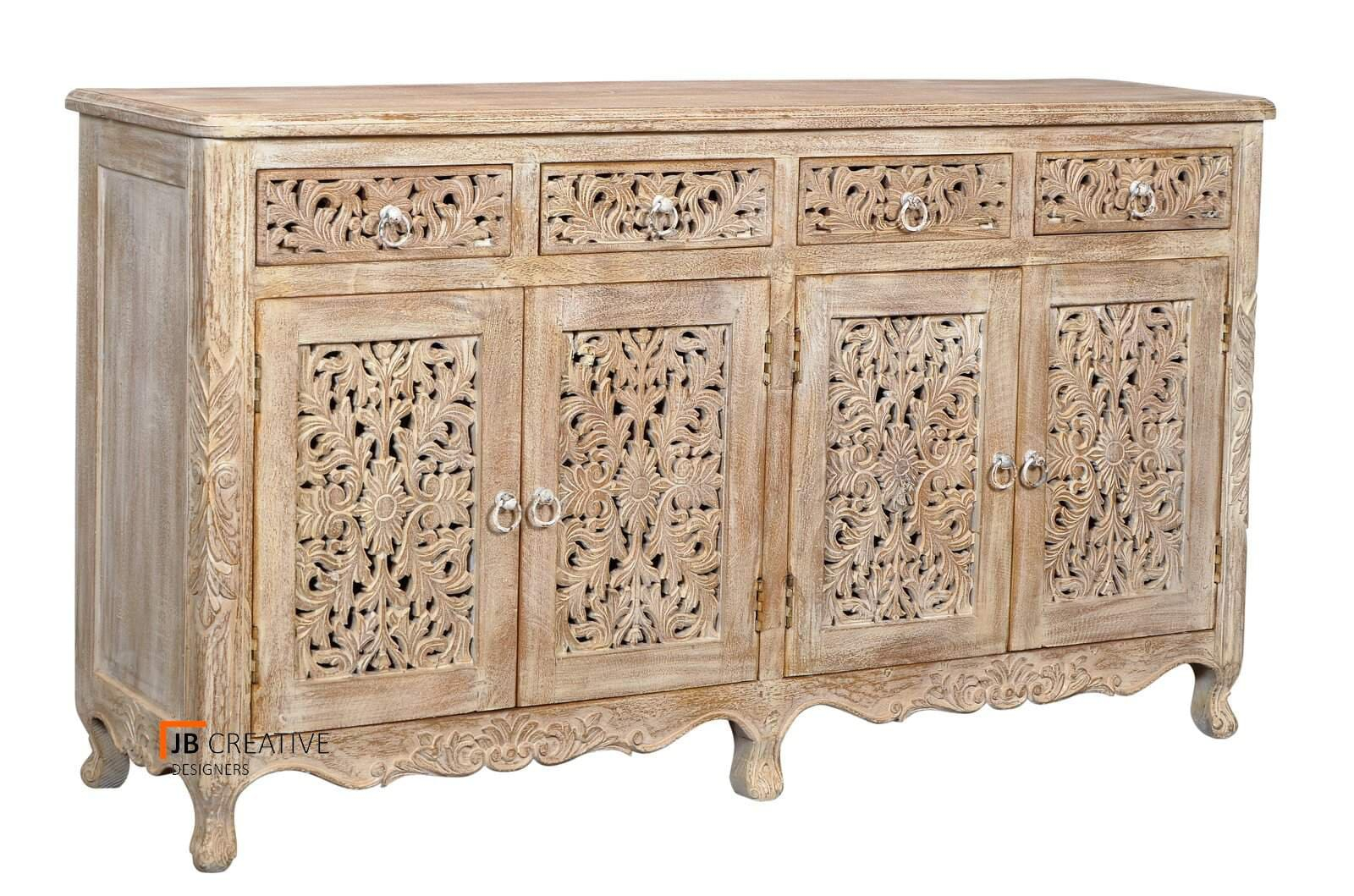
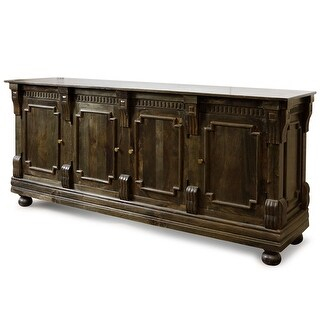
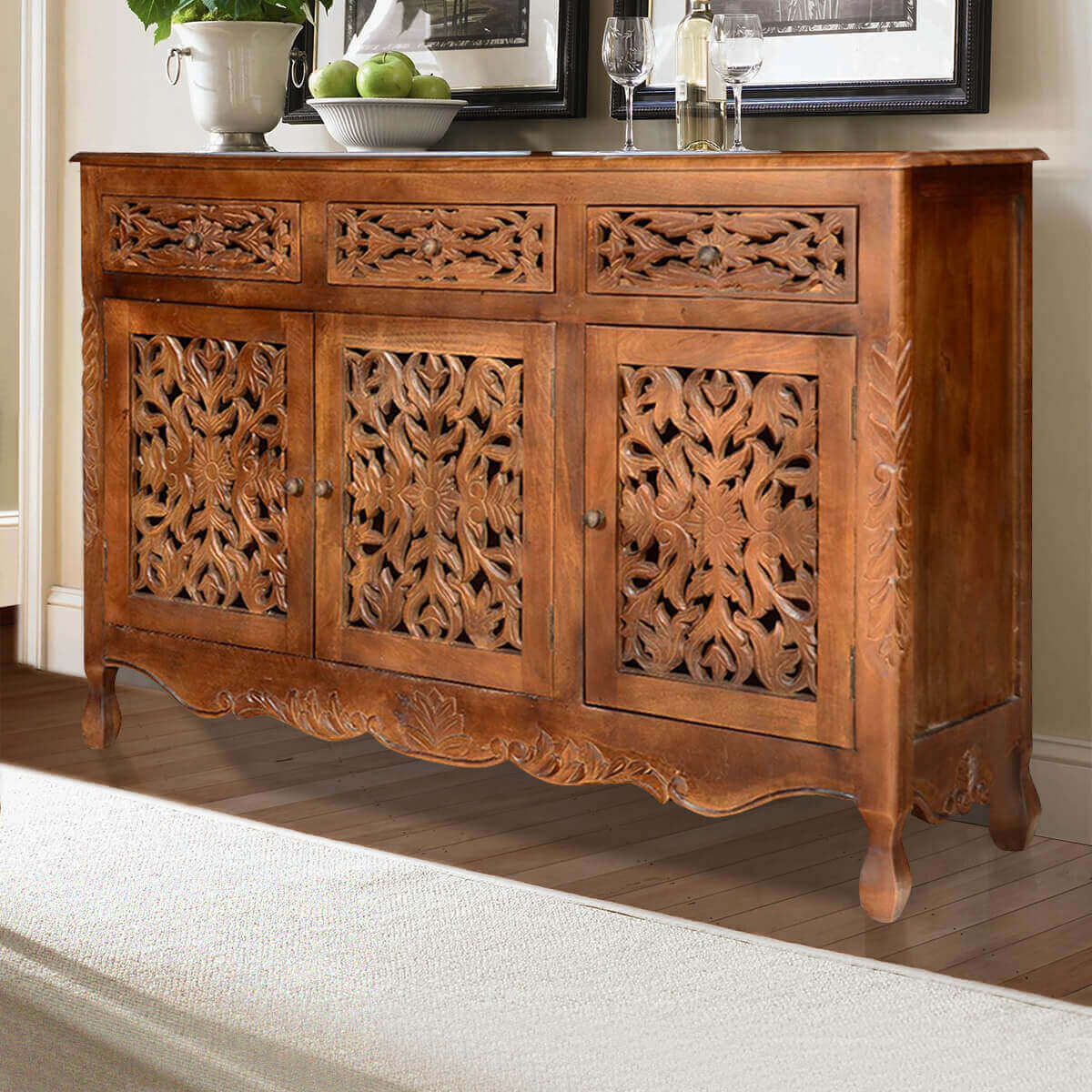
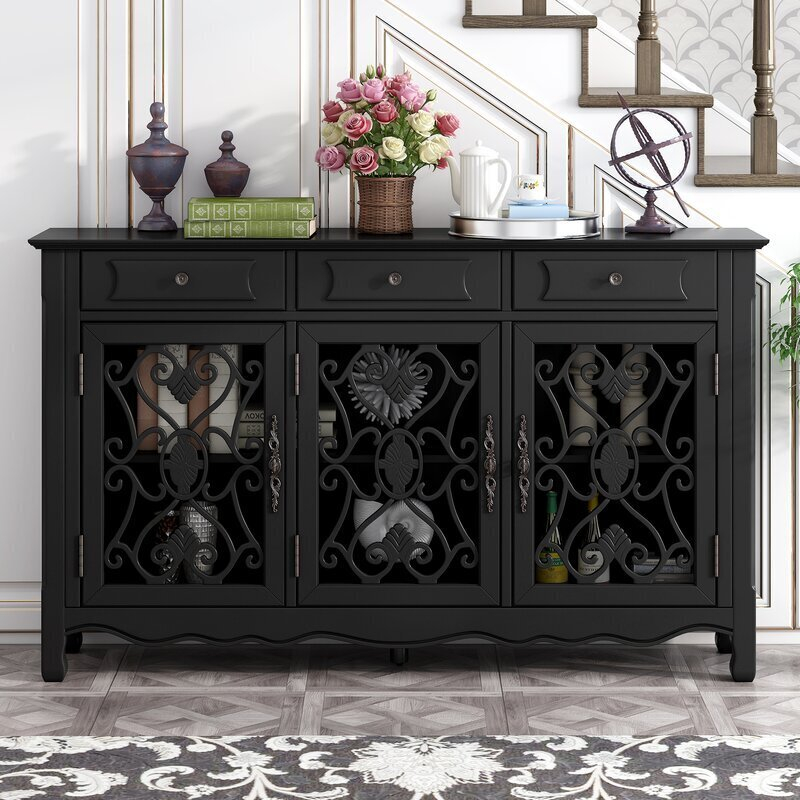
Hand-carved wooden furniture is more than just objects; they are pieces of art, imbued with the spirit of the craftsperson and the warmth of natural materials. From the simplest stool to the most elaborate sideboard, these creations tell a story of dedication, skill, and a deep appreciation for the beauty of wood. It’s time to delve into the world of hand-carved wooden furniture, exploring its history, techniques, and the lasting impact it has on our lives and homes. This is about appreciating the artistry, understanding the processes, and perhaps, finding the perfect piece to bring into your own space.
Imagine running your fingers along the smooth, curved surface of a table, the subtle variations in the grain telling a silent tale of the tree's journey. Consider the intricate details of a carved chair back, each curve and flourish painstakingly brought to life by a skilled hand. This is the essence of hand-carved wooden furniture – a marriage of artistry, skill, and the inherent beauty of wood. In a world of mass production, these pieces stand apart, each one a unique testament to the enduring power of human creativity. Let's embark on a journey to understand this fascinating craft.
The History and Evolution of Hand-Carving
Hand-carving has a history that stretches back millennia. Early civilizations, from the Egyptians to the Greeks, used carving to embellish everything from furniture and architectural elements to religious artifacts. The techniques evolved over time, influenced by cultural shifts, available tools, and the types of wood used.
In the Middle Ages, hand-carving became a prominent feature of church interiors and the homes of the wealthy. The Renaissance saw a flourishing of intricate designs, and the Baroque period embraced opulence and grand scale. Each era left its mark, adding new styles and motifs to the hand-carving lexicon.
Today, this tradition continues, with artisans around the globe keeping the craft alive. They're often blending historical techniques with modern design sensibilities, creating furniture that is both timeless and contemporary. It's a living heritage, constantly evolving and adapting, but always rooted in the core values of craftsmanship and artistic expression.
Essential Hand-Carving Techniques: A Closer Look
Several key techniques form the backbone of hand-carving. Understanding these helps you appreciate the skill involved:
- Relief Carving: This involves carving a design that projects from a flat surface. There are different levels of relief, from low relief (where the design barely emerges) to high relief (where the design is almost fully three-dimensional).
- Chip Carving: This technique uses a knife to remove small chips of wood, creating geometric patterns and designs. It’s often used for decorative borders and intricate details.
- Inlay and Marquetry: These methods involve inserting small pieces of different woods or materials into a surface to create patterns or images. Marquetry is more complex, using thin veneers to create elaborate designs.
- Piercing: This involves cutting away sections of the wood to create openwork designs, often used in chair backs, screens, and decorative panels. This is a pretty difficult technique.
Each technique demands precision, patience, and a deep understanding of the wood's properties. Carvers must consider the grain, the hardness, and the potential for splitting or cracking as they work.
Wood Selection: Choosing the Right Material
The choice of wood is crucial in hand-carving. Different woods offer distinct characteristics that affect the final result:
- Hardwoods: These are generally denser and more durable, making them ideal for furniture that will withstand daily use. Examples include oak, walnut, cherry, and maple. Oak is very popular for its strength and beautiful grain. Walnut is favored for its rich color and workability. Cherry is known for its warm tones and smooth texture. Maple is a light-colored wood, often used for delicate carvings.
- Softwoods: These are less dense and easier to carve, suitable for beginners or for pieces where delicate details are required. Examples include pine and fir. Pine is an affordable option, and fir is often used in architectural details.
Carvers also consider the wood's grain direction, which influences how the wood will respond to the carving tools. It's a delicate balance between aesthetics, durability, and the ease of carving. The wood itself is as important as the skills of the artisan.
Styles and Designs: From Traditional to Contemporary
Hand-carved wooden furniture exists in a vast array of styles. These styles reflect different historical periods, cultural influences, and design philosophies.
- Traditional Styles: These often draw inspiration from historical periods like the Renaissance, Baroque, and Victorian eras. Think of ornate carvings, elaborate details, and a sense of grandeur. These pieces often feature motifs like scrolls, acanthus leaves, and floral patterns.
- Rustic Styles: Rustic furniture emphasizes natural forms and textures. It often uses rough-hewn wood and simple, unadorned designs. This style celebrates the inherent beauty of the wood and its imperfections.
- Modern & Contemporary Styles: These styles often feature clean lines, minimalist designs, and a focus on functionality. Carvings may be more abstract or geometric, or they may be used to add subtle texture and visual interest. The goal is to create pieces that are both beautiful and practical.
The possibilities are endless, and many furniture makers blend different styles to create unique and personalized pieces. This fusion is what makes hand-carved furniture so captivating.
Caring for Your Hand-Carved Treasures: Preservation Tips
To ensure your hand-carved furniture lasts for generations, proper care is essential:
- Dusting Regularly: Use a soft cloth or a feather duster to remove dust and debris. Avoid abrasive cleaners that could damage the finish.
- Protecting from Sunlight: Direct sunlight can fade and damage the wood. Position your furniture away from direct sunlight or use curtains or blinds to filter the light.
- Controlling Humidity: Extreme changes in humidity can cause the wood to expand and contract, leading to cracks or warping. Maintain a stable humidity level in your home.
- Cleaning Spills Promptly: Wipe up spills immediately to prevent staining. Use a mild soap and water solution for cleaning, and always dry the surface thoroughly.
- Polishing: Periodically polish your furniture with a suitable wood polish to protect the finish and enhance its beauty. Always test the polish in an inconspicuous area first.
With proper care, your hand-carved furniture will remain a cherished part of your home for many years to come. This is an investment in beauty and heritage.
Finding and Appreciating Hand-Carved Furniture Today
Hand-carved wooden furniture is still readily available, though it may take a little searching to find the perfect pieces. Here's how to find them:
- Local Craft Fairs and Artisan Markets: These are excellent places to meet local artisans and see their work firsthand. You can often commission custom pieces.
- Specialty Furniture Stores: Look for stores that specialize in handcrafted or antique furniture. They often have knowledgeable staff who can provide information about the pieces.
- Online Marketplaces: Websites like Etsy and specialized furniture sites offer a wide range of hand-carved pieces. Be sure to check the seller's reviews and ask questions about the craftsmanship.
- Antique Shops and Auctions: These can be treasure troves for finding vintage hand-carved furniture. Research the pieces and their history before you buy.
When considering a piece, pay attention to the quality of the carving, the type of wood, and the overall design. Does it speak to you? Does it fit your style? The most important thing is to choose pieces that you love and that you will enjoy for many years to come. Remember, you're not just buying furniture; you're investing in a piece of art and a piece of history. and that is awesome.
Hand-carved wooden furniture represents a beautiful fusion of art, skill, and natural materials. From its rich history to the intricate techniques employed by artisans, these pieces offer a unique blend of functionality and aesthetic appeal. By understanding the craft, appreciating the materials, and caring for these treasures, you can bring a touch of timeless elegance into your home. The legacy of hand-carved furniture is one of enduring beauty and the celebration of human creativity, a legacy we can all cherish and pass on. The beauty is in the details.