When you think about insulating your home, spray foam might come to mind as a premium option. But what does it actually cost? We break down the numbers that matter most to homeowners, contractors, and anyone curious about how much they'll pay for this popular insulation solution.
Spray foam insulation has been a game-changer in home energy efficiency. It's the kind of product that makes people think twice about their budget when they hear about it. But what's the actual price tag? Let's get real about how much spray foam insulation costs in 2024, because the numbers can vary wildly depending on several factors. From attic spaces to wall cavities, the cost differences are significant. You'll find out exactly how much to expect when you're ready to make this investment in your home's comfort and energy bills.
Understanding Spray Foam Types and Their Costs
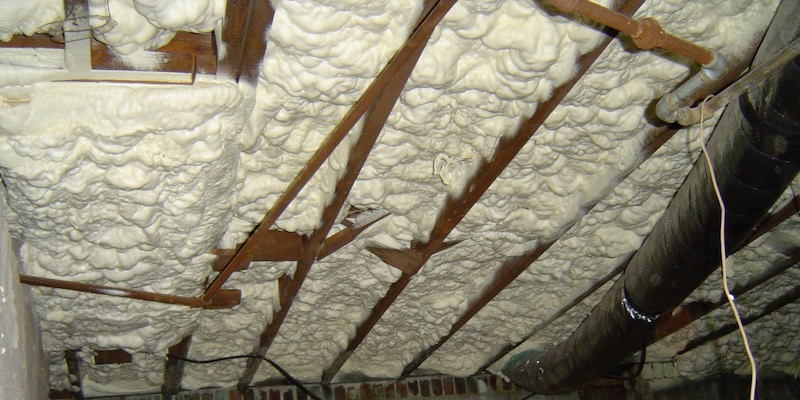
There are two main types of spray foam insulation, each with different price tags. Open cell spray foam is typically less expensive, ranging from $1.50 to $3 per square foot. This type is lighter and more breathable, making it ideal for interior walls and ceilings. Closed cell spray foam runs between $3 and $5 per square foot. It's denser, stronger, and offers better air sealing properties. The higher price reflects its superior performance. Think of it like choosing between a basic car and a luxury vehicle – both get you there, but one comes with more features and costs more. The decision often comes down to what you're trying to accomplish with your insulation project.
Factors That Influence Total Installation Costs
Several variables affect how much you'll pay for spray foam installation. The size of the area matters enormously. A small attic space might cost a few thousand dollars, while a whole house could easily reach $10,000 or more. Location plays a big role too. Labor costs vary significantly by region, with some areas charging 50% more than others. Accessibility of the space also affects pricing. Hard-to-reach areas like tight crawl spaces or complex roof designs increase labor time and therefore cost. The condition of existing insulation and whether removal is necessary will impact total expenses. Sometimes, old insulation needs to be removed before new spray foam can be applied, adding extra charges. These factors combine to make each project unique in cost structure.
Average Cost Ranges Across Different Home Areas
Let's look at typical costs across common home applications. Attic insulation averages $1,500 to $4,000 for a standard home. Wall cavity work usually falls between $2,000 and $6,000. Basement insulation projects range from $3,000 to $8,000. These figures represent typical ranges but can vary based on the specific characteristics mentioned above. For example, a large home with extensive wall cavities will cost more than a smaller house with minimal walls needing treatment. Some homeowners report paying as little as $1,000 for attic work, while others have seen costs exceed $15,000 for full home coverage. The key is understanding what's included in those quotes and what might add extra charges later.
Labor vs. Material Costs Breakdown
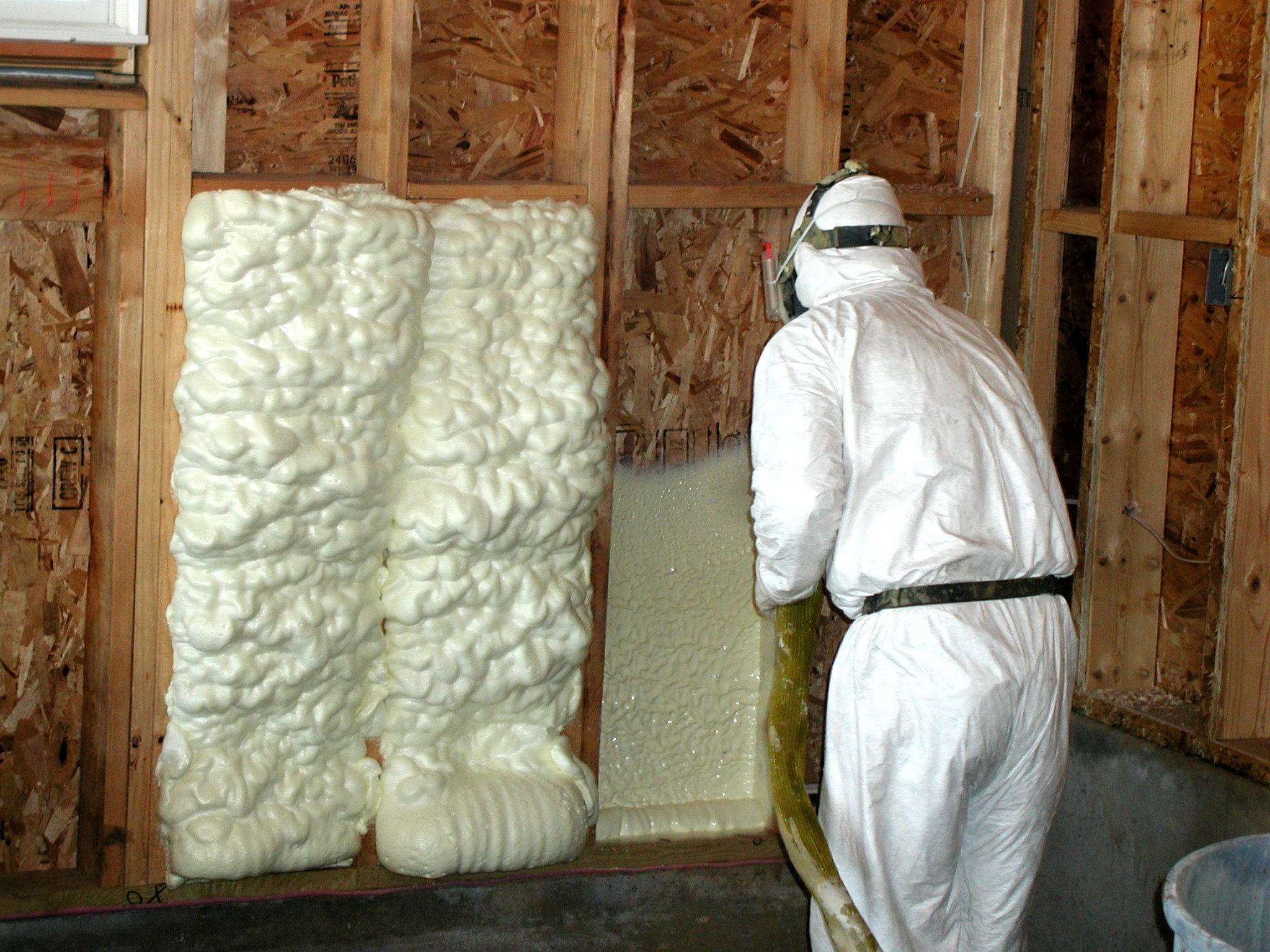
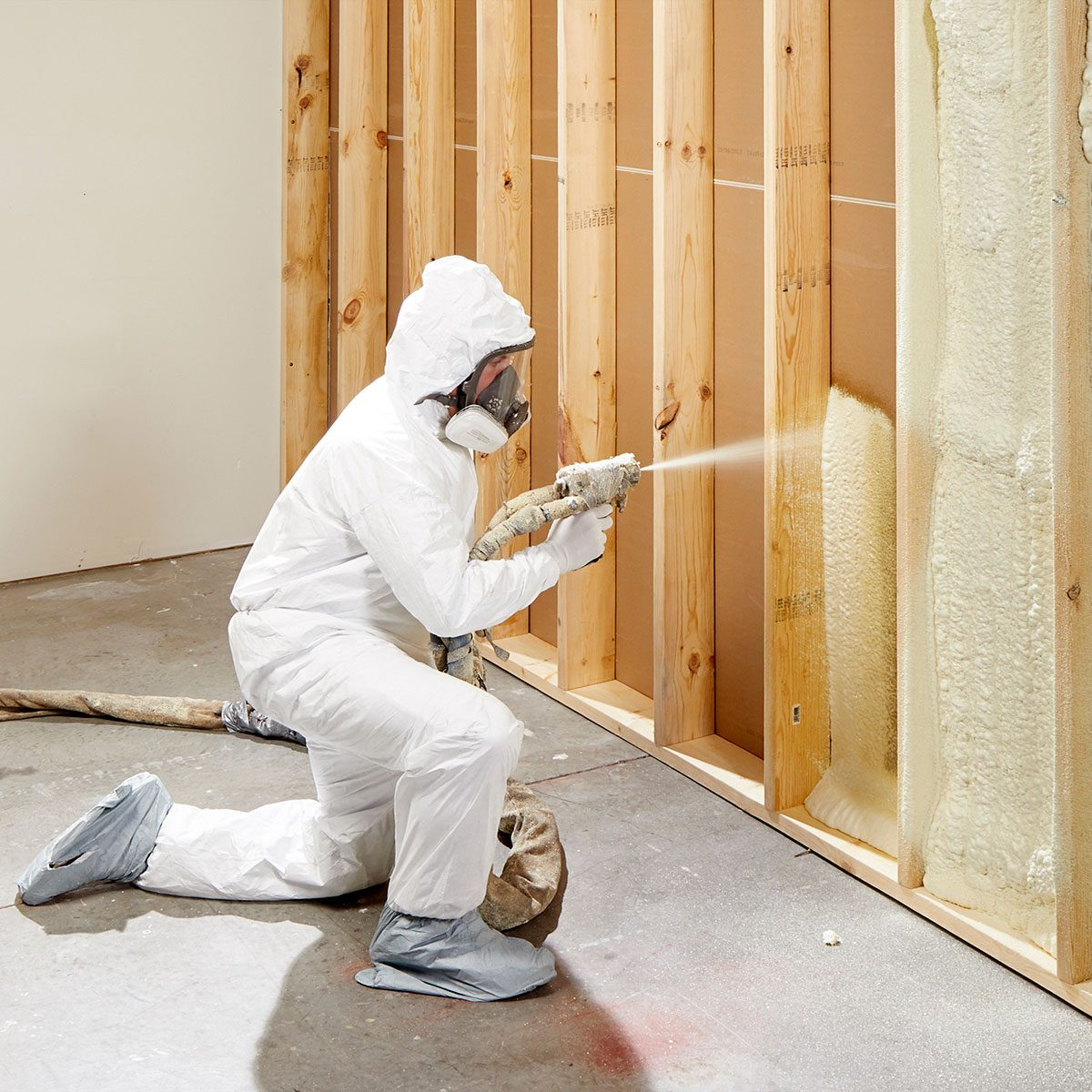
When you look at the total cost, labor usually accounts for 60-70% of the final price. Material costs themselves typically make up 30-40% of the total. This breakdown can surprise people because they focus on the material price rather than the work involved. Professional installation requires specialized equipment and training. Technicians must wear protective gear, ensure proper ventilation, and follow safety protocols. They also need to handle the materials carefully to avoid waste. For instance, a contractor might charge $40 per hour for labor, and a typical project might take 50 hours to complete. That alone adds up quickly to hundreds of dollars in labor fees. Understanding this helps buyers negotiate better deals and avoid surprises.
Comparing Spray Foam to Other Insulation Options
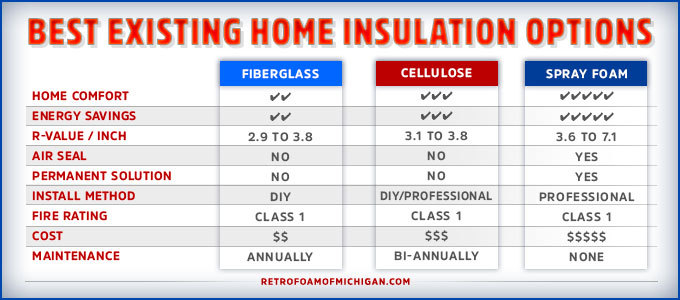
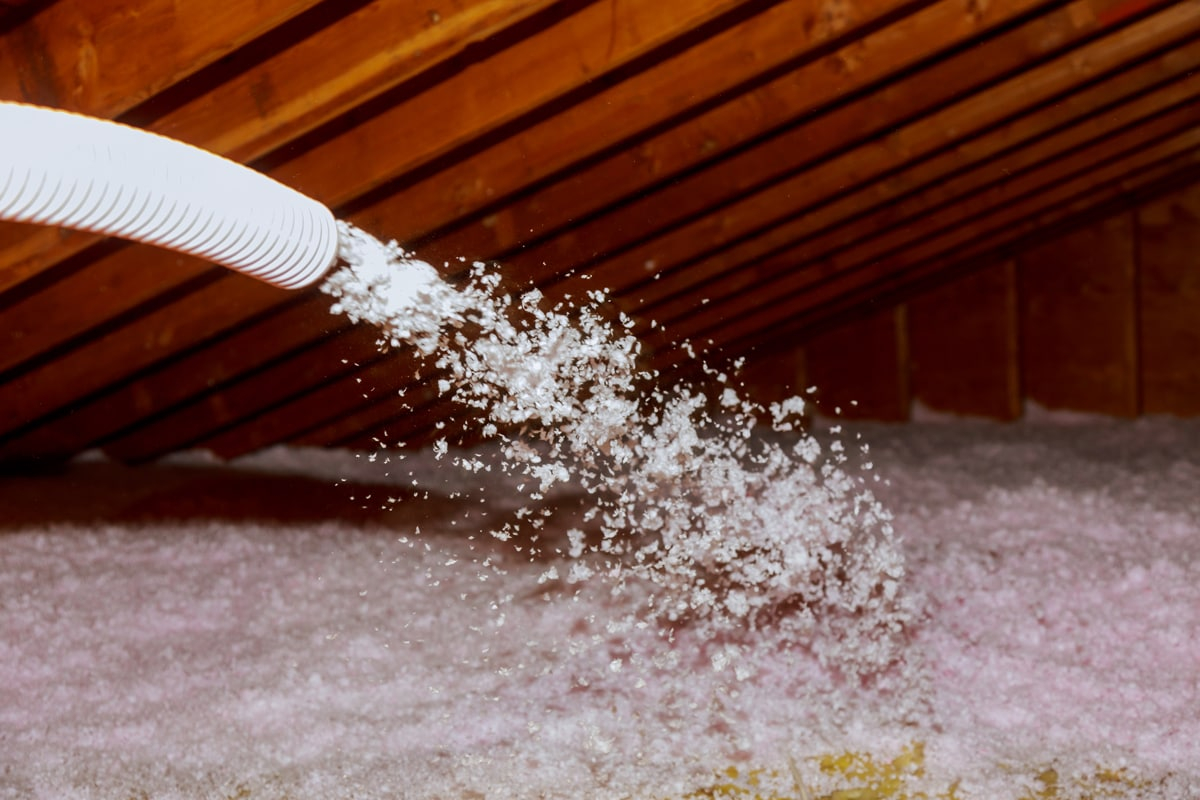
Spray foam sits in a premium category compared to traditional insulation materials. Fiberglass batts cost around $0.50 to $1 per square foot, while blown-in cellulose runs $0.75 to $1.50 per square foot. These options are much cheaper upfront but offer lower performance ratings. The long-term savings from spray foam can offset the initial investment. For example, if your home uses $200 monthly in heating and cooling costs, reducing that by 30% through better insulation could save you $60 per month. Over ten years, that's $7,200 in savings. Many homeowners find the investment pays for itself within five to seven years. The question becomes whether the upfront cost is worth the energy efficiency benefits.
Money-Saving Tips and Strategies
There are ways to reduce the cost without sacrificing quality. First, shop around and get multiple quotes from licensed contractors. Compare not just prices but also what's included in each estimate. Some quotes may exclude certain areas or require additional preparation work. Timing can also help – contractors sometimes offer seasonal discounts or promotions. During off-peak months, they might be more willing to negotiate prices. Another approach is to do some preparatory work yourself, such as removing old insulation or clearing access points. This can reduce labor costs by hundreds of dollars. Finally, consider focusing on high-impact areas first, like attics or basements, rather than doing every surface at once. This allows you to spread the expense over time while still getting significant benefits.
Spray foam insulation costs vary widely in 2024, but the investment often pays dividends through reduced energy bills and improved comfort. Understanding the different types, factors affecting pricing, and money-saving strategies helps homeowners make informed decisions. While the initial expense seems high, many find that the long-term benefits justify the cost. The key is knowing what to expect, comparing options carefully, and working with reputable professionals who provide transparent pricing. Whether you're considering attic, wall, or basement insulation, these insights help demystify the process and give you realistic expectations for your project budget.