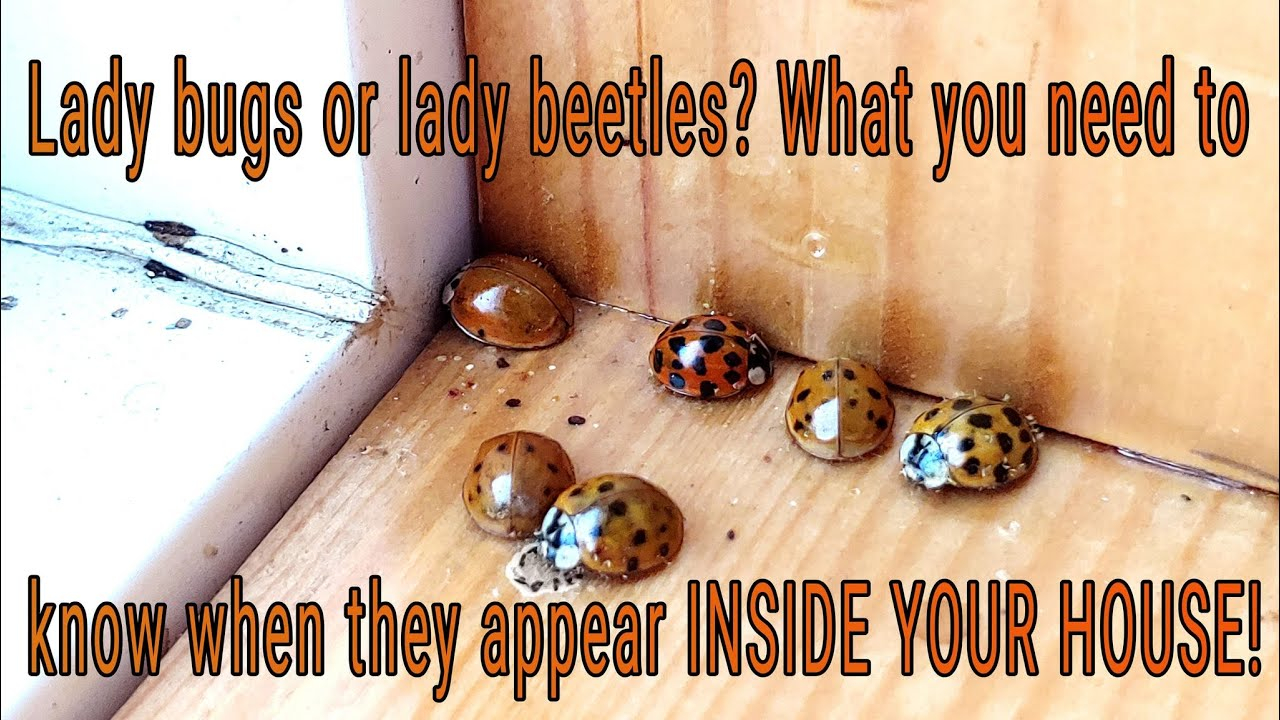
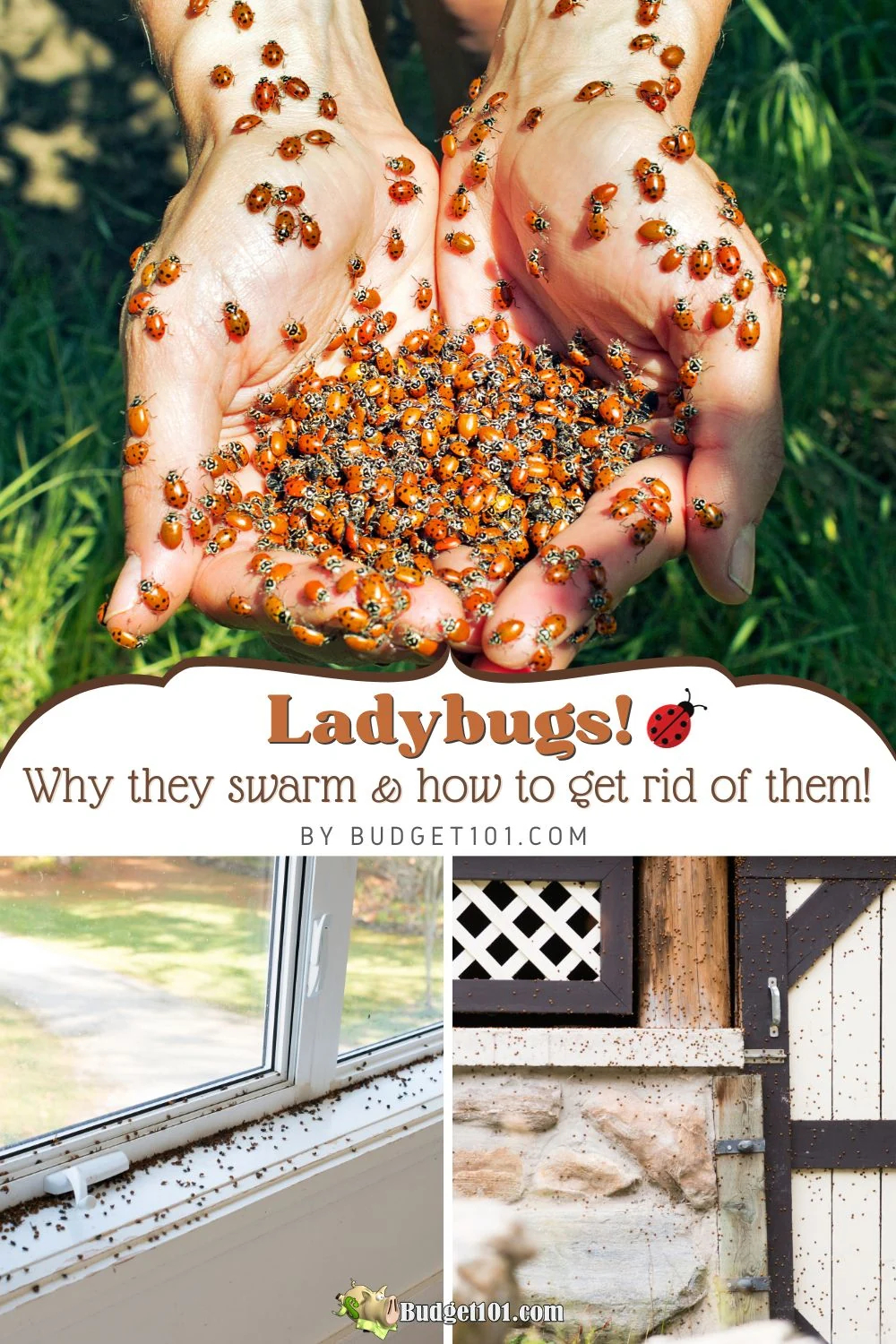
Picture this: You're settling in for a quiet evening when suddenly, your living room becomes a bustling insect metropolis. Ladybugs are everywhere - crawling on walls, landing on furniture, and generally taking over your space. But why? It's not just random chance. There's actually a fascinating story behind these tiny invaders that's much more complex than simple curiosity.
Ladybugs might seem like harmless little creatures, but when they start showing up in large numbers inside our homes, things get interesting. These colorful beetles aren't just accidentally wandering in - there's usually a logical reason behind their presence. Whether you've spotted a few or dozens of these winged friends, understanding what drives them to seek shelter indoors can help you handle the situation better. Think of it like being a detective trying to solve why these tiny guests keep showing up at your door. The truth is often more intriguing than we first imagine.
Seasonal Shifts and Ladybug Behavior
Ladybugs don't just appear out of nowhere during winter months. Their indoor gatherings are part of a well-established seasonal pattern. As temperatures drop and food sources become scarce outdoors, these beetles begin searching for safe places to survive the colder weather. This isn't some random act of desperation - it's actually a survival strategy that has been perfected over millions of years.
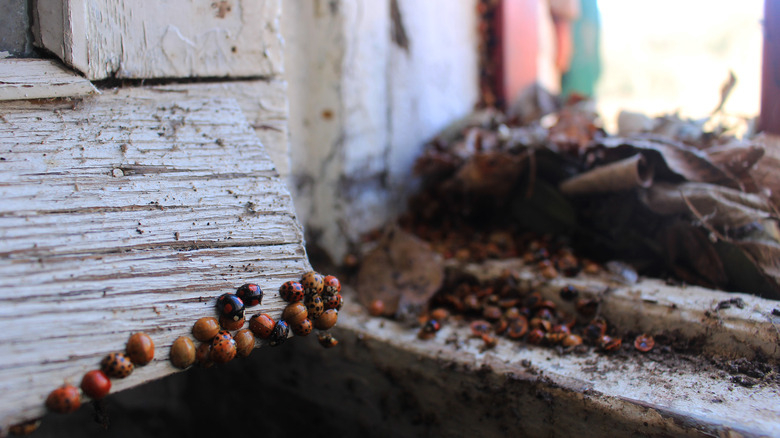
The timing varies by region and species, but typically happens between late fall and early spring. During this period, ladybugs will look for cracks in walls, gaps under doors, or any small openings that provide access to your home's interior. They're not interested in your belongings or causing damage - they simply want a warm place to rest until spring arrives. It's almost like they're planning ahead for the next season, and your house just happened to be in the right location.
What Attracts Them to Your Home
There are several factors that make certain homes more appealing to ladybugs than others:
• Warmth: Ladybugs are cold-blooded creatures, so they're naturally drawn to heat sources. Your home provides exactly that during colder months. • Shelter: Cracks in siding, gaps around windows and doors, or even small holes in walls offer perfect hiding spots. • Food availability: While ladybugs prefer aphids and other soft-bodied insects outdoors, they'll eat whatever they can find indoors if necessary. • Light sources: Many ladybugs are attracted to light, especially during dusk hours when they're most active.
It's important to note that ladybugs aren't actually looking for your house specifically. They're responding to environmental cues that tell them shelter is available. Some homes are just better at providing these conditions than others.
The Science Behind Their Gathering
What seems like chaos is actually quite organized behavior. Ladybugs communicate through chemical signals called pheromones, which help them locate suitable spots for hibernation. When one ladybug finds a good spot, it releases these chemicals that attract others. This creates a chain reaction where more and more bugs gather in the same area.
This phenomenon isn't limited to ladybugs alone - many insects use similar methods. However, ladybugs have developed particularly effective ways to coordinate their movements. The result is that what appears to be a single bug problem can quickly turn into a major gathering. It's like having a group of friends all heading to the same restaurant because one person told everyone else about it.
Common Misconceptions About Ladybugs
People often think ladybugs are always beneficial insects, but the reality is more nuanced. While they do eat aphids and other garden pests, they're not necessarily good for indoor environments. Here are some common misunderstandings:
• They're completely harmless: While ladybugs don't bite or transmit diseases, they can leave behind stains from their defensive secretions. • They're always beneficial: In gardens, yes, but indoors they're just another pest. • They'll leave on their own: They may, but they could also stay for weeks or months. • They're attracted to dirty homes: Actually, they're attracted to warmth and shelter regardless of cleanliness.
These misconceptions can lead to poor management decisions. Understanding that ladybugs are neither pests nor helpful garden helpers when indoors helps us respond appropriately to their presence.
Prevention Strategies That Actually Work
Preventing ladybug invasions starts with understanding what they need to survive. Here are some effective approaches:
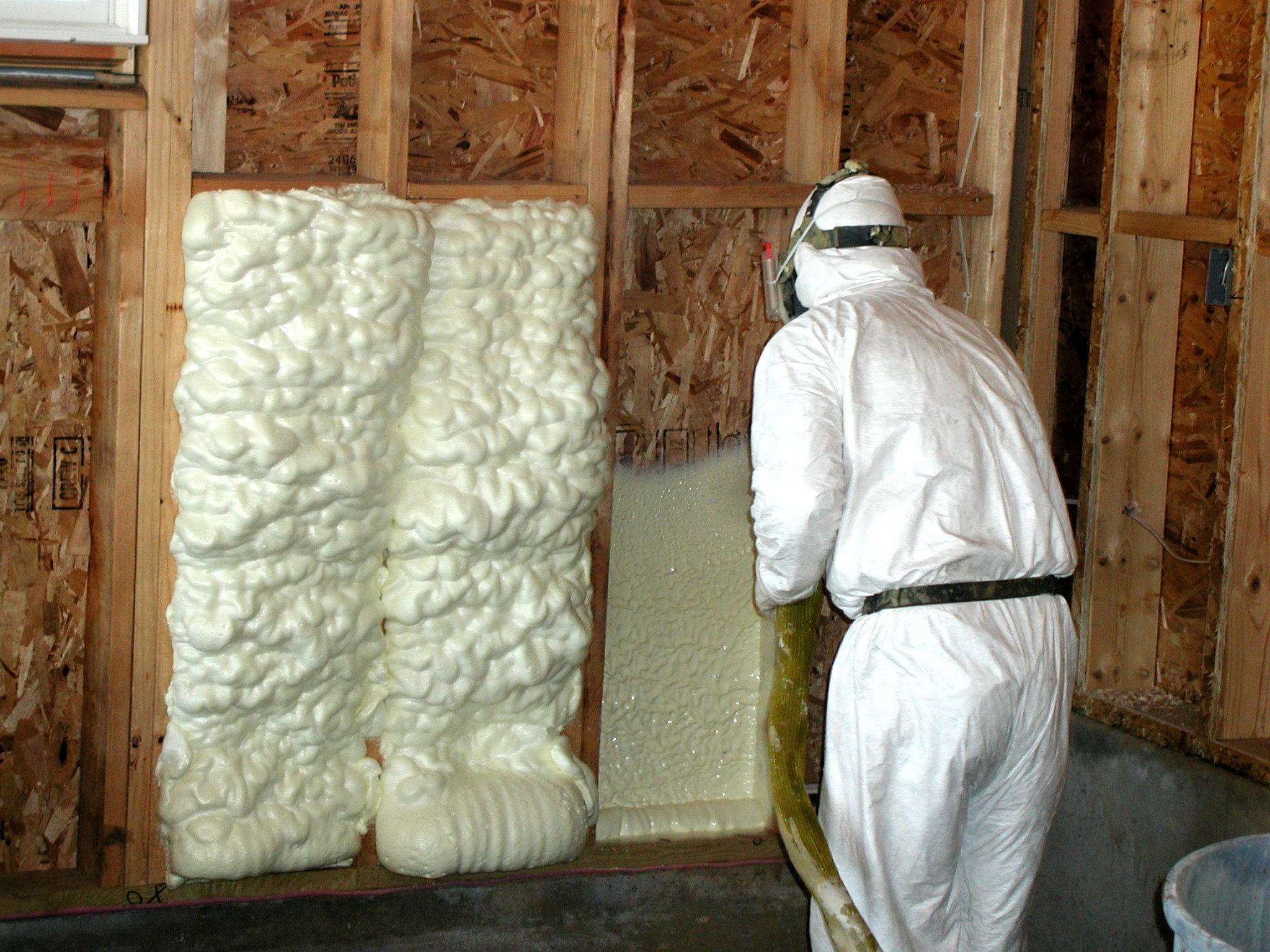
• Seal entry points: Check around windows, doors, and any cracks in walls. Use caulk or weatherstripping to block access. • Reduce outside lighting: Lights near entrances can draw ladybugs toward your home. • Clean up outdoor areas: Remove debris, dead leaves, and potential hiding spots. • Use fans strategically: Gentle airflow can discourage ladybugs from entering.
Some people wonder if using insecticides is necessary, but that's usually unnecessary. Ladybugs are generally harmless and don't cause structural damage. Prevention is much more effective than dealing with an established infestation.
Managing Ladybugs When They're Already Inside
If you're already dealing with ladybugs in your home, there are several ways to handle the situation:
• Vacuuming works well: Use a vacuum cleaner to remove ladybugs from surfaces. Dispose of the bag immediately. • Capture and release: If you're comfortable doing so, catch them gently and release them outside. • Keep them contained: Sometimes it's easier to let them be until spring when they'll naturally leave. • Avoid crushing them: This releases their defensive chemicals, leaving stains and odors.
Many people panic when they see ladybugs, but they're actually relatively easy to manage. The key is staying calm and taking appropriate action rather than panicking.
Ladybug gatherings in homes might seem alarming at first glance, but they're actually quite normal behavior driven by basic survival instincts. Understanding why these beetles are showing up helps us approach the situation with the right mindset and strategies. Rather than viewing them as an invasion, consider them as nature's way of reminding us about the delicate balance between wildlife and our living spaces. With proper prevention and management techniques, you can enjoy the benefits of ladybugs in your garden while keeping them out of your home. After all, sometimes the best solution is simply learning how to coexist with these fascinating little creatures.