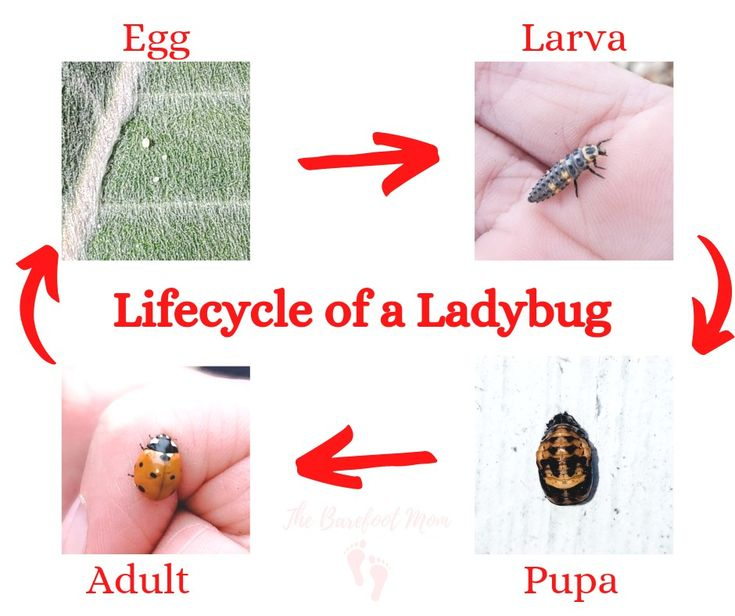
Every spring, something magical happens in gardens across the country. Tiny beetles that have been hiding under bark, in leaf litter, or beneath stones suddenly appear. But what really triggers this remarkable emergence? It's not just the arrival of warmer days—it's a complex dance between temperature, weather patterns, and the ladybug's internal biological clock.
Ladybugs might seem like simple garden helpers, but they're actually incredibly sophisticated creatures with finely tuned survival mechanisms. These beloved insects spend months each year in a state of dormancy called diapause, waiting patiently for the right conditions to wake up. What determines when they emerge? Temperature and weather play starring roles in this annual drama, creating a delicate balance that affects everything from their breeding cycles to the health of our gardens. Understanding this relationship helps us appreciate not just the ladybugs themselves, but how climate changes might be affecting the natural world around us.
The Science Behind Ladybug Dormancy
Ladybugs don't just fall asleep when winter arrives—they enter a carefully orchestrated state of biological rest. This process, called diapause, is triggered by environmental cues rather than simply getting cold. When temperatures drop consistently below 50°F for extended periods, ladybugs begin preparing for winter. They seek out protected spots and slow their metabolism dramatically. Some species can survive being covered in snow or buried under leaves.
But here's where it gets interesting: the timing of their emergence isn't based on calendar dates. Instead, ladybugs rely on a combination of temperature thresholds and accumulated heat units. Think of it like a thermostat that needs to reach a certain number of degrees before turning on. For most ladybug species, they need about 400-600 degree-days above 50°F to break dormancy and begin active life again. This means that if spring arrives early with warm weather, they'll emerge sooner. If spring is delayed by cold snaps, they'll wait longer.
Temperature Thresholds That Matter
Each ladybug species has its own unique temperature requirements for emergence. Some prefer gradual warming while others respond quickly to sudden temperature increases. The most common trigger is the consistent daily temperature reaching 55-60°F for several consecutive days.
Key temperature factors include: • Minimum temperature thresholds (typically 50°F minimum) • Maximum temperature ranges (usually 70-80°F optimal) • Rate of temperature change (gradual warming vs. rapid heating) • Accumulated heat units over time
For example, the common ladybug (Coccinella septempunctata) typically emerges when average daily temperatures reach about 55°F. However, if temperatures spike to 75°F in a single day, they may emerge even earlier than expected. This flexibility allows ladybugs to adapt to different climates and seasonal variations.
Weather Patterns Beyond Temperature
While temperature is crucial, weather patterns also play major roles in determining emergence timing. Rainfall, humidity, and daylight hours all contribute to the overall picture.
Rainfall matters because it provides moisture for ladybugs to become active. Dry conditions can delay emergence even when temperatures are suitable. Humidity levels affect their ability to move and feed effectively. Too much moisture can cause problems too—excessive rain might flood their overwintering sites.
Daylight hours are another critical factor. As days grow longer in spring, ladybugs receive signals that it's time to wake up. This photoperiodic response works alongside temperature to create the perfect awakening conditions. In northern regions, this combination can mean ladybugs emerge as early as March, while southern areas might see them appearing in February.
Regional Variations in Emergence Timing
Ladybug emergence varies dramatically across different regions due to local climate conditions. In the Pacific Northwest, where mild winters are common, ladybugs might start emerging in late January or early February. In contrast, the Great Lakes region could see emergence happening in April or May, depending on how slowly spring arrives.
Here are some regional examples: • Northern states (like Minnesota): Late April to early May emergence • Southern states (like Florida): Early March to late April emergence • Mountain regions: Delayed emergence due to cooler temperatures • Coastal areas: Earlier emergence due to milder conditions
These differences aren't just academic—they directly impact garden pest control strategies. Gardeners in different regions need to adjust their expectations and timing accordingly.
Climate Change and Emerging Trends
Recent decades have shown some concerning trends in ladybug emergence patterns. Warmer springs are causing many species to emerge earlier than historical norms. This shift has both benefits and challenges for ecosystems and gardeners alike.
Some positive effects include: • Extended active seasons for beneficial insects • Better pest control during early growing seasons • Increased availability of natural predators
However, there are also risks: • Mismatch with prey populations that may not have adjusted equally • Increased vulnerability to late frosts • Potential disruption of food webs
Research shows that some ladybug species are now emerging up to two weeks earlier than they did 30 years ago in many parts of North America. This rapid change suggests that climate patterns are altering fundamental biological rhythms that have existed for millennia.
Practical Implications for Gardeners
Understanding ladybug emergence timing gives gardeners powerful tools for natural pest management. Knowing when to expect these helpful insects can transform your approach to garden care.
Gardeners can use this knowledge to: • Time pesticide applications to avoid harming beneficial insects • Plan companion planting strategies around ladybug activity • Recognize when to expect increased pest pressure • Monitor for signs of early emergence in unusual weather conditions
A simple rule of thumb: if you notice ladybugs appearing in your garden, it's usually a sign that the environment is becoming favorable for both them and their prey. This natural indicator can guide decisions about when to start treating pest problems organically.
The story of ladybug emergence is ultimately about adaptation and timing—a reminder that nature operates on intricate systems we're still learning to understand. Temperature and weather work together in ways that can seem almost mystical to those who observe them closely. As we continue to experience changing climate patterns, understanding these relationships becomes increasingly important for maintaining healthy gardens and ecosystems. Whether you're a casual observer or a dedicated gardener, watching for ladybug emergence offers a window into the complex rhythms that govern our natural world. It's a small but significant part of the larger story of how living things respond to the ever-changing conditions around them. The next time you spot a red and black ladybug in your garden, remember that it's not just a lucky visitor—it's a testament to the incredible precision of nature's biological clocks.