Picture this: heavy rain hits a city street. Water starts pooling, roads become impassable, and homes face potential flooding. But somewhere beneath the surface, something remarkable happens. A network of underground systems quietly works to keep the streets dry and neighborhoods safe. These aren't just ordinary drains – they're stand pipe overflow catch basins, and they're the unsung champions of urban flood prevention.
Urban areas face a constant battle with water. When storms hit, cities often struggle to handle the volume of rainfall that pours down from rooftops, pavements, and streets. This isn't just an inconvenience – it's a serious threat to property, safety, and infrastructure. In places like New York City, Houston, or even smaller towns across America, flooding can cause millions of dollars in damage and sometimes even loss of life. Enter the stand pipe overflow catch basin, a crucial component in modern stormwater management systems. These clever devices might look simple, but they play a massive role in protecting our communities from urban flooding disasters.
What Are Stand Pipe Overflow Catch Basins?
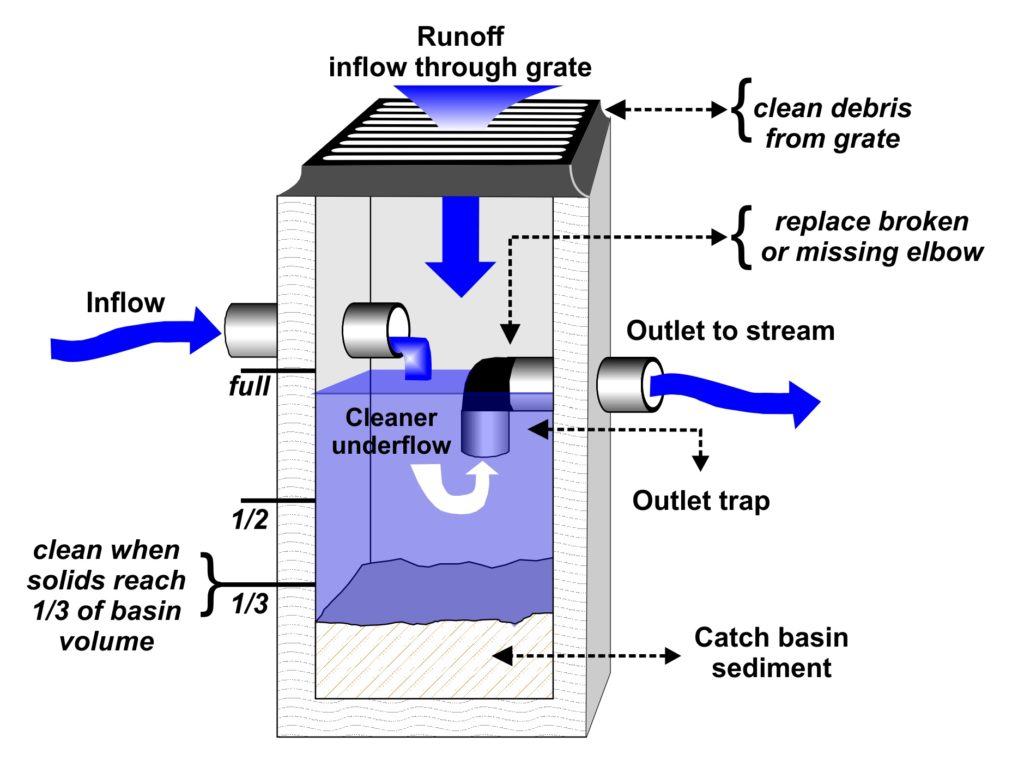
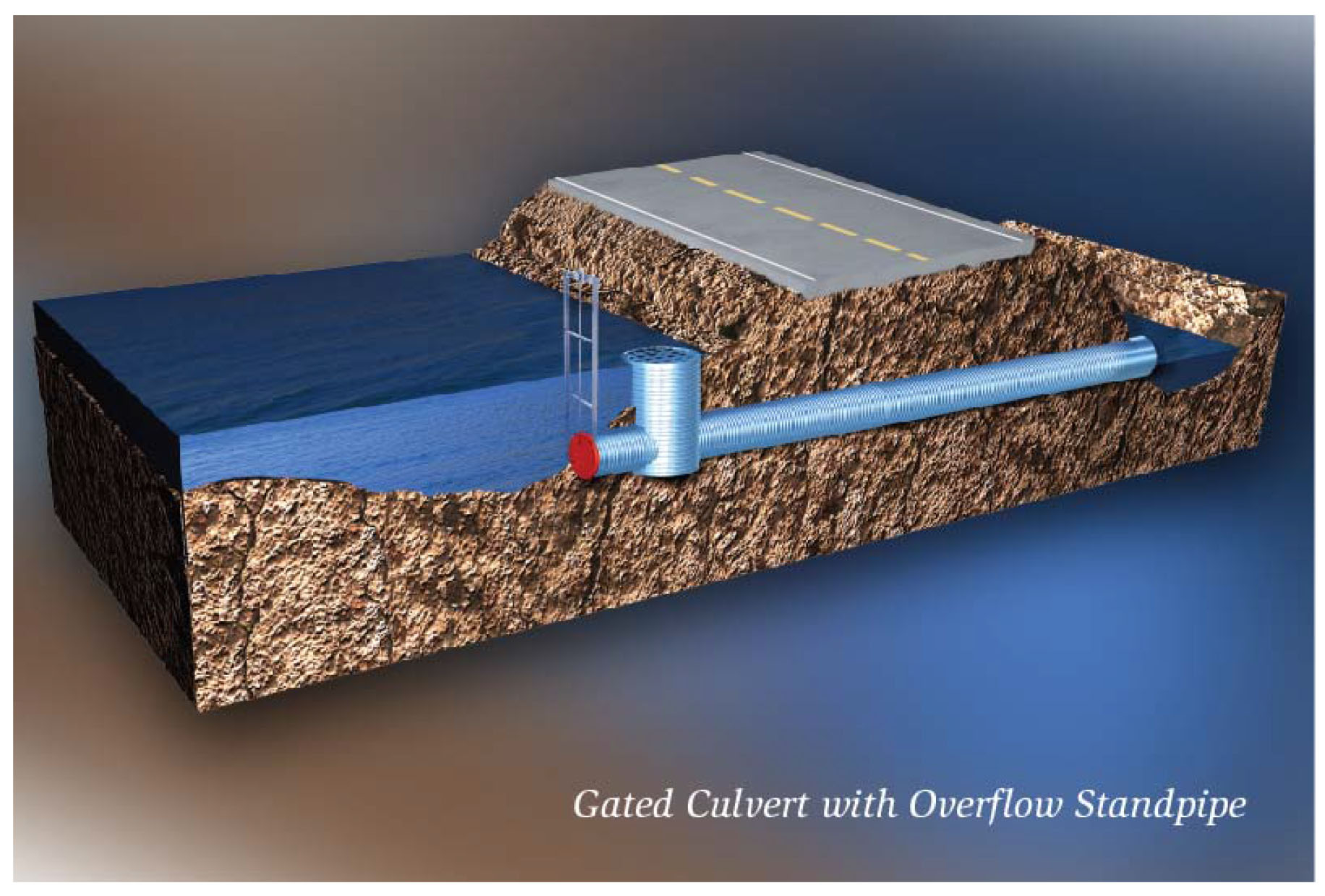
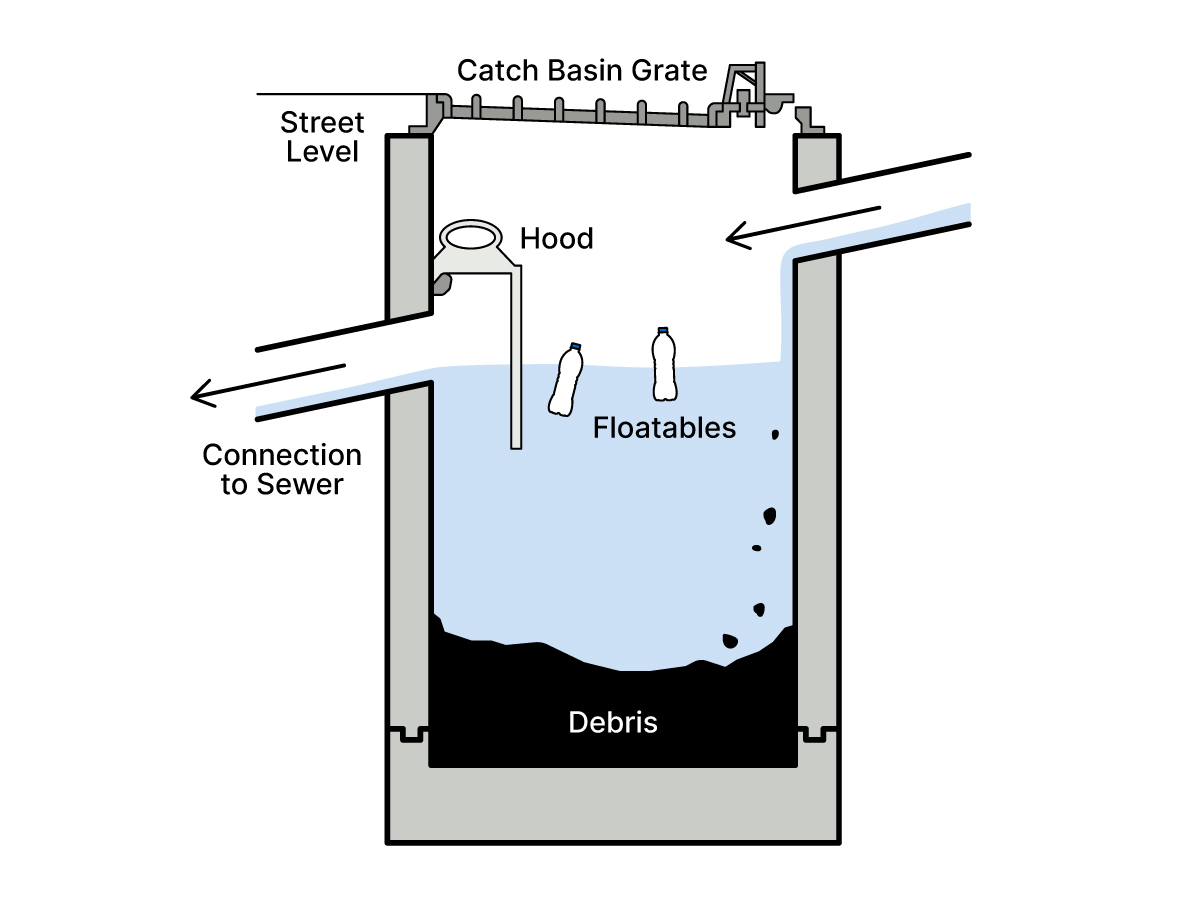
At their core, stand pipe overflow catch basins are specialized drainage structures designed to handle excess water during heavy rainfall events. Think of them as smart traffic cops for water. They're typically installed at strategic locations along storm drains and street gutters, positioned to catch runoff when regular drainage systems get overwhelmed. These basins usually consist of a large underground chamber connected to pipes, with a standpipe that extends upward. The standpipe acts like a vertical tube that helps control water levels and provides overflow protection when normal flow capacity is exceeded. During regular weather conditions, water flows normally through the system. But when rain intensity increases dramatically, these basins kick in to prevent dangerous backups and overflows.
The Science Behind Their Operation
Understanding how these systems work requires looking at basic hydrology and engineering principles. When precipitation falls on impervious surfaces like concrete, asphalt, and rooftops, it cannot soak into the ground. Instead, it becomes runoff that quickly accumulates in streets and drains. Normal storm drains have a limited capacity based on pipe size and slope. When this capacity is exceeded, water begins to back up. Here's where the stand pipe overflow comes into play. It creates a secondary pathway for excess water to flow safely away from vulnerable areas. The standpipe itself acts as a safety valve, allowing water to rise above normal levels and exit through an overflow outlet. This prevents pressure buildup that could lead to street flooding or basement backups. The timing and capacity of these systems are calculated using historical rainfall data and local topography to ensure maximum effectiveness.
Why Cities Need These Systems
Cities around the world are facing increasing challenges due to climate change and urban development. More intense storms, combined with impermeable surfaces, create a perfect storm scenario for flooding. Consider the case of Houston during Hurricane Harvey in 2017. Many neighborhoods flooded because the existing drainage systems couldn't handle such extreme rainfall. Stand pipe overflow catch basins provide critical backup functionality that can make the difference between manageable runoff and catastrophic flooding. They're especially vital in older cities where infrastructure was built decades ago and may not meet current standards. These systems help bridge the gap between aging infrastructure and growing urban demands. Additionally, they're cost-effective compared to completely rebuilding entire drainage networks, making them an attractive solution for municipalities with budget constraints.
Real-World Applications and Case Studies
Let's look at some actual examples where these systems have made a real difference. In Portland, Oregon, the city implemented a comprehensive program to install stand pipe overflow catch basins throughout its downtown area. During a major storm in 2019, while neighboring areas experienced significant flooding, the city's strategic placement of these basins kept streets passable and reduced property damage. Similarly, in Seattle, engineers designed a series of these catch basins to manage runoff from a major highway that had previously caused frequent flooding during heavy rains. The system worked perfectly, diverting excess water safely away from the road surface and preventing accidents. These examples show how thoughtful implementation can transform urban resilience against flooding events.
Installation and Maintenance Considerations
Installing these systems isn't just about digging holes and dropping in equipment. Proper installation requires careful planning and engineering expertise. The location must be chosen based on drainage patterns, soil conditions, and expected water volumes. Engineers must calculate the exact capacity needed to handle peak rainfall scenarios. Maintenance is equally important. These systems require regular cleaning to remove debris, sediment, and vegetation that can block flow paths. Without proper maintenance, they become ineffective and can actually worsen flooding problems. Cities typically schedule routine inspections and cleaning cycles, often using specialized equipment to ensure the basins remain functional. Some systems even include monitoring technology that alerts maintenance crews when performance drops below acceptable levels.
Benefits Beyond Flood Prevention
While preventing floods is their primary function, stand pipe overflow catch basins offer several additional advantages. They help reduce erosion along waterways by controlling the rate of runoff discharge. This means less sediment entering rivers and streams, which improves water quality for aquatic life and downstream communities. They also reduce the burden on treatment facilities by managing peak flows during storms, preventing overflow events that can contaminate water supplies. From an economic standpoint, they save money by reducing flood damage claims and protecting infrastructure investments. Property owners benefit from reduced risk of basement flooding and street damage. Communities gain improved public safety, as fewer flooded streets mean fewer accidents and safer pedestrian access during and after storms.
Stand pipe overflow catch basins represent a perfect example of how engineering innovation can address real-world challenges. They're not flashy or attention-grabbing, but they're essential for keeping urban areas functioning during severe weather events. These systems demonstrate that sometimes the most effective solutions are the simplest ones – a well-designed underground chamber that can make all the difference between a manageable storm and a devastating flood. As cities continue to grow and climate patterns shift, investing in these kinds of infrastructure improvements becomes increasingly important. They're not just about preventing water from accumulating on streets – they're about protecting lives, preserving property, and ensuring that communities can continue to thrive even when nature throws its biggest tantrums. The next time you see a storm drain cover, remember that it might be part of a larger system working quietly to keep your neighborhood safe and dry.
![Catch Basins & Storm Drain Repair [Overall Guide] in Stand Pipe Overflow Catch Basin](https://cdn.buildsimplehouse.com/2026/01/catch-basins-storm-drain-repair-overall-guide-in-stand-pipe-overflow-catch-basin.jpg)