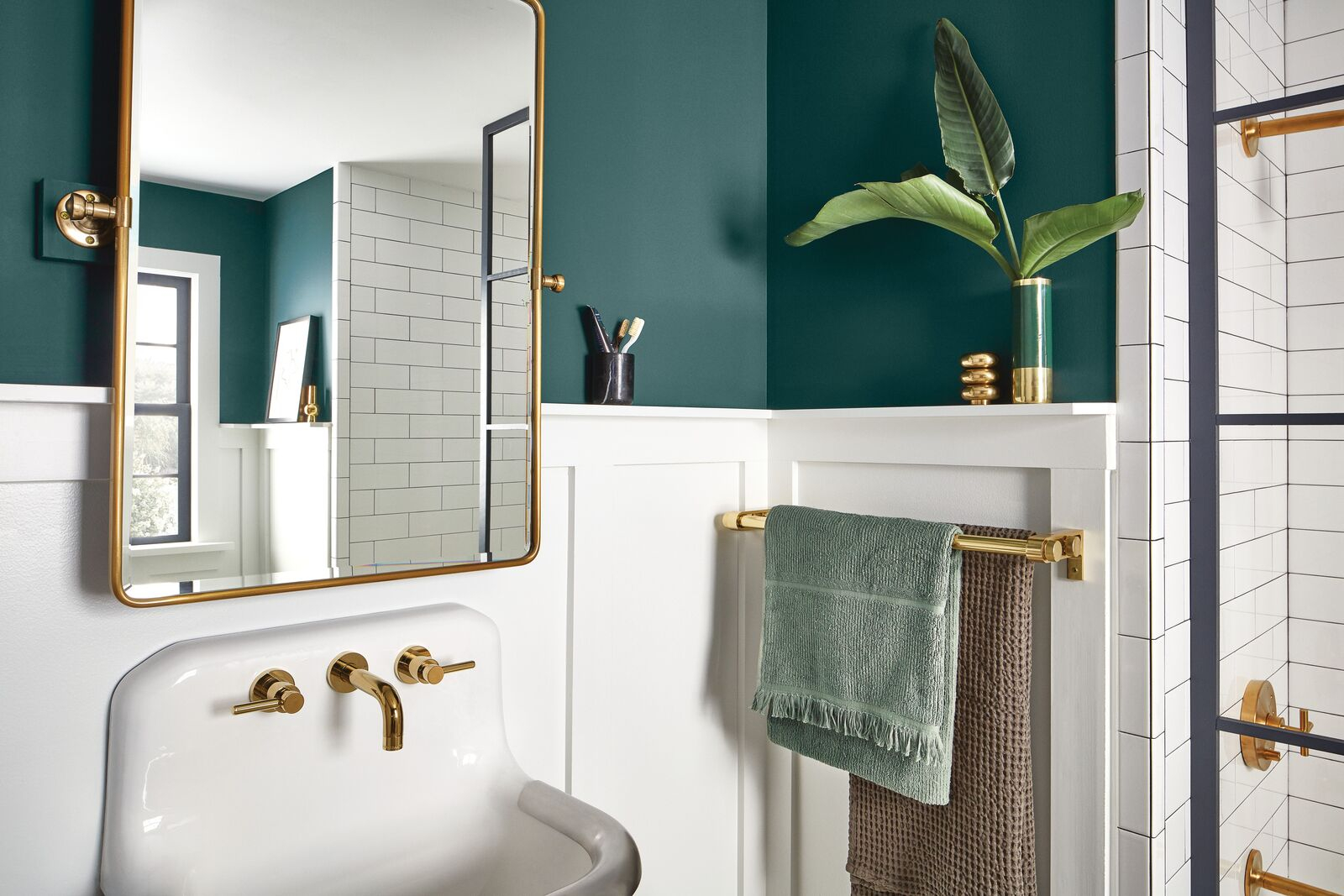
Picture this: you step into your bathroom, the steam from your shower still lingering in the air, and you notice something troubling. The walls are peeling, the paint is bubbling, or worse yet, mold is starting to grow. Sound familiar? If so, you've probably been using the wrong paint type for your high-humidity environment. It's not just about aesthetics anymore – it's about protecting your investment and maintaining healthy indoor air quality.
Bathrooms are unique spaces that demand special attention when it comes to painting. Unlike other rooms in your home, bathrooms experience constant moisture fluctuations from showers, baths, and daily activities. This humidity can wreak havoc on regular wall paint, leading to peeling, blistering, and unsightly mold growth. But don't despair! With the right approach and understanding of paint characteristics, you can transform your bathroom into a space that's both beautiful and resilient against moisture. The secret lies in choosing paint specifically designed for high-humidity environments.
Understanding Bathroom Humidity Challenges
High humidity in bathrooms isn't just uncomfortable – it's a serious threat to paint longevity. When water vapor meets cooler surfaces, condensation forms, creating ideal conditions for paint failure. Think about it: every time you take a hot shower, moisture levels spike dramatically. Regular paint simply can't handle this constant assault. The problem compounds when bathrooms lack adequate ventilation. Without proper airflow, moisture gets trapped, accelerating paint deterioration. Even in well-ventilated spaces, the temperature differences between day and night create cycles of expansion and contraction that stress paint films. This repeated stress breaks down the paint's protective barrier, allowing moisture to penetrate deeper into the wall substrate. The result? Peeling, blistering, and eventual failure of the paint job. Understanding these challenges helps explain why conventional paints fail so quickly in bathrooms.
Moisture-Resistant Paint Formulations Explained
Modern bathroom paints have evolved significantly, incorporating specialized ingredients that resist moisture damage. These formulations typically feature enhanced binding agents that create stronger adhesion to wet surfaces. The key ingredients often include acrylic polymers that form flexible, waterproof barriers. Many moisture-resistant paints also incorporate antimicrobial additives to prevent mold and mildew growth. Some manufacturers add silica or other minerals that help absorb excess moisture. The formulation process involves careful balancing of solvents, binders, and additives to ensure the final product can withstand repeated exposure to humidity. These paints often have higher solids content than standard varieties, meaning they contain more actual paint material rather than water or other thinners. This concentration creates a thicker, more durable film that better resists peeling and blistering. Understanding these technical aspects helps you appreciate why certain paints perform better in challenging bathroom environments.
Epoxy-Based Paints for Maximum Protection
Epoxy paints represent the gold standard for bathroom applications, particularly in areas with extreme moisture exposure. These paints create an incredibly tough, waterproof barrier that can withstand constant splashing and humidity. They're especially popular in shower stalls and tub surrounds where water contact is frequent. The chemical structure of epoxy resins provides exceptional durability and resistance to both water and chemicals. However, epoxy paints require careful preparation and application techniques. They often need priming before application, and the curing process can take several days. The finish is typically very smooth and glossy, which can make minor imperfections more visible. Despite their higher cost and complexity, epoxy paints offer unmatched protection for the most demanding bathroom situations. Many professional contractors rely on epoxy systems for bathroom renovations because of their proven track record. Their longevity makes them worth considering even for high-end bathroom projects.
Acrylic Latex Paints with Special Additives
Acrylic latex paints have become the go-to choice for many homeowners due to their balance of performance and ease of use. Modern versions often include special additives that enhance their moisture resistance properties. These paints dry to a flexible film that can stretch slightly to accommodate minor movement in the substrate. Many come with built-in mold and mildew inhibitors that provide ongoing protection. The application process is straightforward, typically requiring just water-based thinning. Most acrylic latex paints can be easily touched up or recoated if needed. They're available in various sheens, from flat to semi-gloss, giving you flexibility in design choices. The key is selecting products specifically labeled for bathroom use or high-moisture areas. Look for paints that mention "mold and mildew resistant" or "bathroom safe" on their labels. These formulations have been tested under conditions similar to those found in real bathrooms, making them reliable choices for most situations.
Specialized Bathroom Paints and Their Benefits
The market now offers a variety of specialized bathroom paints that address specific needs. These products often combine multiple protective features into single formulations. Some include fungicides that actively combat mold spores, while others incorporate anti-bacterial agents to reduce harmful microorganisms. Many have self-leveling properties that help create smoother finishes with fewer brush marks. These paints frequently come with extended warranties, reflecting manufacturer confidence in their performance. They're typically formulated to resist fading from UV exposure, though bathroom lighting rarely causes significant color changes. The convenience factor cannot be overstated – these paints often eliminate the need for multiple coats or extensive prep work. Many brands offer color ranges specifically designed to complement bathroom décor trends. Their performance has been validated through extensive testing in controlled environments that simulate real-world bathroom conditions.
Application Tips for Success in Humid Conditions
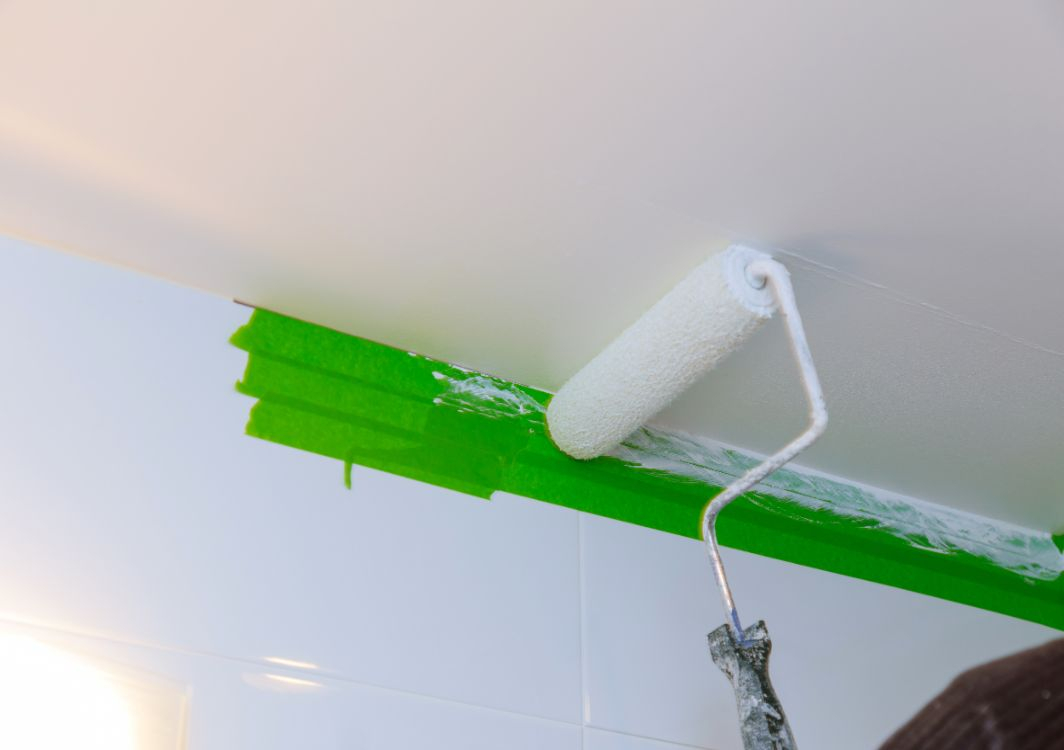
Even the best paint can fail if applied incorrectly in humid conditions. Proper surface preparation is crucial – clean thoroughly and allow complete drying before painting. Apply in moderate temperatures, ideally above 50°F, to ensure proper curing. Consider using a dehumidifier if humidity levels are extremely high during application. Thin coats are often better than thick ones in humid environments, allowing each layer to dry properly. Allow adequate drying time between coats, typically 4-6 hours depending on conditions. Good ventilation during and after application is essential for proper curing. Some painters recommend applying paint in the morning when humidity levels are lower and temperatures are more stable. The timing of your project matters – avoid painting during periods of high outdoor humidity or immediately before rainy weather. Using a high-quality roller or brush can make a difference in achieving even coverage. Finally, always follow manufacturer instructions regarding application conditions and recommended wait times.
Maintenance and Longevity Considerations
Proper maintenance extends paint life significantly in high-humidity environments. Regular cleaning with appropriate products helps preserve the paint's integrity. Avoid harsh chemicals that might break down protective coatings over time. Promptly address any water damage or leaks to prevent moisture penetration. Some paints benefit from periodic touch-ups in high-traffic areas like around fixtures or near the shower. The lifespan of bathroom paint varies greatly based on quality, application, and maintenance. Well-applied premium paints can last 10-15 years or more in typical bathroom conditions. Regular inspection for signs of moisture damage or wear allows for timely intervention. Keeping bathroom ventilation running regularly helps maintain optimal conditions for paint longevity. Consider the frequency of bathroom use when planning maintenance schedules. Areas with heavy usage may require more frequent attention than less-used spaces. Understanding these factors helps set realistic expectations for paint performance and replacement timing.
Choosing the right paint for your high-humidity bathroom isn't just about picking a pretty color – it's about making smart decisions that protect your investment and ensure lasting beauty. From understanding how moisture affects paint performance to selecting the right formulation for your specific needs, the process requires thoughtful consideration. Whether you opt for traditional acrylic latex with added moisture resistance or invest in specialized epoxy systems, the key is matching the paint to your bathroom's unique conditions. Remember, a little extra effort in preparation and selection pays dividends in long-term satisfaction. Your bathroom walls deserve protection from humidity's daily assault. By choosing wisely and following proper application practices, you can enjoy beautiful, durable paint that stands up to whatever your bathroom throws at it. The right paint choice transforms a challenging environment into a space that feels fresh and inviting, not like a battleground against moisture.