Every year, dozens of people suffer from carbon monoxide poisoning in their own homes. The good news? It's preventable. The key lies in understanding exactly where to place your carbon monoxide detectors. This isn't just about following rules – it's about creating layers of protection that keep your loved ones safe while they sleep, work, and play.
Carbon monoxide is a silent killer. It's colorless, odorless, and tasteless – which means you can't see it, smell it, or even know it's there until it's too late. But here's the thing: we have a powerful weapon against it – carbon monoxide detectors. These little devices can literally save lives. However, their effectiveness depends entirely on proper placement. You might have the best detector in the world, but if it's sitting in the wrong spot, it could fail when you need it most. Think about it like this – you wouldn't put a fire extinguisher in the kitchen and expect it to protect your bedroom. Same principle applies to CO detectors.
The Foundation of CO Detection
Before diving into specific spots, it helps to understand how carbon monoxide behaves. Unlike smoke, which rises, CO gas mixes evenly with air and moves around your home. It's heavier than air, so it tends to settle near the floor. But it doesn't stay put. It flows through vents, cracks, and open spaces. This makes strategic placement crucial. A detector in the wrong place might miss a dangerous buildup. A well-placed one can catch it before it becomes a problem. The key is covering all areas where someone might spend time. This includes bedrooms, living areas, and even basements. You want to ensure no corner of your house is left unmonitored. Every room matters, especially those where people sleep or spend extended periods.
Essential Locations for Primary Detectors
Start with these critical spots:
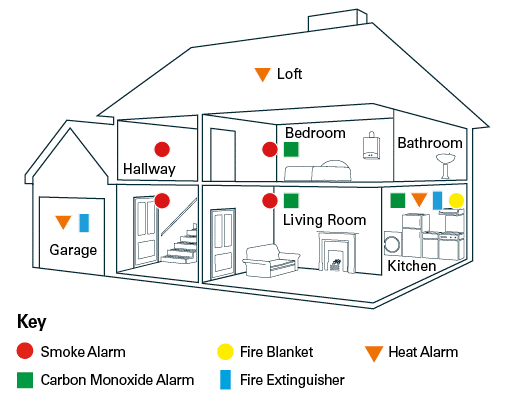
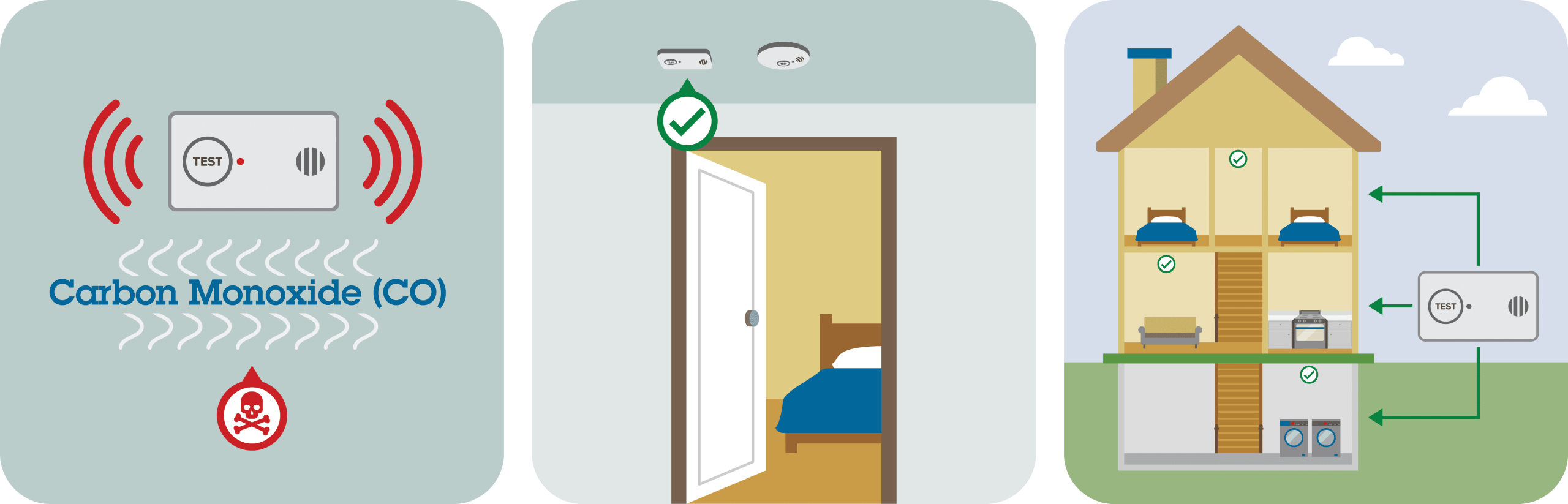
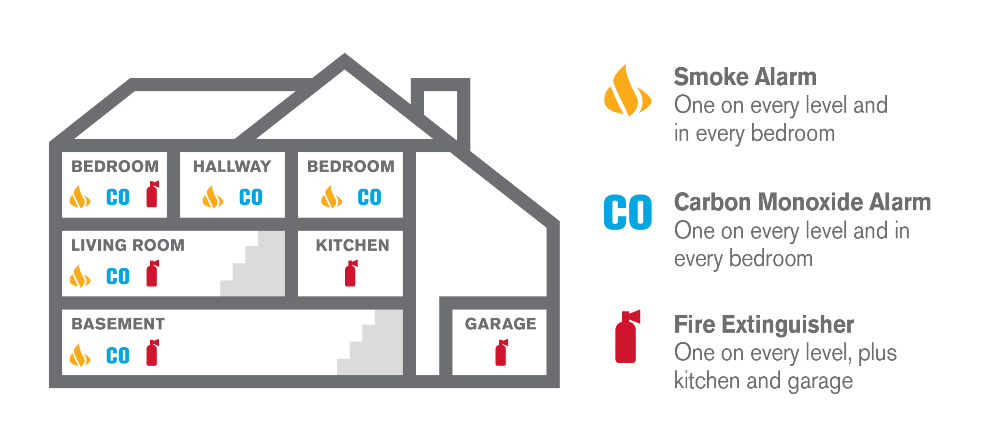
• Every bedroom – This is non-negotiable. People are most vulnerable when sleeping, and they can't wake up to a warning. Install a detector in each bedroom, ideally outside sleeping areas. • Every level of your home – Whether it's a single-story or multi-level house, you need a detector on each floor. Stairwells and hallways are particularly important. • Near sleeping areas – Place detectors within 10 feet of bedroom doors or outside sleeping areas. This ensures quick detection if CO levels rise while you're asleep. • In the basement – Basements often connect to heating systems, water heaters, or fuel-burning appliances. These areas can accumulate CO without anyone noticing.
These spots form the backbone of your protection strategy. They're where people spend time and where CO is most likely to accumulate. If you're adding a new detector, start with these locations first. They're the foundation of safety.
Beyond the Basics - Additional Strategic Spots
Now that you've covered the essentials, let's talk about additional places that deserve attention:
• Near fuel-burning appliances – This includes furnaces, water heaters, gas stoves, and fireplaces. These are the main sources of CO in homes. Placing detectors close to them gives early warning of potential problems. • Garage areas – Cars running in garages, even with doors open, can produce dangerous levels of CO. If you have a garage attached to your home, install a detector there. • Living rooms and family areas – These are spaces where people gather and spend time together. A detector here can alert everyone in the room. • Hallways between rooms – These are pathways where people move through your home. A detector in a hallway can warn people as they travel from room to room.
Consider these locations as your secondary defense lines. They're not as critical as bedrooms and floors, but they add extra protection and peace of mind.
What Not to Do When Installing Detectors
There are some obvious mistakes to avoid:
• Don't hide detectors – No closets, inside cabinets, or behind furniture. They need to breathe fresh air to function properly. If they're enclosed, they won't detect CO quickly enough. • Avoid extreme temperatures – Don't place them near heating vents, air conditioners, or in direct sunlight. Extreme heat or cold can affect battery life and accuracy. • Don't ignore the ceiling – While CO stays low, some models are designed to mount on ceilings. If you're using a ceiling model, follow manufacturer instructions carefully. Most wall-mounted units are better for typical homes. • Stay away from kitchens and bathrooms – These areas have high humidity and cooking fumes that can interfere with detector performance. Also, they're less likely to be sources of CO.
These are common pitfalls that many homeowners fall into. Remember, the goal isn't just having a detector – it's having one that works correctly and reliably.
Special Considerations for Different Home Types
Different types of homes require different approaches:
• Single-family homes – These offer the most flexibility. You can easily place detectors on every floor and in every bedroom. Think about the flow of your home and where people spend the most time. • Apartments and condos – You may not have control over placement, but you can request detectors in common areas or ask management about installation options. Some landlords provide them, others don't. • Multi-unit buildings – These present unique challenges. You might need to coordinate with neighbors or building management. Each unit should have its own detector, and shared spaces like hallways and stairwells should also be monitored. • Mobile homes and RVs – These require special attention. Due to ventilation limitations, every possible source of CO needs monitoring. Install detectors in sleeping areas and near any fuel-burning appliances.
Each situation demands a tailored approach. Understanding your home type helps determine the right balance of coverage and practicality.
Maintenance and Testing Best Practices
Proper placement is only part of the story. You also need to maintain your detectors:
• Test monthly – Press the test button once a month. This ensures the alarm works and alerts you to any issues. Don't skip this step. • Replace batteries annually – Even if they seem fine, replace them every year. Some manufacturers recommend replacing both batteries at once. • Check manufacturer recommendations – Follow the owner's manual for specific testing procedures and replacement schedules. Different models may have different requirements. • Replace detectors after 7-10 years – This is the average lifespan of most CO detectors. Even if they still work, it's better to replace them proactively.
Maintenance is just as important as placement. A detector that's not working is worse than no detector at all. Think of it like checking your car's oil – it's a small investment that prevents bigger problems later.
Placing carbon monoxide detectors properly isn't rocket science, but it does require thoughtfulness and planning. The goal is simple: cover all the bases where people live, sleep, and spend time. Start with the basics – bedrooms, every floor, and near fuel-burning appliances. Then add additional coverage in hallways, living areas, and special spaces like garages. Avoid common mistakes like hiding detectors or placing them in problematic locations. Finally, remember that proper maintenance is just as important as smart placement. Your family's safety depends on it. So take a few minutes now to review where your detectors are located. Make adjustments if needed. Because when it comes to carbon monoxide, prevention is always better than cure. And a properly placed detector can mean the difference between a safe night's sleep and a tragic outcome.