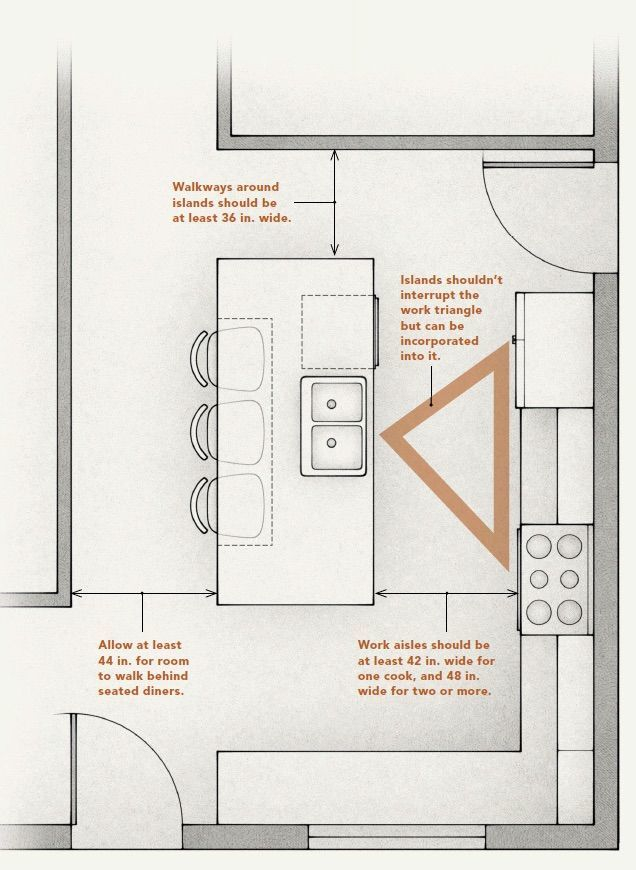
Picture this: you're standing in your kitchen, reaching across a narrow gap to grab something from your island, only to feel like you're constantly bumping into the countertop. Or worse, trying to move around a crowded island that feels like a traffic jam. This isn't just about aesthetics—it's about comfort, function, and creating a space where you actually enjoy spending time. The right amount of space between your island and counter can make all the difference between a frustrating kitchen and a dream culinary haven.
When it comes to kitchen design, one of the most crucial yet often overlooked elements is the proper spacing between your island and countertops. It's easy to focus on beautiful materials, stunning fixtures, and eye-catching appliances, but the actual dimensions can make or break your cooking experience. Think about it—when you're chopping vegetables, preparing meals, or simply enjoying a cup of coffee while chatting with family members, you need room to move freely. The gap between your island and counter isn't just about avoiding collisions; it's about creating a seamless flow that supports how you actually live and work in your kitchen.
Understanding Basic Spacing Requirements
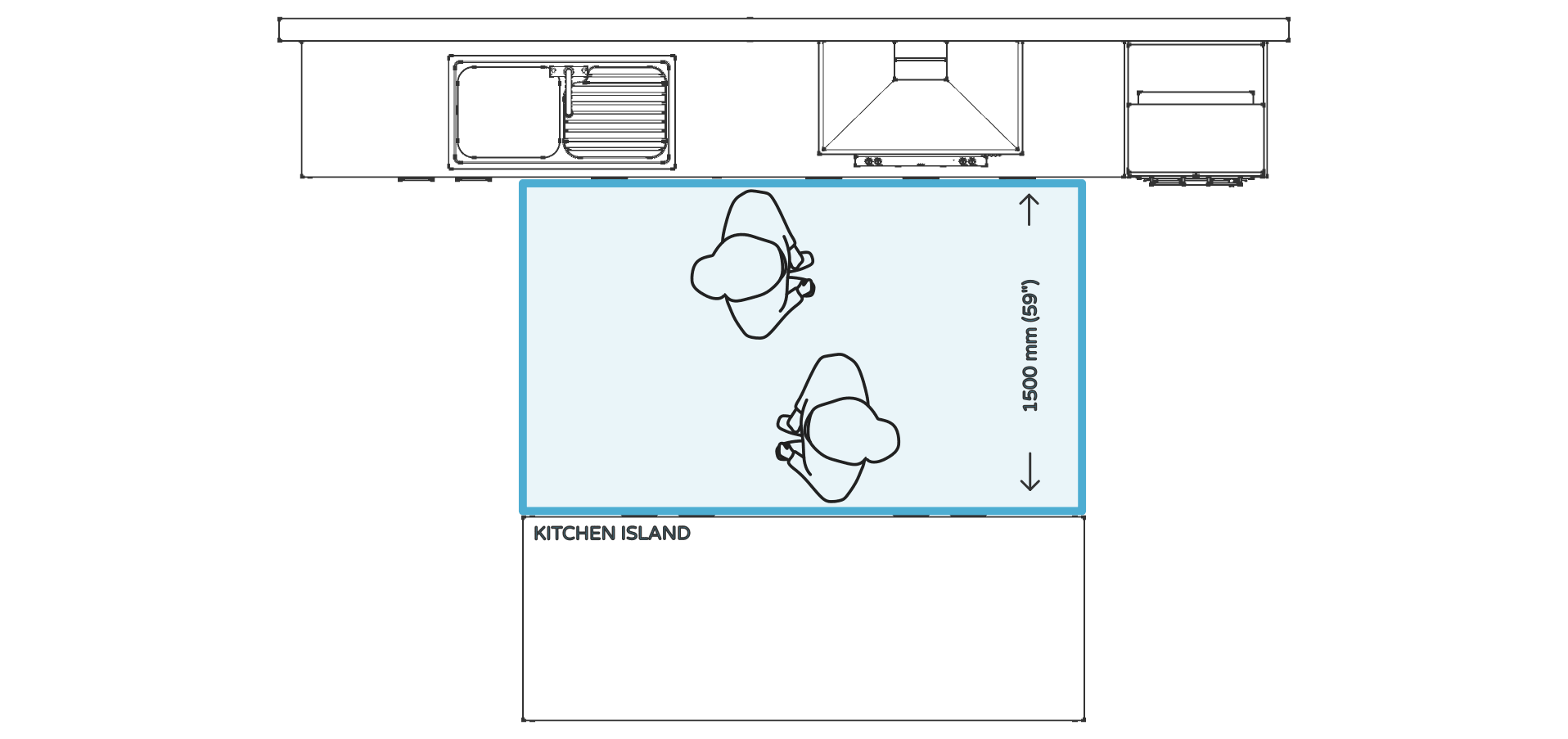
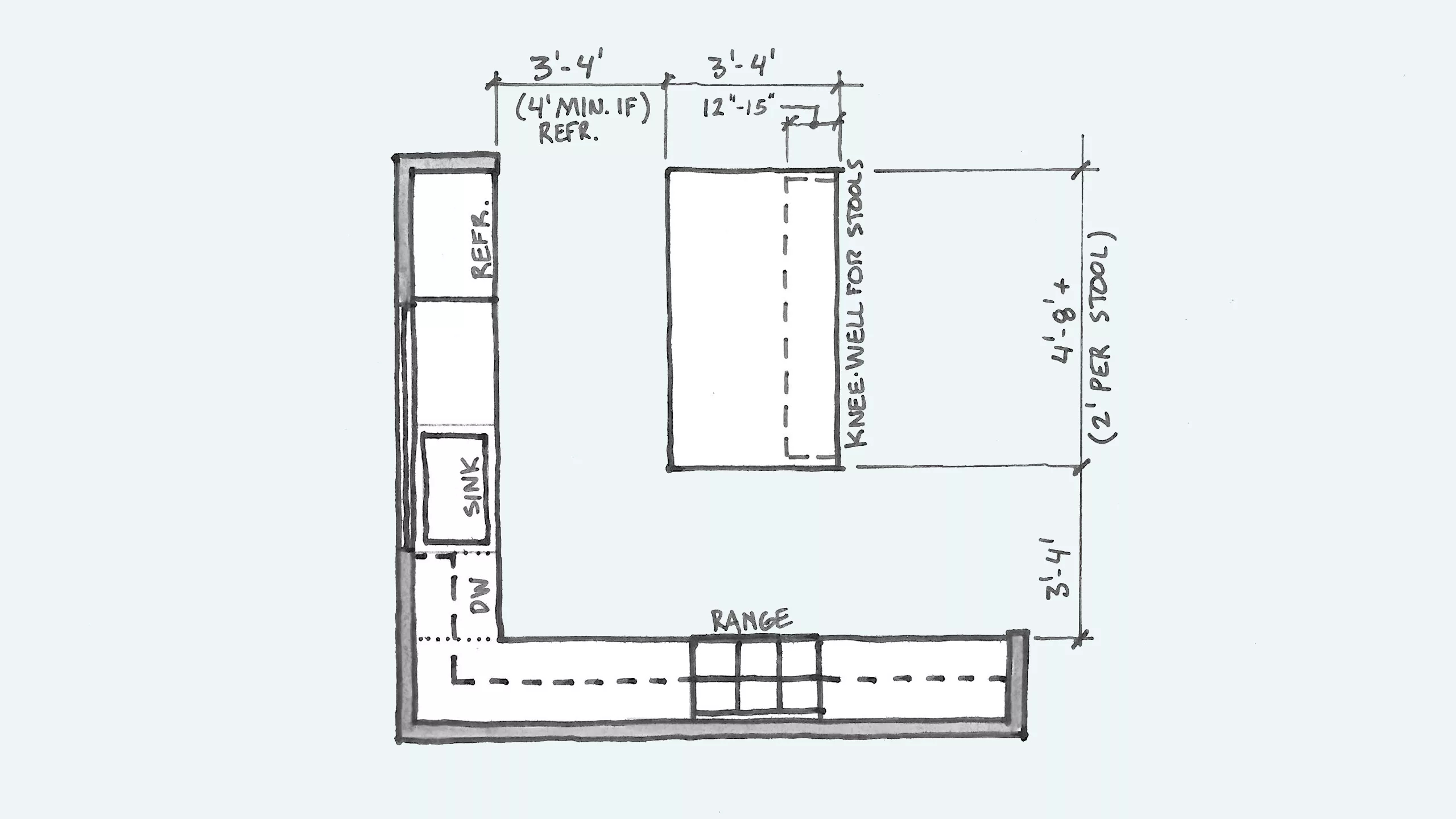
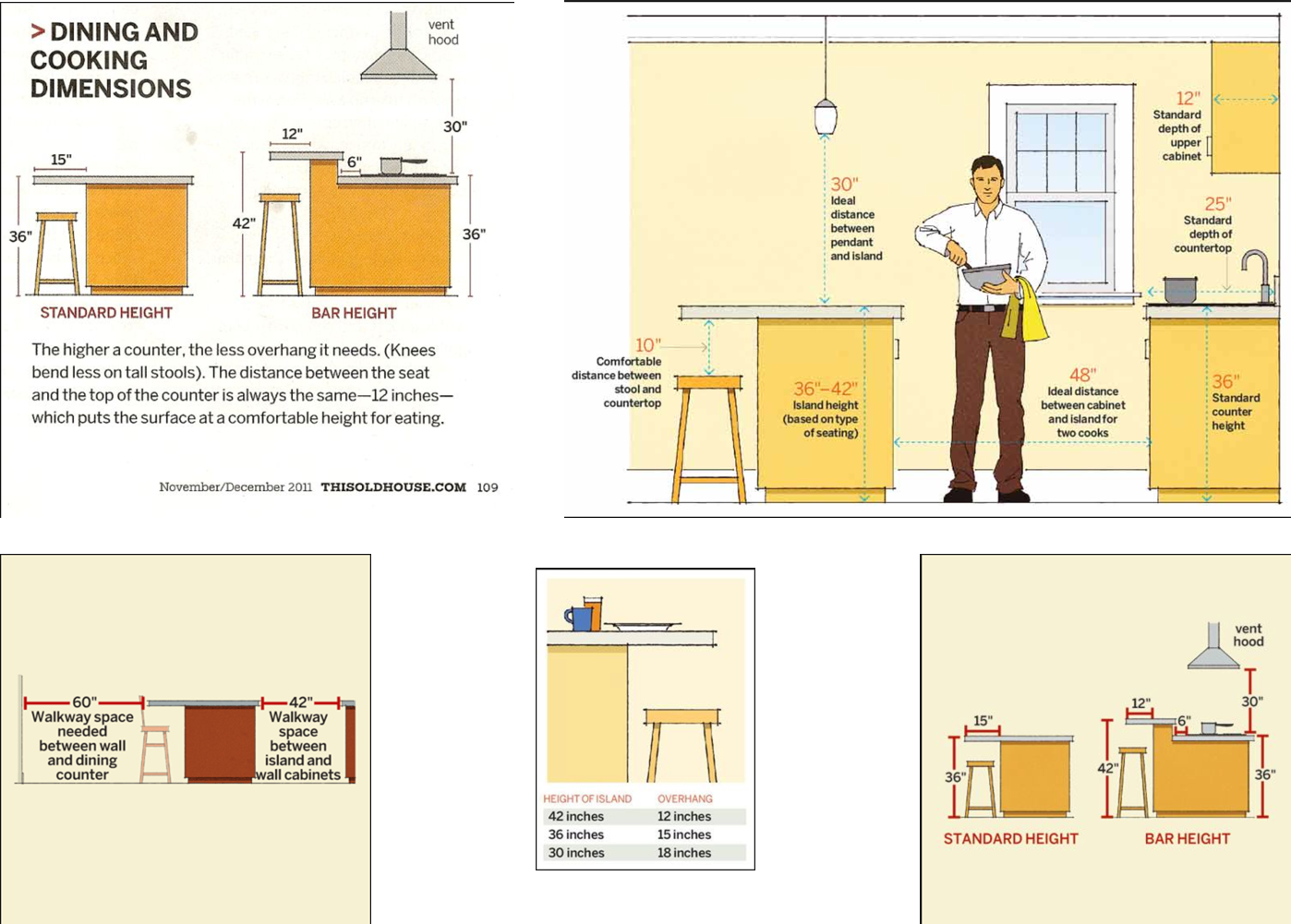
Let's start with the fundamentals. When planning your kitchen layout, the standard recommendation for space between a kitchen island and countertops is typically 42 to 48 inches. That might sound like a lot, but think about it—this measurement gives everyone plenty of room to move around comfortably. If you have a small kitchen, maybe 36 inches works, but anything less than that starts to feel cramped and stressful. Consider how many people will be using the space simultaneously. Are you planning family dinners? Do you entertain guests regularly? These factors will influence how much clearance you'll need. For instance, if you're designing a kitchen with multiple users, you might want to increase the distance to 50 inches to allow for smoother movement.
The Role of Traffic Flow in Design
Now, imagine you're walking through your kitchen. You've got your sink on one side, stove on another, and your island sitting proudly in the center. The path you take between these areas should feel natural and effortless. If there's too little space between your island and the counter, you'll find yourself constantly bumping into things, especially when someone else is working in the kitchen. Good traffic flow means people can move around without feeling like they're navigating through a maze. A minimum of 36 inches between the island and walls or counters allows for comfortable passage. But if you're planning to use the island as a dining area, consider increasing that to 48 inches or more to accommodate chairs and ensure everyone can sit comfortably.
Different Layouts, Different Needs
Not every kitchen looks the same, and that's perfectly fine. The spacing requirements change depending on your kitchen's layout and your intended use. In an open-concept kitchen, you might have a large island that spans the entire width of the room. Here, the space between the island and other elements becomes even more critical. For L-shaped kitchens, the island often sits perpendicular to the main counters, which means you'll want to measure carefully to avoid awkward angles. U-shaped kitchens might need slightly different considerations since the island is surrounded by cabinets on three sides. In galley kitchens, where space is at a premium, you might need to get creative with your measurements, but always prioritize comfort over aesthetics.
Practical Tips for Measuring Success
Measuring correctly isn't just about getting the right numbers—it's about understanding how those numbers translate into daily life. Start by drawing out your kitchen layout and marking where everything will go. Then, walk through that space multiple times to see how it feels. Try to imagine different scenarios: What happens when you're cooking and someone else needs access to the island? Can you easily move a chair around? Do you have enough room to set down a cutting board? These are the kinds of questions that separate a well-designed kitchen from one that feels like a chore. Consider installing a few temporary markers or using tape on the floor to visualize the ideal spacing before making permanent changes.
Special Considerations for Families and Entertaining
If you're a parent with young children, or if you love hosting dinner parties, the space between your island and counter takes on added importance. Kids need room to explore, and adults need room to move around safely. When entertaining, you'll want to make sure there's enough breathing room for serving food, moving plates, and keeping conversations flowing smoothly. A good rule of thumb is to add an extra 6 inches to your basic measurements if you expect frequent entertaining. For families with kids, consider adding a little extra clearance to prevent accidents and make cleanup easier. Remember, your kitchen should support your lifestyle, not hinder it.
Making Adjustments Without Overhauling Everything
What if you've already built your kitchen and realize the spacing isn't quite right? Don't panic—there are several ways to adjust without major renovations. You could reposition your island slightly, or even add a small peninsula to create better separation. Sometimes, rearranging existing furniture can help improve the flow. If you're working with limited space, consider using a smaller island or a breakfast bar instead of a full-size island. These alternatives can still provide functionality while giving you more flexibility in terms of spacing. Another option is to modify the countertop depth, which can affect how much room you feel you have. The key is to experiment with different solutions until you find what works best for your unique situation.
The relationship between your kitchen island and countertops is more than just a design detail—it's a fundamental part of how your kitchen functions and feels. Getting the spacing right means fewer collisions, more comfortable movement, and a space that truly supports your daily routine. Whether you're planning a new kitchen from scratch or looking to optimize your existing space, remember that these measurements aren't just about following rules—they're about creating a place where you can thrive. So take a step back, measure twice, and make sure your kitchen gives you the freedom to move, create, and enjoy time with the people you care about. After all, a well-spaced kitchen is a happy kitchen, and that's something worth investing in.