Picture this: you hear scratching, scampering, or squeaking coming from inside your walls. It's unsettling, isn't it? Those tiny feet moving across pipes, behind drywall, and through insulation can drive anyone crazy. The good news? There are effective ways to deal with this pesky problem without turning your house upside down.
Mice are clever creatures. They're small enough to squeeze through holes no bigger than a dime, and they're experts at finding cozy spots in the darkest corners of your home. When they decide to make their home inside your walls, it becomes a major challenge to find them and get rid of them. But don't panic – there are several methods that work, and knowing how to approach the situation properly can save you time, money, and a lot of stress.
Spotting Signs of a Wall Mouse Problem
Before you can tackle the mouse issue, you need to know what to look for. Mice are surprisingly quiet, but they leave telltale signs that something's wrong.
• Scratching or Scampering Sounds - Listen closely at night when the house is quiet. You might hear quick movements behind the walls.
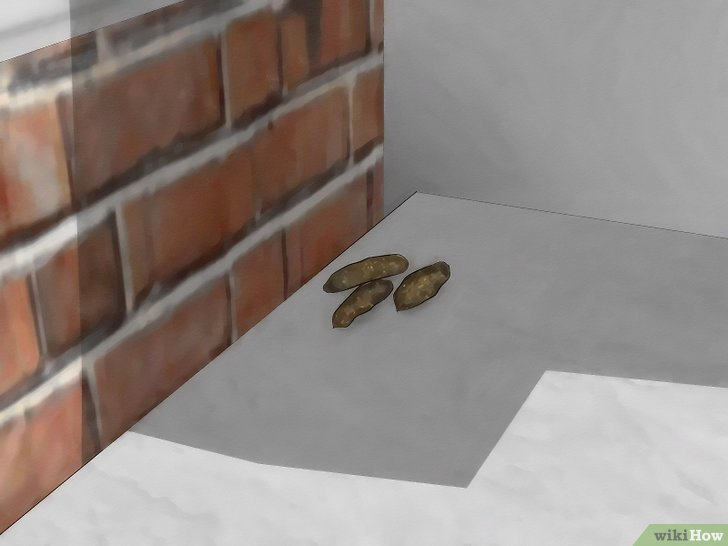
• Droppings - Small, dark pellets that resemble grains of rice. These often appear near food sources or nesting areas.
• Gnaw Marks - Look for small holes or chewed areas on wires, wood, or insulation.
• Odd Smells - A musty or sweet smell that's hard to pinpoint can indicate mouse activity.
• Nesting Materials - Fluffy bits of paper, fabric, or cardboard might be used to build nests in wall cavities.
The key is paying attention to your environment. Sometimes it's the subtle changes that give away the presence of these little intruders.
Understanding Mouse Behavior and Habits
To effectively get rid of a mouse living in your walls, you have to understand how they behave. Mice are nocturnal animals, which means they're most active during the night. They prefer warm, hidden spaces like wall cavities, attics, or basements.
Mice are excellent climbers and can scale vertical surfaces with ease. They also love to gnaw on various materials to keep their teeth sharp. This is why you'll often see damage to wires, furniture, or even your home's structure.
They're social creatures too, so if one mouse finds a spot in your wall, others may follow. Understanding their habits helps you plan better elimination strategies.
What's fascinating is that mice can squeeze through openings as small as 1/4 inch. That means even tiny gaps in your home could be entry points. Keeping track of these potential spots is crucial for prevention and removal.
Trapping Techniques That Actually Work
Traps are one of the most reliable ways to catch mice. The right trap, placed in the right location, can be very effective.
• Baited Snap Traps - These are classic choices. Place them along walls where you've noticed activity. Use peanut butter, dried fruit, or cheese as bait.
• Baited Live Traps - If you prefer to release the mice outside, live traps are a good option. They're humane and allow you to relocate the mouse safely.
• Multiple Traps - Set up several traps in different locations. Mice are curious and will investigate multiple options.
• Trap Placement - Position traps close to walls, along baseboards, or near droppings. Mice usually travel along edges and avoid open spaces.
• Bait Refreshing - Check your traps daily and refresh the bait. Old or stale bait won't attract mice anymore.
Remember, patience is key. Mice might take a few days to become comfortable with a new trap before using it.
Sealing Entry Points Prevents Re-infestation
Even after removing the mouse, you need to prevent new ones from entering. Mice are persistent, and they'll return if given a chance.
• Identify Holes - Look for any gaps larger than a quarter inch. Mice can enter through cracks in foundations, around pipes, or under doors.
• Use Steel Wool - This works great for small holes. Stuff it tightly into gaps, then cover with caulk.
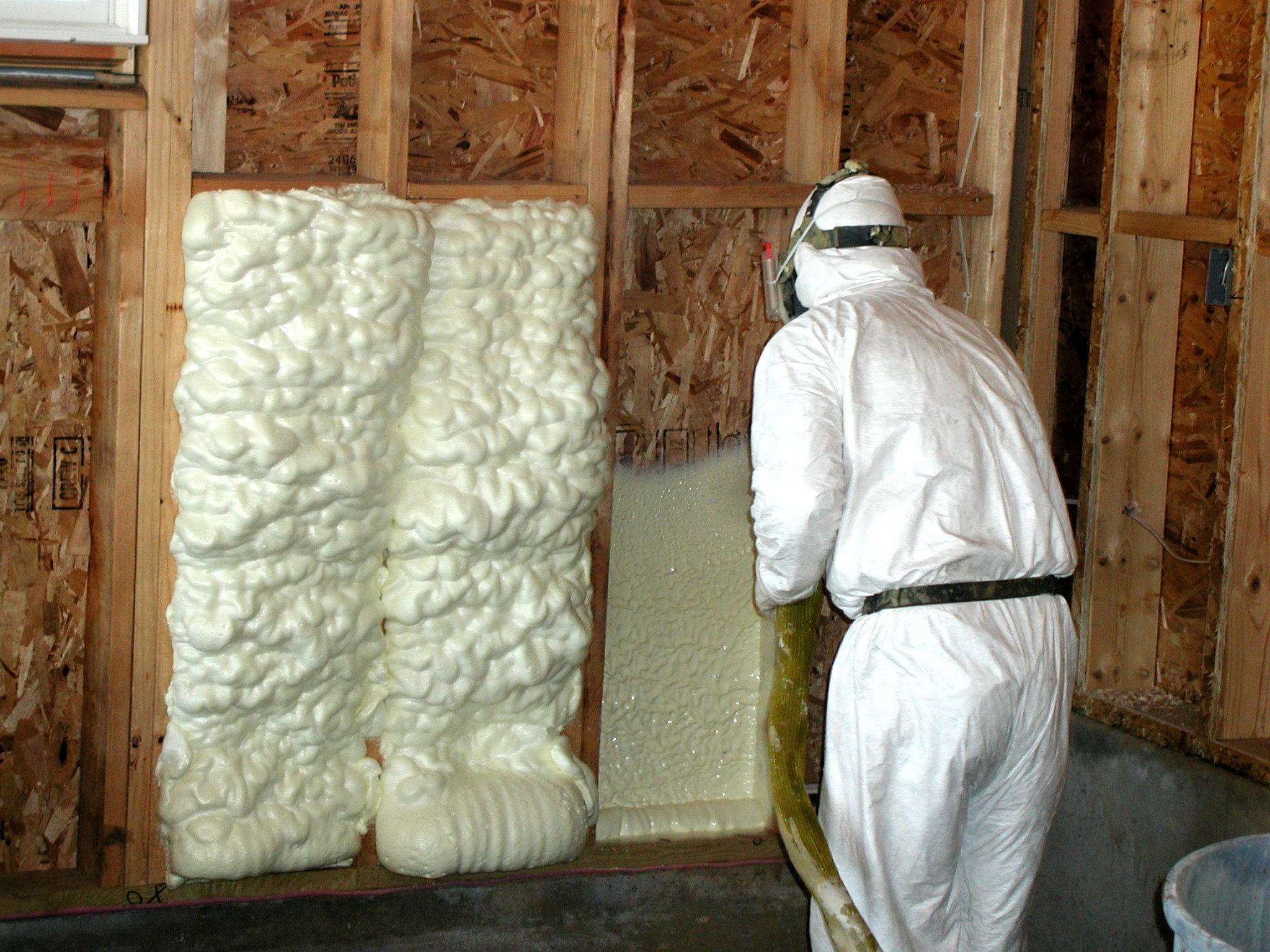
• Caulk or Foam Sealant - Apply these to larger gaps. They're effective and long-lasting.
• Hardware Cloth - For bigger holes, use metal mesh. It's strong and can't be chewed through easily.
• Regular Inspections - Check for new gaps or damage over time. Mice are resourceful, and they'll find new ways to get in.
This step is essential. Without sealing entry points, you'll be fighting the same battle over and over again.
Natural Repellents and Their Limitations
Some people swear by natural mouse repellents, but their effectiveness varies widely. While they might help in some situations, they aren't a complete solution.
• Peppermint Oil - Many claim this works. Apply a few drops on cotton balls and place them near entry points.
• Cedar Chips - These are often used in storage areas. They might offer some deterrent effect.
• Coffee Grounds - Some say the smell repels mice. Scatter them in areas of activity.
• Ultrasonic Devices - These emit high-frequency sounds meant to disturb mice. However, they're not always reliable and can be noisy.
While these methods might provide some relief, they're not enough on their own. Natural repellents work best when combined with trapping and sealing techniques.
When Professional Help Is Needed
Sometimes, despite your best efforts, a mouse problem persists. This is when professional pest control becomes necessary.
• Severe Infestations - If you notice many signs of mice or if the problem continues after several weeks of effort, consider calling in experts.
• Large Wall Cavities - If the mouse is deep within thick walls or hard-to-reach areas, professionals have tools and experience to handle it.
• Health Concerns - Mice carry diseases that can affect humans. If you're concerned about health risks, a professional can ensure safe removal.
• Structural Damage - If the mouse has caused significant damage to wiring or insulation, a professional can assess and fix issues.
• Long-Term Prevention Plans - Pest control experts can help develop strategies to prevent future infestations.
Don't hesitate to call professionals if you feel overwhelmed. They bring specialized knowledge and equipment that can solve problems faster and more safely.
Prevention Tips to Keep Mice Out Long Term
Once you've dealt with the current mouse issue, preventing future problems is crucial. Here's how:
• Keep Food Stored Properly - Store all food in sealed containers. Mice are attracted to crumbs and odors.
• Clean Regularly - Wipe down counters, sweep floors, and vacuum regularly. Mice thrive in messy environments.
• Declutter - Reduce hiding spots by organizing your space. Mice love cluttered areas.
• Maintain Your Home - Repair cracks, seal gaps, and check for damaged insulation.
• Check for Nesting Materials - Remove any materials that could serve as nesting sites.
• Monitor Outside Areas - Keep the area around your home clean and free of food scraps.
Prevention is always better than cure. The more you do to make your home less appealing to mice, the less likely they are to return.
Final Thoughts on Wall Mouse Solutions
Dealing with a mouse in your walls can be stressful, but it's definitely manageable with the right approach. Start by recognizing the signs, then move on to trapping and sealing. Natural remedies might help, but they're not a full solution. And remember, sometimes you need professional help to get things right.
The most important thing is staying consistent. Mice are tenacious, but with patience, proper tools, and a little planning, you can eliminate the problem for good. Your home deserves to be peaceful and mouse-free.
Getting rid of a mouse hiding in your walls requires a combination of detective work, strategic planning, and persistence. From identifying the signs to setting up effective traps and sealing entry points, each step matters. While natural methods might offer some assistance, they're rarely sufficient alone. Sometimes, professional help is needed for serious or recurring problems.
The key takeaway is that prevention is just as important as treatment. Once you've solved the immediate issue, maintaining a clean, well-sealed home will keep mice from returning. With these methods in your toolkit, you're ready to face any wall mouse challenges that come your way.