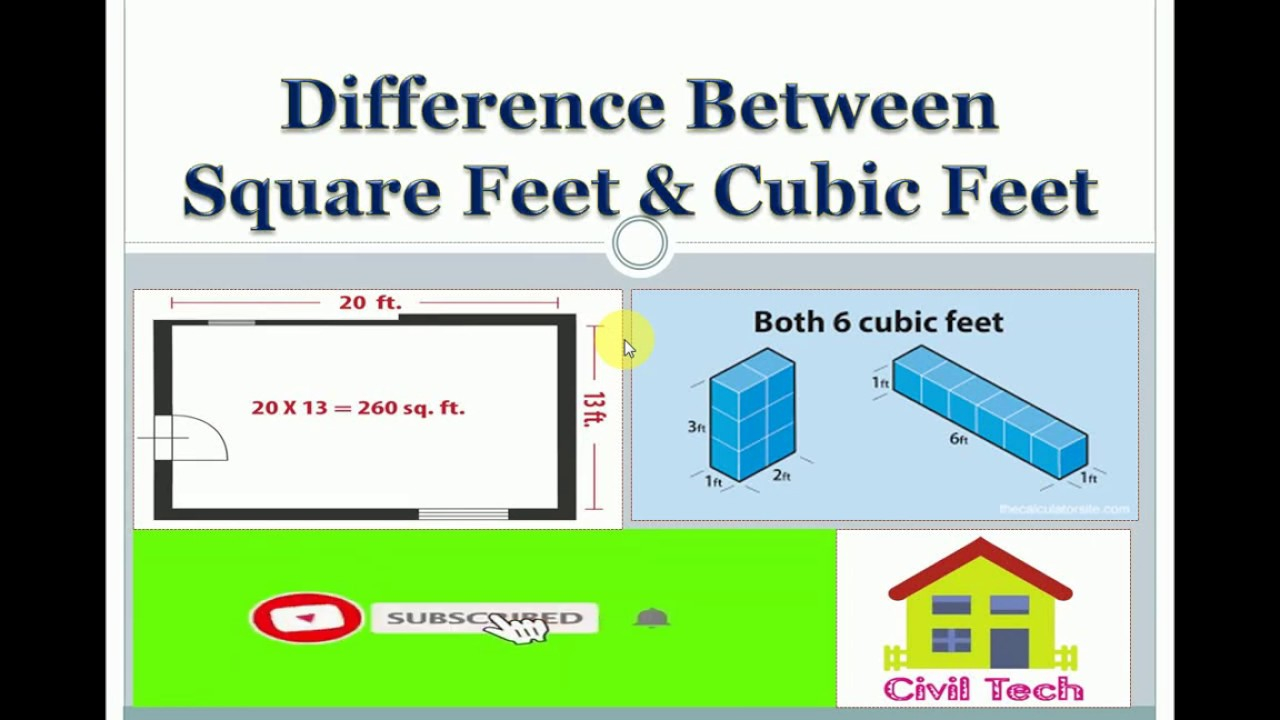
Have you ever wondered how to convert square footage into linear measurements? It's a question that comes up more often than you might think. Whether you're planning a renovation, buying materials, or just trying to understand your space better, knowing how to convert sq ft to linear feet can save you time and money.
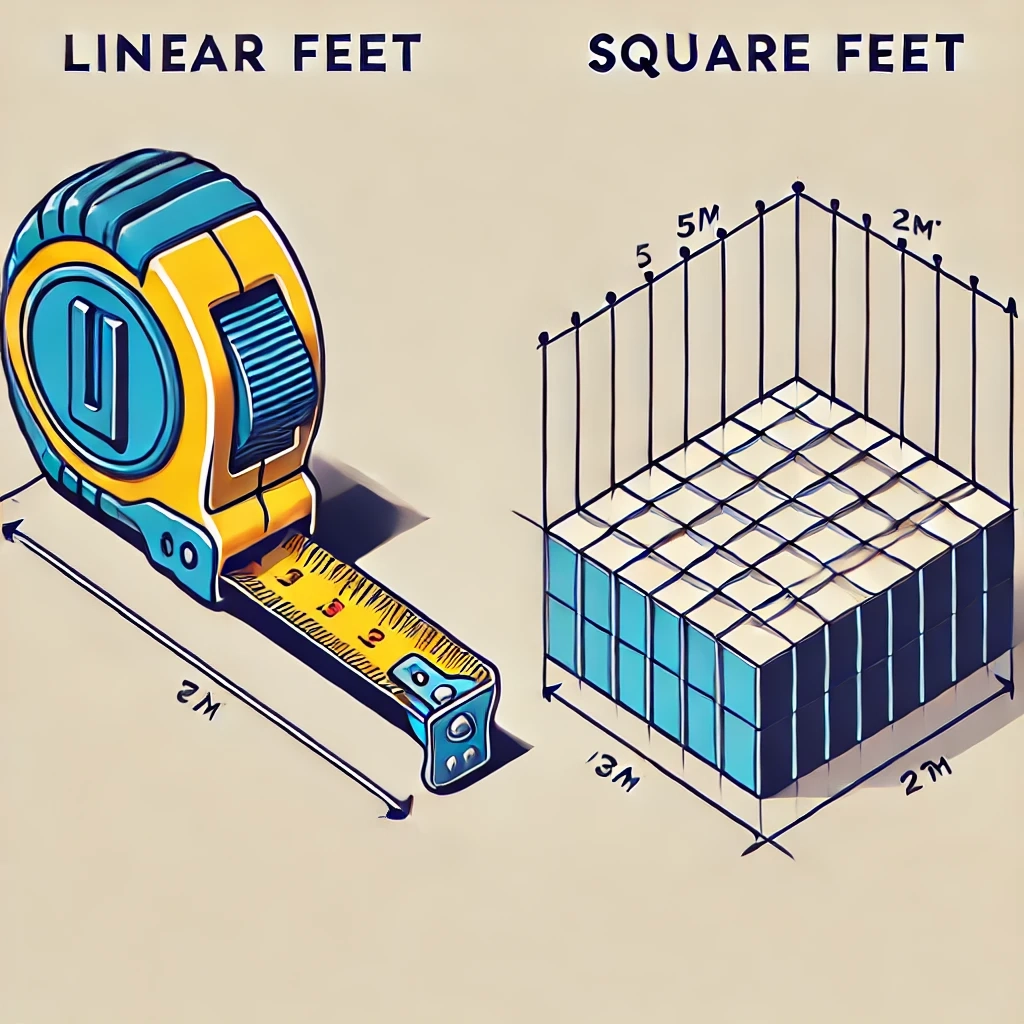
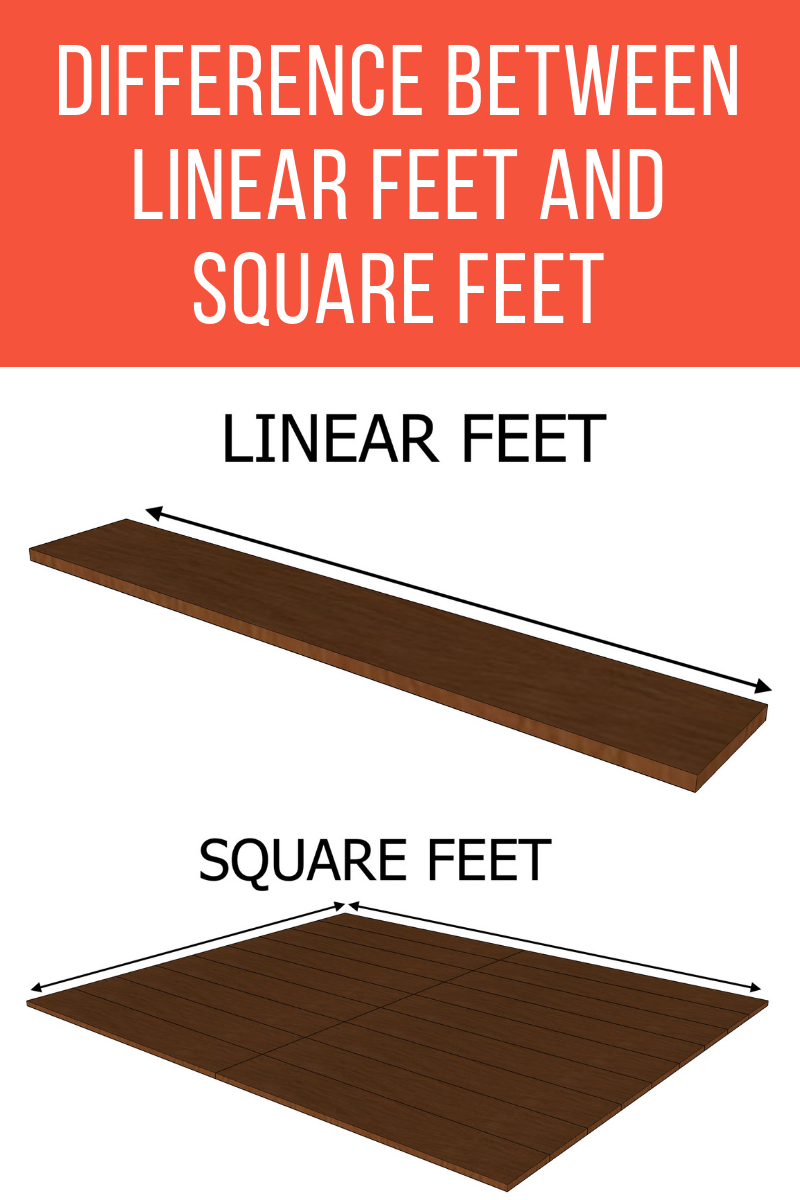
When you're dealing with home improvement projects, flooring installations, or even just measuring your living space, you'll often encounter two different types of measurements. Square feet tell you the area of a space, while linear feet measure length along a straight line. These aren't interchangeable, but they do relate to each other in very practical ways. Let's explore some real situations where this conversion matters most.
Why You Need This Conversion
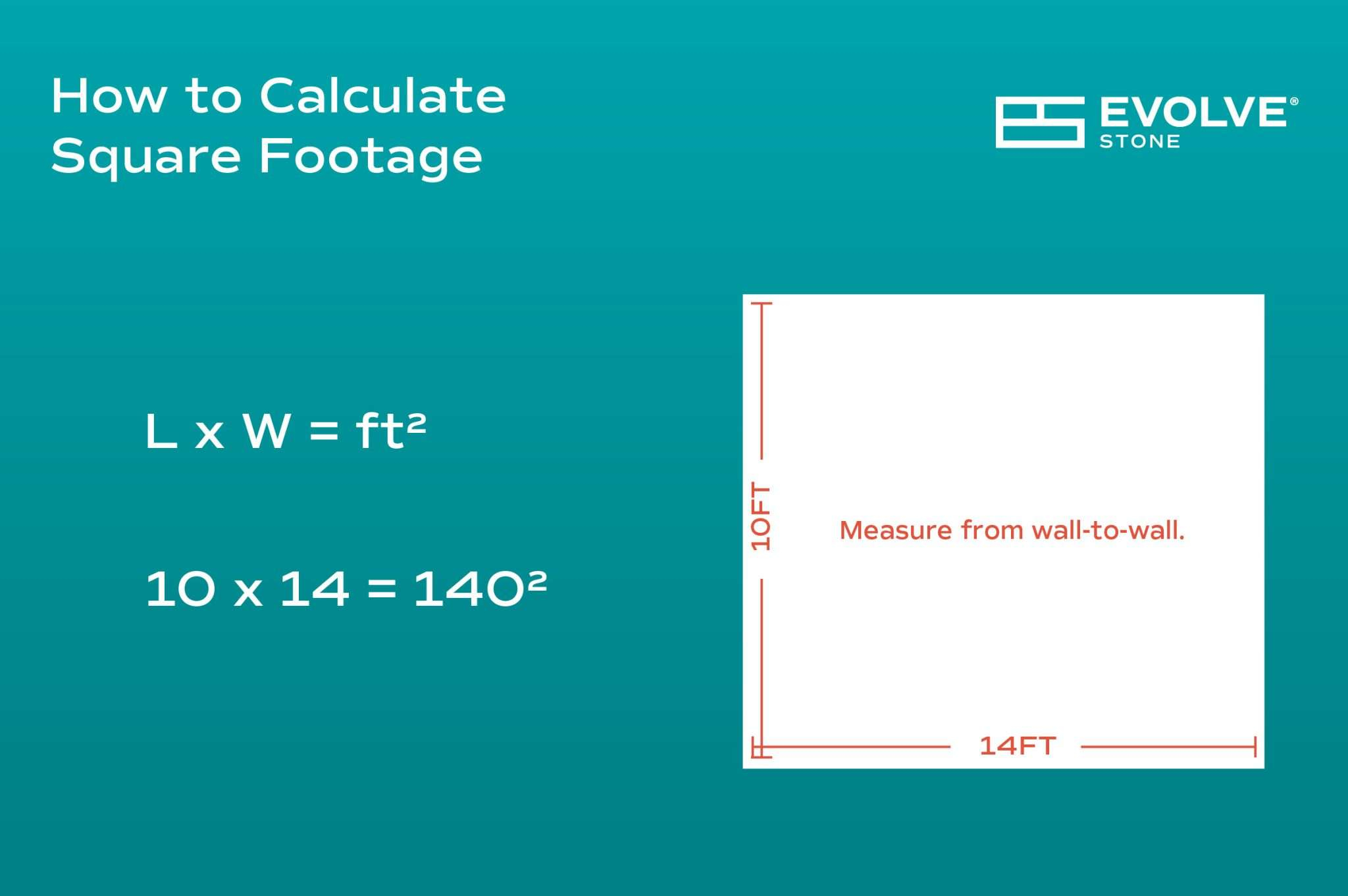
Think about it - when you buy carpet, you usually pay per linear foot, but the room's area is measured in square feet. If your bedroom is 12 feet by 15 feet, that's 180 square feet total. But if you're buying carpet that's 12 feet wide, you need to know how many linear feet you'll require. This isn't just about math - it's about getting exactly what you need without overpaying or running short.
Flooring Installation Scenario
Imagine you're installing hardwood flooring in a rectangular room that measures 16 feet by 20 feet. That's 320 square feet. If the flooring boards are 6 inches wide, you'll need to figure out how many linear feet of material to purchase. Here's how it works: divide the total square footage by the width of the boards (in feet). So 320 divided by 0.5 equals 640 linear feet. Simple, right?
Fencing and Boundary Projects
Fencing is another common place where this conversion becomes important. Say you want to fence in a rectangular garden that covers 1,000 square feet. If you're using fencing panels that are 2 feet high, you still need to calculate linear feet to determine how much fencing material to buy. For example, if your garden is 25 feet long and 40 feet wide, the perimeter is 130 feet. But if you want to fence the entire area, you'd need to consider the actual linear footage of fencing required.
Wallpaper and Paint Calculations
Painting walls involves similar thinking. If you have a wall that's 12 feet wide and 8 feet tall, that's 96 square feet. But if you're buying wallpaper that comes in rolls 2 feet wide, you'll need to figure out how many linear feet of wallpaper you need. In this case, you divide the wall area by the roll width: 96 divided by 2 equals 48 linear feet. It's amazing how these simple calculations can prevent costly mistakes.
Roofing Materials and Shingles
Roofing projects bring their own unique challenges. If your roof needs 1,200 square feet of shingles, and the manufacturer recommends a certain number of linear feet per square foot, you'll need to calculate accordingly. For instance, if a roofing company tells you that 1 square foot requires 1.5 linear feet of material, then 1,200 square feet would equal 1,800 linear feet. This is crucial for estimating material costs accurately.
Practical Tips and Common Mistakes
There are a few things to keep in mind when doing these conversions. First, always double-check your units. Square feet are area measurements, while linear feet are distance measurements. Second, remember that this conversion only works when you know one dimension. You can't simply convert 1,000 square feet to linear feet without knowing the width or height. Here are some quick tips:
• Always measure carefully before starting • Double-check your calculations • Consider waste factor when buying materials • Ask professionals for guidance when in doubt • Keep a calculator handy during projects
Converting square feet to linear feet might seem like a simple math problem, but it's actually a fundamental skill that can save you both time and money. From flooring to fencing, from painting to roofing, these conversions pop up everywhere in real life. The key is understanding that you're dealing with different types of measurements and that one cannot directly substitute for the other. When you know how to make these conversions, you'll find yourself more confident in your home improvement projects and better prepared for any measurement challenge that comes your way. Remember, practice makes perfect, and the next time you see a room or project listed in square feet, try to visualize what those measurements mean in terms of linear footage. It's a skill worth developing, especially if you're planning to tackle any DIY projects.