When you think about the most important room in your house, chances are it's your master bedroom. But what exactly makes a master bedroom feel like a true retreat? Is it the king-sized bed, the walk-in closet, or that spacious bathroom? The answer often lies in the square footage. Let's explore how much space really matters when designing your personal sanctuary.
Picture this: you're lying in bed after a long day, looking around your bedroom. Is it cozy and relaxing, or does it feel cramped and stressful? The answer might not just be about furniture placement or decor—it could be about the actual size of your room. Master bedrooms aren't just sleeping spaces anymore. They've evolved into full-fledged retreats where we unwind, get ready for the day, and sometimes even work or entertain. But how big should they actually be? This question touches on everything from comfort to resale value. Let's break down the numbers and discover what makes a master bedroom truly functional.
What Determines Master Bedroom Size?
The size of a master bedroom isn't just about vanity or luxury—it's rooted in practical needs. When planning this crucial space, several factors come into play. First, consider your lifestyle. Do you need room for a sitting area? Maybe you want a small desk or workspace. Perhaps you're a frequent host and need extra space for guests. The size also depends on your family situation. Are you married? Do you have children? Will you be entertaining regularly? These questions shape the space you'll need. Then there's the matter of local building codes and regional preferences. In some areas, bigger homes are standard, while others favor more compact designs. It's also worth noting that many people want their master suite to feel like a private getaway. That means having enough room for a comfortable bed, adequate storage, and perhaps even a small seating area. The goal isn't to build a mansion—it's to create a space that feels right for you.
Average Square Footage Ranges
So what's considered normal for a master bedroom? The numbers vary quite a bit depending on region and home type. On average, most master bedrooms fall between 250 and 400 square feet. That's roughly the size of a large living room or a modest dining room. For those living in larger homes or newer developments, you might see master suites ranging from 400 to 600 square feet. Some luxury properties feature master bedrooms that stretch well beyond 800 square feet. However, let's not forget that these are just averages. Many homes today feature master suites that are significantly smaller than what's typical in older homes or rural areas. The key insight here is that square footage alone doesn't tell the whole story. It's about how efficiently you use the available space. A 300-square-foot master bedroom can feel spacious if designed well, while a 500-square-foot space might feel tight if poorly planned.
Essential Components and Their Space Needs
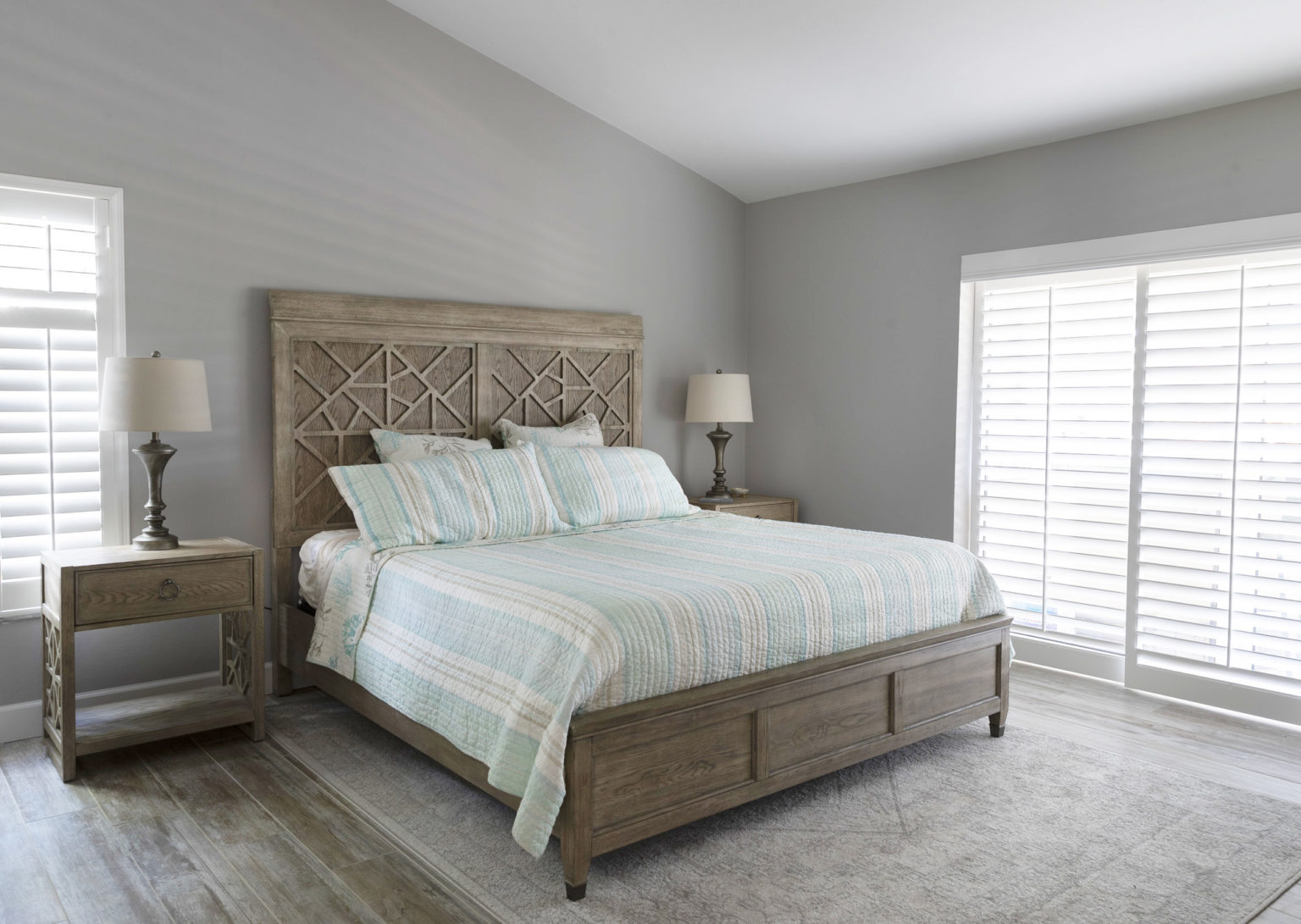
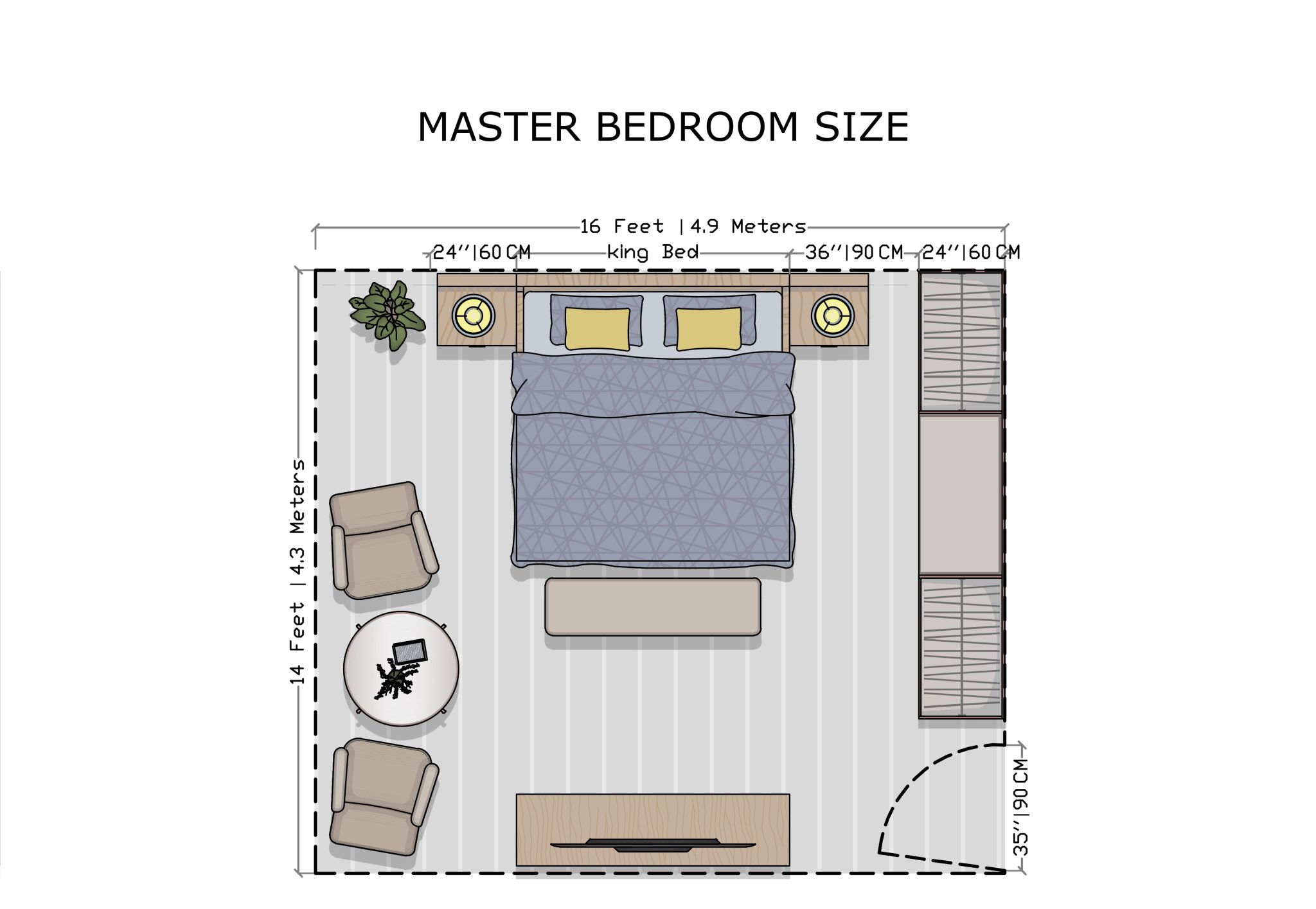
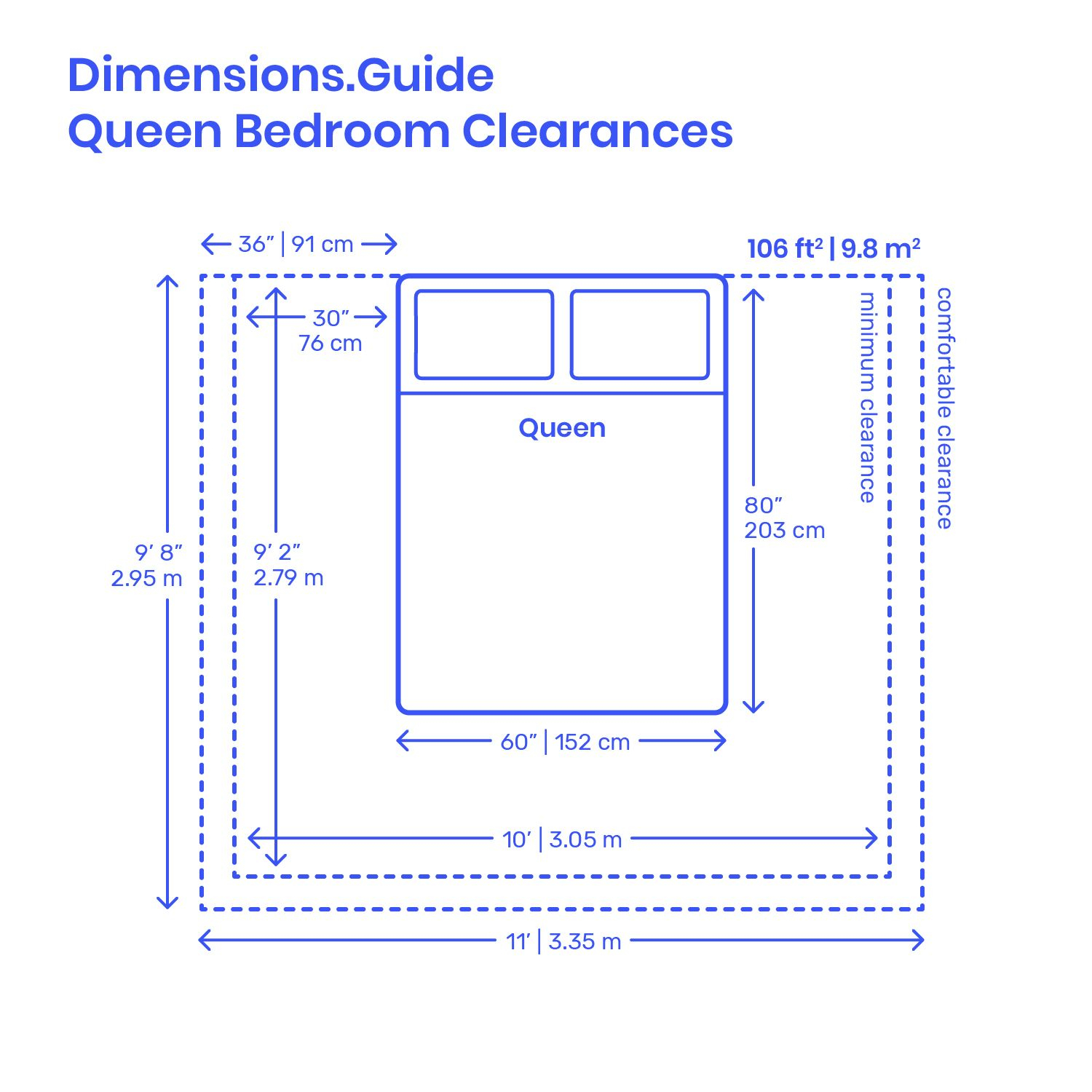
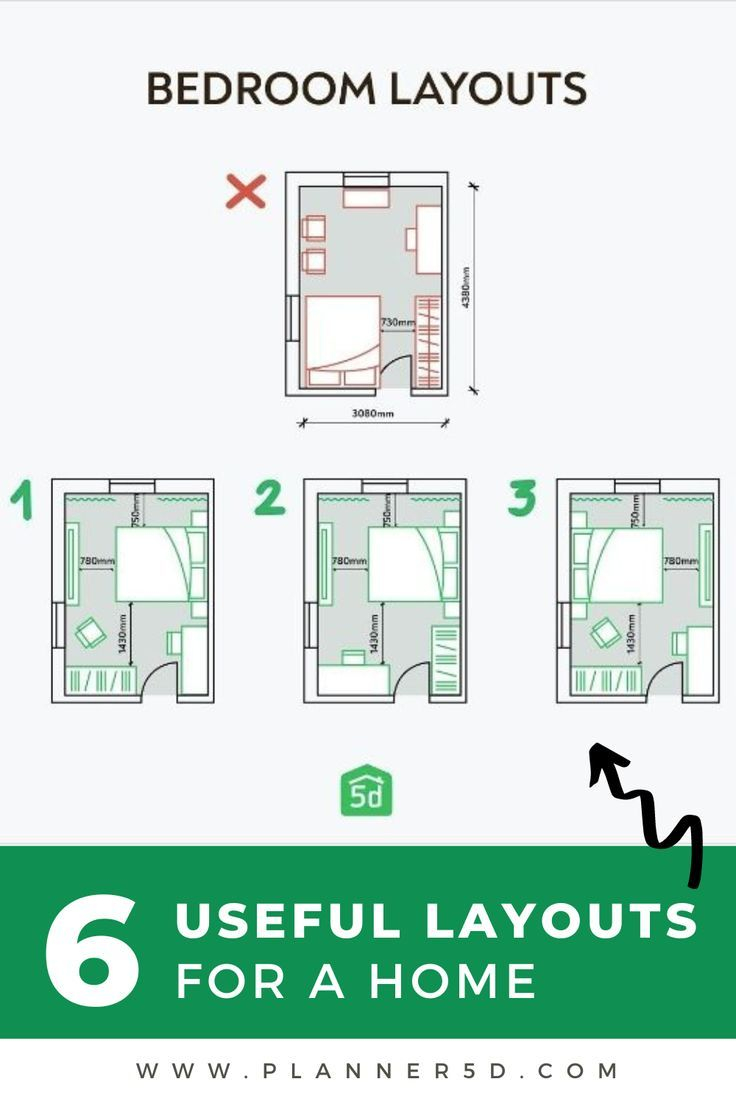
Every master bedroom needs certain elements to function properly. The bed itself takes up significant space—typically requiring a minimum of 12 feet by 12 feet to accommodate a king-size bed with enough clearance on all sides. If you're considering a queen or full-size bed, you'll need about 10 feet by 12 feet. Beyond the bed, you'll want to account for nightstands, a dresser, and perhaps a small seating area. Storage is another major factor. A walk-in closet can easily require 100 to 200 square feet, especially if you plan to include a seating area or workspace within it. The bathroom adds another dimension—especially if it includes a separate shower and bathtub. These additional features can increase the overall master suite size by 50 to 100 square feet. Think about it this way: every element you add to your master suite needs space to breathe. That's why understanding the components and their needs is so crucial.
Regional Variations and Cultural Influences
Where you live plays a surprisingly big role in how much space you'll find in your master bedroom. In urban areas, space is at a premium, so master suites tend to be smaller and more efficient. You might find a 250-square-foot master bedroom that's packed with smart storage solutions and multi-functional furniture. In contrast, suburban and rural homes often provide much more generous spaces. These homes might feature master suites that are 500 square feet or more. Cultural preferences also influence design choices. Some cultures prefer larger, more open spaces, while others prioritize efficiency and compactness. In Europe, for example, master bedrooms are often smaller but highly functional, whereas American homes tend to offer more generous room sizes. Even within the same country, regional differences can be striking. California homes may be more compact due to cost considerations, while homes in Texas or Florida might feature larger master suites.
Design Considerations for Optimal Space Usage
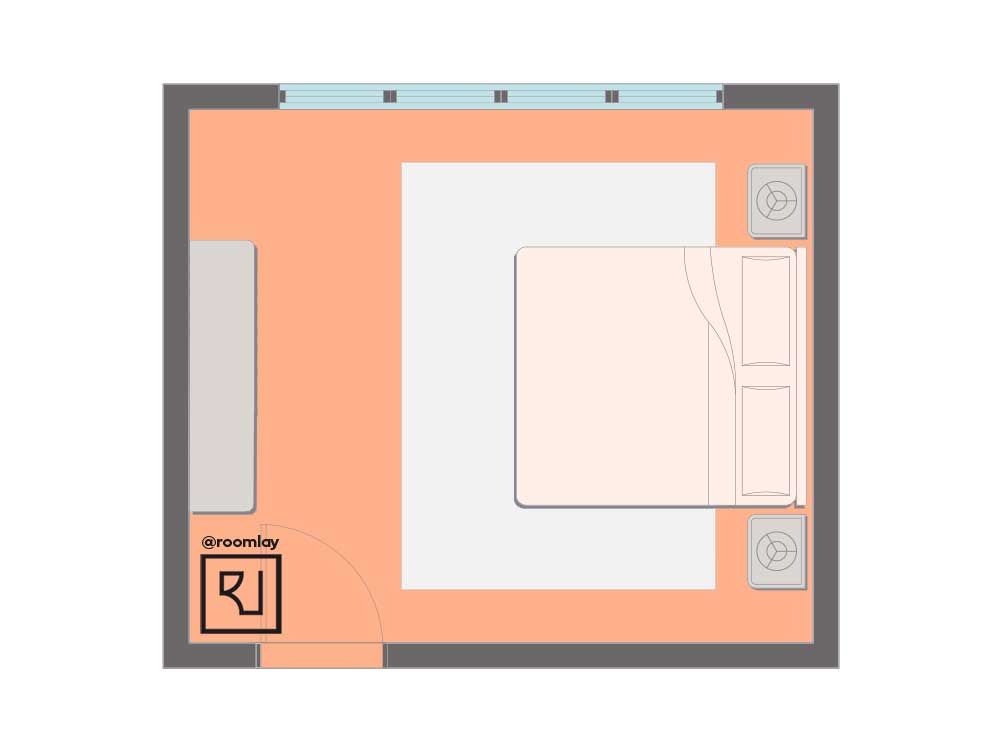
Once you know how much space you have, it's time to think about how to use it wisely. Smart design decisions can make even a smaller master bedroom feel expansive. Start with the layout. Open floor plans can create the illusion of more space, while closed-off rooms might feel confining. Consider the flow of traffic through the room. You don't want to bump into furniture when getting dressed or getting ready for bed. Light is another crucial factor. Natural light can make a small room feel airy and welcoming, while poor lighting can make even large spaces feel dark and cramped. Storage solutions should be both functional and visually appealing. Built-in closets, under-bed storage, and multi-purpose furniture can help maximize your space. Finally, think about flexibility. Can the room adapt to changing needs? As your life circumstances change, will your master bedroom still serve you well?
Budget Implications and Value Considerations
Size directly impacts both the cost and value of your home. Larger master bedrooms typically mean higher construction costs and increased material expenses. Building a 600-square-foot master suite will cost significantly more than a 300-square-foot one. But here's the interesting part: bigger isn't always better when it comes to return on investment. Real estate experts suggest that adding a few hundred square feet to your master bedroom can boost your home's value, but only up to a point. Beyond that, the added cost might not translate to proportional increases in sale price. Some buyers might prefer a smaller, more efficiently designed space over a larger, poorly planned one. It's also worth noting that in today's market, buyers are increasingly interested in functional, well-designed spaces rather than simply large ones. The key is finding the sweet spot that meets your needs without breaking your budget or potentially affecting your home's marketability.
Understanding master bedroom square footage isn't just about numbers—it's about creating a space that truly works for your lifestyle. Whether you're planning a new home or renovating an existing one, knowing what's realistic and necessary can save you time, money, and frustration. Remember that size matters, but so does how you use that space. A thoughtfully designed 300-square-foot master bedroom can be more satisfying than a poorly planned 600-square-foot one. The goal isn't to create the largest room possible, but rather the most comfortable and functional one for your specific needs. As you plan your master suite, keep in mind that it should feel like a true escape from the world outside. With the right balance of space, design, and purpose, your bedroom can become the perfect sanctuary you've always dreamed of.