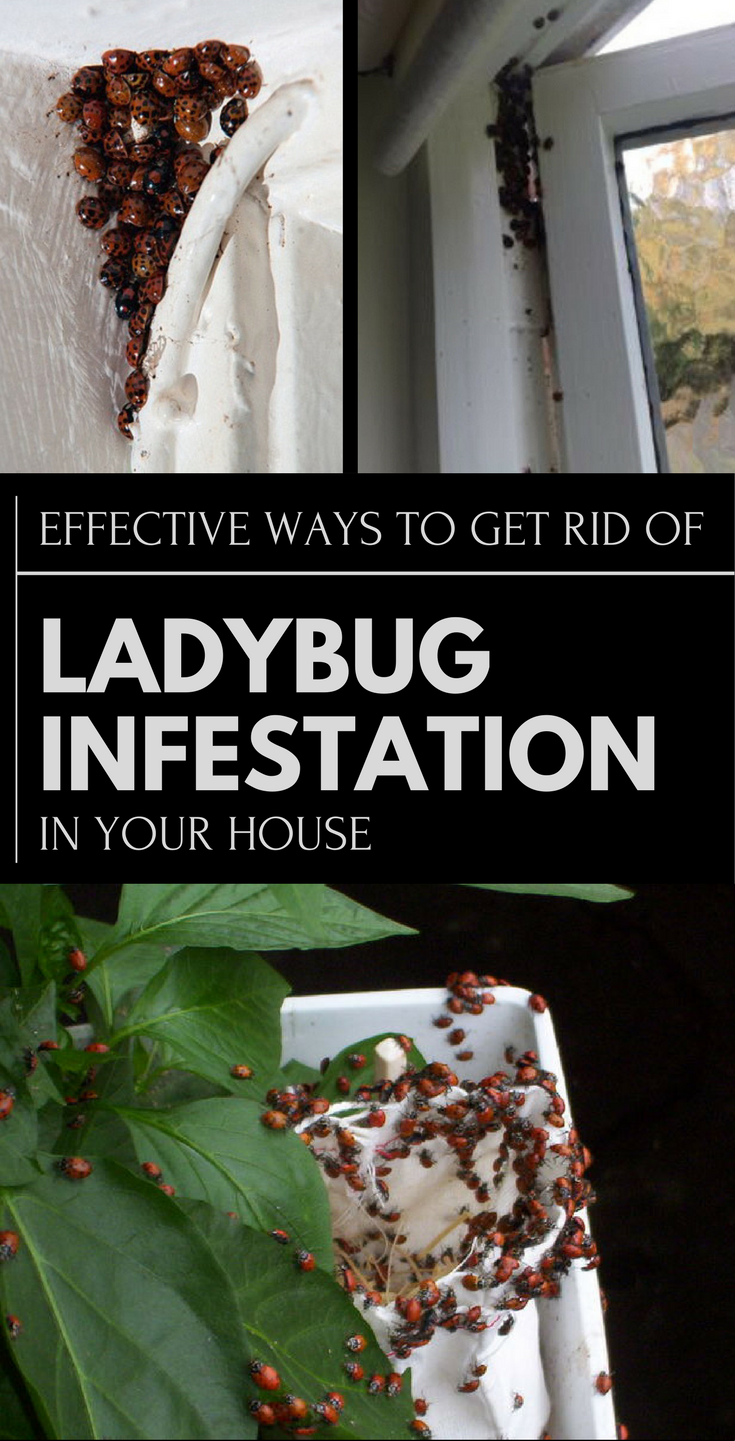
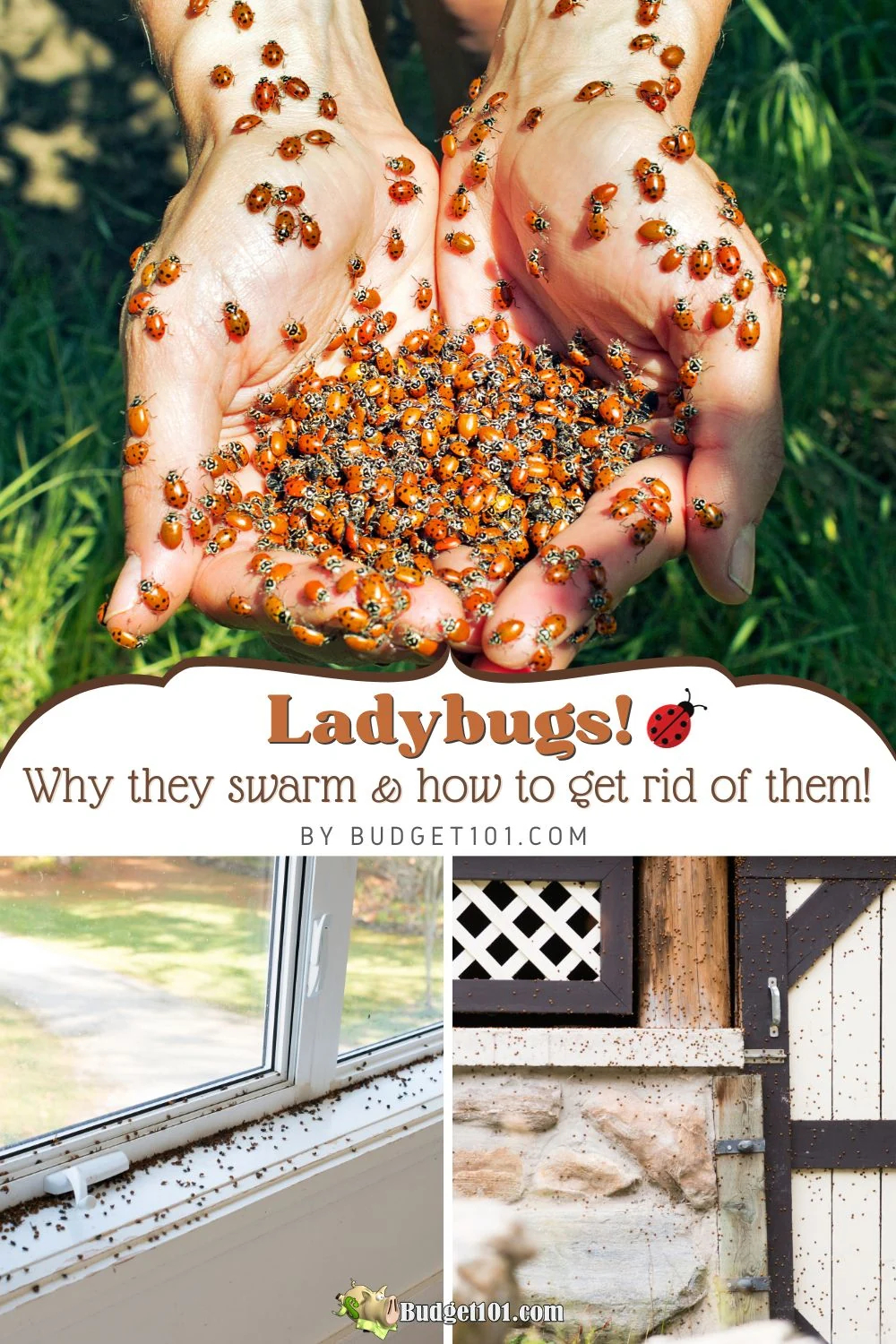
Picture this: you're settling in for a cozy evening when suddenly you notice dozens of tiny, colorful beetles scuttling across your walls. These aren't just ordinary bugs – they're ladybugs. While many people love these beneficial insects, their sudden appearance in homes can be quite unsettling. What's even more frustrating is when they seem to find their way through every crack and crevice imaginable. The good news? You don't have to live with these unexpected guests. With the right knowledge and approach, you can keep them out of your living space.
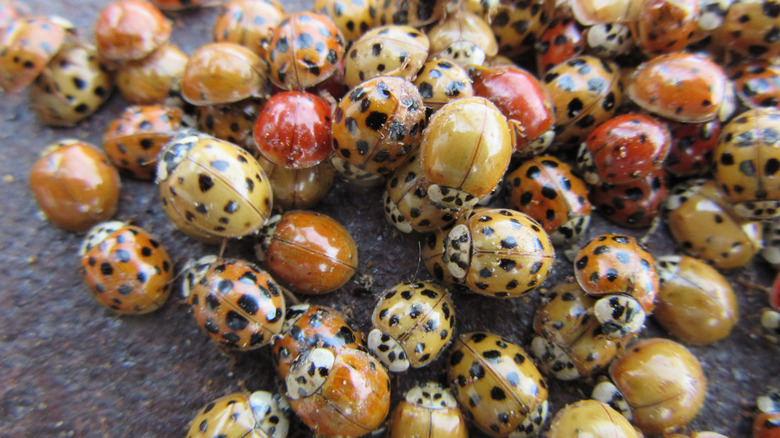
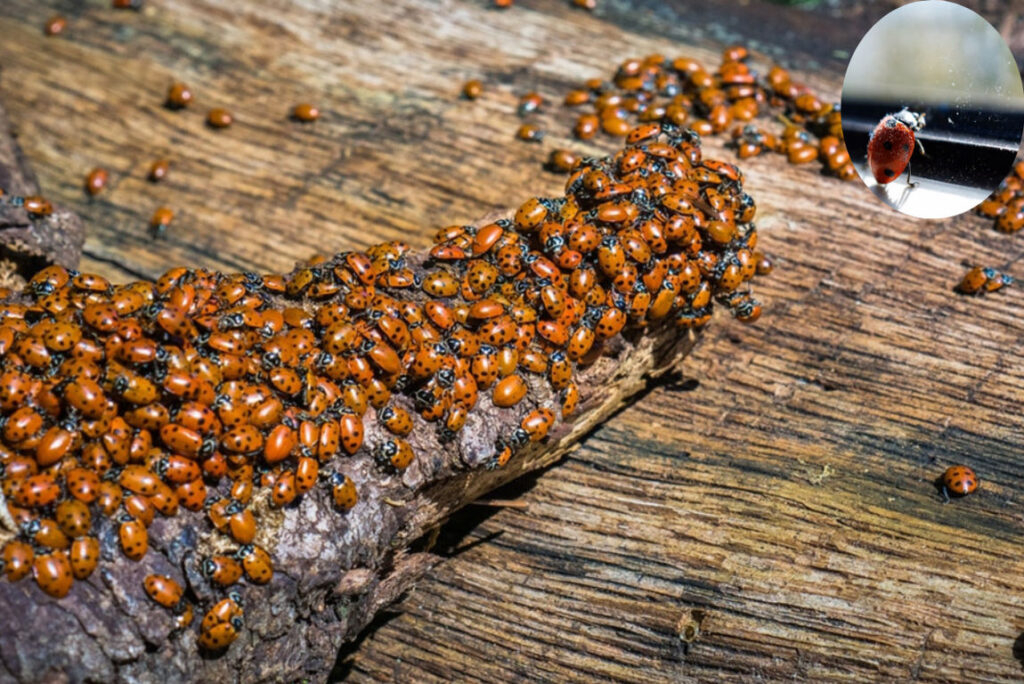
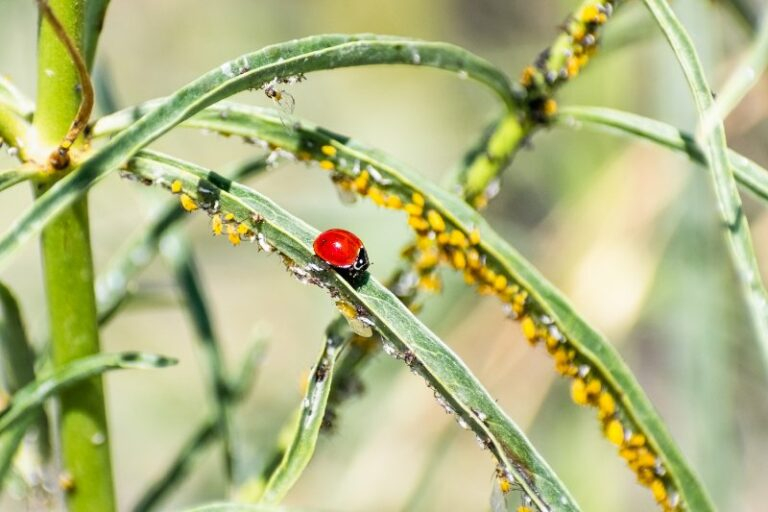
Ladybugs, those cheerful little beetles with their red shells and black spots, are generally seen as friendly visitors in gardens and farms. They're actually beneficial creatures that eat aphids and other harmful pests. However, when autumn arrives, these insects begin searching for places to overwinter, and unfortunately for us, our homes often become their preferred destination. This migration can happen suddenly, sometimes with hundreds of ladybugs appearing overnight. Understanding why they come and how to deal with them properly makes all the difference between a peaceful home and one filled with unwelcome guests.
Why Ladybugs Enter Homes
Ladybugs don't just stumble into your home by accident. They're actually following instinctual behaviors that have been honed over millions of years. As temperatures drop in fall, these insects seek out warm, protected spaces to spend the winter months. Your home provides exactly what they're looking for – a cozy environment away from harsh weather and predators.
Several factors make your house particularly attractive to ladybugs:
• Temperature control – Your home stays relatively warm compared to the outdoors • Protection from weather – Windows, doors, and walls shield them from rain and cold • Food availability – Even though they don't feed much during winter, they may find residual food sources • Dark hiding spots – Attics, basements, and wall cavities offer perfect shelter
The timing of their arrival is usually around September through November, depending on your location and local climate conditions. You might notice them gathering around windowsills or entering through small openings in your home's exterior.
Common Entry Points
Ladybugs are surprisingly good at finding ways into homes, even when you think you've sealed everything up. Their small size allows them to slip through gaps that seem impenetrable to the human eye. Here are the most common entry points:
• Cracks in siding – Small gaps in wood or vinyl siding provide easy access • Window and door frames – Weather stripping deteriorates over time, creating openings • Gaps around pipes – Utility lines that pass through walls often have small spaces • Vents and exhaust fans – These openings can serve as unexpected doorways • Loose roofing shingles – Especially around eaves and gutters • Foundation cracks – Even tiny fissures in concrete can let them in
The key insight is that ladybugs are incredibly persistent. They'll find a way in if there's even a small gap. A study conducted by entomologists found that these insects can squeeze through openings as small as 1/8 inch wide, which means even the tiniest gaps matter.
Prevention Strategies
Preventing ladybugs from entering your home is far easier than dealing with them once they're inside. The best approach involves a combination of sealing, cleaning, and maintaining your home's exterior.
Here are some effective prevention methods:
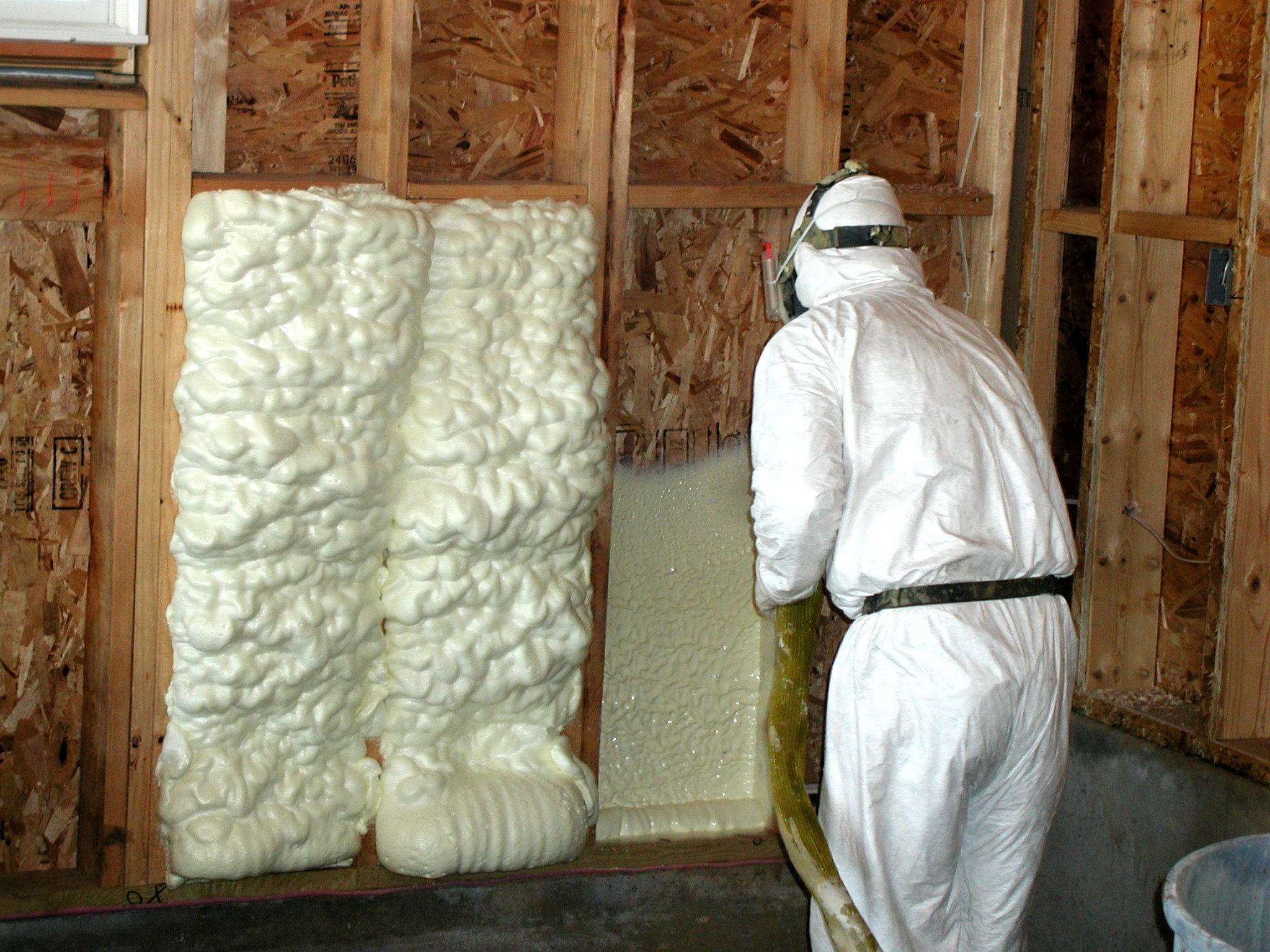
• Seal cracks and gaps – Use caulk to close up any visible openings around windows, doors, and siding • Install weatherstripping – Replace old or worn weatherstripping on doors and windows • Fix loose shingles – Address any damaged roofing materials before fall • Clean gutters regularly – Remove debris that might attract ladybugs to your roof • Use screens – Ensure all vents and exhaust fans have proper screening • Trim vegetation – Keep plants and trees away from your home's exterior walls
One gardener in Ohio shared how she prevented a major ladybug invasion by simply caulking around her windows and doors in early September. She reported no ladybugs in her home all winter long, while neighbors were dealing with hundreds of them. It's amazing how simple preventative steps can make such a big difference.
Natural Removal Methods
When ladybugs do make their way indoors, you don't need to resort to harsh chemicals or insecticides. Several natural approaches work effectively without harming the insects or your family.
The most straightforward method is physical removal:
• Vacuuming – Use a vacuum cleaner to collect ladybugs, then release them outside • Sweeping – Gently sweep them into a container and relocate them • Glass and paper technique – Place a glass over a ladybug, slide paper underneath, and release outside
For larger groups, consider using a container with a lid and a small opening. Pour a little soapy water into the container, then gently guide the ladybugs into it. They'll sink and won't be able to escape. The soap breaks down their protective outer layer.
Some people prefer to simply open windows and let them go outside naturally. This works best when ladybugs are gathered in one area and you have good weather conditions. Many ladybugs are actually attracted to light, so they might naturally move toward windows anyway.
Chemical-Free Solutions
While many people are hesitant to use chemicals near their families, there are several effective alternatives that don't involve spraying pesticides or insecticides. These solutions focus on creating environments that discourage ladybugs rather than killing them.
• Essential oils – Peppermint oil mixed with water in a spray bottle can repel ladybugs. Simply spray around entry points and areas where they gather • Diatomaceous earth – This natural powder creates a barrier that ladybugs avoid crossing. Sprinkle it around windowsills and doorways • Cedar chips – Place cedar mulch or cedar chips near entry points; ladybugs dislike the scent • Vinegar solution – Mix equal parts white vinegar and water in a spray bottle and apply to areas where ladybugs appear
These methods work because ladybugs are sensitive to certain scents and textures. The key is applying them consistently and reapplying after rain or heavy traffic. One homeowner in Pennsylvania reported success with peppermint oil spray, noting that ladybugs stayed away from areas where she applied it regularly.
Seasonal Considerations
Ladybug behavior changes significantly with the seasons, and understanding these patterns helps you plan your approach. During late summer and early fall, ladybugs are actively seeking overwintering sites. They're more aggressive about finding shelter, which means they're more likely to try multiple entry points.
Once they've entered your home, they typically remain inactive for several months. They don't eat much during winter, and their metabolism slows considerably. This is actually good news for homeowners because it means they won't cause damage to furniture or fabrics.
Spring brings a different challenge. As temperatures rise, ladybugs become more active again and may try to exit your home. This is when they're most visible and potentially annoying. Many people find that ladybugs start leaving their hiding spots in March or April, sometimes in large numbers.
The timing of your prevention efforts matters greatly. If you're planning to address ladybugs before they arrive, focus your attention in late summer. If they're already inside, the best time to remove them is in spring when they're more active and easier to catch.
What to Do When They're Already Inside
If you're reading this because ladybugs are already inside your home, don't panic. There are several effective strategies for managing the situation. The first step is assessing how many you have and where they're located.
• Identify gathering spots – Ladybugs tend to congregate in similar areas like corners, under eaves, or near windows • Create barriers – Use a flashlight to locate them, then gently block off areas to prevent spreading • Prepare collection tools – Have a vacuum cleaner ready, or gather containers and paper for manual collection • Plan your removal strategy – Decide whether you want to remove them all or just the most visible ones
If you're dealing with a large number of ladybugs, consider calling a professional pest control service. While ladybugs aren't harmful, their presence can be distressing to some people. Many pest control companies offer ladybug removal services that use gentle, non-toxic methods.
A common mistake people make is trying to kill ladybugs with harsh chemicals, which isn't necessary and can create additional problems. Ladybugs are actually beneficial insects that help control garden pests, so removing them alive is preferable whenever possible.
Long-Term Management
Managing ladybugs in your home requires a long-term perspective. Prevention is always better than cure, but even when you've had an issue, you can take steps to ensure it doesn't happen again.
Key elements of long-term management include:
• Regular maintenance – Check for new cracks or gaps each year, especially before fall • Weatherproofing updates – Replace weatherstripping and caulk as needed • Exterior upkeep – Keep your home's exterior well-maintained to reduce entry points • Seasonal monitoring – Pay attention to ladybug activity in late summer and early fall • Community awareness – If you live in an area where ladybugs are common, share prevention tips with neighbors
Some homeowners develop a routine of checking their home's exterior in late summer and early fall. This proactive approach helps identify potential problems before they become serious. One woman in New England shared that she now does a thorough inspection of her home's exterior each September, which has kept her ladybug-free for several years running.
Remember, ladybugs are part of nature's ecosystem. While they can be annoying when they enter homes, they're actually helpful in gardens and farms. The goal isn't to eliminate them entirely but to manage their presence in a way that works for your lifestyle.
Dealing with ladybugs in your home doesn't have to be a stressful experience. By understanding their behavior, recognizing common entry points, and taking preventive measures, you can significantly reduce the likelihood of them entering your space. When they do show up, there are plenty of gentle, effective methods for removing them without causing harm to the insects or your family.
The key takeaway is that ladybugs are opportunistic creatures that simply want to survive the winter. They're not trying to invade your personal space – they're just looking for a safe place to spend the cold months. With a little preparation and the right techniques, you can coexist peacefully with these beneficial insects while keeping your home comfortable and ladybug-free.
Whether you're preventing them before they arrive or removing them after they've gotten inside, remember that patience and consistency are your best allies. These tiny creatures are resilient, but they're also manageable with the right approach. So the next time you spot a ladybug in your home, you'll know exactly what to do – and more importantly, how to keep them from returning.