French doors have been gracing homes and buildings for centuries. These elegant doorways aren't just about looks – they're functional masterpieces that blend form and function beautifully. Whether you're considering installing them or simply curious about their magic, understanding how they work can transform your perspective on these remarkable architectural elements.
Picture this: You're standing in your living room, looking out at a beautiful garden or stunning view. The morning light streams in through large windows, and there's a sense of openness that makes you feel connected to the outdoors. Now imagine having a doorway that seamlessly blends indoor and outdoor spaces. That's exactly what French doors offer. These doors have been captivating homeowners and architects alike for generations, and for good reason. They're not just entry points – they're statements of style and practicality rolled into one.
What Are French Doors?
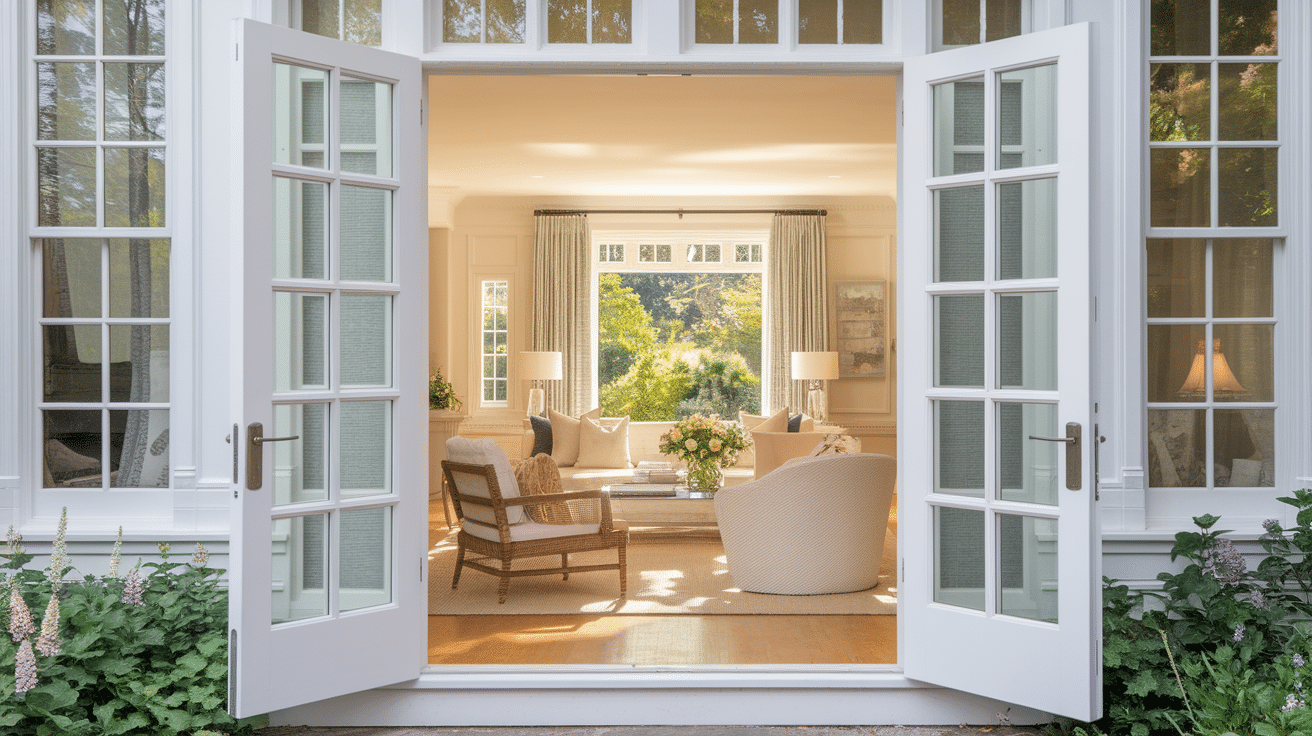
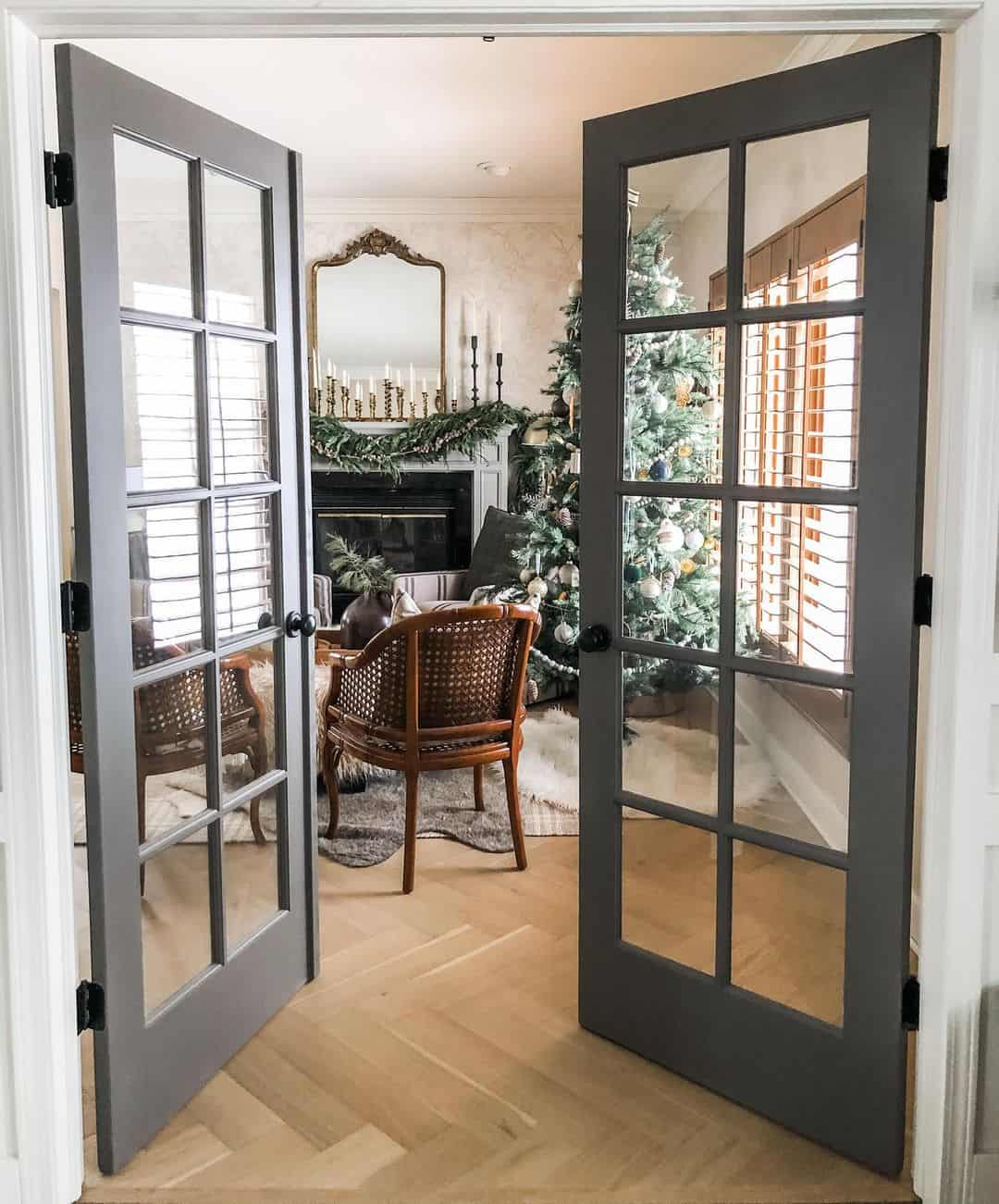
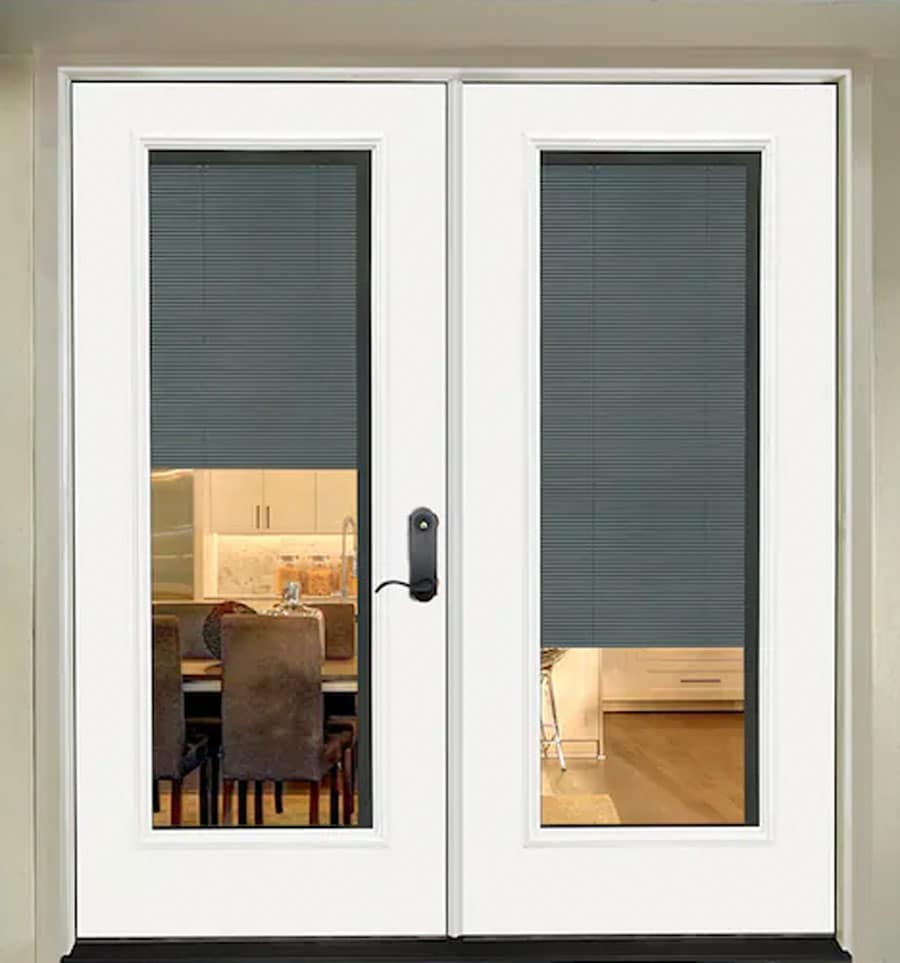
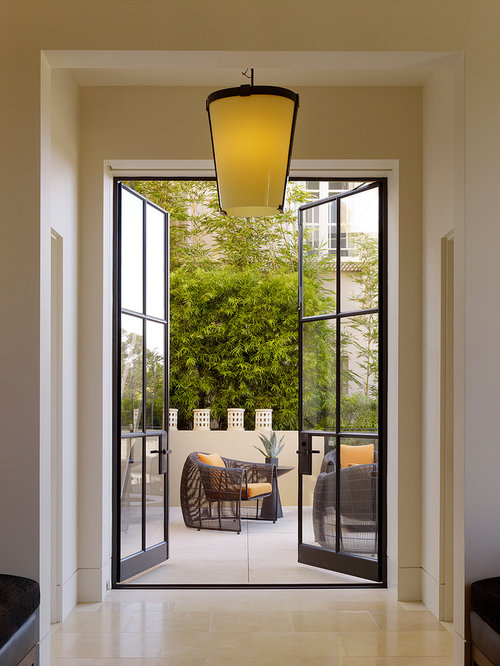
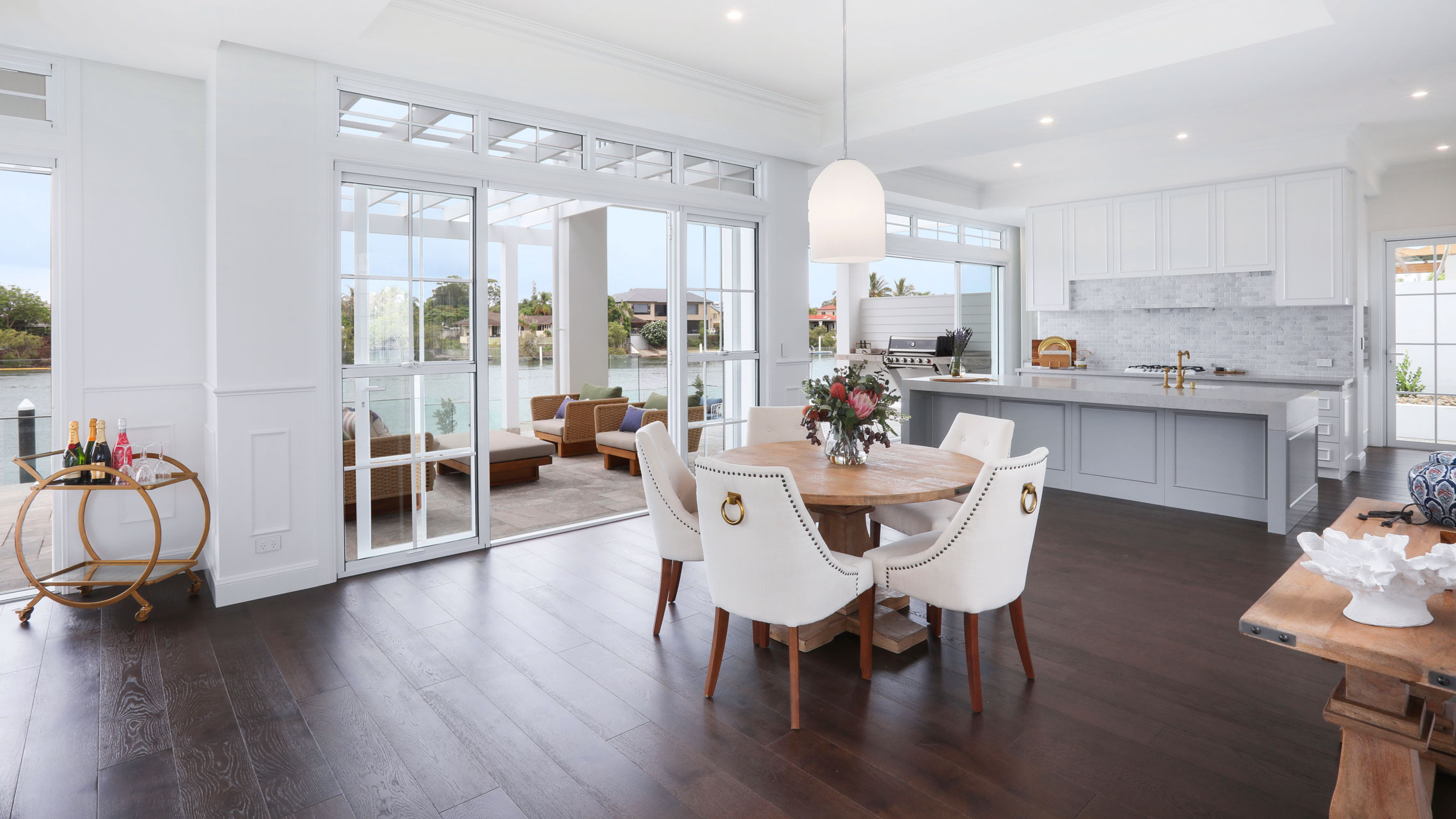
French doors are sliding or hinged doors that feature large glass panes, often spanning the entire height of the door. Unlike traditional doors with small windows, French doors maximize natural light and create a visual connection between rooms or spaces. The name comes from their historical roots in France, where such doors were popular in aristocratic homes during the 17th and 18th centuries.
These doors typically consist of two panels that either slide past each other or swing open like regular doors. The glass components allow for excellent visibility and let in plenty of sunlight, making them perfect for creating bright, airy spaces. Many French doors also feature decorative elements like stained glass or ornate hardware that add character to any room.
How French Doors Work
There are two main types of French doors, each with their own mechanism:
Sliding French Doors: These doors move horizontally along tracks, similar to a sliding window. The panels glide past each other, creating a wide opening when fully opened. They're particularly useful in spaces where swinging doors might be problematic due to limited clearance.
Hinged French Doors: These operate like standard doors, swinging outward or inward on hinges. They're more common in residential settings and provide a classic look that many homeowners prefer.
The key to their functionality lies in their construction. The large glass sections are usually made of tempered glass, which is stronger than regular glass and safer if broken. The frames are typically constructed from wood, vinyl, aluminum, or composite materials, each offering different benefits in terms of insulation, durability, and maintenance.
Benefits of Installing French Doors
French doors bring numerous advantages to any space:
• Natural Light: The large glass panels flood rooms with daylight, reducing the need for artificial lighting during daytime hours • Visual Connection: They create a seamless transition between indoor and outdoor spaces, making rooms feel larger and more open • Energy Efficiency: Modern French doors come with insulated frames and double-glazed glass, helping to regulate temperature • Aesthetic Appeal: They add architectural beauty and can serve as focal points in any room • Easy Access: Sliding versions offer convenient entry and exit without requiring clearance space • Versatility: Can be used for interior room dividers or exterior entrances
Many homeowners find that French doors dramatically change the feel of their space. A simple kitchen can suddenly feel more sophisticated, while a small bedroom can appear much larger with the right French door installation.
Types of French Doors Available
Not all French doors are created equal. Here are the main varieties you'll encounter:
Exterior French Doors: These are built to withstand weather conditions and often feature reinforced frames and weatherstripping. They're ideal for front or back entrances and can be single or double doors.
Interior French Doors: Designed for room separation within homes, these focus more on aesthetics and sound dampening rather than weather resistance.
Sliding French Doors: Perfect for patios or areas where space is limited. They slide along tracks and require minimal clearance.
Bi-Fold French Doors: These fold back on themselves, creating a wide opening that can be easily managed in tight spaces. They're becoming increasingly popular for modern homes.
Patio Doors: Often considered a subset of French doors, these are specifically designed for connecting indoor and outdoor living spaces, typically featuring sliding mechanisms and large glass panels.
Installation Considerations
Installing French doors properly requires attention to several important factors:
Proper Measurements: Accurate measurements are crucial. Even a small error can lead to gaps or difficulty in closing the doors properly. Measure the rough opening carefully, accounting for any existing trim or siding.
Frame Material Selection: Consider your climate and maintenance preferences. Wood offers classic beauty but requires regular upkeep. Vinyl and aluminum are low-maintenance options that resist weather damage.
Weatherproofing: For exterior doors, proper sealing is essential. Look for doors with quality weatherstripping and drainage systems to prevent water infiltration.
Professional Installation: While some DIY enthusiasts might attempt installation, professional help ensures proper alignment and security. Improper installation can compromise both functionality and safety.
Remember that the door frame must be perfectly square and level. Any misalignment will affect how well the doors close and seal, potentially leading to drafts, noise, or even security issues.
Maintenance and Care Tips
Like any architectural element, French doors require proper care to maintain their beauty and functionality:
• Regular Cleaning: Wipe down glass panels with appropriate cleaners to keep them clear and streak-free • Check Hardware: Inspect hinges, handles, and locks regularly for wear or loosening • Lubricate Moving Parts: Apply lubricant to sliding tracks and hinges to ensure smooth operation • Weatherproofing Maintenance: Check seals and gaskets periodically, replacing them as needed • Protect from Moisture: Especially important for exterior doors, keeping them dry helps prevent warping or damage
The key to longevity is consistent attention to detail. A well-maintained set of French doors can last decades, providing both beauty and function. Many homeowners report that their French doors become more beautiful over time with proper care, developing a patina that adds character rather than detracting from it.
French doors represent more than just a way to enter or exit a space – they're architectural elements that transform how we experience our homes. From their historical origins to their modern applications, these doors continue to evolve while maintaining their core appeal. Whether you're drawn to their ability to flood rooms with natural light, their elegant appearance, or their practical functionality, French doors offer something special for every homeowner.
The investment in quality French doors pays dividends in comfort, aesthetics, and even energy efficiency. With proper installation and ongoing maintenance, they can become a defining feature of your home. So the next time you see a beautiful set of French doors, remember that behind those elegant panels lies a thoughtful design that's been refined over centuries, bringing light, air, and connection into our living spaces. They're not just doors – they're gateways to better living.