Picture this: You're shopping for a new bathroom fixture, and you're staring at rows of tubs with numbers that seem to make no sense. What do those measurements actually mean? How big is 'big' when it comes to bathtubs? These questions aren't just academic—they affect everything from your daily routine to your home's resale value.
Bathtubs might seem like simple fixtures, but their sizes vary dramatically, and choosing the right one can feel like solving a puzzle. Whether you're renovating a bathroom or simply trying to understand what fits in your space, knowing standard bathtub dimensions helps you make informed decisions. Think about it—your bathtub isn't just a place to wash away the day's stress. It's a significant part of your home's layout and function. The size you choose impacts how much room you need, how much water it holds, and even how you move around your bathroom.
Standard Residential Bathtub Sizes
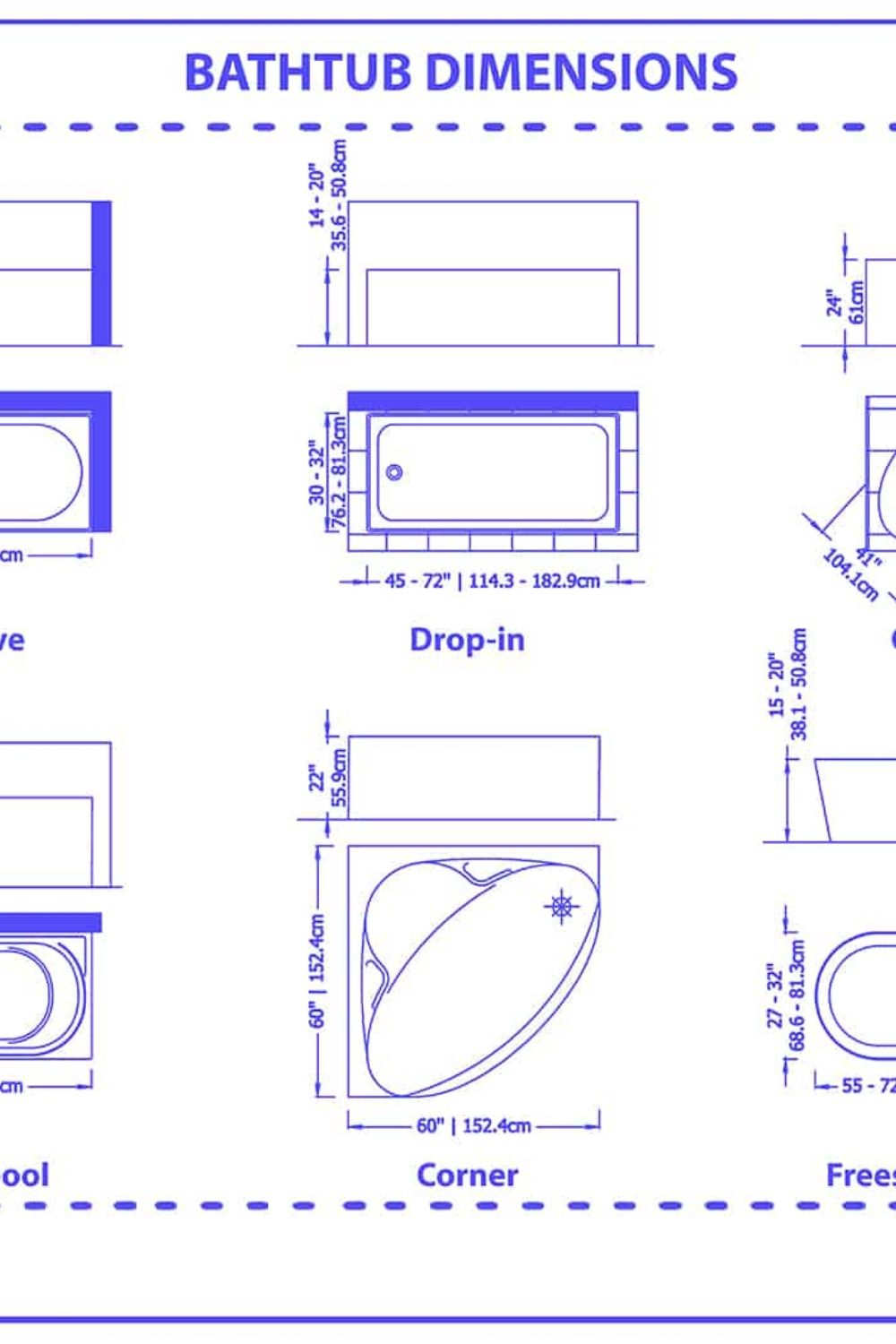
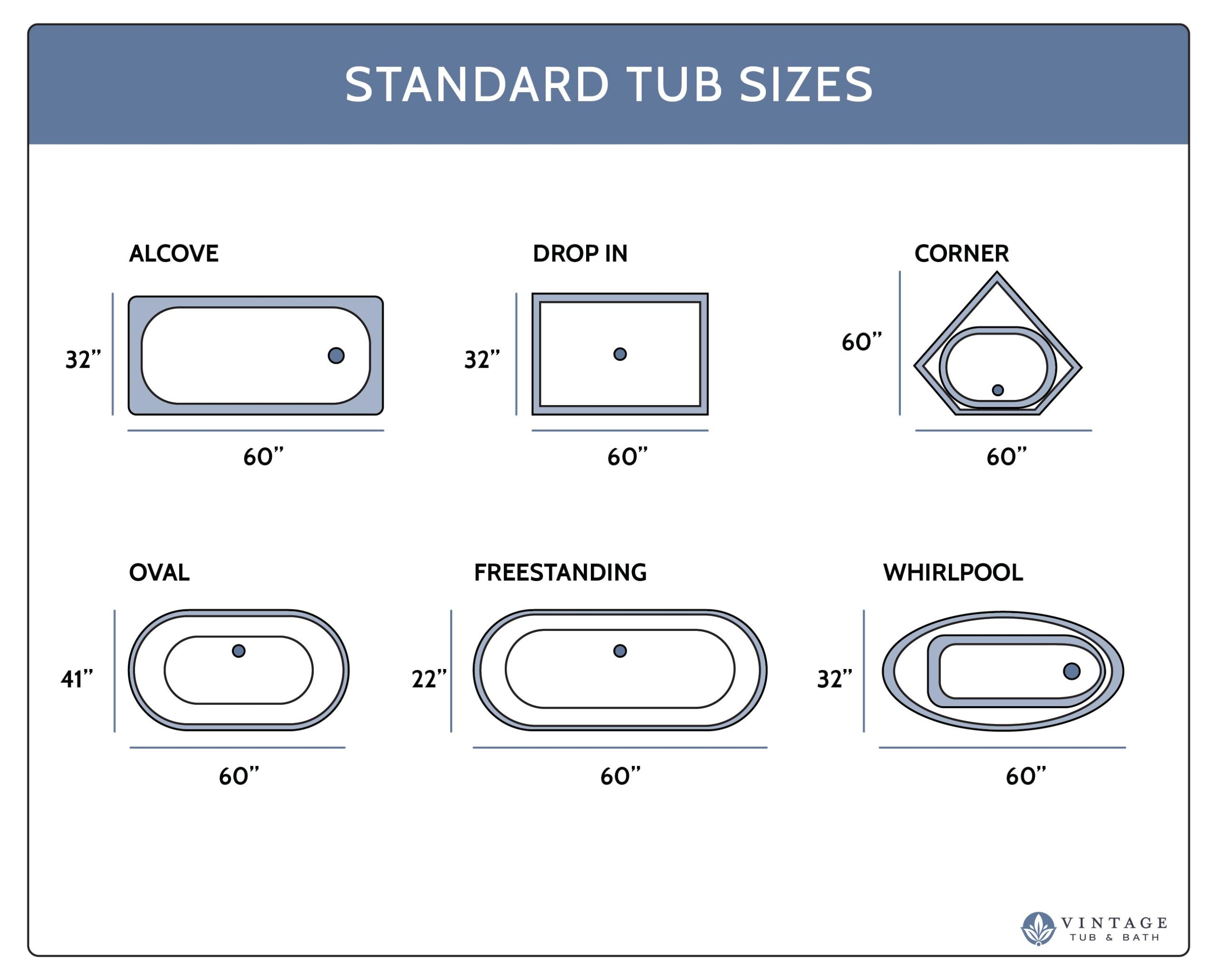
Most residential bathtubs fall into a few familiar categories. The most common are the standard bathtub, the large bathtub, and the compact model. Standard bathtubs typically measure 60 inches in length, 30 inches in width, and 14 to 16 inches in depth. That's roughly the size of a small pool table. These dimensions work well for most families because they offer enough room for two people to sit comfortably side-by-side.
But here's where things get interesting. Some people prefer larger models. Large bathtubs can stretch up to 72 inches in length, providing more space for lounging or soaking. These are especially popular in master bathrooms where luxury and relaxation take priority. Meanwhile, compact bathtubs, often found in smaller homes or guest bathrooms, measure around 48 inches in length and 30 inches in width. They're perfect for tight spaces but sacrifice some comfort for efficiency.
Why Size Matters More Than You Think
Bathtub dimensions affect more than just fit. Consider how much space you have available. If your bathroom is already cramped, a 72-inch tub might not fit. On the flip side, if you have a spacious bathroom, a larger tub could be worth the investment. Water capacity also changes with size. A standard 60x30 tub holds approximately 25-30 gallons of water. That's enough to fill it almost completely, but not quite full.
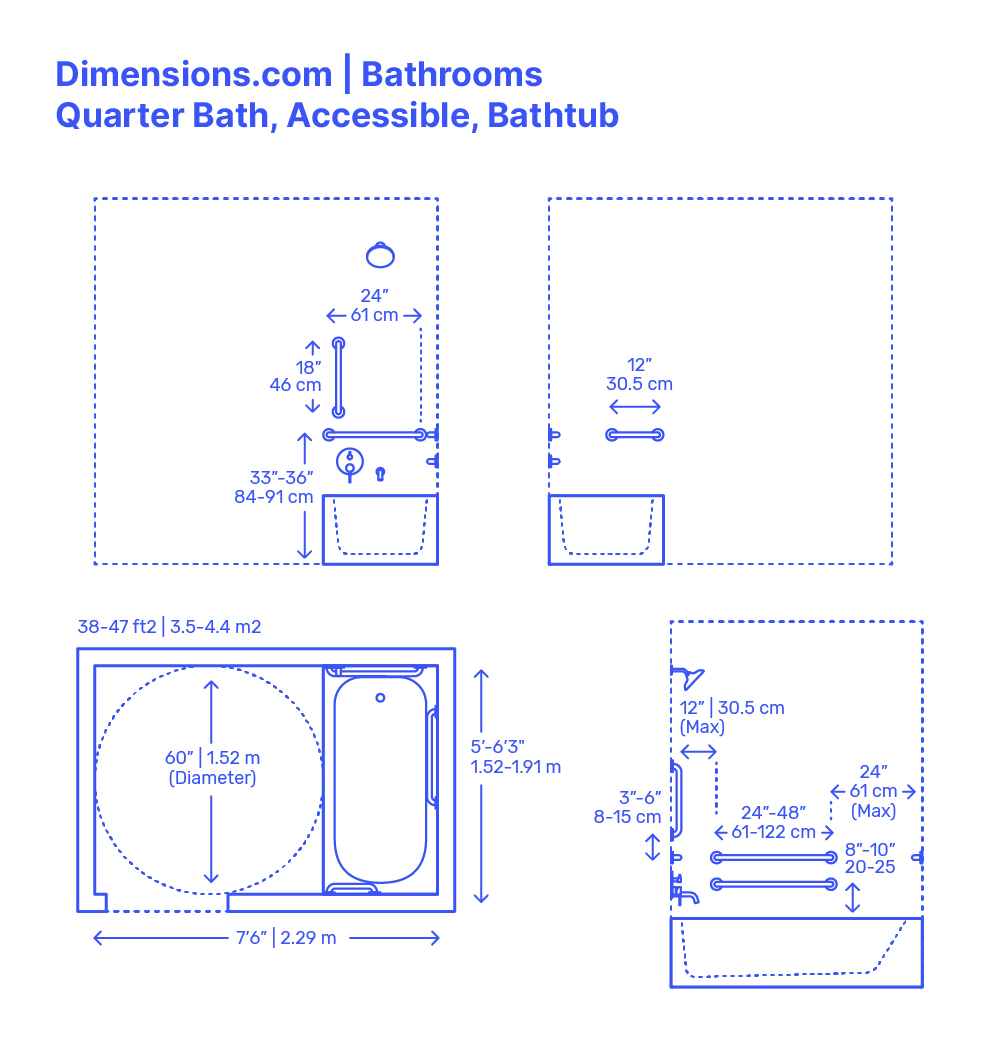
Think about your family's needs. Do you want to bathe with your kids? Or maybe you're a solo bather who enjoys long soaks? The dimensions of your tub directly impact whether you'll feel comfortable in it. And don't forget about accessibility. Some people need extra room to get in and out safely, especially if mobility is a concern. That's why many modern designs focus on both comfort and safety.
Common Measurements Explained
Let's break down the key numbers:
• Length: Usually between 48 and 72 inches • Width: Most commonly 30 inches, though some models go up to 36 inches • Depth: Ranges from 14 to 16 inches for standard tubs • Water Capacity: Varies significantly based on overall dimensions
The length and width determine how much space the tub will occupy in your bathroom. Depth affects how deep the water sits, which influences both comfort and energy efficiency. Deeper tubs hold more water but require more time to heat up and drain. Shallower tubs are quicker to fill and empty, but may not provide enough immersion for deep relaxation.
When measuring your space, remember to account for clearance around the tub. You'll need at least 12 inches of clear space on each side for easy access. This is particularly important if you plan to use the tub frequently.
Specialty and Designer Tubs
Not every bathtub follows the standard rules. Some homeowners opt for specialty designs that prioritize style over traditional measurements. Whirlpool tubs, for example, can be 60 inches long but feature unique shapes and built-in jets. These are often larger than standard tubs in terms of usable space, even if they're the same length.
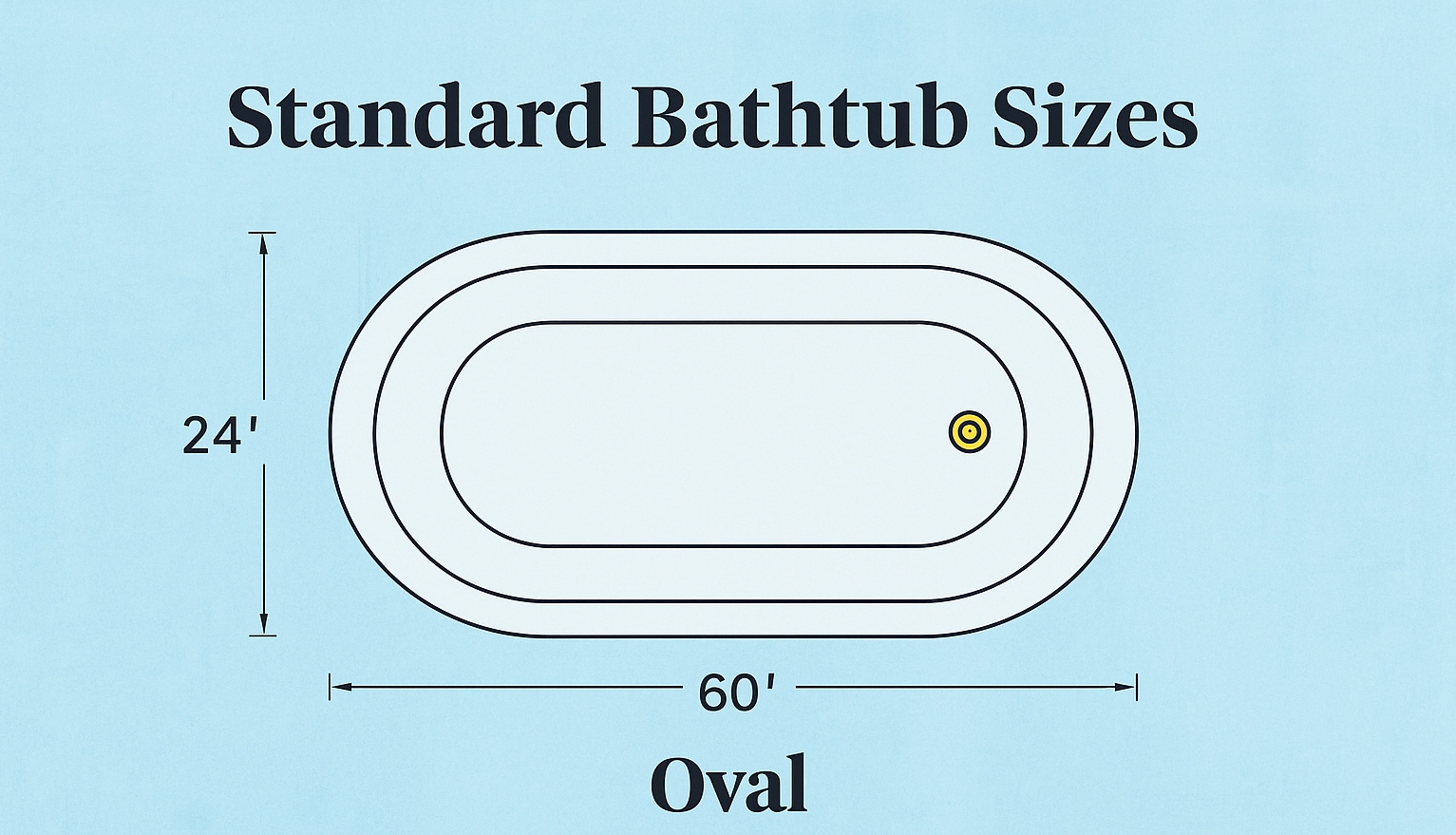
Designer tubs come in all shapes and sizes. Some are elongated with curved edges, while others are angular and modern. These tubs might measure 66 inches long but only 24 inches wide, creating a different bathing experience. They're often chosen for their aesthetic appeal rather than practicality, though they still need to meet basic functional requirements.
Custom-made tubs represent another category entirely. These can be tailored to fit specific spaces or personal preferences, but they're usually more expensive and require precise measurements. If you're considering a custom tub, it's worth consulting with professionals who understand both design and construction.
Measuring Your Space Correctly
Before buying a bathtub, measure carefully. Start with the actual space where the tub will go. Measure from wall to wall, and check for any obstacles like pipes or electrical outlets. Then, consider the doorway. Will your tub fit through the door? Many tubs arrive in pieces, but some are too large for standard doorways.
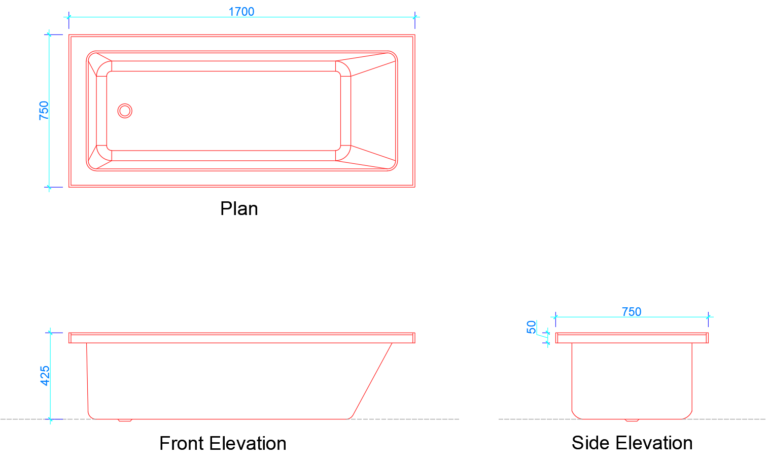
Don't forget to account for the tub's thickness. Even though the inside dimensions might be 60x30, the outside dimensions could be larger due to the walls of the tub itself. A typical tub adds about 2 inches to each dimension, so a 60x30 tub might measure 64x34 outside.
Also think about plumbing. Standard tubs connect to standard plumbing lines, but some specialty models require different connections. Make sure your existing plumbing can accommodate the tub you choose. If not, you might need to do some additional work.
Choosing the Right Size for Your Home
There's no one-size-fits-all answer to bathtub sizing, but here are some factors to consider:
• Family size: Larger families might benefit from bigger tubs • Bathroom size: Smaller bathrooms need compact options • Personal preference: Some enjoy soaking, others prefer quick showers • Future plans: Will you be selling soon? Consider what buyers might want • Accessibility needs: Mobility issues might require extra room
Consider the lifestyle you lead. If you're a parent, you might appreciate a tub that can accommodate children. If you're older, you might prioritize ease of entry and safety features. For couples, the size might depend on whether you prefer separate baths or shared time together.
A good rule of thumb is to choose a tub that balances your needs with your space constraints. Sometimes a slightly smaller tub is better than a much larger one that doesn't fit properly. And remember, you can always add accessories like bath pillows or footrests to enhance comfort, regardless of the tub's size.
Practical Tips for Buying a New Tub
Here are some helpful hints for selecting the right bathtub:
• Check local building codes before purchasing • Bring a tape measure to compare different models • Look at photos online to visualize how the tub will look in your space • Ask about delivery and installation costs • Consider the resale value of your choice • Factor in maintenance needs
Many people make the mistake of focusing solely on price or appearance. But the best tub for your home considers all aspects—size, shape, material, cost, and long-term usability. Read reviews from people who've installed similar tubs in their homes. Their experiences can reveal unexpected details about installation, cleaning, and daily use.
Don't overlook the importance of quality materials either. A well-built tub will last longer and provide better value over time. Fiberglass, acrylic, and cast iron each have pros and cons. Fiberglass is lightweight and affordable, but might show wear faster. Cast iron is heavy but durable and retains heat well. Acrylic offers a good balance of comfort and affordability.
Finally, consider the overall bathroom design. The tub should complement the rest of your space, not clash with it. If you're updating your entire bathroom, now might be the time to think about a tub that makes a statement. If you're doing a smaller renovation, focus on functionality first.
What to Expect After Installation
Once you've chosen the right tub, installation can be straightforward or challenging depending on your situation. If you're replacing an old tub, the process involves removing the old fixture and connecting the new one to existing plumbing. This is usually manageable for experienced DIYers but might require professional help for complex setups.
After installation, pay attention to how the tub feels during use. Does it hold water properly? Is there any leak around the edges? Are you comfortable sitting in it for extended periods? These are all signs that you made the right choice.
Regular maintenance keeps your tub looking good and functioning well. Clean it regularly according to manufacturer instructions. Check for cracks or damage, especially around the corners where water tends to pool. If you notice any issues early, they're usually easy to fix.
Remember that your tub is a long-term investment. Take time to choose wisely, and you'll enjoy many years of comfortable bathing.
Understanding bathtub dimensions isn't just about knowing measurements—it's about finding the perfect balance between comfort, space, and practicality. Whether you're upgrading your current bathroom or planning a complete renovation, taking time to research tub sizes ensures you make choices that serve you well. The right bathtub doesn't just fill with water; it fills your life with comfort and convenience. So next time you're browsing bathroom fixtures, remember that behind every number lies a story about how you want to spend your time in the tub. Your future self will thank you for making an informed decision today.