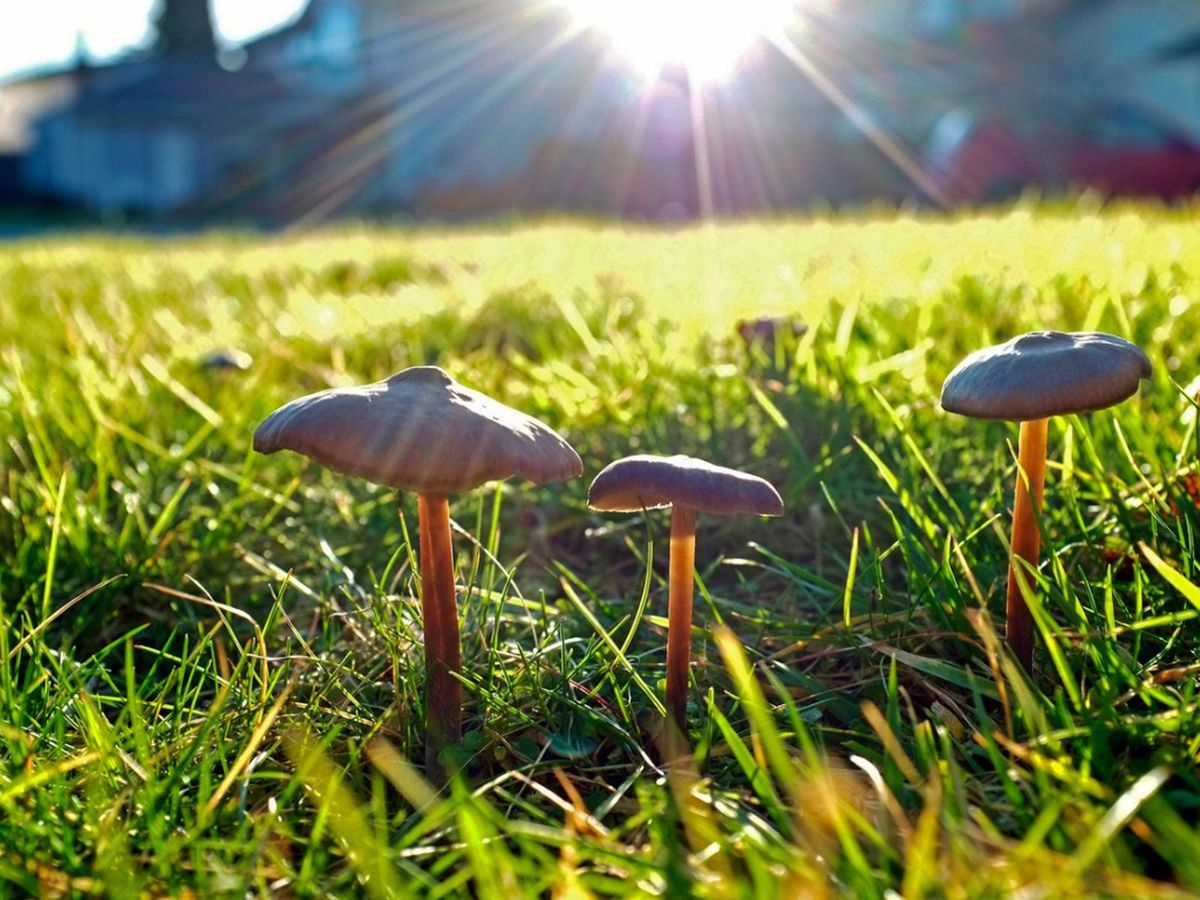
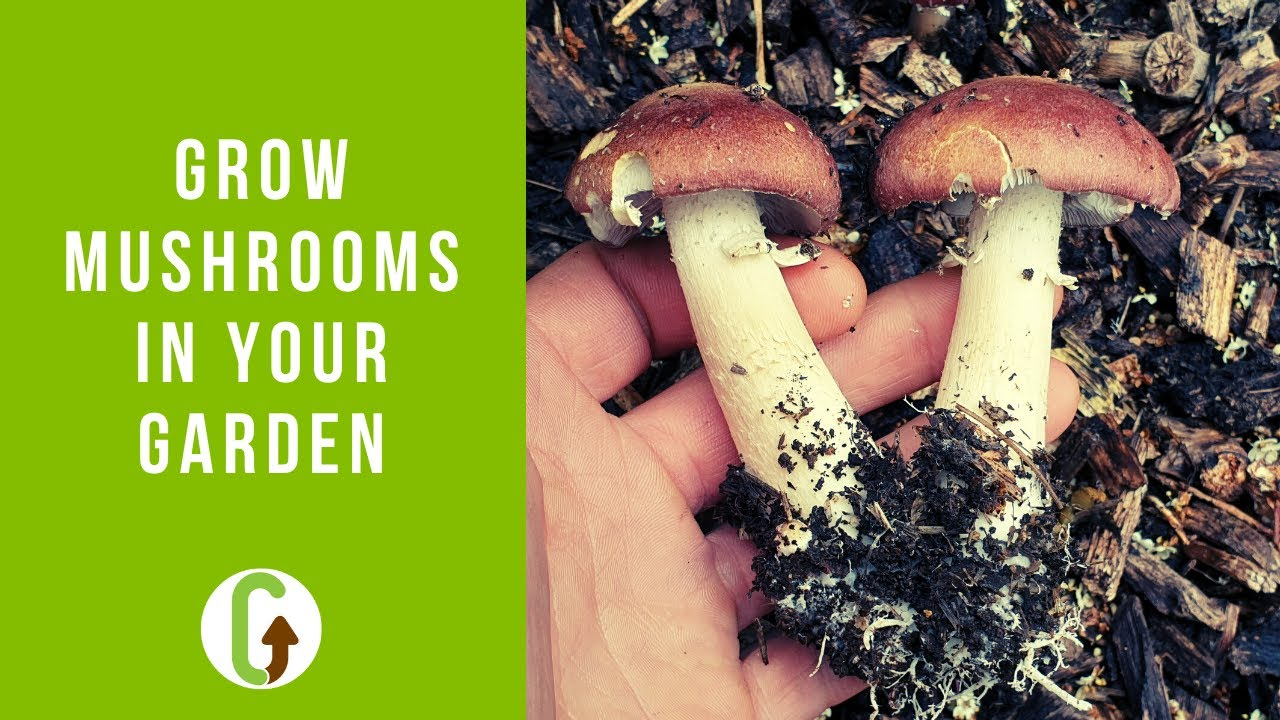
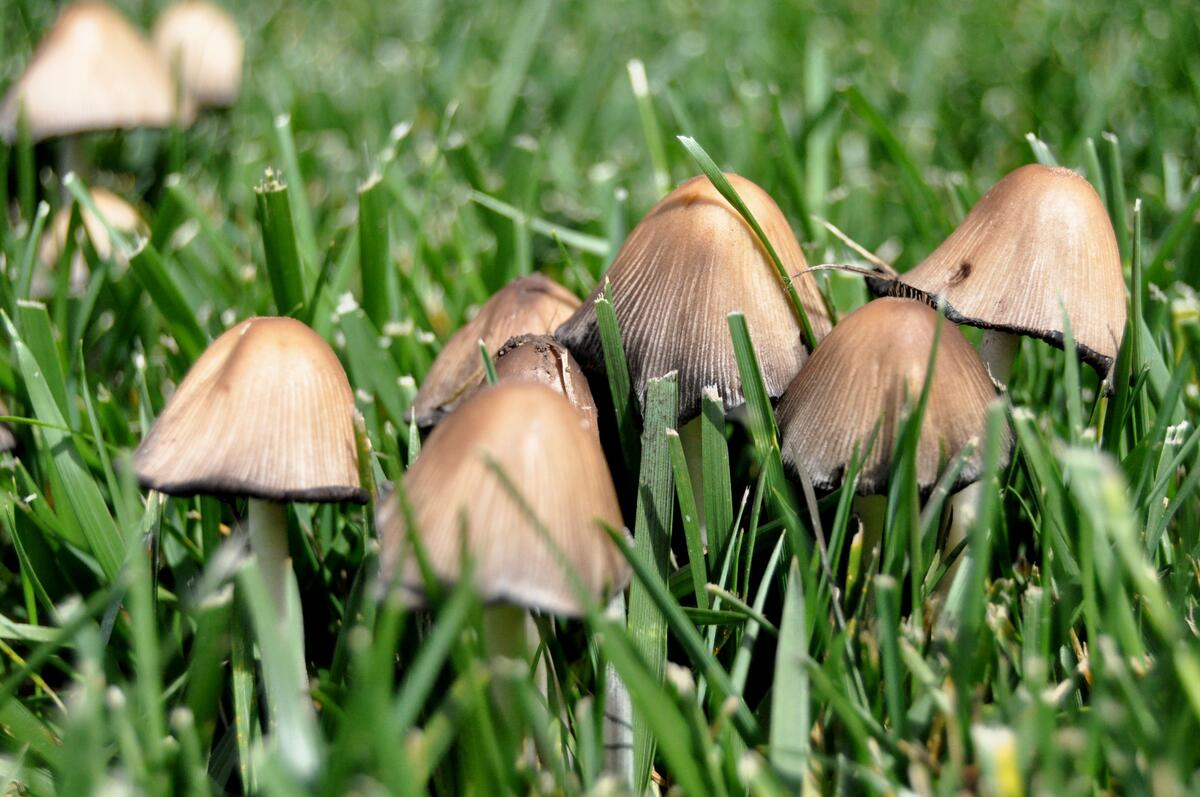
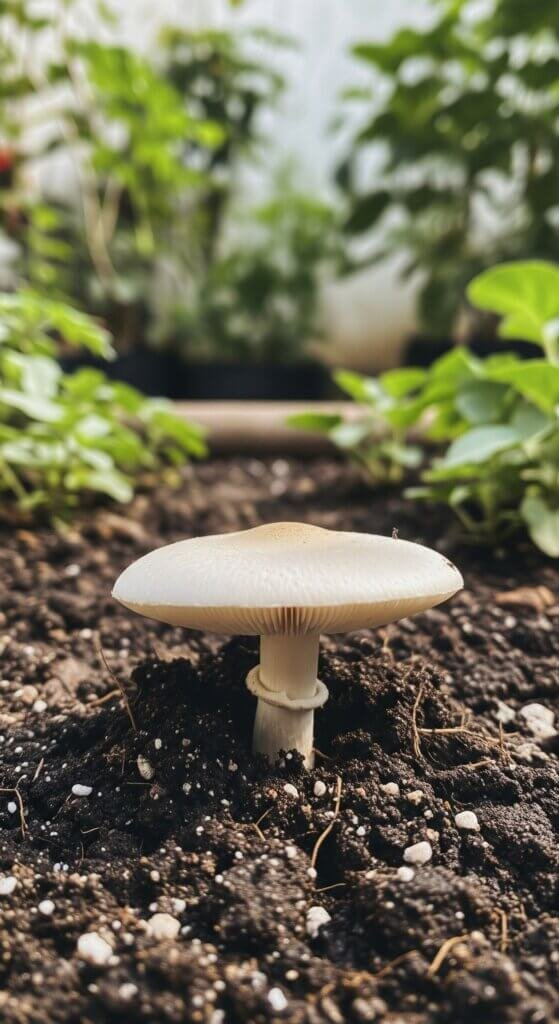
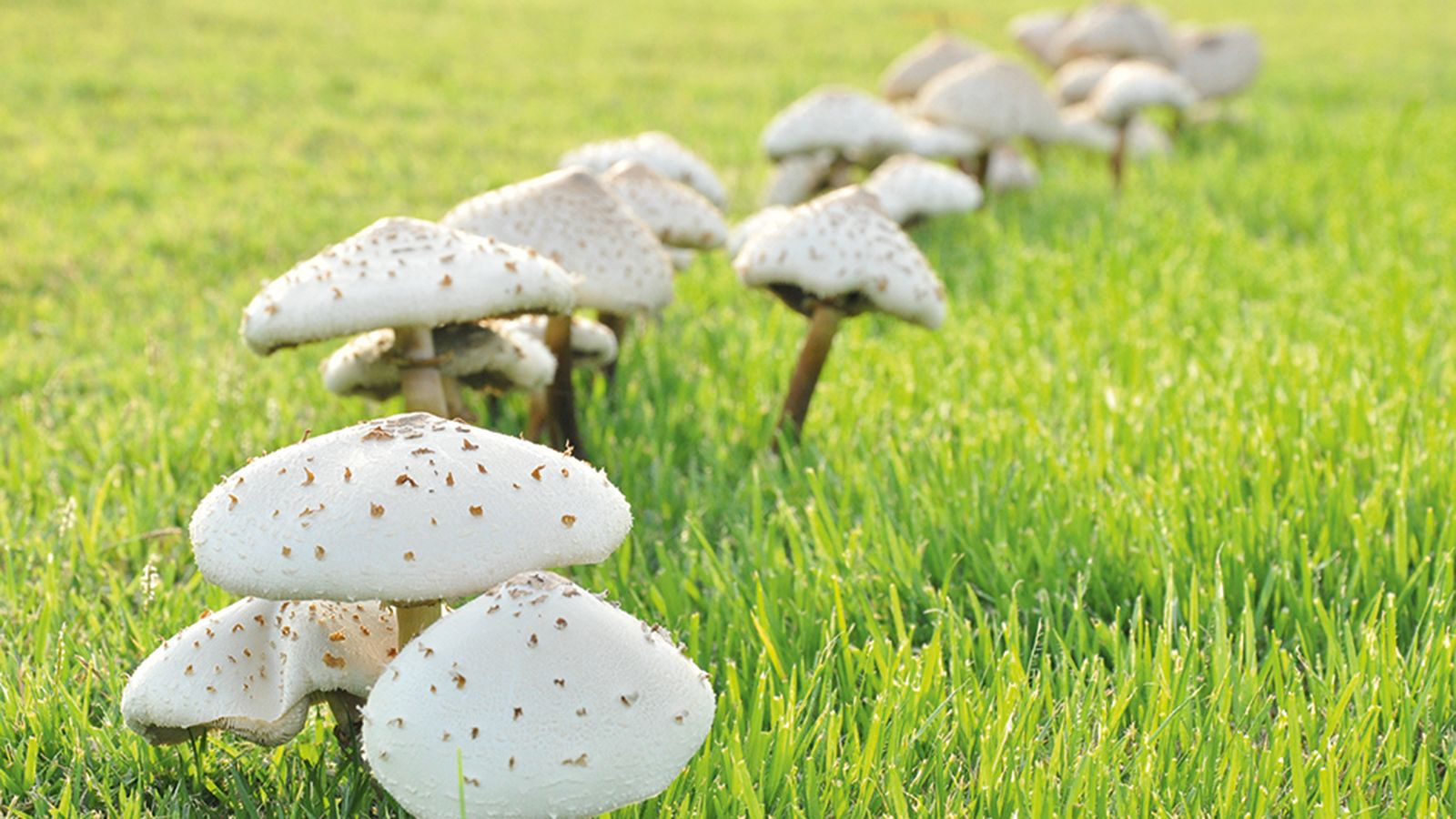
Picture this: You're enjoying your backyard, maybe having a barbecue with family, when suddenly you spot those mysterious fungi popping up everywhere. They're like nature's little surprises, but they're not always welcome. These organisms might look cute and whimsical, but they often signal something else going on in your soil. So how do you deal with them without resorting to harsh chemicals? Let's explore the natural ways to handle these unwanted guests.
Mushrooms in your yard can be both fascinating and frustrating. While some gardeners see them as signs of healthy soil, others find them unsightly and potentially problematic. The truth is, mushrooms are simply the reproductive structures of fungi that are already present in your garden. They appear when conditions are right - usually damp, shady areas with decomposing organic matter. Rather than fighting against nature, we can work with it to reduce mushroom growth naturally. This approach not only helps eliminate the mushrooms but also improves overall garden health.
Understanding Why Mushrooms Appear
Before we tackle elimination strategies, it's important to understand why mushrooms show up in the first place. Mushrooms are actually the fruiting bodies of fungi that live in the soil and feed on decaying plant material. When moisture levels rise and temperatures are favorable, these fungi produce mushrooms as a way to reproduce. Common triggers include:
• Excessive moisture from overwatering or poor drainage • Decomposing organic matter like dead leaves, wood chips, or grass clippings • Shade from trees or buildings creating cool, damp conditions • Soil that's too rich in nitrogen or lacks proper aeration
Think of mushrooms as nature's way of telling you something needs attention in your garden. They're not necessarily bad - they're just part of the ecosystem trying to break down organic matter.
Improving Drainage and Reducing Moisture
One of the most effective ways to reduce mushroom growth is to address moisture issues in your yard. Mushrooms thrive in wet environments, so taking steps to improve drainage can make a huge difference.
• Check for water pooling: Look for areas where water collects after rain. These spots often become mushroom hotspots. • Install drainage solutions: Consider adding French drains or redirecting downspouts away from problem areas. • Improve soil aeration: Use a garden fork to loosen compacted soil, allowing better water penetration and drainage. • Adjust watering practices: Water deeply but less frequently rather than light daily watering. • Create raised beds: If possible, build raised garden beds to improve drainage.
Remember, mushrooms aren't just about the surface water - they're also responding to moisture levels deep in the soil. By addressing the root cause, you'll see results faster than just removing the visible mushrooms.
Removing Organic Matter That Fuels Growth
The food source for mushrooms is often right under our feet. Many mushrooms grow where there's plenty of decomposing organic material. Here's how to address this:
• Clear fallen leaves: Regularly rake up leaves before they start breaking down. • Remove dead grass: Pull out grass clippings and dead plant material promptly. • Address wood chips: If using mulch, make sure it's not too thick or decomposing. • Compost properly: Move compost piles away from high-risk areas in your yard. • Use the right mulch: Choose mulches that decompose slowly and don't encourage fungal growth.
This approach requires some detective work. Walk around your yard and notice where mushrooms seem to cluster. Often, they're growing directly on or near decomposing materials. It's like giving mushrooms a buffet - take away their food source and they'll have to find somewhere else to live.
Using Natural Fungicides and Treatments
There are several natural substances that can help control mushroom growth without harming beneficial soil organisms. These treatments work by changing the environment or directly affecting fungal growth:
• Baking soda solution: Mix one tablespoon per quart of water and spray on affected areas. This raises the pH level and makes the environment less hospitable for fungi. • Vinegar spray: A mixture of white vinegar and water can help lower soil pH and discourage mushroom growth. • Copper sulfate: While this is a chemical compound, it's used naturally in small amounts and works well against many fungi types. • Beneficial bacteria: Adding products containing beneficial bacteria can crowd out harmful fungi.
These treatments work best when combined with good cultural practices like improving drainage and removing organic debris. Think of them as supportive measures rather than magic bullets.
Creating Less Favorable Conditions
Sometimes the best approach is to change the environment so mushrooms don't want to grow there anymore. This involves altering factors like sunlight exposure, soil composition, and air circulation:
• Increase sun exposure: Prune trees or shrubs to allow more direct sunlight to reach problem areas. • Improve air circulation: Remove dense vegetation that blocks airflow. • Add soil amendments: Work in materials like sand or perlite to improve drainage. • Reduce shade: Consider removing large plants that create overly dark, moist conditions. • Maintain proper lawn care: Keep grass healthy and mowed to prevent moss and fungal buildup.
This method takes time but creates lasting change. It's like reconfiguring your garden's layout to make it less attractive to mushrooms while making it more appealing to beneficial organisms.
Prevention Strategies for Long-Term Success
The best way to deal with mushrooms is to prevent them from appearing in the first place. Here are some strategies that create a healthier, mushroom-free environment:
• Regular maintenance: Keep up with raking, mowing, and removing debris • Proper watering: Water early in the day and avoid overwatering • Soil testing: Check soil pH and nutrient levels regularly • Choose appropriate plants: Select varieties that thrive in your local conditions • Mulch management: Apply mulch in thin layers and replace annually • Seasonal cleanup: Clear away plant debris at the end of growing seasons
These prevention methods require commitment but pay off in reduced maintenance and healthier plants. It's like training your garden to resist fungal problems rather than constantly treating them after they appear.
When to Seek Professional Help
While most mushroom problems can be handled naturally, sometimes professional assistance is needed. Consider calling an expert if:
• Mushrooms are growing in unusually large quantities • You suspect toxic species like death caps or destroying angels • The problem persists despite multiple attempts at treatment • You're dealing with mushroom growth near children or pets • The mushrooms are associated with other plant diseases
A professional can identify specific mushroom species and recommend targeted approaches. Sometimes what looks like a mushroom problem is actually a sign of deeper soil issues that need specialized attention. Don't hesitate to ask for help when things get complicated.
Eliminating mushrooms from your yard naturally isn't about complete eradication - it's about creating conditions where they don't want to grow. By understanding the causes behind mushroom appearance and implementing a combination of drainage improvements, organic matter removal, and environmental adjustments, you can significantly reduce their presence. The key is to work with nature rather than against it. Remember, mushrooms aren't inherently evil - they're just doing their job in the ecosystem. With patience and consistent effort, your yard can be mushroom-free while remaining healthy and vibrant. The most successful approach combines multiple strategies and maintains long-term garden health rather than relying on quick fixes. Your garden will thank you for taking this thoughtful, natural approach.