Think your garage door springs should last forever? Think again. Most homeowners unknowingly sabotage their garage door systems within just a few years. It's not about quality or price - it's about what you do (or don't do) with those springs once they're installed.
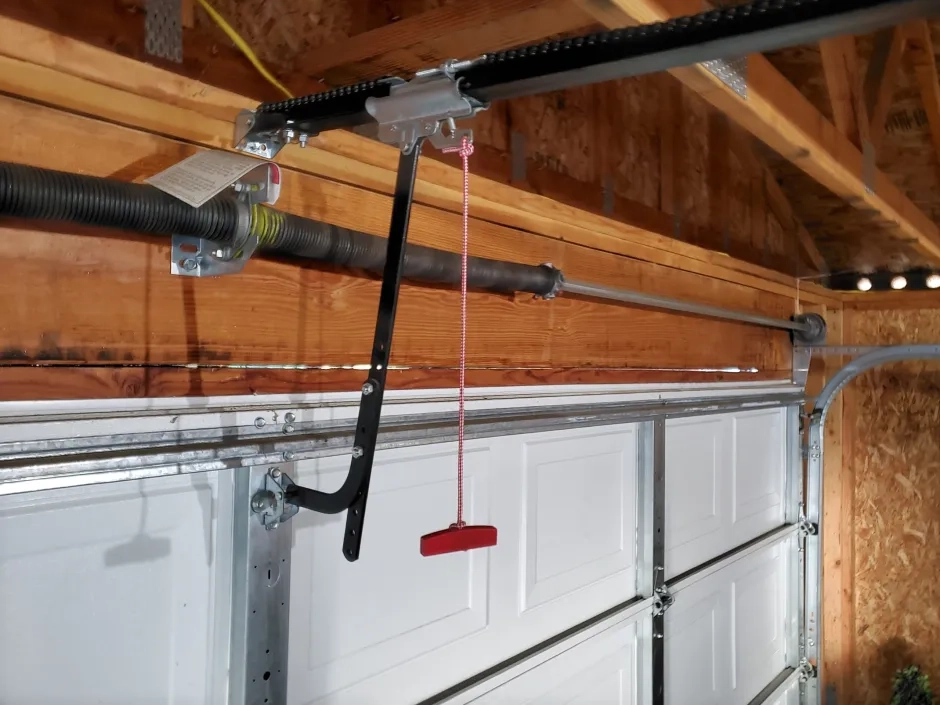
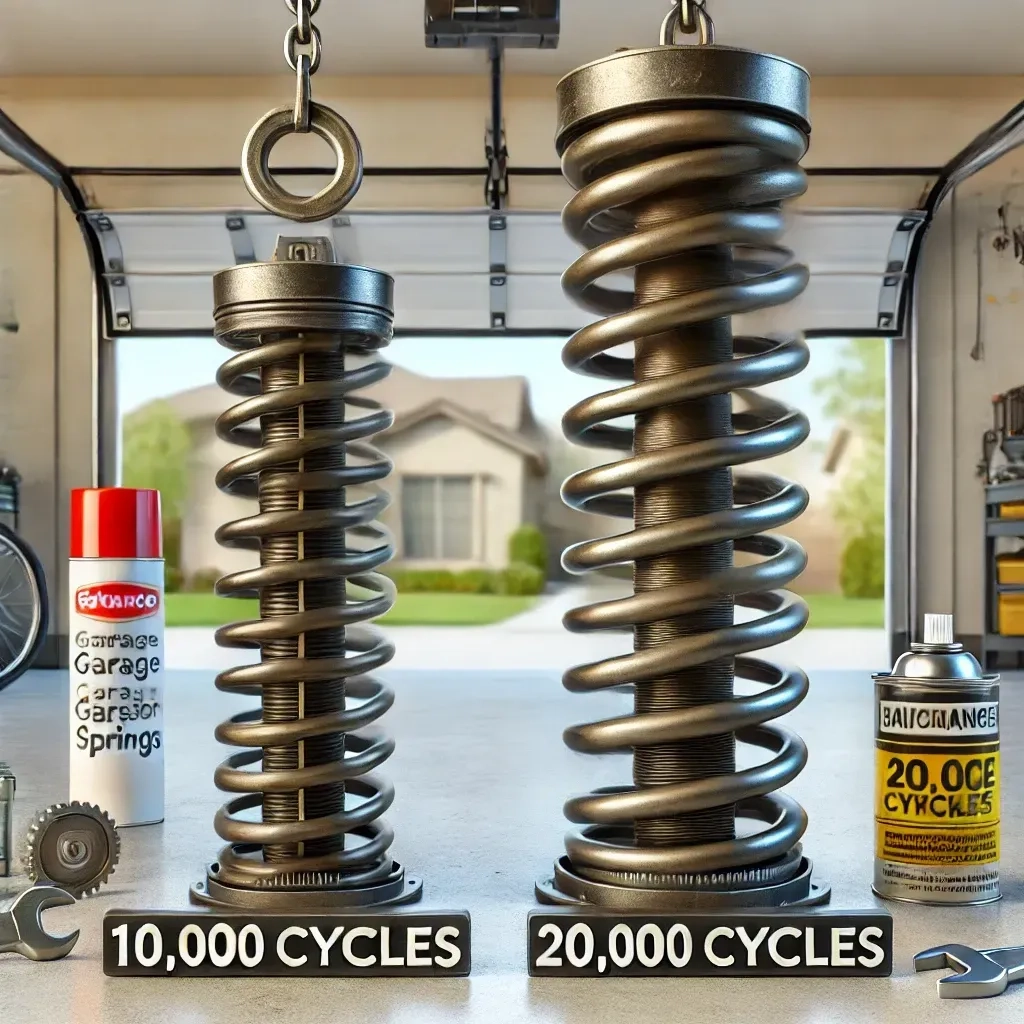
Garage door springs are the unsung heroes of your garage. They handle the heavy lifting every time you open or close that massive door. But here's the truth that many people miss - these springs aren't meant to be treated like decorative elements. They're under constant stress, and every small mistake adds up quickly. The average garage door spring lasts between 10,000 and 15,000 cycles, but many fail after just 5,000 cycles because of simple, avoidable errors. What happens when you think about it? You're essentially cutting your spring lifespan in half by accident. This isn't just about poor quality parts - it's about how we interact with them.
Overlooking Regular Maintenance
Maintenance is the biggest overlooked factor in spring longevity. Many homeowners assume that because springs are hidden away, they don't require attention. That's like thinking your car engine doesn't need oil changes because you can't see it. Springs need regular lubrication, inspection, and adjustment. Without it, they work harder than necessary, creating extra stress and wear. Consider this: a well-lubricated spring can last twice as long as one that's neglected. Yet, most people wait until they hear a squeak or notice difficulty opening the door before they even consider maintenance. By then, the damage is already done. A simple monthly check can spot issues before they become major problems.
Improper Adjustment of Door Balance
This might sound technical, but it's actually one of the easiest fixes that people constantly mess up. When a garage door isn't properly balanced, the springs have to work overtime to lift the door. Imagine trying to lift a 30-pound bag with one arm while someone else pushes down on the other side. It's exhausting, right? That's exactly what happens when the door weight isn't evenly distributed. A door that's too heavy for its springs will cause premature failure. The solution involves checking if the door opens smoothly with just one hand and adjusting the tension accordingly. This seems simple, but it's often overlooked during installation or repair attempts. Even professionals sometimes skip this crucial step.
Neglecting Weather Protection
Spring materials are sensitive to environmental conditions. Salt, moisture, and temperature changes all contribute to corrosion and fatigue. In coastal areas, salt exposure alone can reduce spring life by 40-60%. Even inland, weather plays a role. Rainwater, humidity, and temperature fluctuations create stress cycles that weaken metal over time. Some people think covering their springs protects them, but that's often wrong. Improper covers can trap moisture and actually accelerate deterioration. The key is proper ventilation and choosing rust-resistant materials when replacing. If you live in a particularly harsh climate, consider upgrading to stainless steel or galvanized springs. These costs are minimal compared to replacement expenses later on.
Using Wrong Spring Types for Door Weight
Every garage door requires specific spring strength based on door weight and size. Using springs that are too weak means the system struggles to operate efficiently. Using springs that are too strong creates excessive tension, putting undue pressure on the entire system. This happens more often than you'd think. Homeowners often replace springs without consulting manufacturer specifications or professional advice. Picture this scenario: someone replaces a 75-pound spring with a 50-pound one because they think it'll be easier to handle. What they don't realize is that the door now operates with 25 pounds less force, causing the remaining springs to work much harder. The result? Premature failure. Always match spring specifications to your door's exact requirements. When in doubt, consult a professional rather than guess.
Ignoring Signs of Wear and Damage
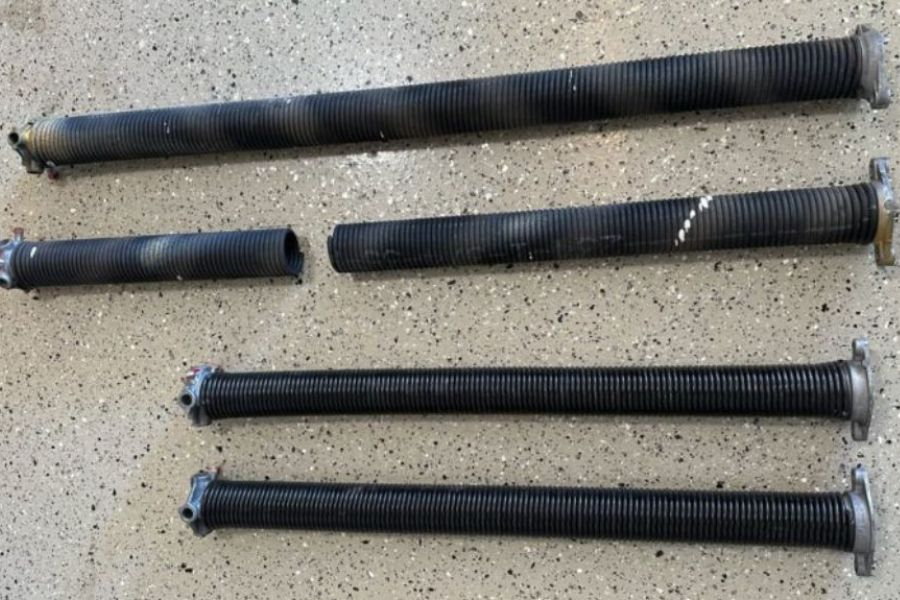
Early warning signs are everywhere, but most people miss them. A slight change in how the door operates, unusual noises, or visible wear marks should trigger immediate action. Many people ignore creaks, rattles, or even small cracks because they seem insignificant. But each of these represents stress points that will eventually lead to complete failure. For example, a single hairline crack in a spring can grow rapidly under continued stress. The problem compounds quickly - a slightly damaged spring causes more strain on adjacent components, leading to cascading failures. This is why regular visual inspections matter so much. Check for broken wires, corrosion spots, or physical damage. Addressing these issues early prevents costly replacements and potential accidents.
Failure to Replace Both Springs Simultaneously
This is probably the most common error that leads to shortened spring life. Garage doors use two springs (one on each side) that work together. When one fails, the other takes on additional stress to compensate. This imbalance creates rapid wear on the remaining spring. Think of it like having a car with one tire that's worn down - it puts extra pressure on the other tires. Replacing only one spring often makes the problem worse. The new spring works against the old one, creating uneven tension and accelerated failure. Additionally, springs age at similar rates, so replacing both ensures balanced operation and extends overall system life. This is especially important for torsion springs, which are more prone to uneven wear patterns.
The good news is that most of these issues are completely preventable. Your garage door springs don't have to fail prematurely due to common mistakes. By staying vigilant about maintenance, understanding proper installation practices, and recognizing early warning signs, you can double or even triple their expected lifespan. Remember, garage door springs aren't just hardware - they're part of a delicate balance that affects everything else in your garage system. Taking care of them properly pays dividends in reliability and safety. Don't let simple oversights ruin your investment. Start implementing these practices today, and watch your garage door operate smoothly for years to come. The effort you put into prevention now will save you from expensive repairs and potential hazards later.