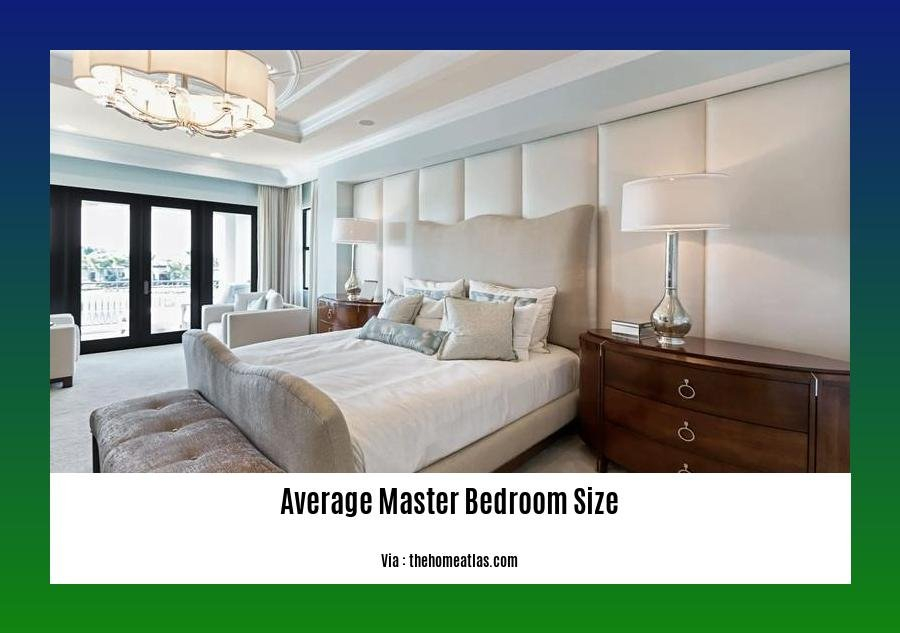
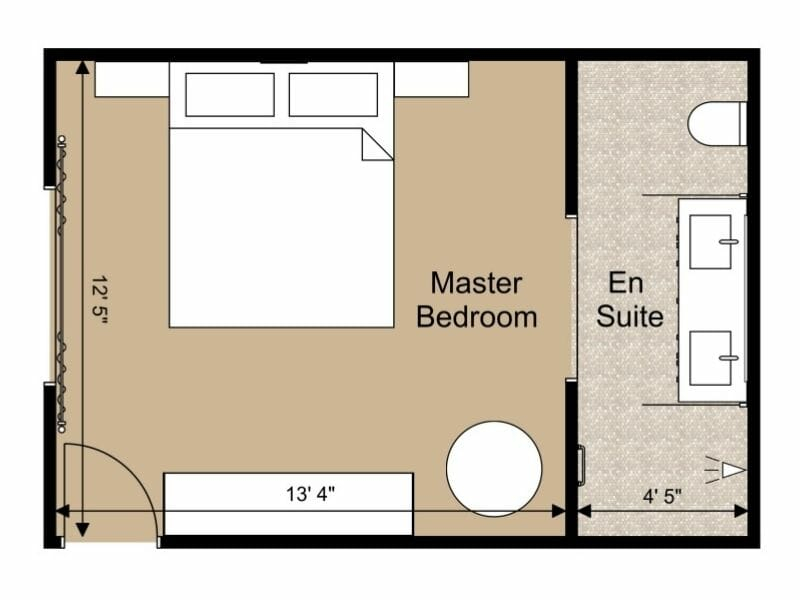
When you think about the most important room in your house, chances are it's your master bedroom. But have you ever stopped to consider how much space you actually need? What happens when you're trying to fit a king-sized bed, a dresser, nightstands, and maybe even a sitting area all within one space? This isn't just about having a big room - it's about creating a sanctuary that works for your lifestyle. Let's dive into what makes a master bedroom layout truly functional and beautiful.
Picture this: You've finally saved up enough money for your dream home, and you're standing in what you believe will be your master bedroom. It looks spacious, right? But then you start thinking about furniture placement, walking space, and how everything will actually function together. That's where understanding standard measurements becomes crucial. It's easy to assume that bigger is always better, but there's actually a science behind how much space you really need. Whether you're planning a new build or renovating an existing space, getting these dimensions right can transform your bedroom from merely adequate to absolutely perfect.
The Foundation: Minimum Size Requirements
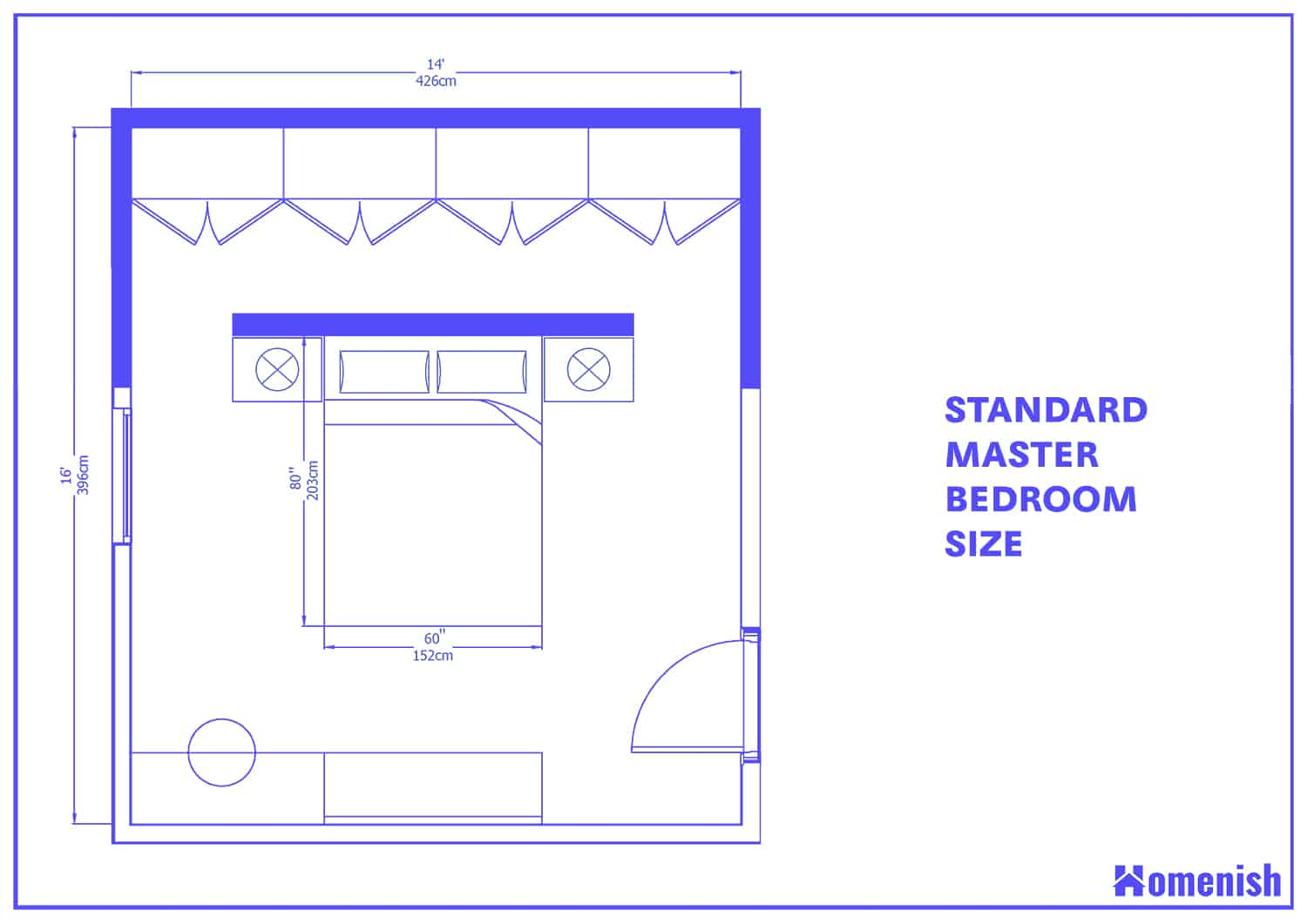
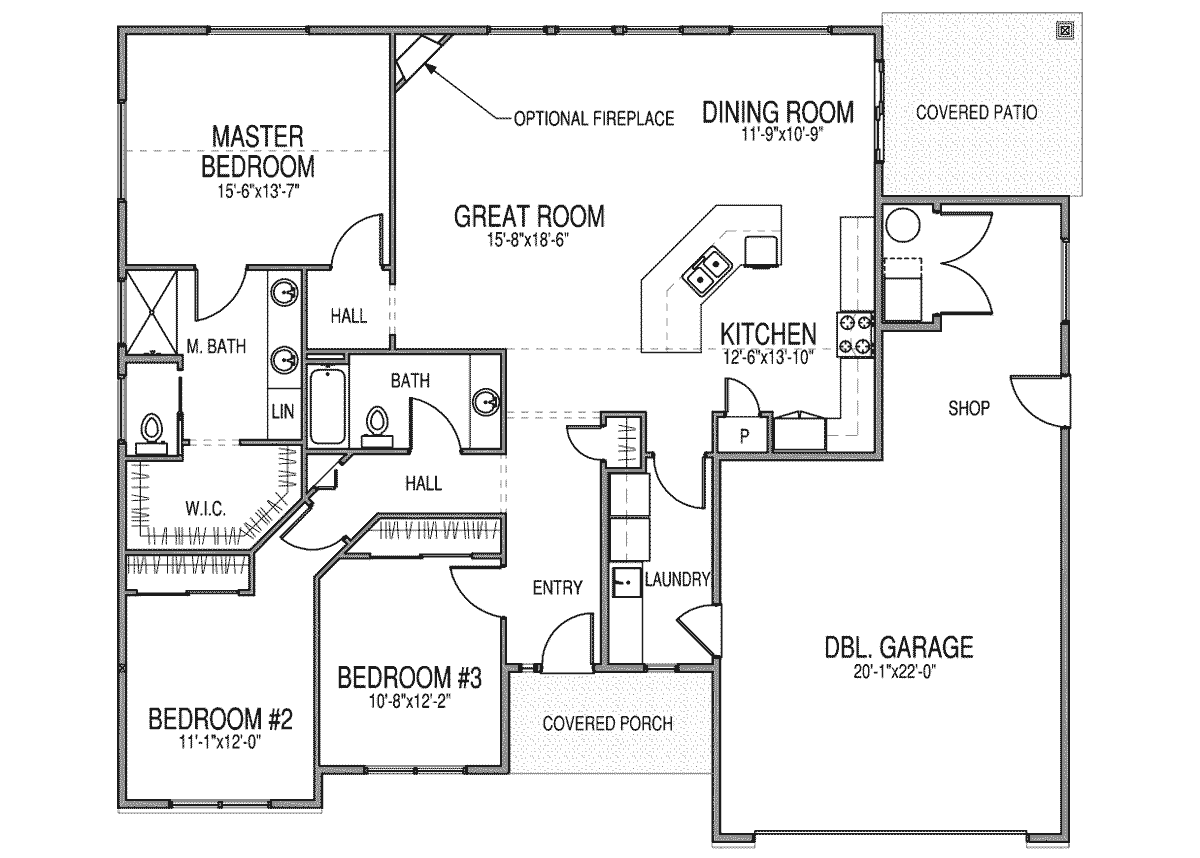
Let's start with the basics. What's the smallest size that still feels comfortable? Experts generally agree that a master bedroom should have at least 14 feet by 14 feet for basic functionality. That's 196 square feet minimum. But here's the thing - if you're planning to include a sitting area or a small desk, you'll want closer to 200-250 square feet. Think about it this way: you need room to move around, room to store things, and room to relax. If you're working from home, you might even want a dedicated work zone. A good rule of thumb is to add 20-30 square feet for every additional element you plan to include. For example, a simple bedroom setup might need 196 square feet, but throw in a reading nook and a small desk, and you're looking at 250+ square feet. Consider how many people will actually use the space. A master bedroom for two people needs more breathing room than one designed for a single occupant.
Bedroom Essentials: Bed Placement and Space
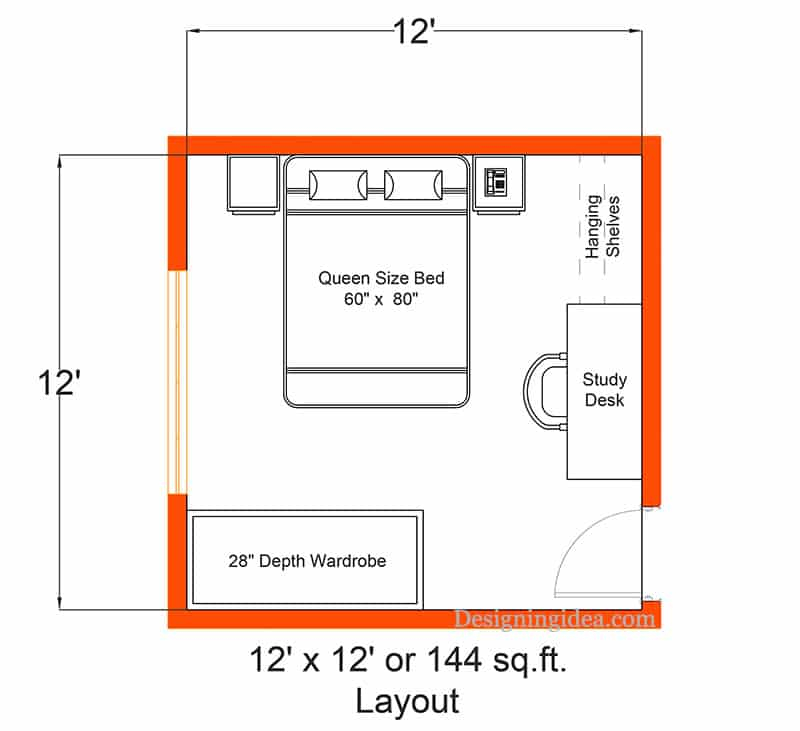
Okay, let's talk about the bed. This is usually the biggest piece of furniture in the room, so its placement matters enormously. A king-size bed measures 76 inches wide by 80 inches long. But here's what most people forget: you need clearance space around it. There should be at least 30 inches of clear space on each side of the bed for easy access. That means you need a minimum width of 10 feet just for the bed itself, plus additional space for nightstands, dressers, and walking paths. For a queen bed, which is 60 inches wide by 80 inches long, you'd want at least 8 feet of width. But wait - there's more. You also need to account for the fact that people often prefer to place their bed against a wall, leaving space for a door to open. So when planning your layout, measure from wall to wall, including the space for a door swing. Most doors require 32 inches of clearance to open properly. That means if you have a 14-foot wide room, you could potentially fit a king bed with 24 inches of clearance on each side, plus 32 inches for the door opening. The math gets interesting when you factor in nightstands, which typically need 12-18 inches of clearance on each side. These aren't just measurements - they're about comfort and daily life. How do you want to get dressed in the morning? How do you want to move around the room? These decisions affect everything else.
Walking Space and Flow: The Art of Movement
This is where many people make mistakes. They focus on furniture sizes but forget about the space between them. When you're designing a master bedroom, you need to consider how people will navigate the room. Think about your daily routine. Do you like to walk around the room before getting out of bed? Do you want to have space for a chair or a small table? The average person needs at least 36 inches of clearance to comfortably walk past furniture. But if you're planning to put a dresser or a vanity against a wall, you'll need 24 inches of clearance on either side. That's why a 14x14 room isn't quite enough for most people. You need to account for the fact that furniture won't always be perfectly aligned. There's usually some variation in how things are positioned, and you want to leave room for that. Imagine trying to get dressed with only 12 inches of clearance next to your dresser - it's not very pleasant. A 16x16 room gives you a lot more flexibility. Plus, it allows for better circulation, which is especially important if you have children or pets running around. You want to avoid that feeling of being cramped, even in a large room. The right amount of walking space makes the difference between a room that feels welcoming and one that feels claustrophobic. Try to visualize yourself moving through the space. Where do you want to go first? What path do you take to get to the bathroom? These are the kinds of considerations that make a bedroom feel lived-in rather than just decorated.
Storage Solutions: Making Every Inch Count
Storage is where the magic happens in a master bedroom. Without proper storage, even the most beautifully designed room can quickly become chaotic. Let's break this down. First, you need to consider where you'll place your clothing and accessories. A standard bedroom dresser is typically 18-24 inches deep and 48-60 inches wide. But here's the trick: you need to think about what goes in it. A 60-inch dresser with 30 inches of depth can hold approximately 18 cubic feet of items. That's a lot of clothes, but it's not infinite. For a couple, you might want two dressers, each with 20-25 cubic feet of storage capacity. But here's where it gets interesting: you also need space for a wardrobe or closet. If you're planning a walk-in closet, that space alone can easily be 10 feet by 10 feet or larger. That's 100 square feet just for storage. When you're planning a master bedroom, you need to consider both built-in and freestanding storage options. Built-ins are great because they're custom-fitted, but they can be expensive. Freestanding pieces offer more flexibility and are easier to move. But they also take up more floor space. The key is to find the right balance. If you're using a combination of a dresser and a wardrobe, you'll want to ensure that both fit comfortably within your room dimensions. Remember, storage isn't just about putting things away - it's about keeping things organized and easily accessible. A well-designed storage system can make your bedroom feel spacious even if it's not particularly large. It's all about smart planning and knowing what you actually need to store.
Special Features: Creating a Personal Sanctuary
Now we're getting into the fun part. What makes a master bedroom special isn't just the basic measurements - it's the features that make it uniquely yours. A sitting area, a small desk, a reading nook, or even a fireplace - these elements change the entire dynamic of the space. Let's say you want a reading corner. You'll need at least 3 feet by 3 feet of dedicated space. That's 9 square feet for a comfortable seating area with a lamp and maybe a small side table. If you're planning to include a desk, that's another 3 feet by 3 feet minimum. Add a chair and some storage, and you're looking at 15-20 square feet just for that area. What if you want to include a small bathroom or a private entrance? Those changes dramatically impact your room size requirements. A master suite with an attached bathroom might need an additional 10-15 square feet just for the bathroom itself. And don't forget about lighting. Natural light is wonderful, but you'll also want artificial lighting that can be adjusted for different activities. A chandelier might take up more space than you realize, especially if it's a statement piece. The key is to plan ahead for these special features. Consider how they'll integrate with your main furniture pieces. Will the reading chair be close to the window? Will the desk face away from the bed? These details matter more than you might expect. They create the flow and atmosphere of your personal retreat. Sometimes the best master bedrooms are those that incorporate unexpected elements that serve multiple purposes. A built-in bench near the entrance can provide seating while also offering storage space.
Practical Tips for Real-World Applications
Here's where we get down to brass tacks. You know the theory, but how do you apply it in practice? Start with measuring your current space carefully. Many people assume their room is a certain size, only to discover they're off by several feet. Use a tape measure and double-check everything. Then, sketch out a rough layout with the major furniture pieces. Don't worry about exact measurements yet - just see how things fit together conceptually. Next, consider your lifestyle. Are you a morning person who likes to get dressed in front of a mirror? Do you need a dedicated workspace? Are you planning to entertain guests regularly? These factors will influence how you arrange your space. One common mistake is assuming that a larger room automatically equals a better room. Sometimes, a smaller, well-thought-out space is more functional than a large, poorly planned one. For example, a 16x16 room with a king bed, two nightstands, a dresser, and a reading chair can feel more spacious than a 20x20 room with poor furniture placement. Also, think about future changes. Will you want to add a child's room later? Will you be moving in a partner? Planning for flexibility is smart. Consider modular furniture options that can be reconfigured as needs change. Finally, don't forget about the practical aspects of daily life. How many people will be using the space? What are their habits? Will they be getting up early or staying up late? These considerations shape the overall effectiveness of your room design. The best layouts are those that anticipate real-life situations rather than just theoretical possibilities. Sometimes the simplest solutions are the most effective ones.
Designing a master bedroom isn't just about aesthetics - it's about creating a space that serves your daily life. The numbers and measurements we've discussed aren't arbitrary rules, but practical guidelines that help you build a room that functions well and feels comfortable. Whether you're planning a new home or updating an existing space, taking time to consider these measurements and layouts will pay dividends in daily satisfaction. Remember, there's no one-size-fits-all approach to bedroom design. What matters most is finding the right balance between space, function, and personal preference. The key is to think beyond just the physical dimensions and consider how the space will actually be used. Start with the basics - your bed and essential furniture - then layer in the features that make your room uniquely yours. Don't rush this process. Take time to visualize how you'll live in the space, and don't be afraid to adjust your plans as you learn more about your actual needs. A well-designed master bedroom is an investment in your daily happiness and comfort. It's not just about how it looks, but how it feels when you wake up in it each morning. Sometimes the most beautiful rooms are the ones that simply work perfectly for whoever lives in them. The numbers are important, but they're just the beginning of a much bigger conversation about creating your ideal living space.