Gardens are wonderful spaces, but they can quickly become battlegrounds when pests start showing up. Whether it's aphids dancing on your roses or slugs taking over your lettuce beds, these tiny invaders can turn your green thumb into a frustrating experience. The good news? You don't need to reach for those harsh chemical sprays that promise quick fixes but often leave lasting damage. Instead, there's a whole world of natural solutions waiting to help you keep your garden thriving without compromising safety or environmental health.
Every gardener faces this challenge eventually - those little creatures that seem to appear out of nowhere and devour your carefully nurtured plants. It's like nature's own version of a surprise attack, leaving you wondering how to protect your hard work. What if we told you there's a smarter way to handle these situations? The approach isn't about elimination, but rather creating balance. By understanding the natural behaviors of pests and our garden ecosystem, we can guide insects away from our prized plants and toward areas where they're less problematic. This isn't about being a passive observer though. It requires active participation, careful observation, and a willingness to think creatively about problems that might otherwise drive us to desperation. The path forward involves working with nature instead of against it, using simple techniques that have been tried and tested for generations.
Understanding Garden Pests and Their Behaviors
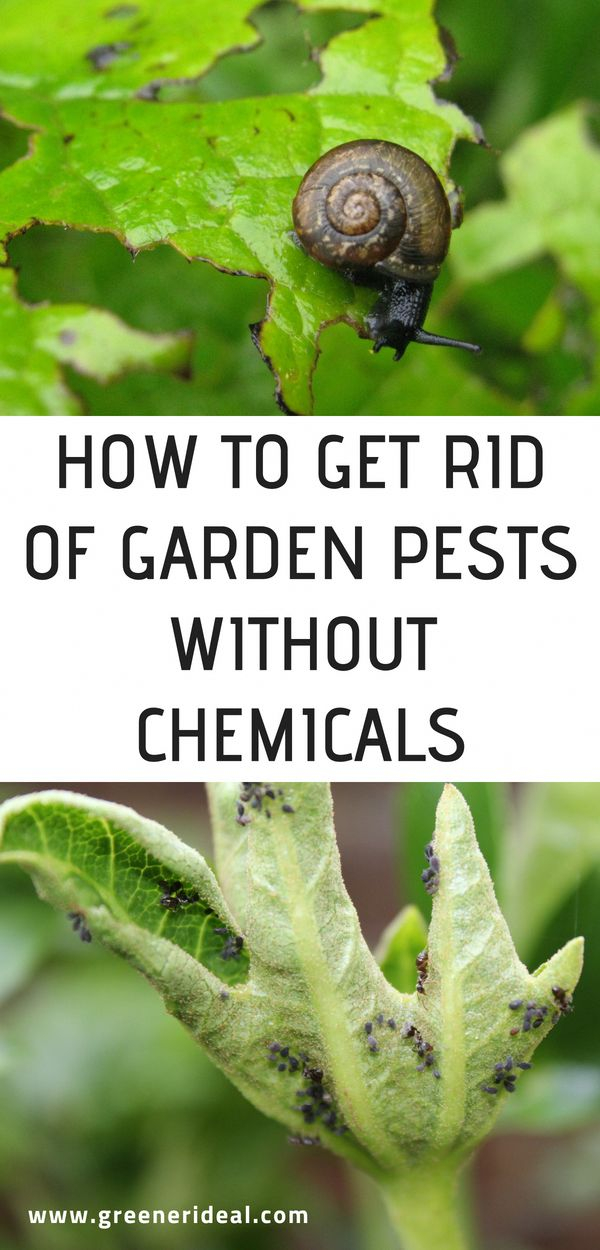
Before we can effectively deal with garden pests, we need to understand who we're dealing with. Not all bugs are enemies, and some actually benefit our gardens. Aphids, for instance, might seem like the enemy, but they're also food for beneficial insects like ladybugs and lacewings. The key is recognizing when pests become problematic and identifying their specific habits. Some pests prefer certain plants, others are attracted to particular conditions. Knowing that aphids love tender new growth helps us target our defenses more effectively. Slugs and snails are most active at night and thrive in damp environments, so managing moisture levels becomes crucial. Understanding that caterpillars are the larvae of butterflies means we might want to let them go if we're trying to support pollinator populations. This knowledge gives us the power to make informed decisions rather than just spraying everything with chemicals.
Physical Barriers and Traps
Sometimes the best defense is a good offense, and that offense can be simple physical barriers. Row covers made of lightweight fabric can protect entire plantings from flying pests while still allowing air and water through. These are particularly useful for protecting young seedlings from flea beetles and other small pests. For ground-dwelling pests like slugs, copper tape creates an electrifying barrier that deters them from crossing. The electric shock isn't painful, but it's enough to make them reconsider their approach. Sticky traps work well for catching flying insects like whiteflies and fungus gnats. They're not a permanent solution, but they do help us monitor pest populations and provide early warning signs. Diatomaceous earth, a natural powder made from fossilized algae, can be sprinkled around plants to create a sharp barrier that cuts soft-bodied insects like aphids and slugs. The key is to apply it correctly and reapply after rain.
Beneficial Insects: Nature's Own Pest Control Team
Think of beneficial insects as your garden's personal army of pest fighters. Ladybugs are perhaps the most famous, and for good reason. A single ladybug can eat up to 50 aphids per day. Lacewings are equally impressive, with their larvae consuming hundreds of aphids and other soft-bodied pests. Parasitic wasps are tiny but mighty, laying their eggs inside pest insects and essentially turning them into living incubators. Encouraging these helpful creatures means providing them with food sources and shelter. Planting flowers like yarrow, fennel, and dill attracts beneficial insects because they feed on nectar and pollen. Creating small habitats with logs, stones, and insect houses provides safe spaces for these helpful bugs to rest and reproduce. Many gardeners find that once they start attracting beneficial insects, the pest problems naturally decrease. It's a bit like having a personal pest control service that shows up regularly.
Companion Planting: The Power of Strategic Planting
Companion planting uses the natural properties of different plants to create a protective environment. Marigolds are excellent for repelling nematodes, tiny worms that attack plant roots. They release compounds that are toxic to these pests while being harmless to most other organisms. Garlic and onions naturally repel many types of insects due to their strong scent. Planting them near vulnerable crops creates a kind of natural perfume that pests find unappealing. Basil is another powerful companion, especially against flies and aphids. It also enhances the flavor of tomatoes when planted nearby. The concept works on multiple levels - some plants repel pests, others attract beneficial insects, and some even improve soil health. It's like creating a diverse neighborhood where each plant contributes to overall community health. This method takes planning, but the results can be remarkably effective.
Organic Sprays and Natural Remedies
When physical methods aren't enough, organic sprays can be very effective. Neem oil, derived from the neem tree, disrupts insect feeding and reproduction without harming beneficial insects when used properly. It works best as a preventive measure rather than a cure. Soap sprays made from mild liquid soap and water can suffocate soft-bodied insects like aphids and spider mites. The key is using the right concentration - too strong and you'll damage your plants. Garlic spray, made by steeping crushed garlic in water, creates a pungent barrier that repels many pests. It's particularly effective against aphids and whiteflies. Beneficial bacteria like Bacillus thuringiensis (Bt) can be used to target specific pests like caterpillars without affecting other insects. These natural solutions require careful timing and application, but they offer a much gentler alternative to synthetic pesticides.
Cultural Practices and Prevention Strategies
The most effective pest management often comes before the problems even begin. Crop rotation prevents pests from building up in the soil by changing plant families in the same area each year. This simple practice breaks the life cycles of soil-dwelling pests that target specific plant families. Proper watering techniques matter more than you might think. Overwatering creates conditions that attract certain pests while underwatering weakens plants and makes them more susceptible. Watering at the base of plants rather than overhead reduces fungal diseases and keeps foliage dry. Good sanitation practices, like removing diseased plant material promptly, prevent pests from finding hiding places. Cleaning tools between uses prevents spreading pests from one area to another. These seemingly small actions create a foundation for healthy plants that are better able to resist pest pressure.
Managing pests without harmful chemicals isn't about giving up on protection - it's about becoming a more thoughtful gardener. These natural approaches take time to learn and implement, but they pay dividends in healthier soil, stronger plants, and a safer environment for everyone. The journey toward chemical-free gardening is one of continuous learning and adaptation. What works in one garden might not work in another, but the principles remain consistent. By combining several strategies and staying observant, gardeners can create resilient ecosystems where pests are managed rather than eliminated. The satisfaction that comes from watching your garden thrive without relying on artificial chemicals is unmatched. It's not just about growing beautiful plants - it's about participating in a sustainable relationship with the natural world around us. Every successful garden is a small victory in this ongoing conversation between gardener and nature.