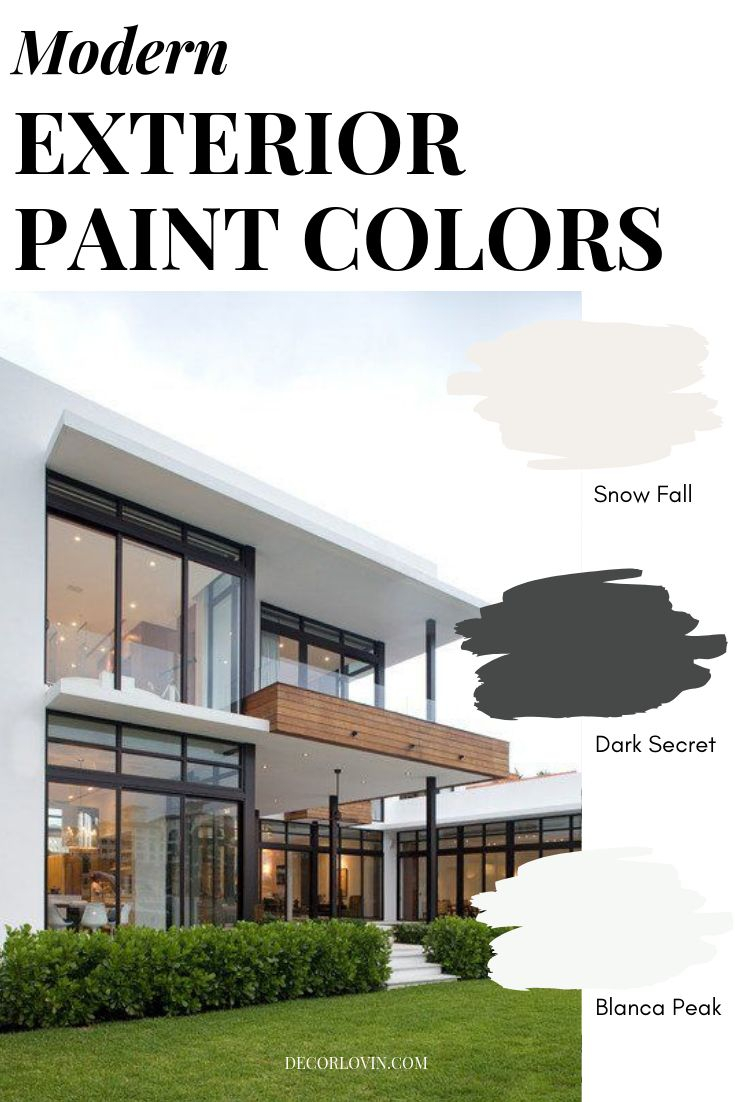
Your home's exterior is more than just walls and a roof; it's your personal statement to the world. Moving beyond the standard, modern exterior design embraces clean lines, innovative materials, and a thoughtful approach to color that can transform your property into a striking and inviting masterpiece. Let's dive into what truly makes a modern exterior sing, and how you can infuse your own dwelling with this contemporary flair.
Ever drive by a house and just stop to admire it? Chances are, it's got that 'wow' factor because of its exterior design. We're not just talking about curb appeal here; we're talking about a cohesive and intentional look that speaks volumes about the home and its inhabitants. Modern design, in particular, has a way of feeling both timeless and cutting-edge. It’s about simplicity, functionality, and a bold yet understated elegance. But what does that really mean when you’re thinking about your own place? It means looking at materials, shapes, and colors in a new light, pushing past the expected to create something truly special. Ready to explore some fresh ideas and see what’s trending?
The Foundation of Modern Aesthetics: Materials Matter
Modern exteriors often shy away from overly ornate details. Instead, they highlight the inherent beauty of their building materials. Think sleek metal panels, natural wood accents, large expanses of glass, and smooth, unadorned concrete or stucco. The trick is in how these materials are combined. For instance, warm wood siding can beautifully contrast with cool, dark metal cladding, creating a dynamic and sophisticated look. It’s about texture and form, letting the materials do the talking.
Consider these popular choices:
- Wood: Whether it's natural cedar, rich mahogany, or even a high-quality composite that mimics wood, it adds warmth and organic appeal. Vertical wood slats are particularly popular, adding a strong visual line.
- Metal: Materials like aluminum, steel, or zinc offer a sharp, contemporary edge. They’re durable and can be used for siding, roofing, or striking accent pieces.
- Glass: Large windows and sliding doors aren't just for letting in light; they blur the lines between indoors and out, a hallmark of modern living. Clerestory windows and expansive glass walls are key.
- Stucco & Concrete: Smooth, often monochromatic finishes provide a clean canvas. They can be left natural or painted in bold hues for a dramatic statement. Sometimes, board-formed concrete is used for a more textured, industrial vibe.
- Stone: Natural stone, used sparingly as an accent, can ground a modern design and add a touch of timeless luxury. Think a stone base or a feature wall.
Shape Shifting: Architectural Forms and Lines
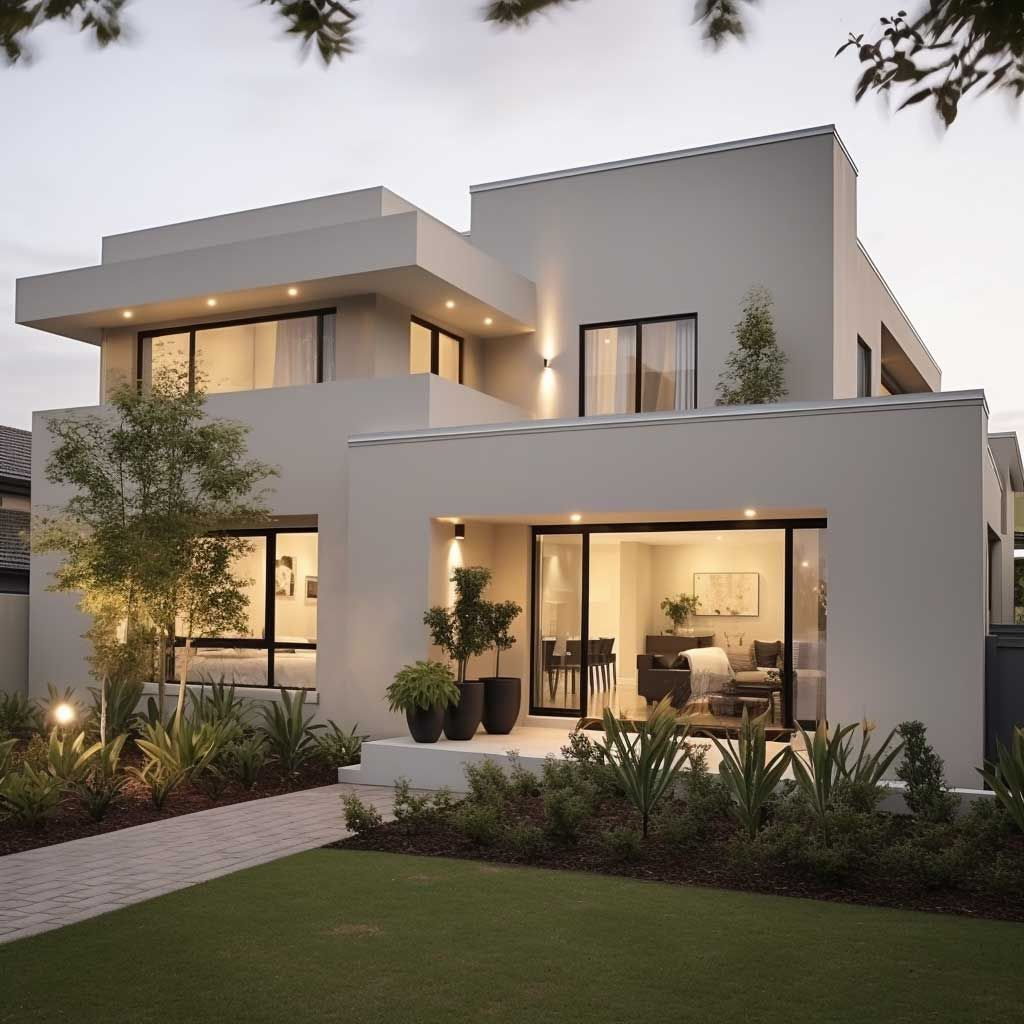
Modern design often plays with simple, geometric shapes and strong horizontal or vertical lines. You’ll see a lot of flat or low-pitched roofs, clean-edged eaves, and a general absence of fussy ornamentation like gingerbread trim or excessive gables. The silhouette of the house itself becomes a key design element.
Think about:
- Clean Silhouettes: Buildings tend to have straightforward, often boxy or rectilinear forms. This simplicity allows the materials and colors to stand out.
- Asymmetry: While balanced designs have their place, modern exteriors often embrace a touch of asymmetry for visual interest and a more dynamic feel.
- Overhangs and Projections: Generous roof overhangs not only offer practical benefits like shade and weather protection but also contribute to the architectural character, creating strong linear elements.
- Integration with Landscape: Modern homes often feel like they belong to their environment. This can mean incorporating natural features, using landscaping to define spaces, and ensuring the house sits harmoniously on its site.
The Color Palette: Beyond Beige and Gray
While neutrals like white, black, and various shades of gray remain staples in modern exteriors for their versatility and clean look, there’s a growing exploration of bolder and more nuanced color choices. The key is often restraint and thoughtful application.
Here’s what’s trending:
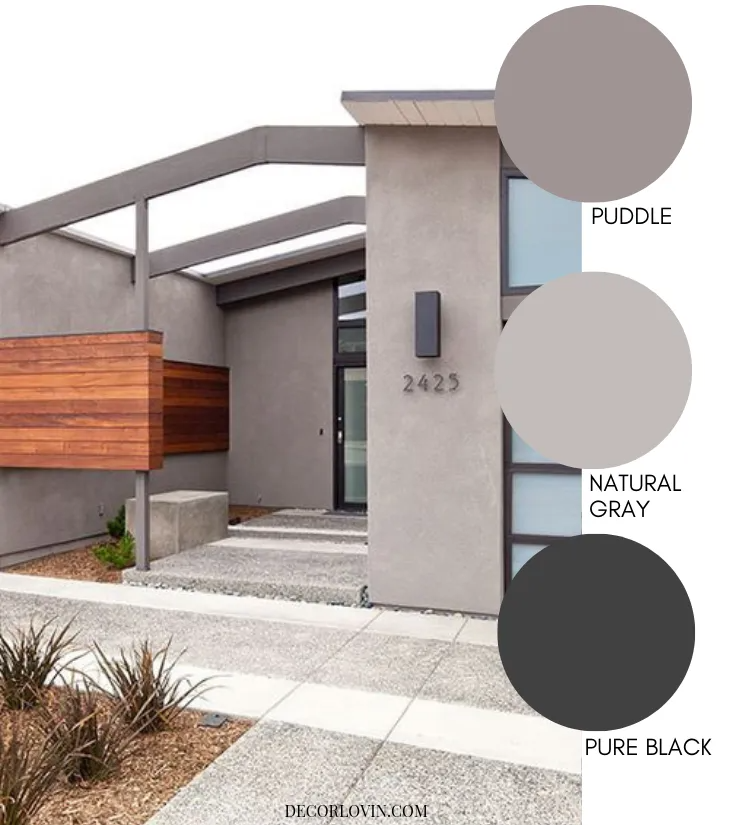
- Monochromatic Magic: A single color family used throughout the exterior, perhaps with varying textures, creates a sophisticated and unified look. Think deep charcoal, a soft off-white, or even a muted earthy tone.
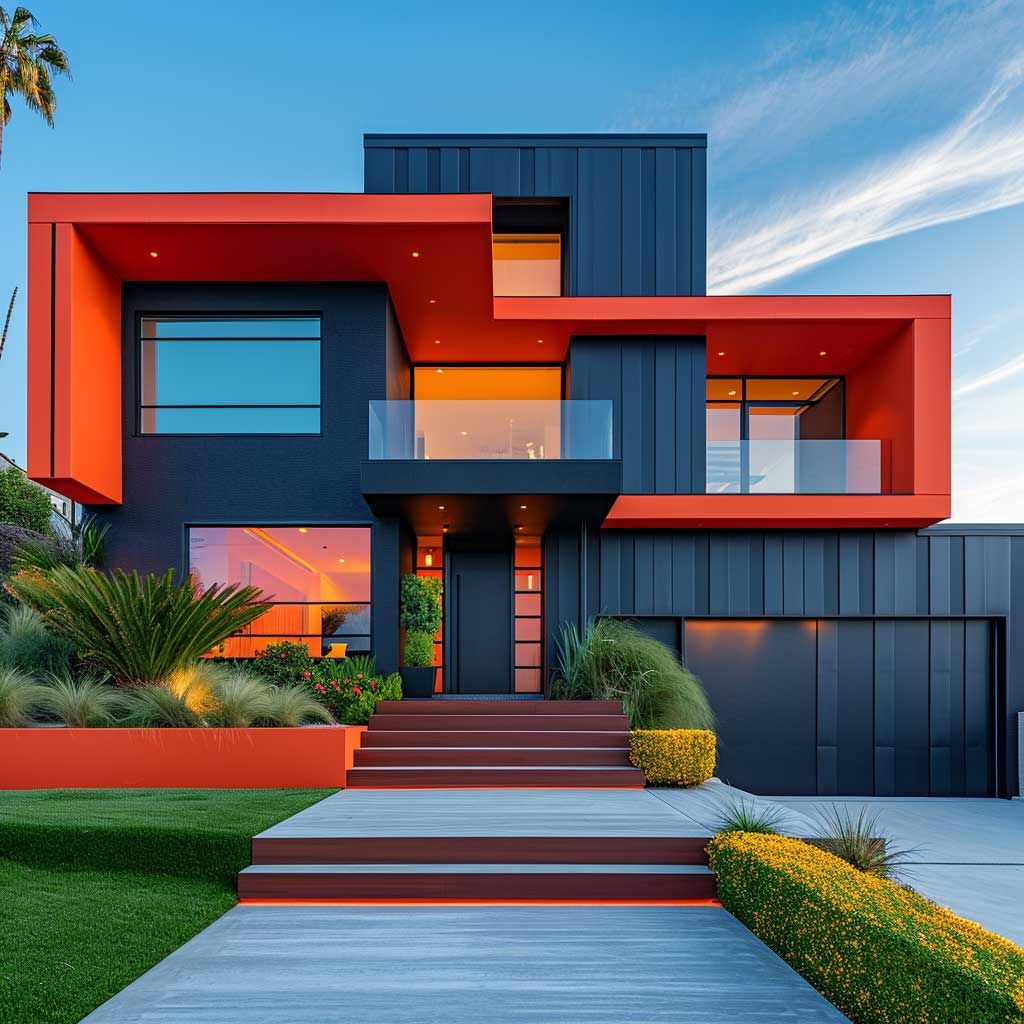
- Bold Accents: Using a vibrant color on a front door, window frames, or a specific architectural feature can inject personality without overwhelming the design. Jewel tones like emerald green, sapphire blue, or deep burgundy are making a comeback.
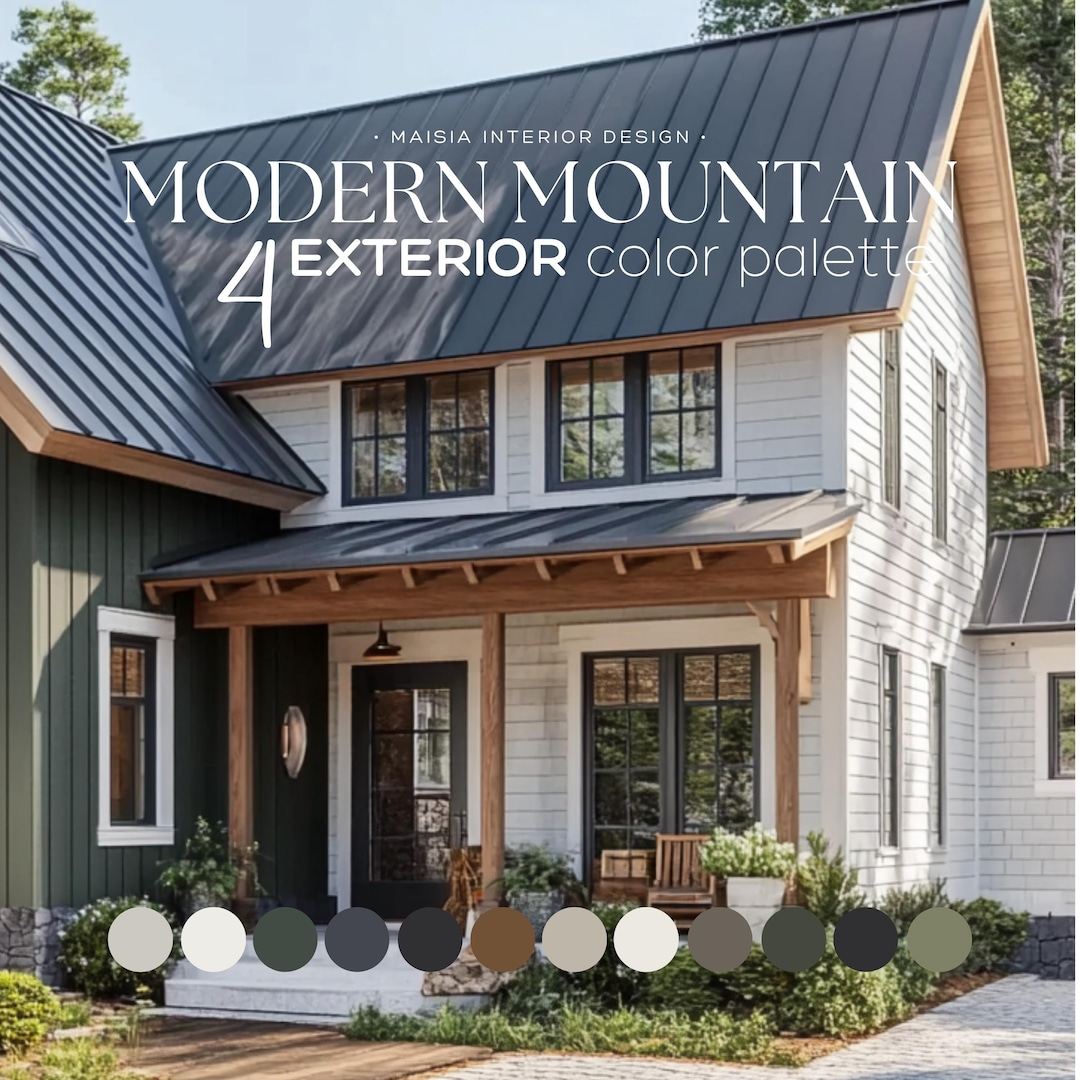
- Earthy Tones: Warm, natural colors inspired by the landscape are gaining popularity. Think terracotta, deep olive greens, sandy beiges, and rich browns. These hues connect the home to its surroundings.
- High-Contrast Pairings: The classic black and white is timeless, but consider other strong contrasts. A dark facade with bright white trim, or a natural wood tone paired with a deep navy can be incredibly striking.
- Subtle Sophistication: Don’t discount the power of slightly off-kilter neutrals. Think muted sage greens, dusty blues, or warm greige (gray-beige) that offer more depth than a standard neutral. These colors provide a soft yet modern backdrop.
Lighting: Illuminating Your Design
Exterior lighting is no longer an afterthought; it’s an integral part of the modern design. Strategic placement of lights can highlight architectural features, improve safety, and create a welcoming ambiance after dark.
Think about:
- Uplighting: Shining lights upwards onto walls, trees, or interesting architectural elements creates dramatic shadows and depth.
- Downlighting: Integrated into eaves or overhangs, this provides functional illumination for walkways and entryways.
- Accent Lighting: Small, targeted lights can draw attention to specific textures, sculptures, or garden features.
- Integrated Fixtures: Many modern homes incorporate lighting directly into the building materials, creating a seamless and minimalist look. LED strips under deck edges or within stair risers are examples.
The Power of Proportion and Scale
Modern design is all about balance and intentionality. This extends to how different elements are proportioned and scaled relative to each other and the overall structure. Oversized windows might be balanced by a simple, uncluttered facade. A bold color choice on a small detail can be effective because it doesn’t overwhelm the larger forms.
It’s about creating a visual harmony where nothing feels out of place. This might mean:
- Generous Glass: Large windows and doors are a hallmark, but their size should feel appropriate to the wall space and the overall house dimensions.
- Streamlined Entryways: Front doors are often simple and sleek, sometimes oversized to make a statement, or integrated seamlessly into the facade.
- Minimalist Landscaping: Landscaping complements the architecture without competing with it. Think clean lines, carefully chosen plants, and uncluttered pathways.
Bringing it All Together: Practical Tips
So, how do you translate these ideas into your own space? It’s easier than you think. Start by assessing your current home and identifying elements you love and those you’d like to update.
Here are some actionable steps:
- Define Your Style: Even within modernism, there are variations. Do you lean towards minimalist, industrial, organic modern, or something else? Gather inspiration images that resonate with you.
- Choose Your Palette: Select a primary color, a secondary color, and an accent color. Remember the 60-30-10 rule: 60% of one color, 30% of another, and 10% of a third for accents. Ensure your chosen colors work well with your home’s environment and existing features.
- Material Mix and Match: Identify one or two materials you want to highlight. Perhaps a new wood accent on your porch, or a fresh coat of a sophisticated neutral on your stucco. Small changes can make a big impact.
- Consider Lighting: Even updating your existing light fixtures to a more modern style can make a difference. Think about adding a simple uplight to a prominent tree or a sleek wall sconce by your front door.
- Don't Forget the Details: A modern mailbox, a clean-lined house number, or a beautifully designed planter can all contribute to the overall aesthetic. These small touches show you’ve thought about the entire package.
Modern exterior design is about creating a home that is both beautiful and functional, a space that reflects a contemporary sensibility and a connection to its surroundings. By focusing on clean lines, quality materials, thoughtful color choices, and effective lighting, you can elevate your home’s appeal far beyond the ordinary. Whether you’re planning a full renovation or just looking for ways to refresh your home’s look, remember that even small, deliberate changes can make a significant difference. It’s your chance to craft an exterior that not only captures attention but also feels like a true sanctuary. So, go ahead, experiment with color, embrace simplicity, and let your home’s exterior tell its modern story.