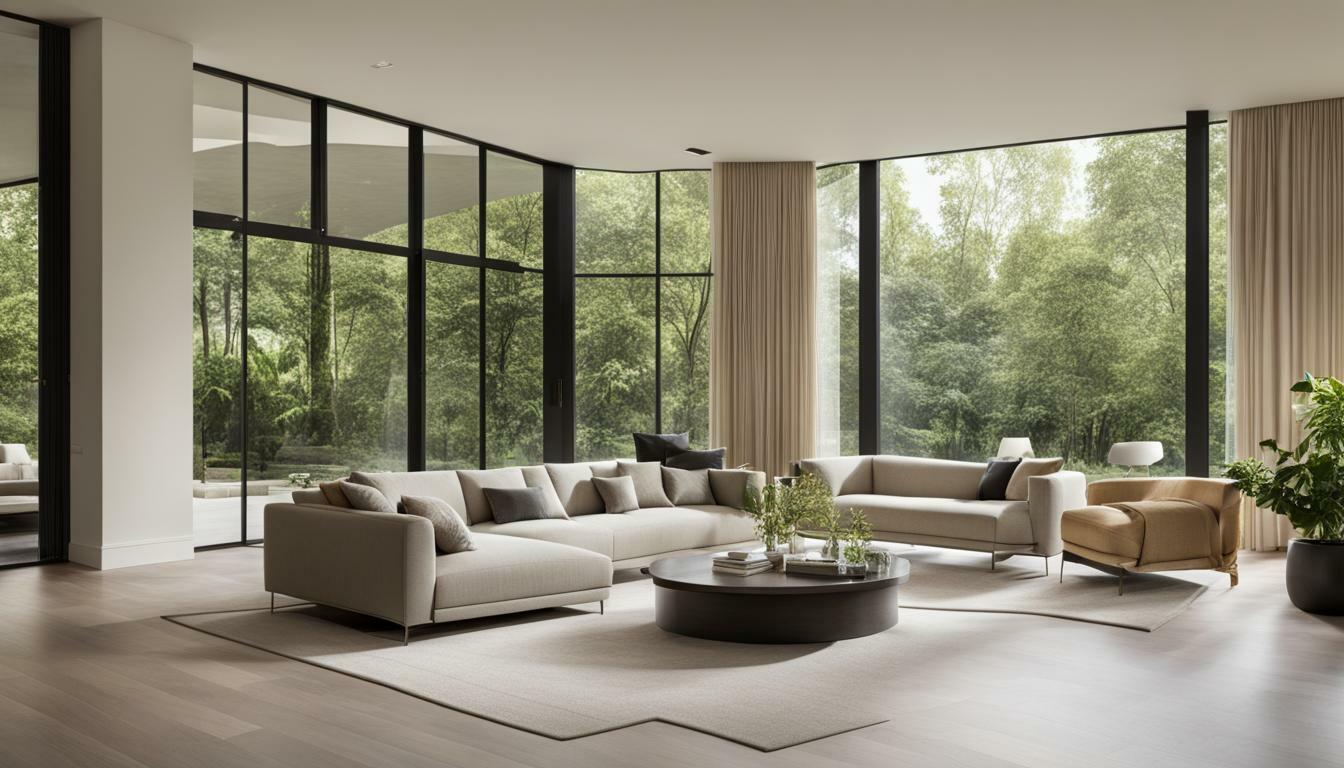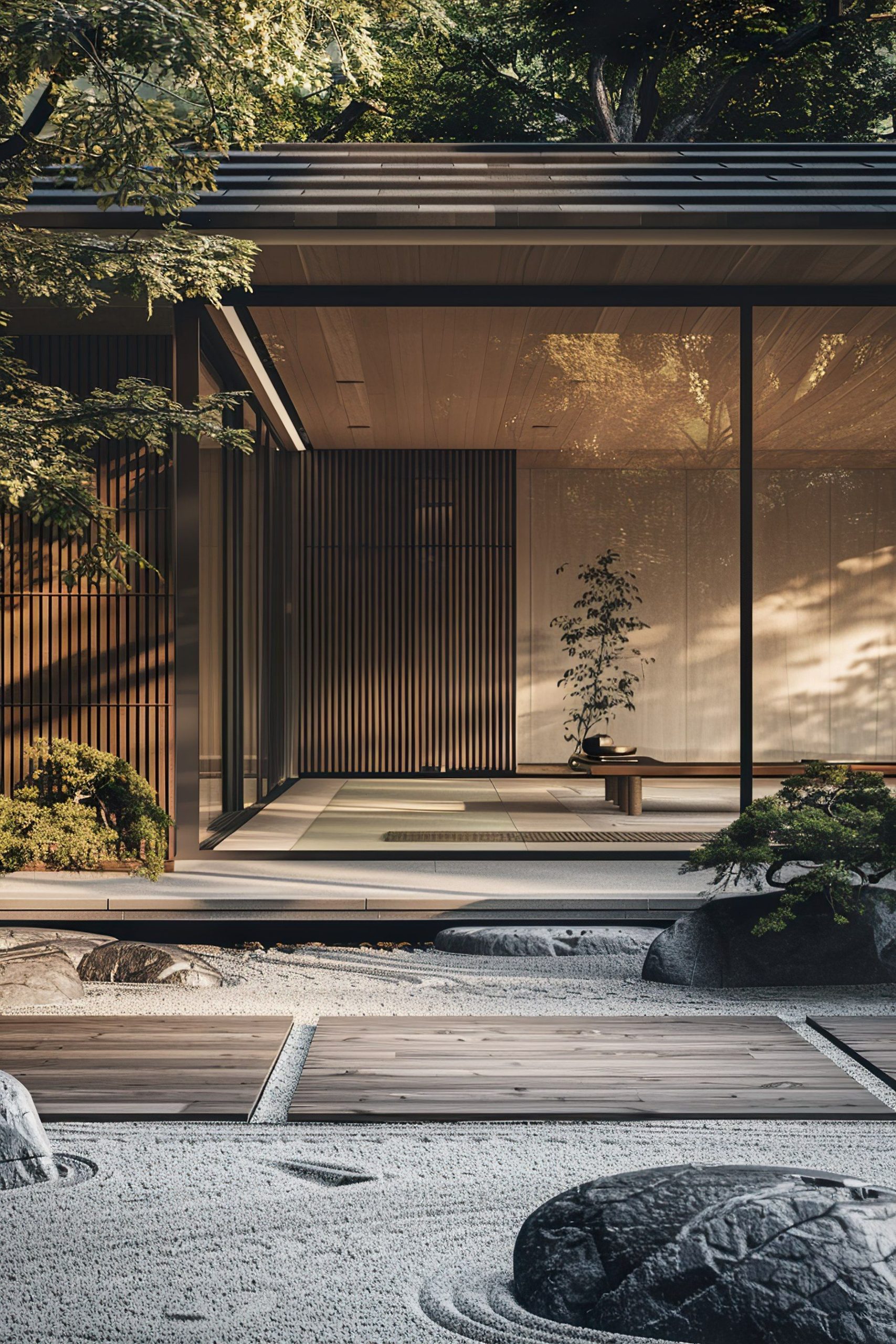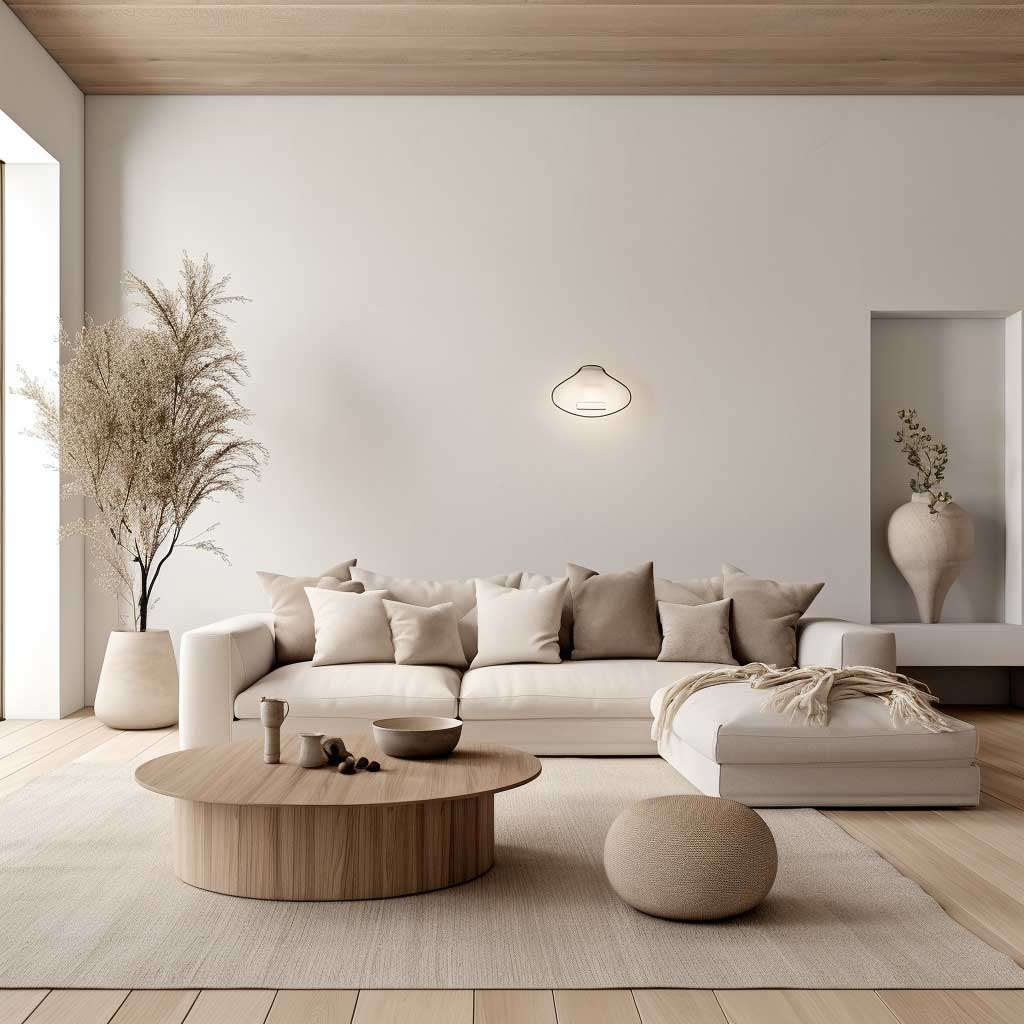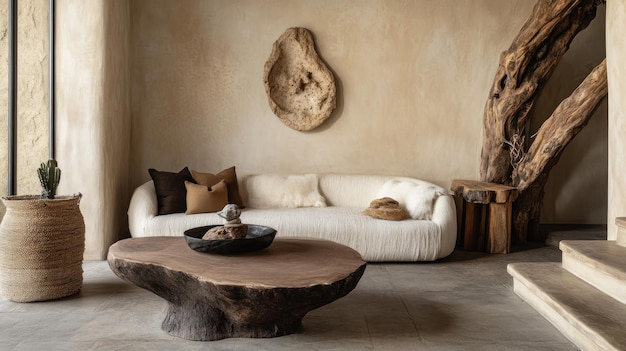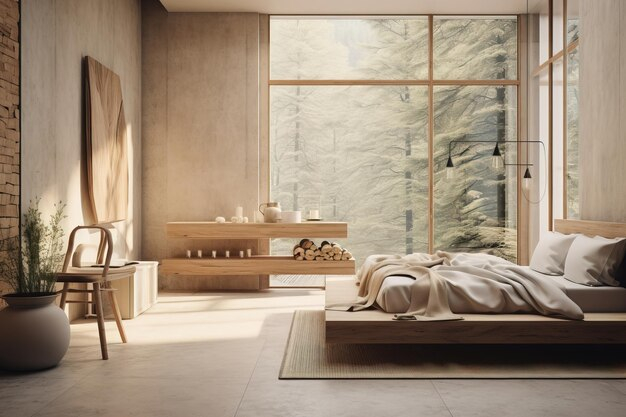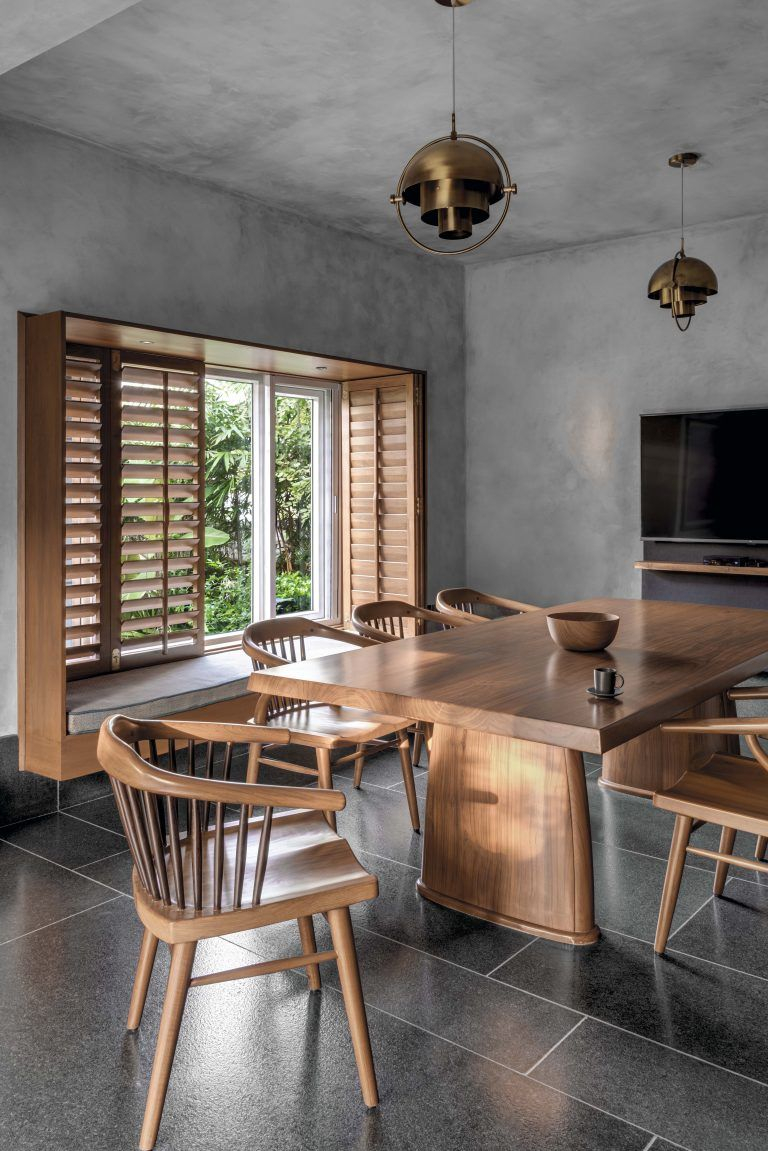
In a world that often feels chaotic and overwhelming, finding pockets of calm is more crucial than ever. We're constantly bombarded with stimuli, making it hard to truly switch off and recharge. But what if the answer to achieving this peace wasn't some far-flung retreat, but right within our own homes? It turns out that by thoughtfully blending the principles of minimalist design with the inherent beauty of the natural world, we can create spaces that are not just aesthetically pleasing, but deeply restorative. Let's dive into how this powerful combination works.
Minimalism, at its core, is about intentionality. It's about stripping away the excess to focus on what truly matters, creating clarity and order. But when we think of minimalist spaces, sometimes they can feel a little sterile, a bit too stark. That's where the magic of natural elements comes in. Think about the feeling you get when you walk through a forest, or gaze at a calm lake. There's an inherent sense of peace, of grounding. Bringing these sensations into our living environments through thoughtful design choices can transform a simple space into a true sanctuary. It’s about creating a feeling, not just a look. Ready to explore how?
The Foundation: Embracing Less, Feeling More
Before we even introduce nature, let's talk about the minimalist framework itself. It’s not about deprivation; it's about liberation. By decluttering our physical surroundings, we often find that our minds become clearer too. This deliberate reduction in 'stuff' creates visual breathing room. Imagine a room with only a few carefully chosen pieces of furniture and decor. The eye isn't overwhelmed, and the mind can rest. This emptiness isn't a void, but an invitation for calm to settle in. It’s the perfect canvas for the natural elements we'll soon discuss, allowing them to truly shine without competition.
Bringing the Outdoors In: Materials Matter
One of the most direct ways to infuse nature into your minimalist space is through materials. Forget plastics and synthetics for a moment. Instead, let's focus on the rich textures and organic origins of wood, stone, bamboo, and natural fibers like linen and cotton. A simple wooden table, a stone accent wall, or a woven rug can instantly add warmth and depth. These materials have a story, a connection to the earth that synthetic counterparts just can't replicate. They feel good to touch, and their subtle imperfections add character. For example, a reclaimed wood shelf not only holds your treasured items but also brings a piece of history and nature's resilience into your room. It’s about choosing materials that resonate with a sense of authenticity and sustainability.
The Vitality of Green: Plants as Living Art
Plants are nature's ultimate minimalist accessory. They add life, color, and a touch of wildness to even the most ordered space. And the benefits go beyond aesthetics. Studies have shown that indoor plants can improve air quality, reduce stress levels, and boost our overall mood. Think beyond just a single potted plant. Consider a strategically placed larger plant that acts as a sculptural element, or a small collection of succulents on a windowsill. The key is integration, not over-saturation. Choose plants that complement your space and require care that fits your lifestyle, ensuring they become a source of joy, not a chore. A simple fern in a terracotta pot can transform a corner, bringing a sense of gentle movement and vibrant life.
Light and Shadow: Nature's Illumination
Natural light is perhaps the most powerful and underutilized element in any design. Minimalist spaces, with their lack of clutter, are perfectly suited to maximizing daylight. Large, unadorned windows allow sunlight to flood in, creating dynamic shifts in illumination throughout the day. This interplay of light and shadow can make a space feel larger, more open, and incredibly alive. Beyond just windows, consider how you can use light to highlight natural materials. A well-placed lamp can cast a warm glow on a wooden surface, emphasizing its grain and texture. Think about sheer curtains that diffuse light softly, rather than heavy drapes that block it out. It’s about working with the natural rhythm of the day.
The Soothing Palette: Colors from the Earth
Nature provides an endless source of inspiration for color. Think of the muted tones of a forest floor, the soft blues of a clear sky, or the gentle greens of moss. In a minimalist design, these natural color palettes create a sense of tranquility and harmony. Instead of bold, jarring hues, opt for earthy neutrals, soft greens, calming blues, and warm wood tones. These colors are inherently soothing to the eye and promote a feeling of relaxation. Even a small accent in a natural shade, like a throw pillow in a muted terracotta or a piece of art depicting a natural landscape, can tie the entire room together and enhance the serene atmosphere. It’s about creating a visual calm that mirrors the peace we seek.
Sensory Engagement: Beyond the Visual
True serenity isn't just about what we see. Incorporating natural elements can engage multiple senses, deepening the feeling of connection and calm. Consider the subtle scent of a natural essential oil diffuser with notes of pine or lavender. The sound of a small indoor water feature can be incredibly meditative. The tactile experience of a smooth river stone or the rough texture of a linen cushion adds another layer of sensory richness. By bringing these elements into your minimalist design, you're not just decorating; you're creating an immersive experience that nurtures the mind and spirit. It's these multi-sensory touches that truly elevate a space from merely functional to profoundly peaceful.
Creating a serene living space through minimalist design and natural elements isn't about achieving perfection; it's about cultivating a feeling. It’s about making conscious choices that bring you closer to nature and, in turn, closer to yourself. By embracing less, choosing authentic materials, inviting greenery, maximizing light, using calming colors, and engaging your senses, you can transform your home into a true sanctuary. A place where you can unwind, recharge, and find that quiet harmony we all crave. So, take a step back, look around, and see where you can invite a little more nature and a little more peace into your life. Your well-being will thank you for it.