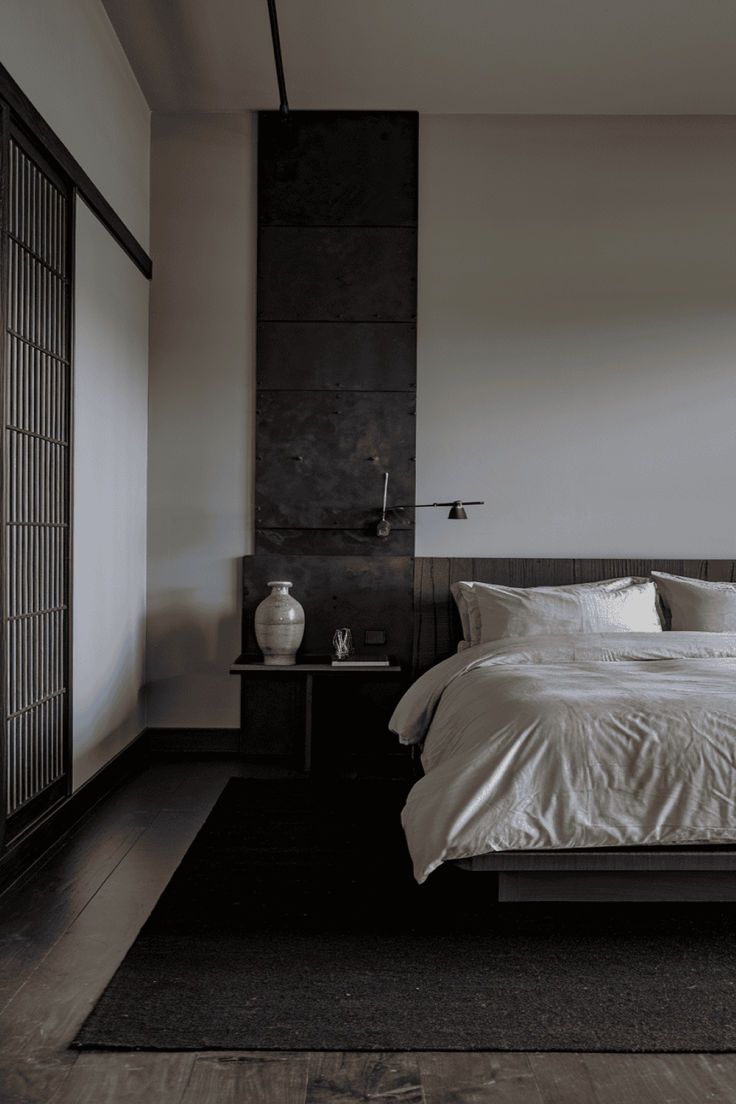
There's a certain magic that happens when you step into a room bathed in deep, rich colors. It's not just about aesthetics; it’s about feeling. Traditional bedrooms, often associated with light and airy spaces, can be transformed into sanctuaries of warmth and intimacy through the thoughtful use of dark hues. Forget the notion that dark colors make a room feel small or gloomy. When applied with intention, they have the power to envelop you in a sense of comfort and sophisticated elegance. Let's explore how to harness this power and create a bedroom that feels like a luxurious embrace.
When we think of traditional bedrooms, images of floral patterns and pastel shades often come to mind. But tradition is a living thing, and so is design. The idea of using dark colors in a bedroom might seem counterintuitive at first. After all, don't we want our sleeping spaces to feel bright and cheerful? Well, yes and no. While brightness has its place, there's a profound comfort and a sense of grounding that deep, rich colors can provide. They create an atmosphere of quiet luxury, a personal retreat from the outside world. It's about cultivating a mood, a feeling of being cocooned in a space that’s both stylish and incredibly welcoming. Ready to dive into the delicious depths of dark bedroom design?
The Psychology of Dark Colors in the Bedroom
It's fascinating how colors affect our moods and perceptions, isn't it? Dark hues, like deep blues, forest greens, charcoal grays, and rich burgundies, carry a unique psychological weight. They are often associated with stability, sophistication, and a sense of security. In a bedroom, this translates to a more restful and tranquil environment. Imagine sinking into a plush bed against a backdrop of a deep, velvety navy. It's calming, isn't it? These colors can help to absorb light, creating a cozier, more intimate feel, which is precisely what we often crave in our personal sanctuaries. They can also make the room feel more grounded and substantial. It’s like a warm hug for your senses, encouraging relaxation and a good night's sleep. It's not about making the room feel smaller; it's about making it feel more contained and personal.
Choosing Your Dark Palette: Beyond Black
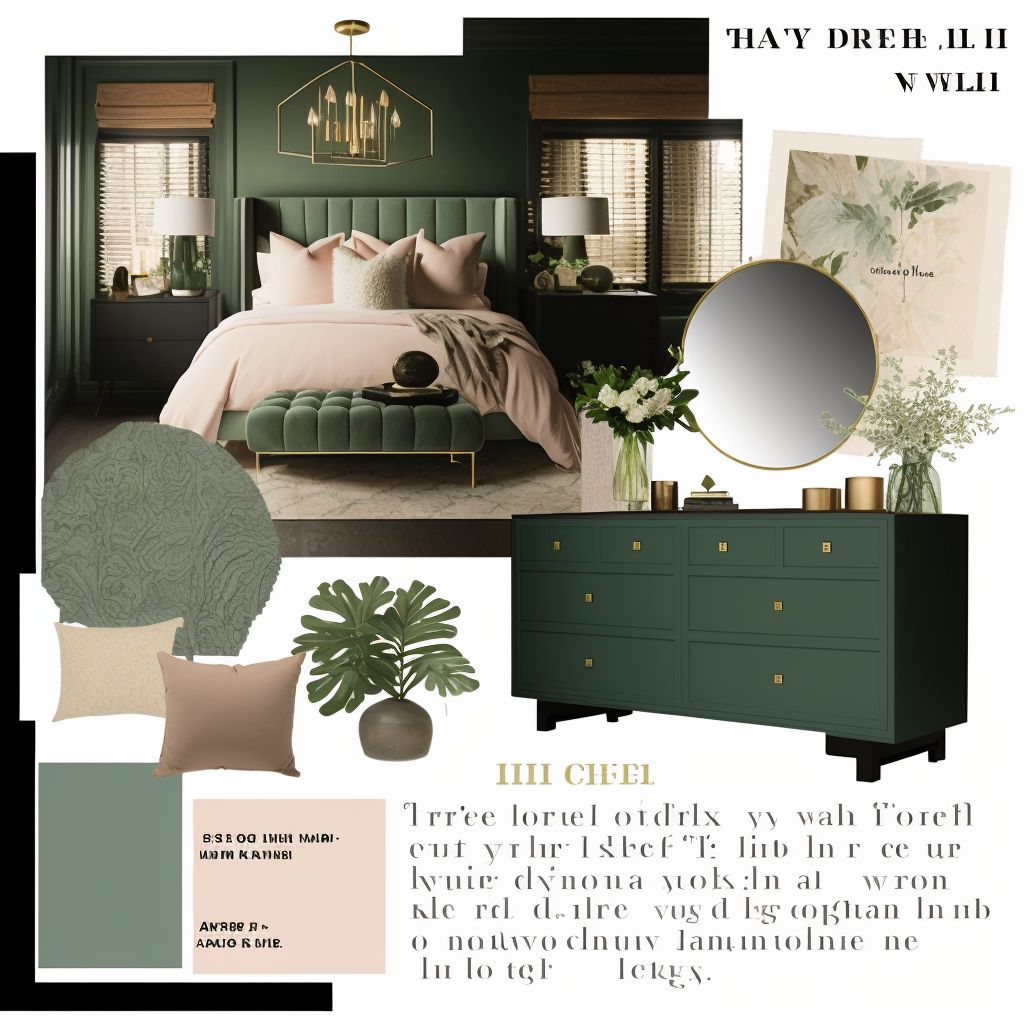
When we talk about dark hues, it's easy to jump straight to black. But the world of dark colors is so much richer and more nuanced than that! Think about the deep, inky blues of a midnight sky, the lushness of emerald green, the earthy warmth of a deep terracotta, or the regal tones of plum and burgundy. These colors offer a sophisticated alternative to lighter shades and can be surprisingly versatile. For a classic traditional feel, consider deep jewel tones. A rich sapphire blue on the walls, paired with antique brass accents, can evoke a sense of timeless elegance. Or perhaps a muted forest green, which brings the tranquility of nature indoors. Even a deep, warm gray can provide a neutral yet moody foundation. The key is to select a shade that resonates with you and complements the overall style you're aiming for. Don't be afraid to explore swatches and see how they look in your room's natural light throughout the day.
Walls: The Foundation of Your Dark Ambiance
The walls are often the largest surface area in a bedroom, so they play a crucial role in setting the mood. Painting your walls in a dark, rich color is a bold move that can pay off handsomely. For a truly traditional feel, consider a deep damask or toile wallpaper in a dark hue. The pattern adds texture and visual interest without overwhelming the space. If you prefer a solid color, opt for a matte or eggshell finish. These finishes tend to absorb light better than glossier ones, enhancing the cozy, enveloping effect. For instance, a charcoal gray wall can serve as a dramatic backdrop for lighter bedding and furniture, making them pop. A deep teal can add a touch of unexpected luxury. And if painting the entire room feels too daunting, consider an accent wall behind the headboard. This allows you to introduce a dark color without committing to it everywhere.
Furniture and Textiles: Layering the Darkness
Once your walls are set, it's time to layer in furniture and textiles. This is where you can really build depth and comfort. Think about a substantial wooden bed frame in a dark finish, like mahogany or walnut. This anchors the room and adds a sense of weight and permanence. For upholstery, consider deep-colored velvet or chenille for headboards, accent chairs, or ottomans. These fabrics have a luxurious sheen that catches the light beautifully, even in darker tones. When it comes to bedding, there's a wonderful opportunity to play with contrast and texture. While you might have dark walls, you can opt for crisp white or cream linens for a classic look. Or, embrace the dark theme further with deep-colored duvets and throw pillows in shades of plum, navy, or forest green. Layering different textures—like a chunky knit throw over a smooth sateen duvet—adds visual and tactile interest, making the space feel even more inviting. Don't forget the curtains. Heavy, dark drapes can enhance the sense of enclosure and help with light control for better sleep.
Lighting: The Key to Unlocking Dark Hues
This is perhaps the most critical element when working with dark colors. Proper lighting can transform a potentially gloomy space into a warm and inviting haven. The goal isn't harsh, overhead brightness; it's about creating pools of soft, ambient light. Think layers of lighting: bedside lamps with warm-toned bulbs, a floor lamp in a reading corner, and perhaps a dimmer switch for overhead lighting. Wall sconces can add a touch of old-world charm and direct light downwards or upwards, creating a sophisticated glow. Consider the finish of your light fixtures, too. Antique brass, aged bronze, or brushed nickel can complement dark walls beautifully. The warmth of the light itself is crucial. Opt for bulbs with a lower Kelvin temperature (around 2700K) to achieve that cozy, inviting ambiance. A well-lit dark room feels intentional and luxurious, not dim and uninviting.
Accessorizing with Contrast and Shine
To prevent a dark bedroom from feeling too heavy, it's essential to incorporate elements of contrast and shine. This is where your accessories come into play. Metallic accents are your best friend here. Think gold, brass, or silver in picture frames, lamps, decorative objects, or even mirror frames. These elements reflect light and add a touch of sparkle, breaking up the darker tones. Artwork with lighter matting or frames can also provide visual relief. Consider incorporating natural elements like wood or plants, which can add warmth and life to the space. Even a touch of lighter color in a rug or a scatter cushion can make a significant difference. The trick is to balance the deep, enveloping colors with strategic pops of brightness and texture, creating a space that feels both intimate and dynamic.
Creating a traditional bedroom with dark hues is all about embracing warmth, intimacy, and sophisticated comfort. It’s a departure from the expected, a choice to create a personal retreat that feels both grounding and luxurious. By understanding the psychology of dark colors, carefully selecting your palette, and layering your design elements thoughtfully—from walls and furniture to textiles and lighting—you can craft a bedroom that’s a true sanctuary. Remember, it’s not just about the colors themselves, but how they interact with light, texture, and your personal style. So, don't shy away from the shadows. Instead, invite them in and discover the cozy, captivating ambiance they can bring to your traditional bedroom. Your serene escape is just a brushstroke away.